Feeds:
Posts
Comments

The Morning Birds

“Lavender clouds sail like a fleet of ships across the pale green dawn.” – Edward Abbey. The Opposite of Bird Watching

White-winged doves to the left, mourning doves to the right. -- Photo by Pat Bean

White-winged doves on the ends, mourning doves in the middle. — Photo by Pat Bean

It is a dawn like what Abbey describes that makes me often wake before the sun rises. After watching the gray turn the landscape into a fleeting moment of golden glow, I began looking around for birds, knowing that when I return to my apartment I will note in my journal the first species of the day. More often than not it will be a dove, either a white-winged or a mourning dove.
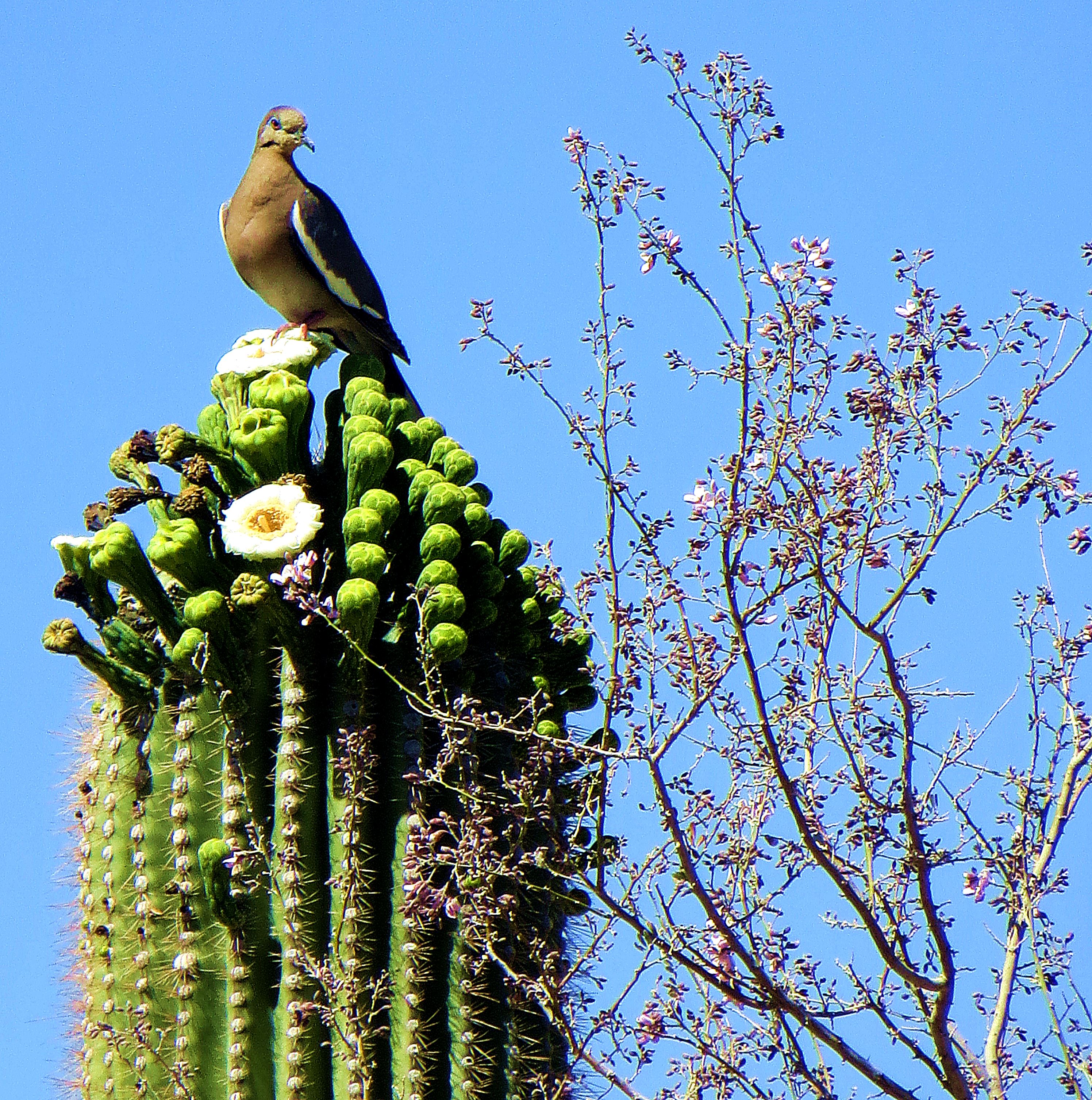
White-winged dove on top of a blooming saguaro.  -- Photo by Pat Bean

White-winged dove on top of a blooming saguaro. — Photo by Pat Bean

Both these species are as common here in the Sonoran Desert as are the saguaro, which normally can only be found in Southern Arizona or just across the border into Mexico.

You can see a mourning dove anyway in the mainland 48 states, but white-winged doves can only be found in the more southern states. Here where I live, I often see them sitting atop a saguaro, especially when it is in bloom (like the photo on the left). Mourning doves more commonly tend to flock on the ground in bunches of two to six.

If I listen, as my canine companion Pepper and I make our morning circuit, I can hear the doves murmuring to one another. It’s an interesting chatter. The mourning doves have a mellow, cooing song, which sounds like a lament, but which also is close to the sound of our resident great horned owls. White-winged doves, named for just that, also coo, but there is more variation and cheeriness to their songs. It sounds to me like they’re happy to be up and moving, while the mourning doves are bemoaning having to get up.

Recently I added a bird feeder to the nectar feeder that hangs on my third-floor apartment balcony. Both the mourning and white-winged doves have been feeding from it. They empty it way too quickly, which is why I only partially fill it each morning. There is only so much bird seed my budget can afford.

The doves, having become familiar with my custom of putting out seeds after my morning walk, often gather on the tile roof across from my apartment in anxious anticipation. I think you can call that people watching.

Blog pick of the Day. Check it out.

Blog pick of the Day. Check it out.

Bean Pat: With Less Weight in my Back Pack http://tinyurl.com/z5kco7l Sedona area landscape — and the way I feel these days.

“We write for the same reason that we walk, talk, climb mountains or swim the oceans – because we can. We have some impulse within us that makes us want to explain ourselves to other human beings. That’s why we paint, that’s why we dare to love someone – because we have the impulse to explain who we are.” — Maya Angelou

They call it Canaval Mountain, but it's really only a hill. -- Wikimedia photo

They call it Canaval Mountain, but it’s really only a hill. — Wikimedia photo

Or Turning a Hill Into a Mountain

            My grandmother used to tell me not to turn a molehill into a mountain whenever I got upset about something she considered insignificant. It was just one of her many sayings, like you’re going to hell in a handbasket when I did something wrong, or if it was raining but the sun was still shining, she would exclaim, “Well, the devil must be beating his wife.”

But there's no mistaking the Grand Teton as a hill. -- Photo by Pat Bean

But there’s no mistaking the Grand Teton as a hill. — Photo by Pat Bean

She was the only grandparent I ever knew, and she died when I was 11, which makes me wonder why, over a half century later. I can still hear her words in my head. It doesn’t take much to trigger the memories, which is what happened this morning when I was editing a chapter in my book, Travels with Maggie.

I had written about Poteau, Oklahoma, which claims to be home of the world’s tallest hill, despite the fact it’s commonly called Cavanal Mountain. That it’s a hill is based on the geological understanding that a landscape feature is a mountain if it’s 2,000 feet tall, and a hill if it is less than that. Cavanal is 1,999 feet tall.

And before I could move on to reading the next paragraph, my grandmother’s old time sayings were in my head. And then I found myself wanting to know where the phrase “don’t turn a mountain into a molehill” originated, which led me to the Internet.

According to the online encyclopedia, Wikipedia, the phrase dates back to 1548, when Nicholas Udall used it in a translation of the New Testament. He wrote: “The Sophistes of Greece coulde through their copiousness make and an elephant of a flye, and a mountaine of a molehill.” Allegedly (you can’t always believe what you read), the comparison of the elephant with a fly is an old Latin proverb, but the mountain and molehill example was likely coined by Udall himself – and it’s been used ever since.

And the sound of my grandmother telling me, “Don’t turn a mountain into a molehill,” still rings in my head. I wonder where my grandmother first heard the phrase. My wondering mind just never seems to stop.           

Blog pick of the Day. Check it out.

Blog pick of the Day. Check it out.

  Bean Pat: Sometimes Once is Enough http://tinyurl.com/jybtbzz A spoonbill, an egret and a great post.

Reflections

Weekly Photo Challenge

“There’s an unseen force which lets birds know when you’ve just washed your car.” — Denis Norden

Roseate spoonbill at Brazos Bend National Park

Roseate spoonbill at Brazos Bend National Park — Photo by Pat Bean

And for good measure, since I do so enjoy watching these pink-winged birds with the funny bill, here is another photo I snapped of roseate spoonbills.

Roseate spoonbills in the World Fair's Aviary at the St. Louis Zoo.  -- Photo by Pat Bean

Roseate spoonbills nesting in the World Fair’s Aviary at the St. Louis Zoo. — Photo by Pat Bean


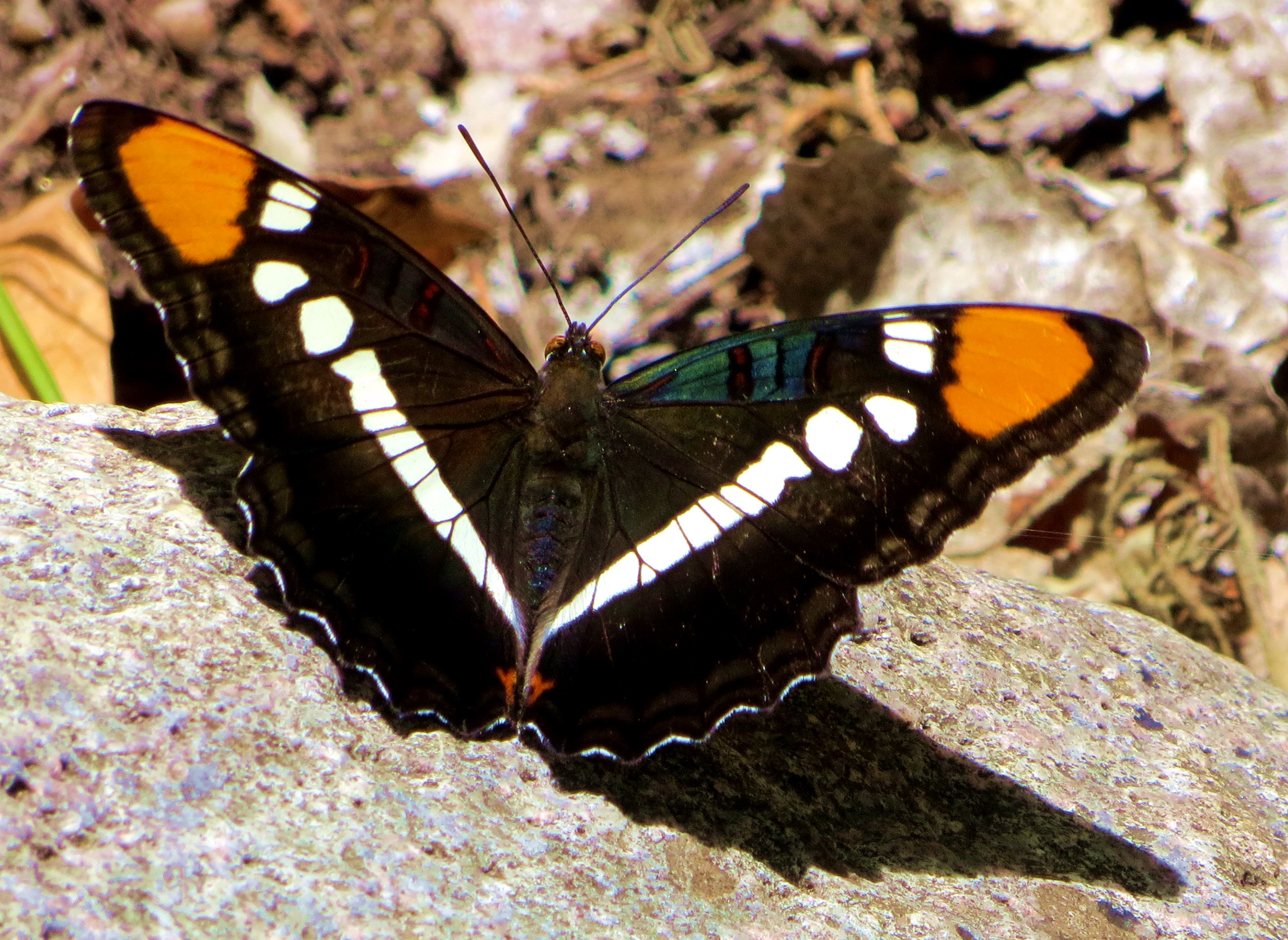
I suggest you stop what you;re doing whent a butterfly is nearby ... and simply enjoy watching it. -- Photo by Pat Bean

I suggest you stop what you;re doing when a butterfly is nearby … and simply enjoy watching it. — Photo by Pat Bean

      “When your mother asks, ‘Do you want a piece of advice?’ it is a mere formality. It doesn’t matter if you answer yes or no. You’re going to get it anyway.” — Erma Bombeck

But I Don’t Give Advice

When my children finally reached adulthood, I tried not to give them too much advice. I had made too many mistakes in my own life to think any advice I gave would be good. Well, all except for my youngest daughter. I never had any qualms about giving her advice because I knew she would never follow it.

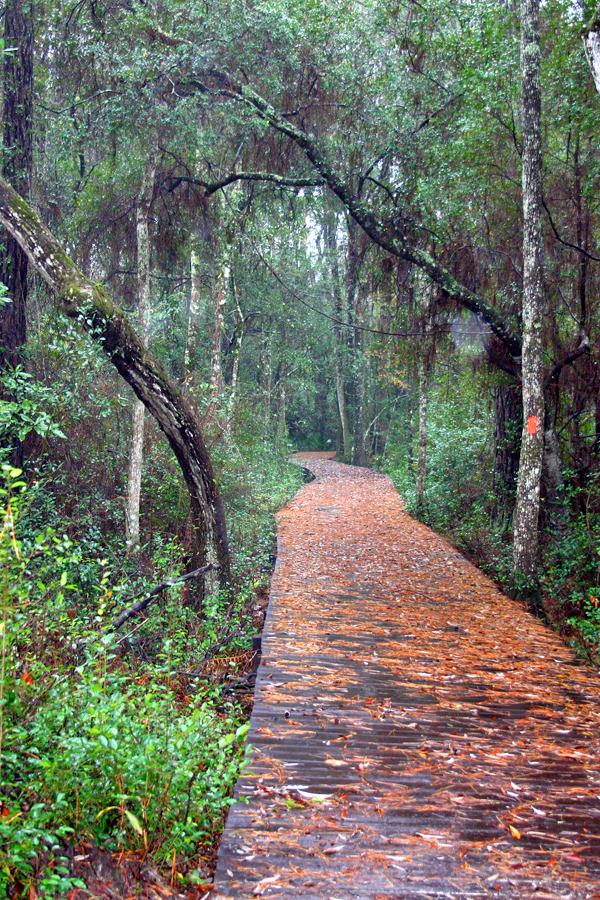
And alqys take thepath less traveled ... although I traveled this one fairly quickly, and loudly, when at the halfway point I came across a sign that said Beware of Bears. -- Photo by Pat Bean

And I suggest you take the path less traveled … although I traveled this one fairly quickly, and loudly, when at the halfway point I came across a sign that said: Beware of Bears. — Photo by Pat Bean

She was simply that kind of child.

Nowadays, with three teenage boys in her home, she’s always asking me for advice on how to handle things when the boys do something she would prefer they not do.

I can’t help but laugh and say, “I didn’t have the answers when you were doing that. What makes you think I’m any wiser today?”

Meanwhile I came across some suggestions to myself that I had written down in my journal back in 2004 when I was newly retired. I think they’re still pretty wise, so I’ll share them:

Read the instructions …

Shut up and do something about it …

Relish the moment …

Add more color …

Decide what you want and give it to yourself …

Ask an old person to tell you a story …

Think before you …

Perhaps you have a few suggestions of your own that you would like to add to the list.

Bean Pat: Strasbourg http://tinyurl.com/zueuxhu For the armchair traveler

What Can I Do About It?

The earth a beautiful place. It deserves its inhabitants to be at peace with one another -- and I have hope that one day it will. -- Photo by Pat Bean

The earth a beautiful place. It deserves its inhabitants to be at peace with one another — and I have hope that one day it will. — Photo by Pat Bean

“I know. But I do not approve. And I am not resigned.” – Edna St. Vincent Millay

When Life is Not Pretty

I just read the above quote, and it reminded me of a conversation I had with a son, who was telling me I was too idealistic, and then began pointing out the realities of today’s world. He’s a good, honest, hard-working man, and I couldn’t disagree with him, especially when the conversation involved politics.

But Edna St. Vincent Milay’s thoughts are also my own, especially since I do know, from experience, that the world has more good people in it than bad people. And I am not resigned to the status quo. Although it may not happen in my lifetime, I still have hope that one day the people on this planet will all live in peace, accepting and respecting the different cultures and beliefs of all others.

A peaceful moment by Reidsville Lake in North Carolina.  -- Photo by Pat Bean

A peaceful moment by Reidsville Lake in North Carolina. — Photo by Pat Bean

Meanwhile, I ask myself what I can do to push the world toward this goal. The question makes me feel helpless. I’m not sure there is anything I can do — beyond setting an example of being kind and accepting of people. .

Well, except for bigots. I won’t be accepting and kind to bigots. I’m bigoted against bigots. Perhaps being brave enough to tell them off when they speak out against those whom they imagine as their enemy is something I can do.

I think I’ll try harder to always speak up, instead of just occasionally as I currently do.

What can you do? I can’t make the world into a better place alone.

Blog pick of the Day. Check it out.

Blog pick of the Day. Check it out.

Bean Pat: Ghost Bear Photography http://tinyurl.com/gudsouu The Thunderstorm from Helll. Great photos and a story that had me belly-laughing and remembering the great storms I enjoyed beneath the drumming roof of my RV, Gypsy Lee.

James Bond Island == Wikimedia photo

James Bond Island == Wikimedia photo

“Once you have traveled, the voyage never ends, but is played out over and over again in the quietest chambers. The mind can never break off from the journey.” – Pat Conroy

James Bond Island

            I was scanning through photos of what someone described as the most beautiful places on earth – dreaming over pictures of exotic places has been something I do frequently ever since I stopped wandering full time – when I came across one titled James Bond Island.

I recognized the place immediately as one of the settings for the James Bond movie, “The Man with the Golden Gun.” I had read Ian Flemming’s Bond books before JFK made them popular by saying they were his favorite books, and have seen every James Bond movie, even though most had little to do with the books.

But I had no idea where the actual island used in the film was located. So I did some research on the Internet, which provided a quick answer to this non-wandering wanderer’s curious mind.

Bartolemeo Island in the Galapagas with its its Pinnacle Rock near the center of this photo. If you watch Master and Commander, you can see the scene again. -- Photo by Pat Bean

Bartolomeo Island in the Galapagos with its Pinnacle Rock near the center of this photo. If you watch “Master and Commander,” you can see the scene again. — Photo by Pat Bean

The island, until the release of the movie in the mid’70s was unknown as Khao Phing Kau, in Thailand. It became a tourist attraction following the movie, and is most recognizable because of a 66-foot tall islet called Ko Taou that sits just 130 feet away from shore.

In 1981, the island became part of the newly established Ao Phang Nga Marine National Park. I wished I had seen it in person, but armchair travel is the next best thing.

Meanwhile, the morning’s at-home expedition brought to mind another movie, “Master and Commander,” which contained a setting I had visited. It was Bartolomeo Island in the Galapagos. And I took the photo on the left when I was there.

I would also classify it as one of the most beautiful places on earth. But then if I made such a list, it would probably be long enough to encircle the earth. And that brings me to one of my favorite travel quotes:

“We live in a wonderful world that is full of beauty, charm and adventure. There is no end to the adventures we can have if only we seek them with our eyes open.” – Jawaharial Nehru

            Bean Pat: A wee bee http://tinyurl.com/hyx5mp5 I love these photos, and they remind me of how important bees are to the environment.

“Live your life so when the time comes for the funeral the preacher won’t have to bullshit the peoples.” Baba Olatunji

My friends at the Standard-Examiner, where I ended my 37-year Journalist career gave me this at my retirement party. It was drawn by the newspaper's cartoonist Cal Grondal -- and I love it The image is of me standing on the top of Angel's Landing in Zion as a bird to note my birdwatching passion. It is different -- and I love it.

My friends at the Standard-Examiner, where I ended my 37-year Journalist career gave me this at my retirement party. It was drawn by the newspaper’s cartoonist Cal Grondal — and I love it The image is of me standing on the top of Angel’s Landing in Zion as a bird to note my birdwatching passion. It is different — and I love it.

Simply Being Oneself

I’ve oft quoted the saying: “Live, so that when you die, you know the difference.” Baba Olatunji, the late African drummer whose words started off this blog, said it his way. We’re both saying the same thing, but the words we use to do it are worlds apart.

And this is me and my longtime good friend, Kim, who is as different from me as a hummingbird is from an eagle. The photo was taken at a photo booth that was part of her son's wedding reception. I love it, too.

And this is me and my longtime good friend, Kim, who is as different from me as a hummingbird is from an eagle. The photo was taken at a photo booth that was part of her son’s wedding reception. I love it, too.

Which of course got me wondering about how people can be both so alike, and yet so different.

I started off life wanting to fit in, which was impossible. There was no way I was ever going to have a cashmere sweater set like the girls I wanted to be like. And there was no way, I could not be the first to raise my hand to answer any question the teacher asked – whether I knew it or not, although mostly I knew the answers.

I see myself as once being like Hermione in the Harry Potter books — except she is cute and I was a skinny, freckled girl with tangled, nearly white hair (until it darkened when I had children) who talked too loud.

I can’t tell you how many times in my life I’ve been told to shush-it.

Then one day, too many years later, I realized that I got loud when I got excited about something, and that my friends accepted me as I was. I even started to pity those people who never got too loud and interrupted conversations; they probably lacked the passion for life that I had.

I then began noticing that the people I liked most were nothing like me. They had their own quirks. Sometimes we filled the holes in the other. They learned from me, and I learned from them.

I then began to accept that it was OK to be different. Accepting that, I finally began to discover my own self. I’m still discovering. And it’s wonderful.

Bean Pat: Monday Motivation http://tinyurl.com/jye74xu Short and sweet, and something you should do for sure.

National Wildlife Refuges

A snowy egret at the Bear River Migratory Bird Refuge in Northern Utah. -- Photo by Pat Bean

A snowy egret at the Bear River Migratory Bird Refuge in Northern Utah. — Photo by Pat Bean

        “Live in each season as it passes; breathe the air, drink the drink, taste the fruit, and resign yourself to the influence of the earth.” — Henry David Thoreau

Some of my Favorite Places

There are 59 national parks, and in my lifetime I’ve been to 44 of them, mostly missing the ones in Alaska. They are some of my favorite places in the world.

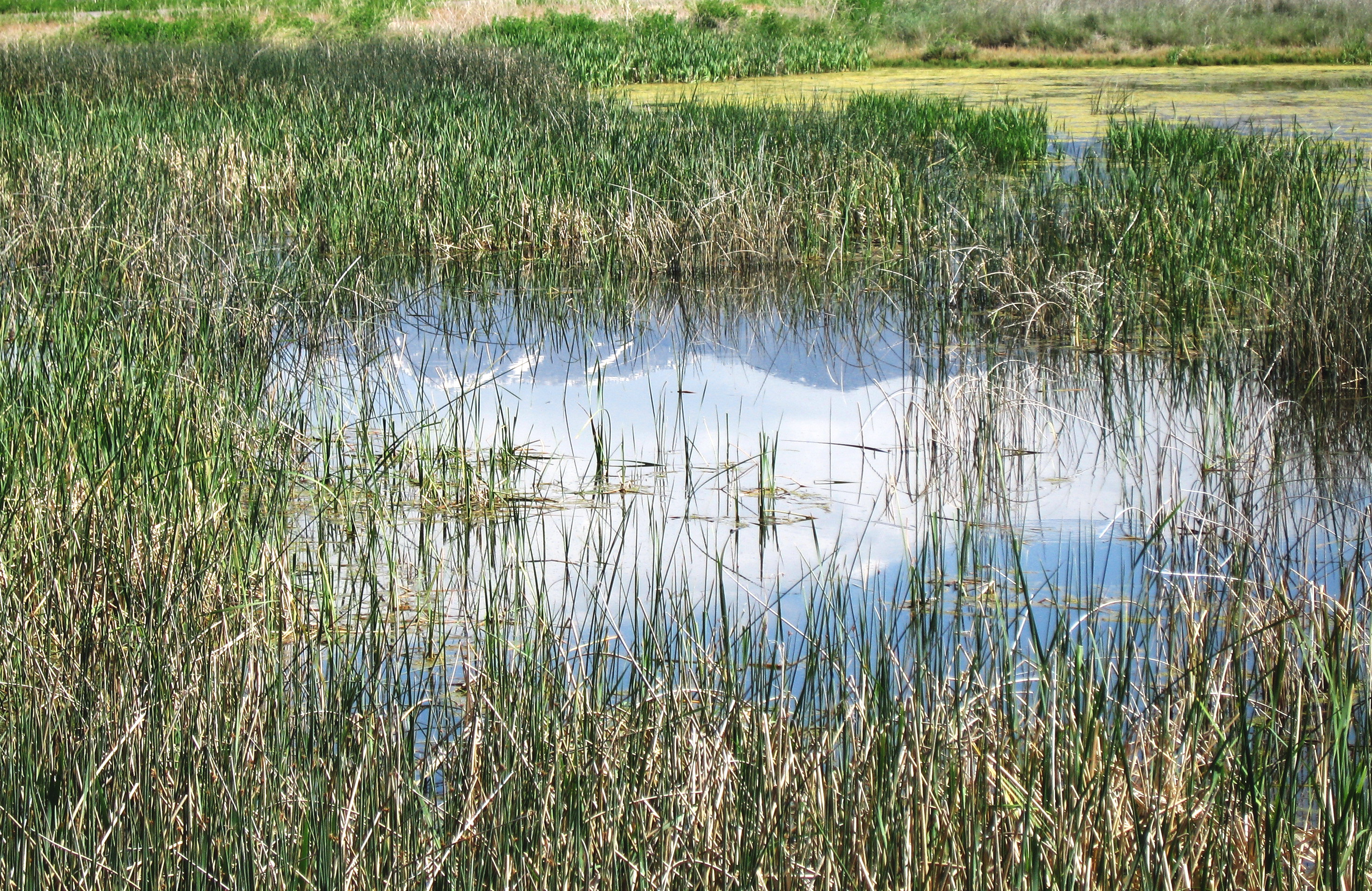
This pond captured images of the Wasatch Mountains and the clouds above them. I love it. -- Photo by Pat Bean

This pond captured images of the Wasatch Mountains and the clouds above them. I love it. — Photo by Pat Bean

On the other hand, there are over 550 national wildlife refuges. And they are also some of my favorite places – even though I haven’t kept track of the ones I’ve visited. During my nine years of traveling this awesome country, I stopped at any refuge in my vicinity, mostly to bird watch. .

Among the more memorable ones that would be on my list of the refuges I’ve explored, if I had such a list, would be Brazoria National Wildlife Refuge, located 15 minutes from my son Lewis’ Texas Gulf Coast home, and where I turned him into a birding addict like me. This refuge has added 16 birds to my life list of 710 species.

But that pales with the Bear River Migratory Bird Refuge that has given me 31 of my life birds. This refuge is very special to me because the first time I visited it was in the 1970s, when it was lush and green – and long before bird watching became one of my passions.

In the 1980s, I watched as the now 80,000-acre refuge was inundated by Great Salt Lake flood waters, whose salty content pretty much destroyed everything, including an almost new visitor’s center. I then regularly watched as the refuge, less than an hour’s drive from my Ogden, Utah, home for 25 years, made its comeback.

Pickleweed. I remember how thrilled I was when I saw the tiny beginning of this plant in a place desolate of greenery.

Pickleweed. I remember how thrilled I was when I saw the tiny beginning of this plant in a place desolate of greenery.

It started with pickleweed, one of the first plants to come back and one that helped eliminate the salt in the landscape. This was all explained to me during a tour of the damaged refuge for a newspaper story I was writing. Have I ever told you how much I loved my journalism career?

I was already retired, and traveling, but I made it to the grand opening of the refuge’s new visitor’s center in 2006. This time the center was located a good ways away from the flood zone, and next to Interstate 15 near Brigham City. The site offers visitors a convenient and quick view of a bit of what the refuge has to offer without the 10-mile drive on a rutted, unpaved road to the main refuge area.

I used to hate that rough ride – but I loved it, too. It kept the crowds away. Sometimes it seemed as if I had the whole refuge to myself, and if not, the other visitors were most likely to be nature lovers who, like me, thought the birds, animals and scenery were worth the bumpy drive.

If you’re one of us, along with visiting a national park during this year celebrating the system’s 100th birthday, you might want to also check out a national wildlife refuge. Most likely there is one not too far from where you live. https://www.fws.gov/refuges/

And if you’re interested in a good book, check out Refuge by Terry Tempest Williams. It’s much about the Bear River Migratory Bird Refuge.

Blog pick of the Day. Check it out.

Blog pick of the Day. Check it out.

Bean Pat: Living Life Almost Gracefully http://tinyurl.com/h97kl2v Chasing the Sun

Parry’s Agave


Parry's Agave. It's not a great photo, especial given the background, but I only had this view from below it's high perch. I'm so glad I could finally identify it. -- Photo by Pat Bean

Parry’s Agave. It’s not a great photo, especial given the background, but I only had this view from below its high perch. I’m so glad I could finally identify it. — Photo by Pat Bean

   “There are more truths in a good book than its author meant to put in it.”-Marie von Ebner-Eschenbach

Reading Let Me Name a Plant

During my recent road trip to the top of Mount Lemmon, I snapped a photo of a tall plant high on a cliff. I couldn’t see its base, just a slender stalk whose top was bedecked in candelabra fashion with clusters of green nodules. I wondered if it was a plant or a tree.

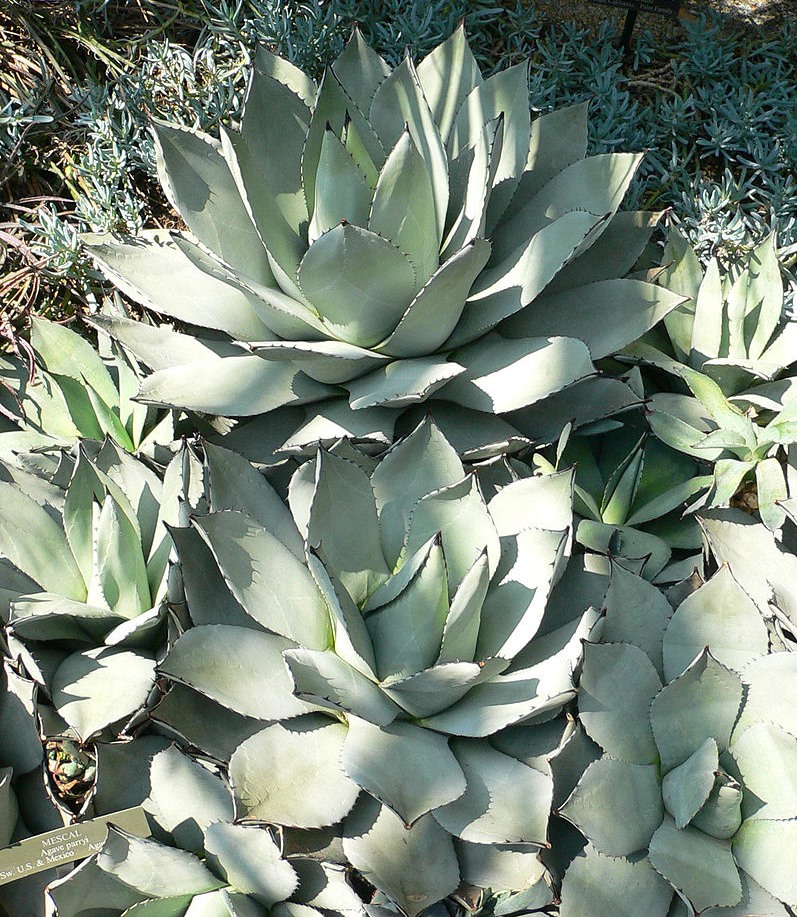
And this is what the plant looks like before it shoots up a stalk. -- Wikimedia photo

And this is what the plant looks like before it shoots up a stalk. — Wikimedia photo

This morning, as I was reading Richard Shelton’s Going Back to Bisbee – a fascinating book that is educating me about the landscape of my new home in the Sonoran Desert of Southeastern Arizona – I came across a perfect description of the plant, and learned that it was a Parry’s agave, an amazing cactus.

The one I saw was probably between 10 and 25 years old, and was in its final year of life, otherwise I wouldn’t have seen it. The plant, for most of its life, is short and bowl-like. When it finally blooms, it sends all of its life forces into a stalk that quickly sprouts up to 20 feet tall, and sends out blossoms at the top. The one I saw hadn’t bloomed yet, but Shelton described the blossoms as “shallow bowls about half a foot across and filled with frothy pink ice cream.”

A few pages on in the book, Shelton wrote about the magic of names and naming, a skill which all good writers should possess. A tree is never just a tree it’s a live oak or a baobab, a dog is a Rottweiler or a poodle, and a bird is a robin or a golden eagle. Such naming provides better images in a reader’s mind. And being able to put a name to something, be it a tree, a mountain, or a plant, gives me joy. So thank you Richard Shelton for helping me learn the name of the plant that I photographed – and for writing such a fantastic book, which I’m slowly savoring.

Blog pick of the Day. Check it out.

Blog pick of the Day. Check it out.

Bean Pat: The Methuselah Grove   http://tinyurl.com/hskgrcj Great Basin National Park, one of my favorite places.

             “At one time in my life, I sought logic in everything – now I know better.” – Pat Bean

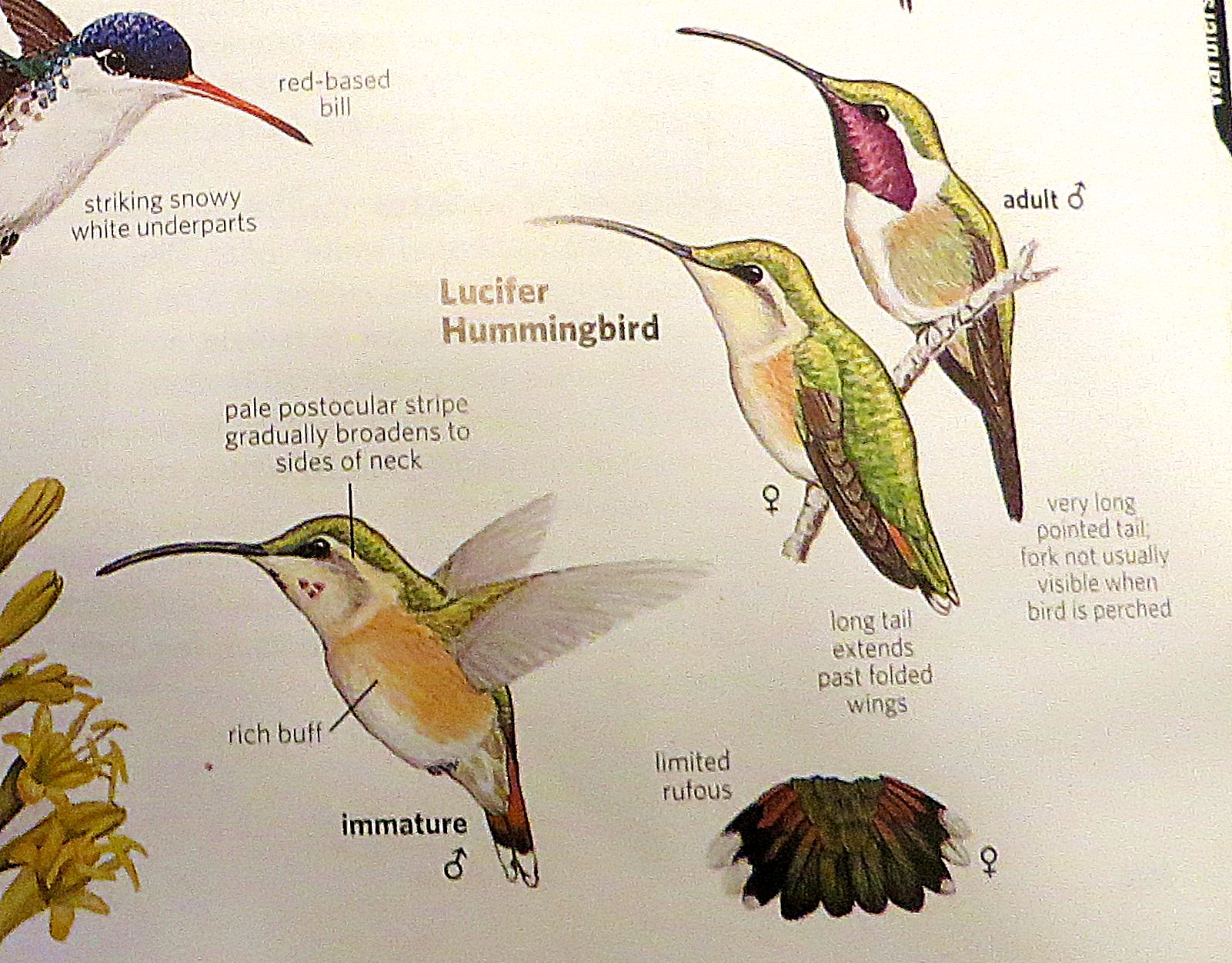
A section of a page from the National Geographic Field Guide to the Birds of North America, whichI used to identify the Lucifer hummingbird. My bird looked exactly like the lower right photo, including the purple specks on the neck. Since I'm a writer and not a photographer, I didn't get a good photo.

A section of a page from the National Geographic Field Guide to the Birds of North America, which I used to identify the Lucifer hummingbird. My bird looked exactly like the lower right photo, including the purple specks on the neck. Since I’m a writer and not a photographer, I didn’t get a good photo.

A Lucifer Hummingbird

I’ve birded all over North America and a few other places as well. I’m not quick on identifying species, like many of my birding mentors, mostly I think because I didn’t become passionate about the addictive activity until I was 60. As birding goes, I’m a late bloomer.

I did get a fairly decent photo of a house finch that was on the bird feeder hung on my balcony. -- Photo by Pat Bean

I did get a fairly decent photo of a house finch that was on the bird feeder hung on my balcony. — Photo by Pat Bean

Before 1999, I could identify cardinals and mockingbirds, the first because it was so red and distinctive, and the latter because it was the State Bird of Texas, and I saw it everywhere as a child. I also thought I could identify house sparrows because they are so common. But once I began studying bird field guides, I realized there were over 35 different sparrows in North America alone – and only some of the ones I had been seeing were house sparrows.

One of the reasons I enjoy birding is because I enjoy reading mysteries, and identifying the murderer before the last page. Identifying a bird by its field marks is pretty similar. Another reason I enjoy birding is because I’m an avid list keeper – and listing the birds I’ve seen is fun for me.

This morning I identified my 709th bird,

It was a Lucifer hummingbird, flitting about in a tree near my living room balcony. It was hard at first for me to believe it, but the curved-down bill couldn’t be mistaken. It would have been a cinch to identify if it had been an adult male, which has a brilliant purple throat, but this one was a young juvenile – but with all the right field marks, including cinnamon-colored sides and a few purple flecks on its throat.

As far as hummingbirds go, Tucson has six common species: Anna’s, broad-billed, broad-tailed, Costa, black-shinned and rufous. I’ve seen all six at my hummingbird feeder just within the past two weeks.

A Lucifer hummingbird in Tucson, however, is rare – but possible. It’s a Mexican species that occasionally flies across the border into Southeastern Arizona and Texas’ Big Bend Region. While it never came to my nectar feeder, I watched it off and on for over half an hour as it flitted about the tree next to my apartment. Each sighting more definitely confirmed my good luck.

I’m a happy birder. The Lucifer was a lifer for me.

Blog pick of the Day. Check it out.

Blog pick of the Day. Check it out.

Bean Pat: More about birds http://tinyurl.com/hgb22z9 The butcher bird, also known as the loggerhead strike. Great photos.