Feeds:
Posts
Comments

Colorful river walk at the Amherstberg Navy Yard in Canada, where I spent a delightful afternoon in 2006. I watched the boats go by from the deck of a nearby restaurant where I had lunch. -- Photo by Pat Bean

 Historical marker located in the Amherstberg Navy Yard -- Photo by Pat Bean Forests, lakes, and rivers, clouds and winds, stars and flowers, stupendous glaciers and crystal snowflakes – every form of animate or inanimate existence, leaves its impress upon the soul of man.” – Orison Swett Marden


  Bean’s Pat: Green River, Utah, Canoe Trip http://tinyurl.com/6royggz  Great photo essay of a section of the Green River that I’ve canoed through three times. Thanks for reviving the memories Jack.

“Ring the bells that still can ring. Forget your perfect offering. There’s a crack – a crack – in everything. That’s how the light gets in.” – Leonard Cohen

Travels With Maggie

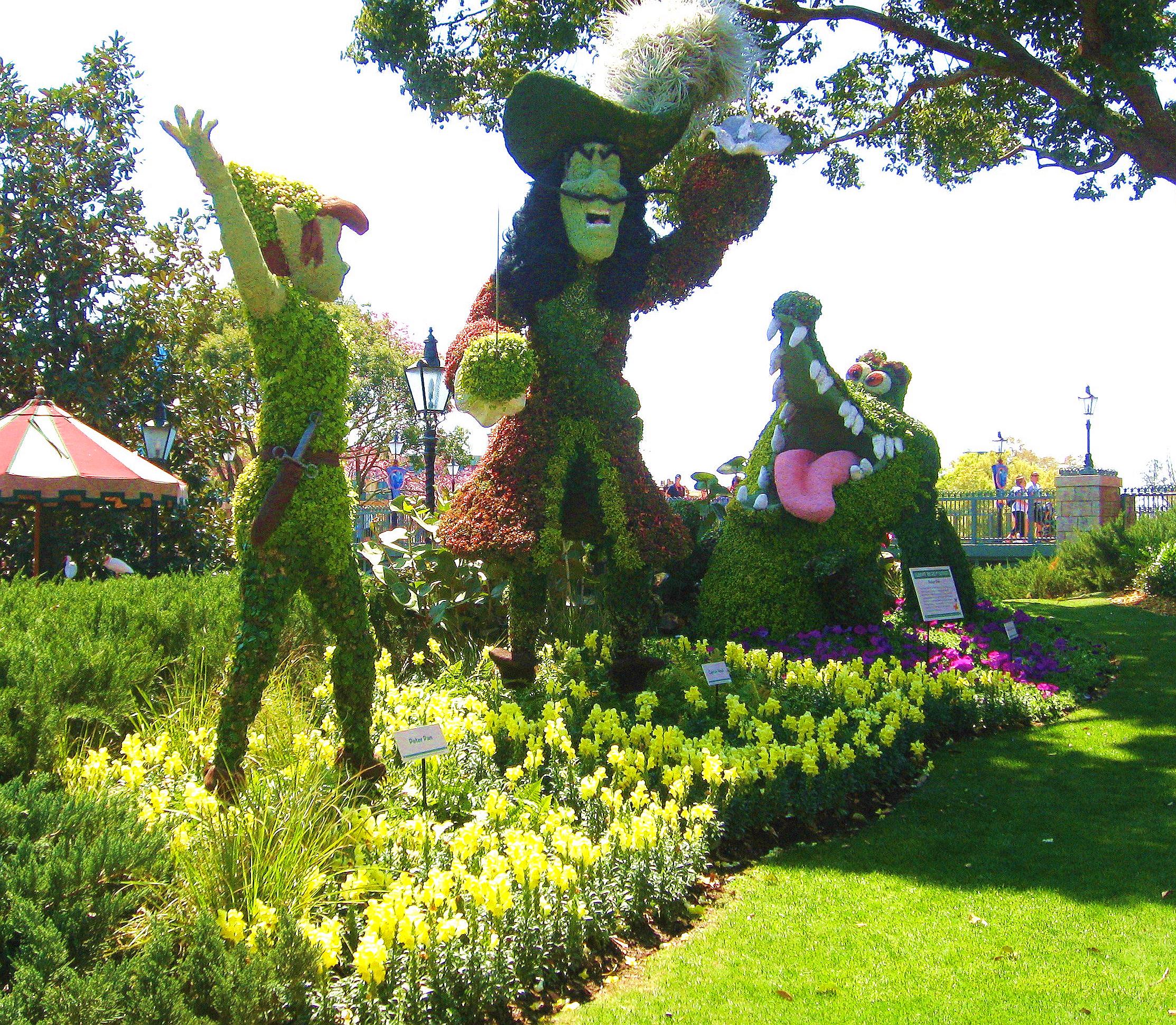
I don't want to stay forever young, like Peter Pan, who is shown here through Epcot's imaginative gardeners, I just want to live life to its fullest. -- Photo by Pat Bean

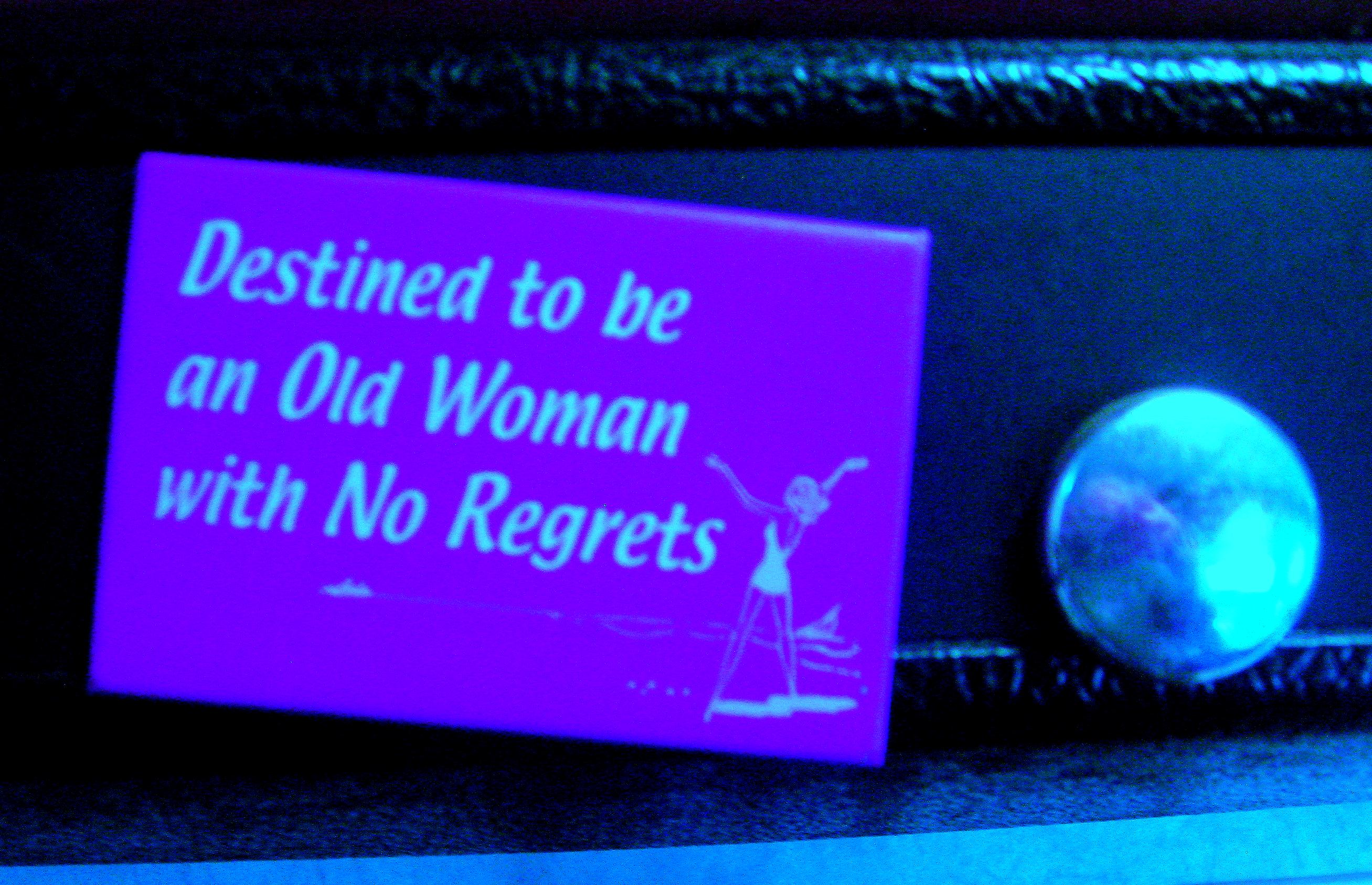
I have a purple, business-card sized, magnet placed where I can see it daily. It reads: “Destined to be an old woman with no regrets.”

Some people get it, some people don’t.

I suspect the foggy ones never woke up at 40 to realize the only regrets they had in life were the things they hadn’t done, which is exactly what happened to me.

Perhaps I went a little too far the next few years trying to catch up, but I didn’t do anything to cause me regrets, like hurting someone or stop being a person who truly cares about others, including wild animals. .

I simply stopped being perfect and afraid of living my life instead of the one society said a southern woman should live. After all, I had already done the barefoot and pregnant thing.

A motto to live by. -- Photo by Pat Bean

So what does living with no regrets mean to me?

Mostly it just means being myself and not letting fear of doing something I truly want to do keep me from doing it, regardless of who might disapprove. It means not lying, because lies eat away at one’s soul. It means laughing at myself often. It means loving people even if they don’t love me back.

And it means, to paraphrase a toast my youngest son gave at his sister’s wedding: Living so that when I die, I’ll know the difference.

Bean’s Pat: Fabulous 50s: Five Regrets From the Dying http://tinyurl.com/8xtgjhj Great blog, and the one that got me rethinking the foolishness of living with regrets.

What’s in a Wrong Name?

 “What’s in a name? That which we call a rose by any other name would smell as sweet.” – William Shakespeare

Favorite Places: Sardine Canyon, Utah

A sunny fall day in Sardine Canyon. I snapped this photo while up the canyon on an Audubon field trip. -- Photo by Pat Bean

It was January 1971 before this native Texan saw a snow storm, unless you count the piddling snow fall that Dallas gets about once every four years.

My family had just moved to Logan, Utah, where snow stays on the ground sometimes from December to April, which it did this year. I gave up driving because I was a wimp, walking instead the half-dozen blocks to my job at Utah State University.

Then came the night that I got an unexpected call from my brother, who was paying me a surprise visit and wanted me to pick him up at the Salt Lake City airport, 80 miles from Logan – and in a snow storm .

My southern belle hospitality personality clicked into place and I said “Sure!”

The 160-mile round-trip took hours, and I almost ran off the road in Sardine Canyon between Wellsville and Brigham City. I was using the edge of the road as a guide, and suddenly the edge disappeared, eaten by a snow slide that came close to blocking the entire road.


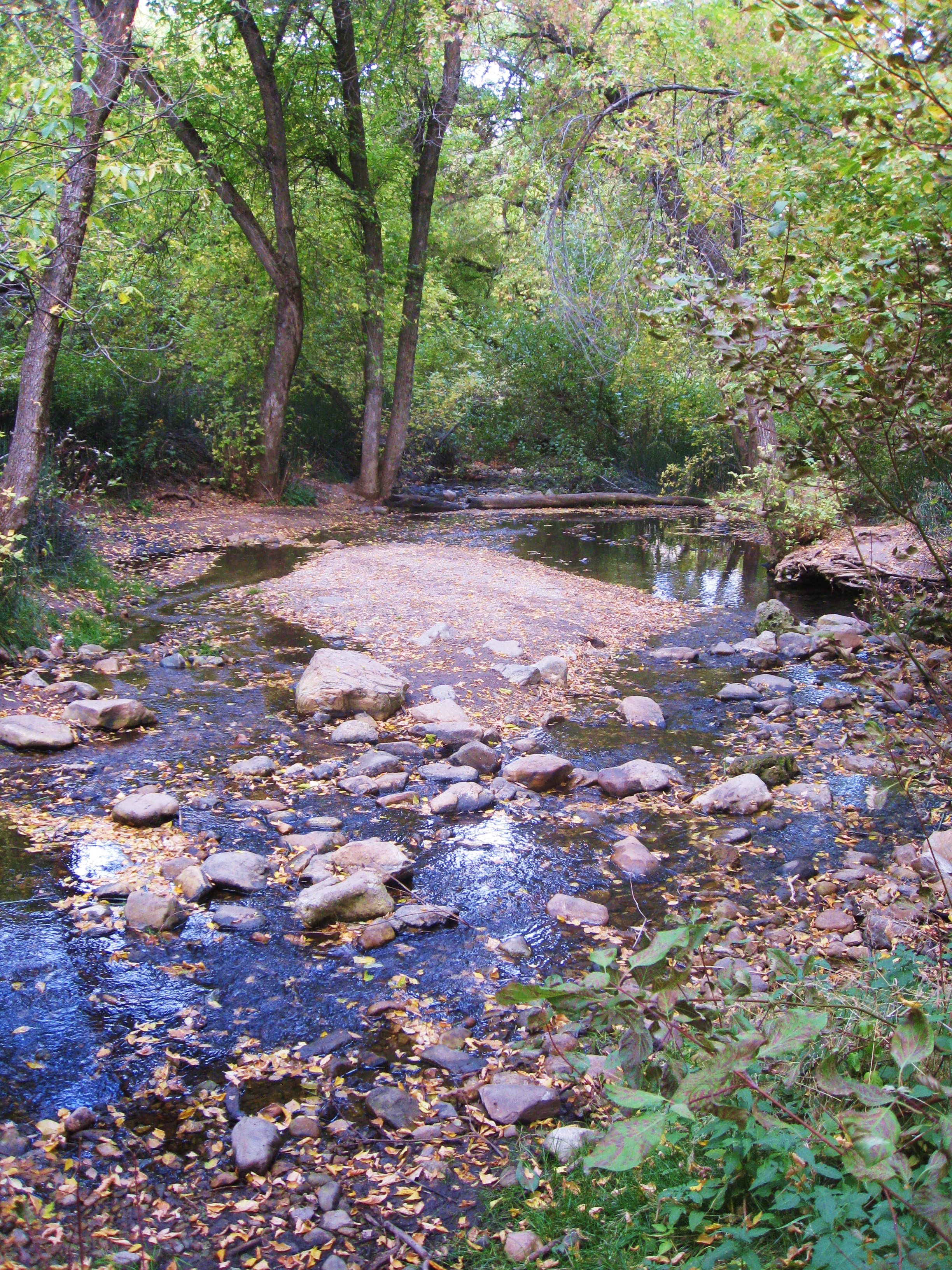
One of the many small creeks, fed by snowpack, that flow down from the mountains in Sardine Canyon. -- Photo by Pat Bean

I’ve driven Sardine Canyon many, many times since. And having an inquiring mind, I asked: “How did the canyon get such a fishy name?”

Nobody knew.

The most common guess was that travelers to the valley had sardines for lunch and left the cans along the way as trail markers. Coming in second was the suspicion that it had been named because of the small fish that packed the canyon’s creeks.

And then came the knowledge that the canyon everyone referred to as Sardine was actually Wellsville Canyon – and always had been.

Sardine Canyon, which the settlers actually did use, is located south of Wellsville next to Mount Sterling. Even those who know this, however, continue to call the larger canyon Sardine. Perhaps it’s because, fishy sounding or not, the name still carries more romance in its character than plain old Wellsville.

Whatever name it goes by, this Northern Utah canyon route, also called Highway 89/91 is awesome to drive. If you every get to do so, hopefully it’ll be a sunny day.

Bean’s Pat: frizztext: Aurora Borealis http://tinyurl.com/6uq7hmx I’m a suck for aurora borealis photos. Seeing one in person is high on my To-Do list.


 “Gratitude is a quality similar to electricity: it must be produced and discharged and used up in order to exist at all.” William Faulkner

Travels With Maggie

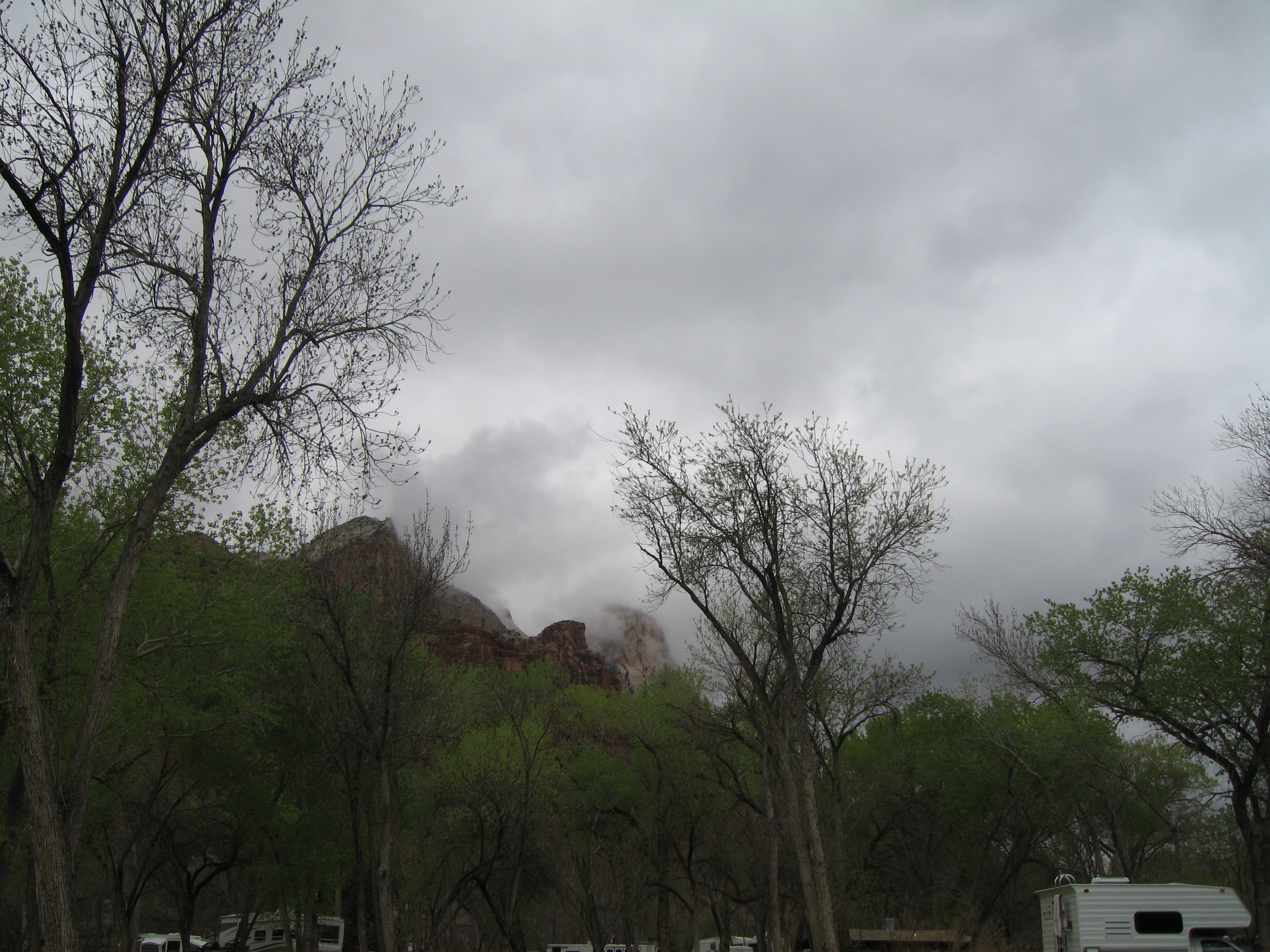
A misty morning in Zion National Park also let my imagination roam free. -- Photo by Pat Bean

When I stepped outside with Maggie this morning, the landscape was heavy with wet, gray fog. It felt like I had stepped back in time to the Land of the Lost. My imagination could even picture a dinosaur emerging from between the two large, moss-laden live oak trees that sit in the park across from where my RV is parked. The fog was that thick.

I was glad it was just my imagination that took me back in time because I am most grateful for the age in which I was born.

I first thought about this when I heard the story of my mother almost dying from diphtheria, a disease that took many children before the 20th century was out of its teens. If not diphtheria, then it was polio, measles or even mumps, all diseases for which there are now vaccines. It was a rare family back then that didn’t lose at least one child.

The thought of that, after I had my own children, was just too horrible to think about.

As the years went by, the miracle of vaccines was joined by the miracle of automatic washing machines to replace the scrub boards and wringer washers which I saw my grandmother and mother use every Monday.

Other time-saving devices freed women even more, well until they joined the work force and found themselves, at least the women of my generation, both bringing home the bacon and continuing as full-time homemakers without help.

Lake's End Park, Morgan, Louisiana: The landscape and cormorants here have a Lost World look about them. Don't you agree? -- Photo by Pat Bean

Thankfully, my granddaughters won’t put up with male partners who don’t change diapers or wash at least a dish or two.

The past 10 years, meanwhile, have brought another modern miracle. The Internet.

While I lived my life mostly without it, I can’t imagine going back to such a time. I love being connected to the world, being able to find an answer to a question within minutes and the new friends it’s brought me.

I try, each day, to find something to be thankful for in my life. Today, I’m grateful it was only my imagination that took me back to a time before labor-saving devices, vaccines and of course Gutenberg’s invention of the printing press and plentiful books to enrich my life.

What do you value most that your ancestors didn’t enjoy?

Bean’s Pat: Portrait of Wildflowers: Seasonal Leaf Color http://tinyurl.com/82gq8np Everything you ever wanted to know about wildflowers. This is a great blog for someone like me who wants to know the name of everything in nature.

The Victory-Lap Years

 “Victory is won not in miles but in inches. Win a little now, hold your ground, and later, win a little more.” Louis L”Amour

While I haven't taken a walk through Alaska's wilderness, I have driven the Top of the World Highway past Chicken. It was an awesome drive. -- Wikipedia Photo

Book Talk

I just finished Lynn Schooler’s “Walking Home,” a true story about Alaska, Mother Nature’s fierce side, a crippled grizzly bear that wanted to eat a human, and coping with loss.

Lynn survived the bear, plus a raging creek, and heart-wrenching, although self-imposed, solitude – I’m not giving away the ending because of course he had to survive to write the book – with the comment that his next adventure might just be a drive in a rented car around Hawaii.

“Why not? I am fifty-five years old; they are all victory laps now.”

He said a whole lot more that resonated with who this wandering/wondering, nature-loving old broad is, but that comment made me laugh with joy. I’m 72 years old so certainly my life is now nothing but victory laps. It’s fun to think of it that way.

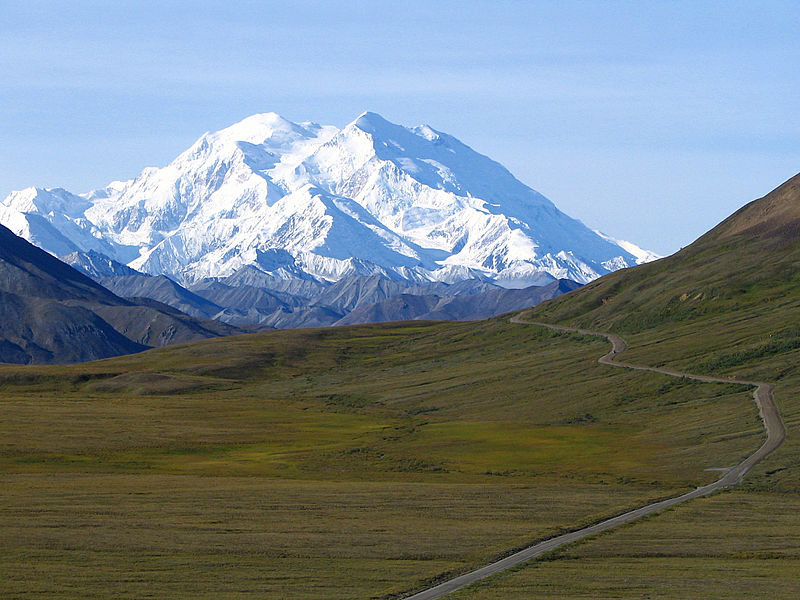
And I spent all day in a bus traveling this road in Denali National Park to Wonder Lake. Mount McKinley, shown above, hid behind the clouds for most of that day. -- Wikipedia photo

Lynn said it after surviving an awesome environment that suddenly turned mean and realizing that his wife no longer wanted to be with him.

His book, one of those slow-reading ones so you have time to ponder the words, made me think of the things I had survived. While nothing so deadly as Lynn’s adventure, I had survived my own marital breakup, teenage-children with rebellion in their makeup, 37 years as a journalist and even being thrown out of a raft in the middle of a raft-eating rapid on the Colorado River as it flowed through the Grand River.

These are indeed my victory-lap years. Thanks Lynn for allowing me to think of them this way.

Bean’s Pat: Everywhere Once: American Safari http://tinyurl.com/7932lx2 Who said you had to go to Africa to be on safari?


 “Finding beauty in a broken world is creating beauty in the world we find.” – Terry Tempest Williams

Travels With Maggie

Yellow-headed blackbirds are common sights at the Bear River Migratory Bird Refuge. -- Photo by Pat Beans

I first visited the Bear River Migratory Bird Refuge east of the Great Salt Lake in Northern Utah in the 1970s. It was lush with vegetation and full of twittering birds.

Then came the early 1980s, when the lake reached a historical high and its briny waters took out roads, causeways and buried the refuge. It killed all the sanctuary’s green-growing plants and took out the visitor center as a warning of Mother Nature’s fickleness. .

It took a long time for the refuge to recharge itself, a period in which Terry Tempest Williams wrote “Refuge,” a book published in 1991 that was written when Williams’ mother was dying. The book weaves the landscape of the refuge and nature into a tangled web with the author’s struggle to come to grips with her own life. A very good read, in case you’re interested.

Another common refuge inhabitant is the snowy egret. -- Photo by Pat Bean

Since both the refuge and I existed at that time in the shadows of the Wasatch Mountains, the refuge drew me to it – often. I enjoyed its quiet sanctuary from the chaotic and stressful world of journalism, and also wrote about the refuge’s recovery for my newspaper readers.

I still vividly remember the first green-growing thing that returned. It was pickleweed, a salt loving plant that would help heal the soil for other plants. Those tiny nubs of green poking up seemed like a miracle.

Today, the refuge,is once again lush and a thriving habitat for birds and other wildlife. It’s there for anyone willing to endure a drive down a 10-mile, bumpy unpaved road from Interstate 15.

Maggie and I’ve driven the slow-going, rough miles several times in Gypsy Lee, who shakes, rattles and rolls over the bumpier spots. She’s used to such detours, however, and so far has not complained.

For those less passionate nature lovers, there is now a new Visitor’s Center just a few hundred yards off the freeway. It was built there instead of on the refuge proper just in case Mother Nature decided to get a wild hair again.

It’s really a nice center, with a created wetlands through which a boardwalk winds to give visitors a chance to see Mother Nature at her best. If you’re ever in Northern Utah, you might like to check it out. Perhaps you’d even like to take the 10-mile bumpy drive.

Bean’s Pat: Travel Photography: Most Unexpected Rainbow http://tinyurl.com/867pogm Have you ever seen a full rainbow? I haven’t. But this photographer did.

“It is our task in our time and in our generation to hand down undiminished to those who come after us, as was handed down to us by those who went before, the natural wealth and beauty which is ours.” – John F. Kennedy

A Family of Tundra Swans

A family of Tundra Swans at Bear Lake National Wildlife Refuge in Southeast Idaho. -- Photo by Pat Bean


Bean’s Pat: Chicks With Ticks: Stream of Consciousness http://tinyurl.com/6rkn8ss All about the chicks and their passion for Mother Nature’s wilder side. .

 “Learn from yesterday, live for today, hope for tomorrow.” – Albert Einstein

 Mesa Falls, Idaho

What better way to say hope than with a rainbow. -- Photo by Pat Bean

Bean’s Pat: Life in the Bogs: A Raptor Visitation http://tinyurl.com/7hk4jrm Great blog, great photos every day. But this inquiring mind wants to know if this is a Cooper’s or juvenile northern goshawk.

 “Life begins at the end of your comfort zone.”–Neale Donald Walsch

Here’s How It All Began

Balcony House: Mesa Verde National Park, Colorado. Not only have my travels taken me all across the country, they have also taken me back in time. -- Photo by Pat Bean

It was a sunny day in 2004, just three weeks before I would retire from a 37-year career as a journalist, when I drove a brand new RV off an Ogden, Utah, sales lot. It felt like the butterflies in my stomach had developed thorns on their fragile wings.

Everything that had been a part of my past life was about to change. I had just blocked off all chances of remaining rooted in my small, but cozy home that sat in the shadows of the Wasatch Mountains I loved. There simply was not enough money in my future to both fulfill my lifelong dream of living and traveling on the road while maintaining fixed roots within a circle of friends that had taken over 20 years to acquire.

This day I had not only chosen the unknown road that lay ahead, but had wrapped my choice in cement. I had even traded in my Honda Odyssey as part payment for the undersized, 22-foot RV that was now my only form of transportation, and soon would be my only home.
By the time all the paper work giving me title to the 2004 Volkswagen Vista/Winnebago had been scrutinized, signed and finalized, it was early evening. I was too unsettled to take my purchase for a check-out spin. So, feeling tall and strange sitting behind the wheel with my new living, dining, sleeping, cooking and bathroom facilities behind me, I drove home. Emotional turmoil, good or bad, always sapped my energy.

When Maggie and I began our travels, her muzzle was still solid black. -- Photo by Pat Bean

On carefully pulling into my driveway, testing the wideness needed to turn my new RV, I heard frenzied barking from inside the house. It was how my dog, Maggie, reacted to the sound of strange vehicles invading her territory. She never barked when I returned home, nor did she at any of my frequent visitors. But she did not recognize this new vehicle.
When I opened the door, Maggie gave me a quizzical look of surprise. Then, realizing in a split second that something new was parked in the driveway, she dashed between my legs and ran out to explore.

I opened the RV’s side door and she eagerly hopped in. She slowly sniffed every surface she could get at, then finally hopped up onto the couch and gave me a look that I easily interpreted as: So where are we going? To explore America, the beautiful, I reply. I always answer my dog’s inquiring looks. .

And that’s how my travels with Maggie began. It’s been a journey that’s covered over 125,000 miles and heading into its eighth year.  I have nary a regret.

*This post was published today as part of Story Circle Network’s One Woman’s Day blog at: http://tinyurl.com/5tevft5  

Bean’s Pat: Birding on the Cheap: Rio Grande Valley http://tinyurl.com/riograndebirds Great birding blog with photos about a  place to escape for the winter.

“If it keeps up, man will atrophy all his limbs but the push-button finger.” – Frank Lloyd Wright

I found Estero Llano State Park in Welasco, Texas, the old-fashioned-way, with a map. I'm not sure how the anhinga found its way here. -- Photo by Pat Bean

Travels With Maggie

I was in Dallas, returning from taking my daughter to work so I could use her car for the day. All I had to do to get back home was follow the GPS map installed on the dashboard of her Toyota Highlander.

But I decided I wanted to get a different view of the map. Silly me. As I’m sure you have already guessed, I pressed the wrong button and lost everything on the screen — and couldn’t get it back.

Because I had depended solely on the GPS to get me from one place to the next, I was confusingly lost with morning rush-hour traffic zooming all around me.

I was fortunate that I eventually came to a landmark I recognized and, although it took an extra 40 minutes, I did eventually get back to my daughter’s house.

I then used a map, and my own handcrafted cheat-sheet of right and left turns, to complete the day’s errands and to find my place back to pick up my daughter from work later that day.

The truth is that I’ve had to be pulled, while screaming, into most technological changes. I was one of the last to finally get a cell phone, and it was only this past Christmas, and only because it was a gift from my son, that I got a “smart” phone.

On the other hand, I was one of the first to get a home computer. After using one at work to write my newspaper stories, I found using a typewriter for my personal writings impossible.

Without GPS, Monarch butterflies, like this one I found at Quintana Neotropic Bird Sanctuary on Texas' Gulf Coast, migrate annually between Mexico and Canada, although it may take three generations to complete the journey. -- Photo by Pat Bean

My first computer didn’t even have a hard drive. Everything ran from floppy disks. And the word-processing program on it came with a black screen and green type, or you could make the type orange.

Today, I can’t imagine life without my computer and the Internet. Such a thought sounds barbaric.

Ditto life without my Kindle, which was also a gift and which I’ve now had for a year. I thought I would miss the feel of a real book in my hand, but I haven’t. I think the fact I can be reading almost any book I want almost instantly is a miracle – well until I discover how much I’ve spent at Amazon each month.

I still haven’t got a GPS, however. My canine traveling companion, Maggie, and I still use maps, albeit it computer ones, to find our way across the country.  It seems a GPS might be as difficult for me to use as an electric can opener, which is why I still use a manual one. 

But I’ve got a Twitter account, maggieandpat. And when I announced it, my oldest granddaughter laughed and said: “Who would have thought it would take my Nana to make me get a Twitter account?” 

Her comment made this wandering/wondering old broad feel young – well at least until a pain in one of my joints announced a change in the weather.

Bean’s Pat: Vimeo: My Friend Maia by Julie Warr http://vimeo.com/31733784 A video to inspire all us old broads, and perhaps those still young among us, too.