Feeds:
Posts
Comments

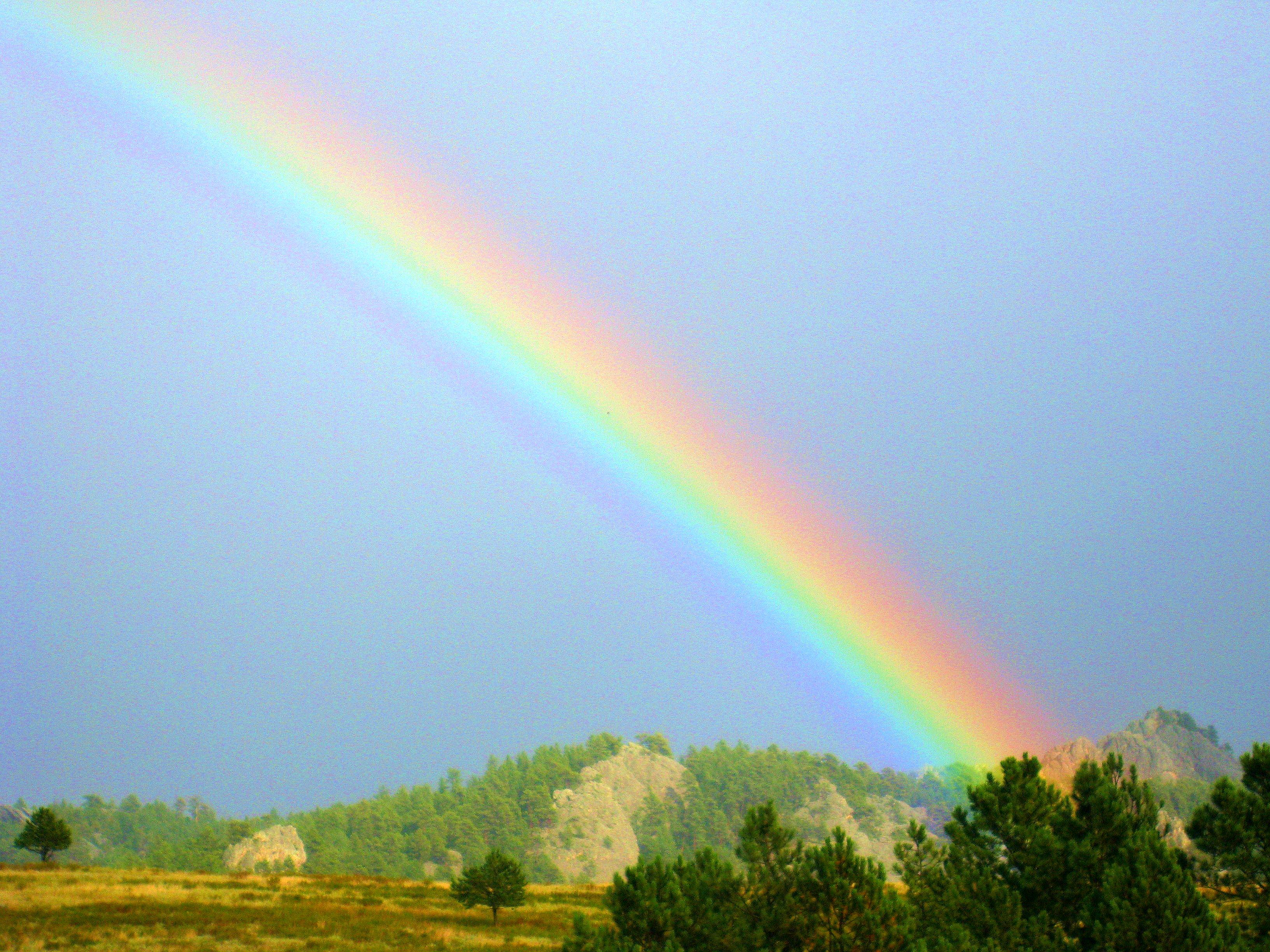
“Every man is a creative cause of what happens, a primum mobile with an original movement.” — Fredrich Nietzsche

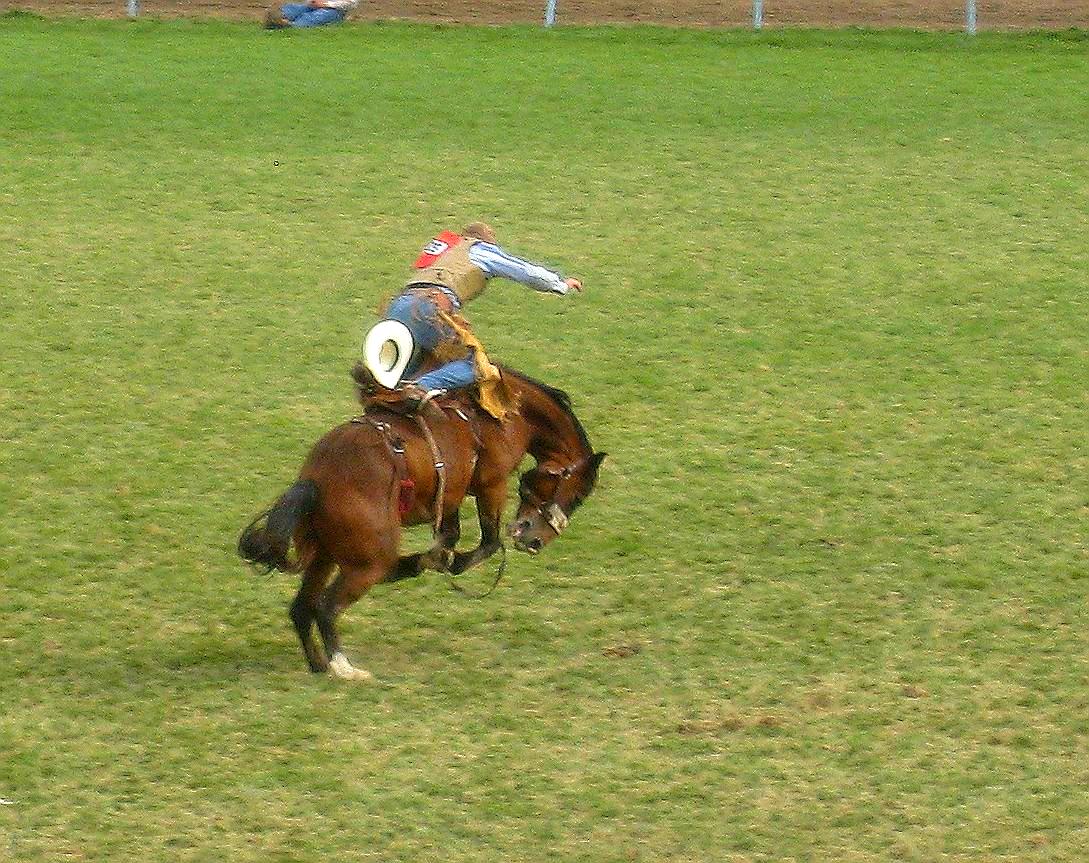
 Pendleton Roundup

Yeehaw! — Photo by Pat Bean

“Never confuse movement with action.” — Ernest Hemingway

I think you could call this movement. — Photo by Pat Bean

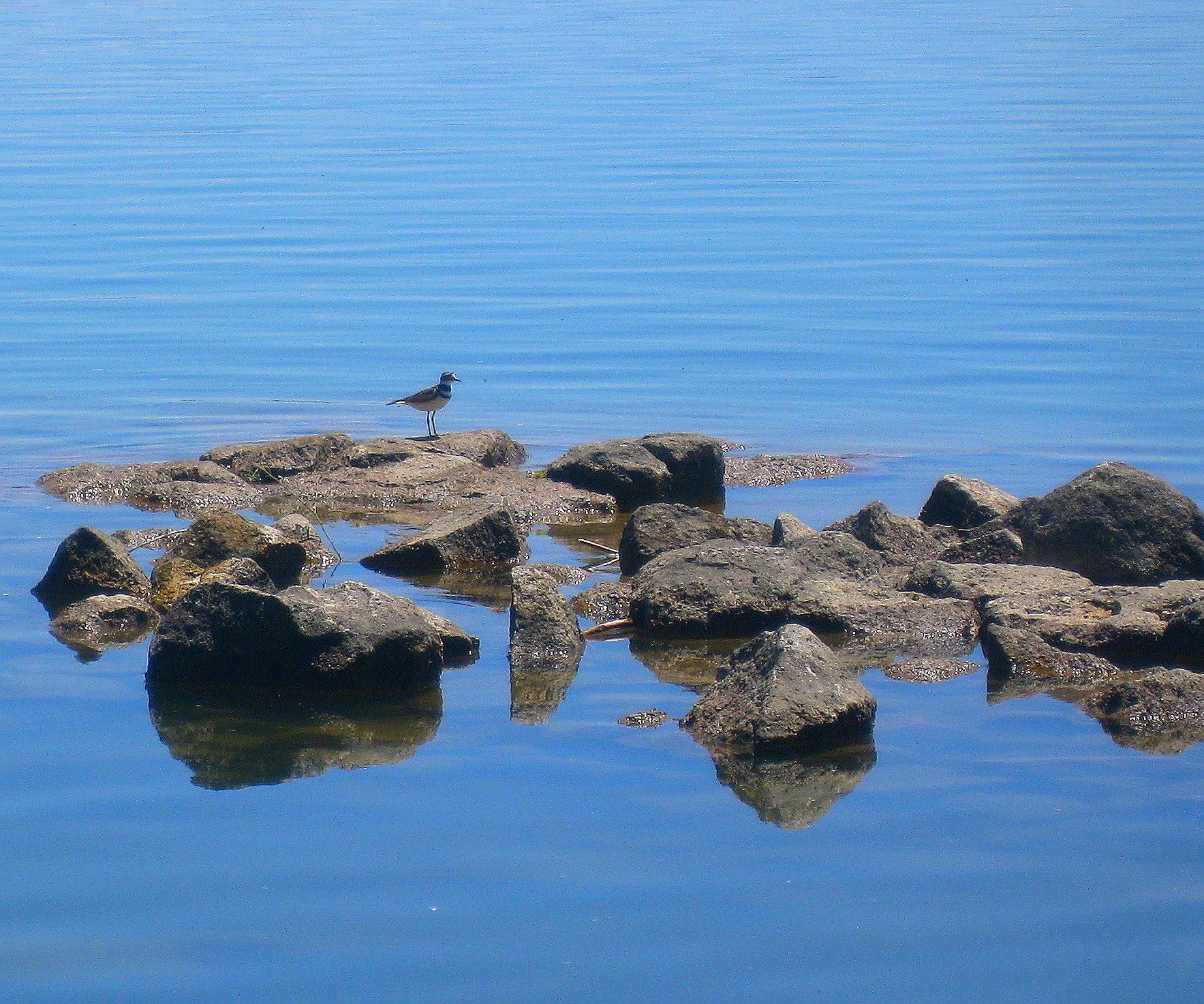
“The least movement is of importance to all nature. The entire ocean is affected by a pebble.” Blaise Pascal


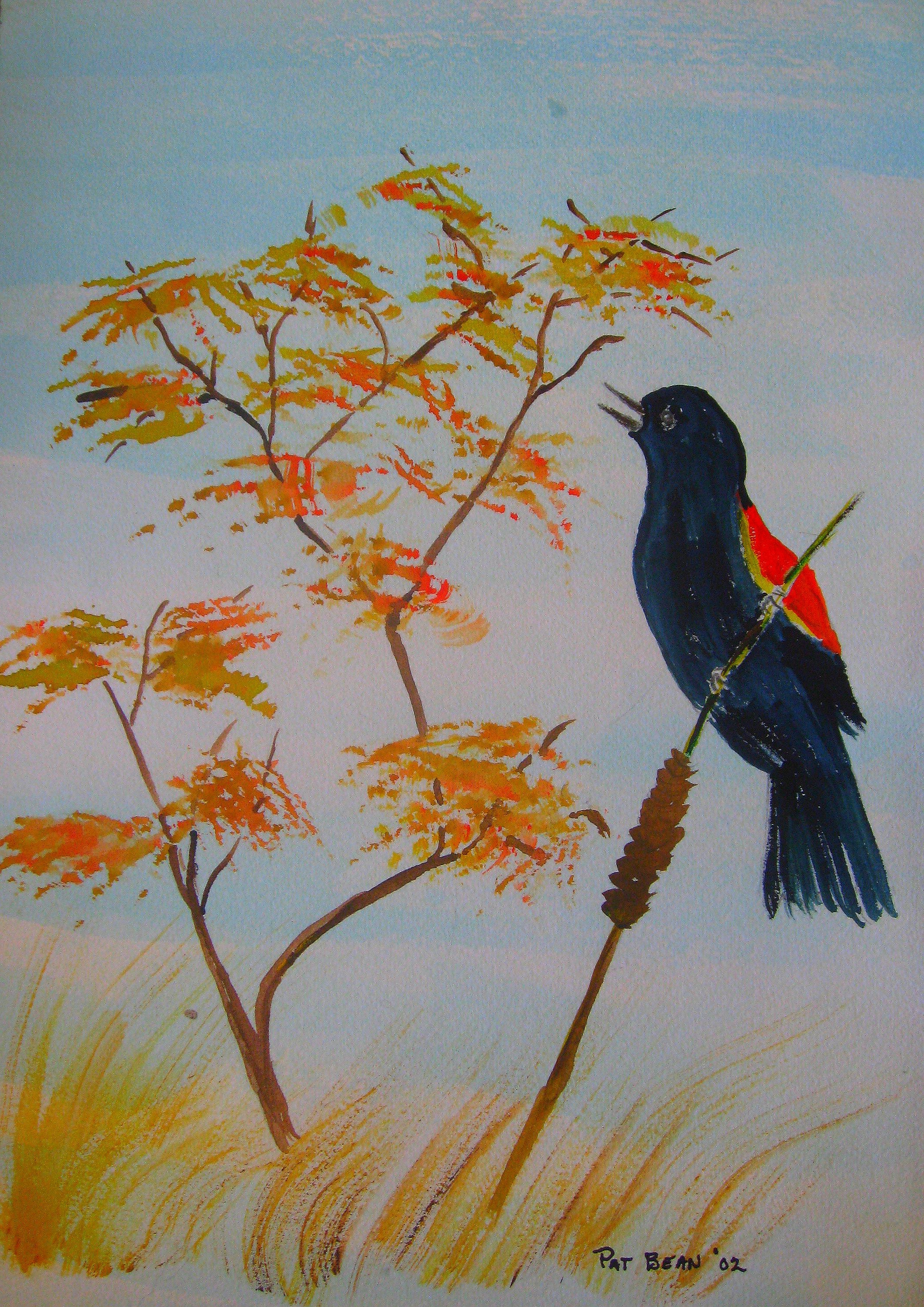
Fall sketch of red-winged blackbird at Antelope Island State Park in Utah

“Identity would seem to be the garment with which one covers the nakedness of the self, in which case, it is best that the garment be loose, a little like the robes of the desert, through which one’s nakedness can always be felt, and sometimes, discerned.” James Arthur Baldwin.

One Thing Is Not Like the Other

Female red-winged blackbird — Wikipedia photo

Back in my earlier days of bird watching, I came across a small flock of birds at Green River State Park in Utah that I spent an hour, field guide in hand, trying to identify. They just didn’t quite fit the description of any North American bird, or so I was coming to conclude.

And then a lone male red-winged blackbird flew past – and the light bulb came on. My flock of birds were female red-winged blackbirds. It wasn’t that I hadn’t seen them before, I had just forgotten how unlike their mates they look.

You can find red-winged blackbirds anywhere you live here in North America.

Here at Lake Walcott State Park in Idaho, the males flash their scarlet epaulets boldly, saying look at me, look at me. The females, however, mostly stay hidden in the reeds growing on the lake bank, where they build their nests, in hopes they won’t be seen.

The show-off male — Wikipedia photo

It’s a rare day here at the park that I don’t see both birds, the females because I know where to look, and the males everywhere I look.  This morning one was even checking out the fresh supply of sunflower seeds I had put in my bird feeder.

Life doesn’t get much better.

Bean’s Pat: Lady Romp http://tinyurl.com/cekabj8 A message we all need to remember. Blog pick of the day from this wandering wonderer.

 “Freedom has its life in the hearts, the actions, the spirit of men and so it must be daily earned and refreshed – else like a flower cut from its life-giving roots, it will wither and die.” – Dwight D. Eisenhower.

A Page From My Journal


“All the great things are simple, and many can be expressed in a single word: freedom, justice, honor, duty, mercy, hope.” – Winston Churchill 

Bean’s Pat: Serenity Spell http://tinyurl.com/87qcugr Great great-blue heron photos. Blog pick of the day by this wandering wonderer.

This and That

 An educated person is one who has learned that information almost always turns out to be at best incomplete and very often false, misleading, fictitious, mendacious – just dead wrong.” – Russell Baker

Did You Know?

It was Fred and Wilma Flintstone who were the first television couple to be shown together in the same bed. I didn’t know that. Did you.

It’s my goal to learn something new every day, whether it is learn-worthy or not. These facts I came across either amazed me or tickled my funny bone. So I thought I would share.

1. The first toilet tank ever seen on television was on “Leave it to Beaver.” I think I missed that.

2. In Singapore, it is illegal to sell or own chewing gum. because people disposed of it in public places, like under tables or chairs. No problem, I don’t chew gum.

3. To burn off the calories from one M&M candy, you need to walk the full length of a football field. Oops. Problem here. My guess is there are not enough football fields in the world for this chocoholic.

That’s a lot of football fields to be walked.

4. But at least, a Harvard studys says chocolate eaters live longer.

5. Pepsi Cola was originally called Brad’s Drink. Interesting, but I prefer Coke — and I want to know why the Coke I drank in Africa tasted better than it does in this country. My best guess is that it was because it came in a class bottle and contained real sugar instead of corn syrup.

6. A baby has 300 bones, but an adult only has 206. Huh?

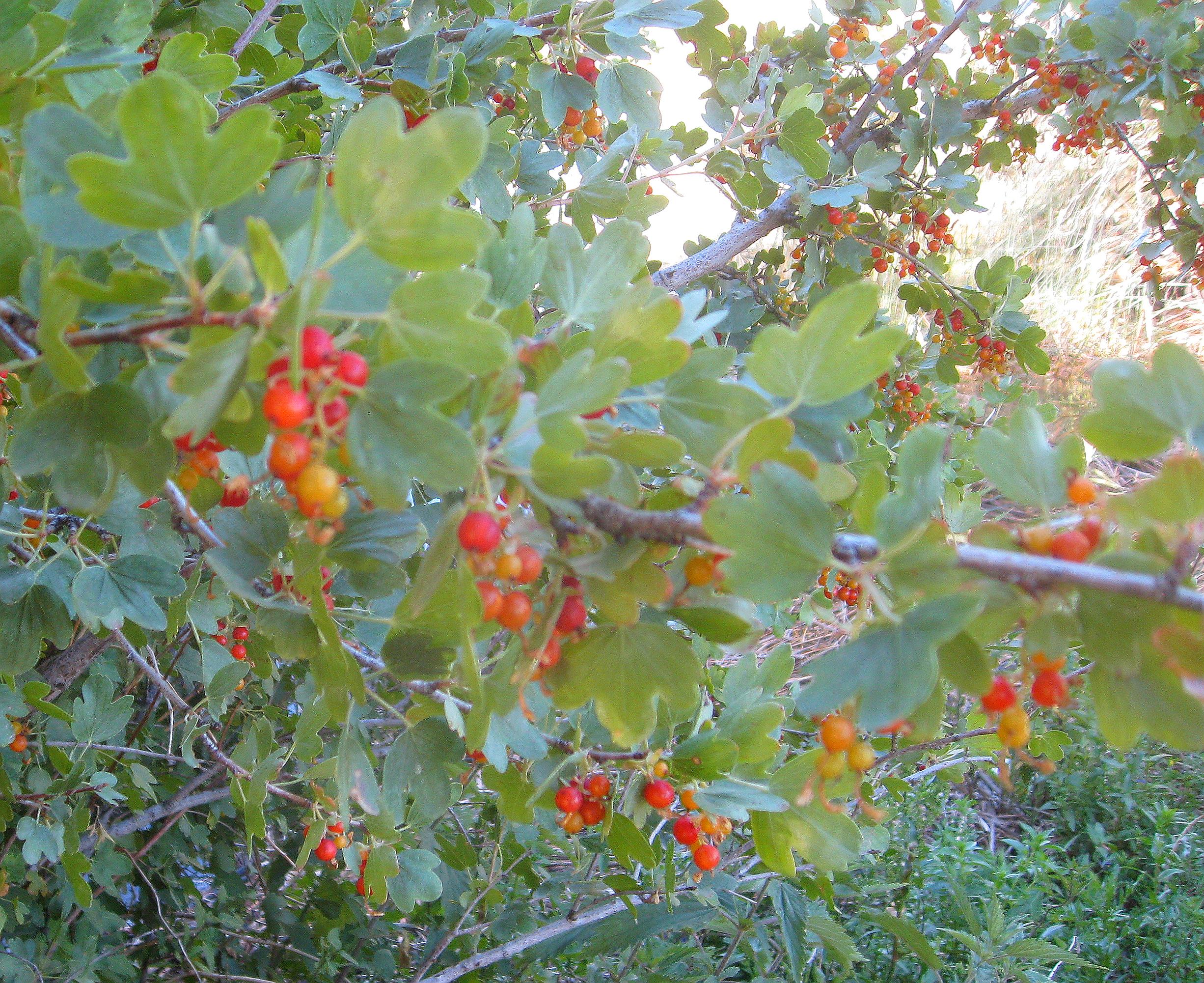
Anybody else out there think these are gooseberries? — Photo by Pat Bean

7. The first couple to be shown in bed together on prime time television was Fred and Wilma Flintstone. I thought it was the Bradys.

8. A hippopotamus can run faster than a human – no one told me that when I was in Africa and a hippo was roaming around our tent.

Oh, and by the way. I think my unidentified berries ( June 28 blog) are gooseberries. A reader identified them as such, and after looking at photos I agreed. Do you?

Bean’s Pat: Meat and Potatoes of Life http://tinyurl.com/bs6ckop How to catch a crab. I thought I’d keep to the theme of learning something new. And please keep laughing. I think it’s even better for your health than chocolate.

Butterflies

“To photograph is to hold one’s breath, when all faculties converge to capture fleeting reality. It’s at that precise moment that mastering an image becomes a great physical and intellectual joy.” — Henri Carier-Bresson

One has only fleeting seconds to capture the image of a butterfly before it is off to the next flower. — Photo by Pat Bean

 “The best thing about dreams is that fleeting moment, when you are between asleep and awake, when you don’t know the difference between reality and fantasy, when for just that one moment you feel with your entire soul that the dream is reality, and it really happened.” — Unknown

“Accept that some days you are the pigeon, and some days you are the statue.” – David Brent.

A Poem for a Bird-Watching Artist

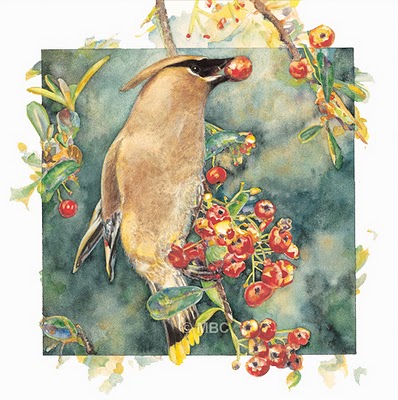
John James Audubon’s painting of a cedar waxwing.

She called herself an SOB – Spouse of Birder. It was a humid, hot mosquito day and she had tagged along with her passionate birder husband – and wasn’t enjoying herself at all.

I felt sorry for her. We avid birders really are a queer lot, as poet Stephen Vincent Benet noted in the 1800s. In our passionate pursuit of the next bird we’ll see, we forget that not everyone enjoys spending the day in a buggy swamp, or likes to get up at 3 a.m. to hike to a place so they can see a red-cockaded woodpecker at dawn, or stand patiently for hours in hopes a rare bird will appear.

The SOB finally went off and found a comfortable spot to read, while we birders continued down the trail this day at Brazos Bend State Park in Texas.

A second painting of cedar waxwings by John James Audubon

It wasn’t either hot or buggy yesterday morning, however, when I spotted my first cedar waxwing here at Lake Walcott. This bird with its rakish mask and lemon-yellow, rosy-brown and cool-gray feathers is always a treat to spot.

The waxwing, the first of many I’m sure I will see before I leave the park, was sitting on a limb in plain sight of the trail, which my canine traveling companion, Pepper, and I were taking for our first walk of the day.

I had my camera in my pocket, but my the time I got Pepper under control on the leash, and was ready to snap a photo, the bird had flown. Drats. I was left without a photo for my blog.

Back at my RV, I put my thinking cap on and came up with the idea of using John James Audubon’s painting of a cedar waxwing to illustrate my words. I typed in Audubon and waxwing and hit search. Up popped Benet’s poem titled, John James Audubon, which is what got me thinking about the SOB incident.

 “The beginning of wisdom is to call things by their right names.” – Chinese proverb

Well What Are They?

I haven’t a clue as to what these berries are. Do you? — Photo by Pat Bean

I was sitting at my computer when Pepper jumped up from her cozy spot on my bare feet and started barking frantically.

Somebody, perhaps the tenth person this day, was approaching my RV. I glanced outside to see who it was, then hushed Pepper and told her it was OK.

I never scold her for barking because I like having her as my alarm system, even if her barks are sounded frequently, which they are. People, noting the campground host sign in front of my Lake Walcott RV site, stop by often.

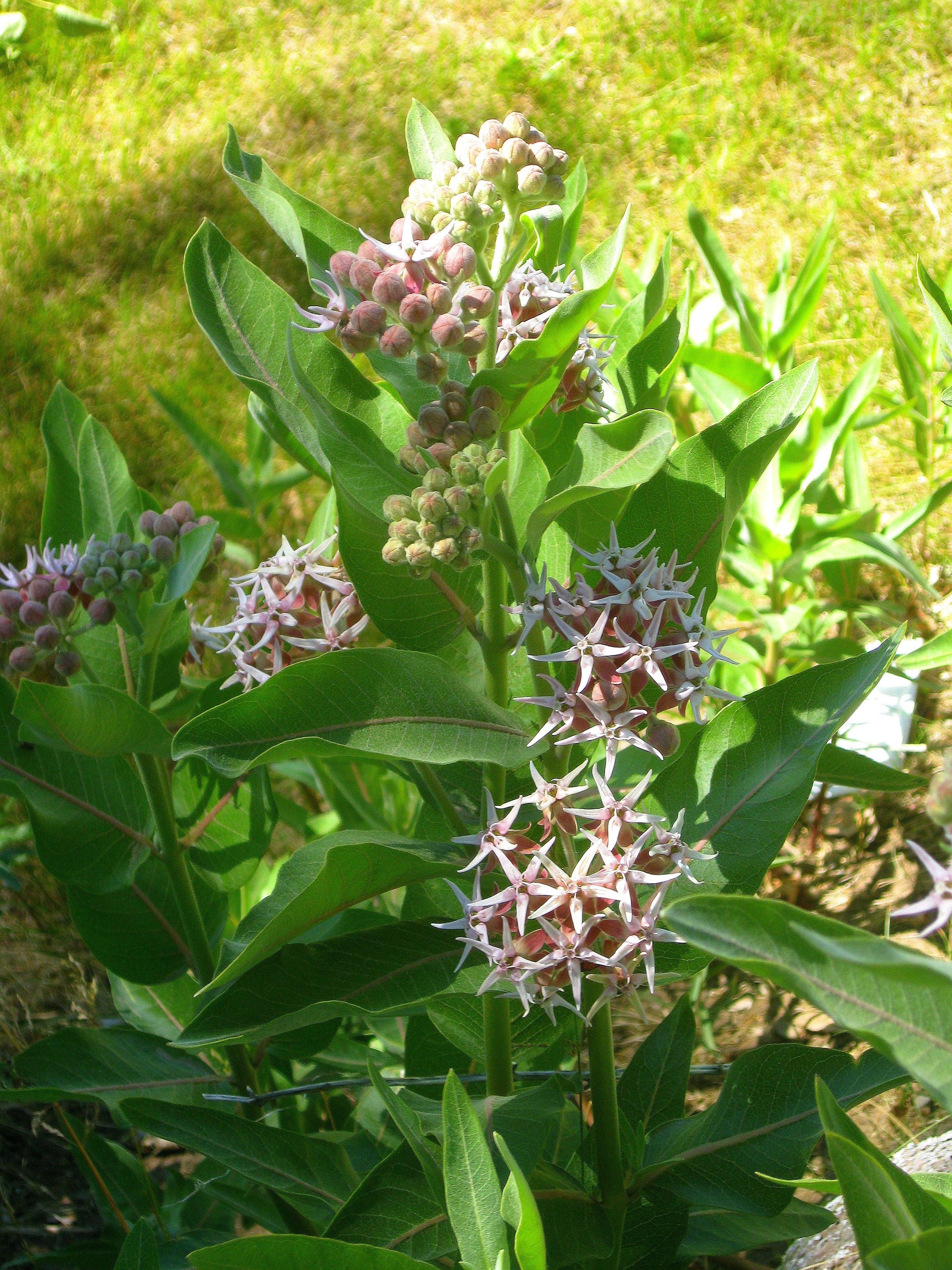
But I do know that this is a milkweed. I learned its name last year in my searches to identify Lake Walcott plants. It’s a special favorite of butterflies. — Photo by Pat Bean.

I’m pretty good at answering most questions about the park, including its history and what facilities and activities are available. This, after all, is my third year as a volunteer here.

Sometimes the campers ask me to identify a bird they just saw. This is my favorite question because I can almost always answer it. With the exception of the sharp-tailed grouse, every bird species found here at the park is on my life birding list.

This guy, however, had a plant question.

“Are these huckleberries?” He was holding up a twig with berries from a bush that I had spotted earlier in the day – and photographed because I wanted to know what kind of berries they were myself.

Sadly I hadn’t been successful in identifying them, and had to tell him I didn’t know. I do so hate disappointing campers. Perhaps one of my readers is as avid a plant enthusiast as I am about birds and can tell me. See picture above.

Bean’s Pat: Serenity Spell http://tinyurl.com/87qcugr A young great blue heron’s meal. Great photos. Blog pick of the day by this wondering wanderer.

 “Every person is the creation of himself, the image of his own thinking and believing. As individuals think and believe, so they are.” –Claude M Bristol

A Little Bird Said Otherwise

After cropping, sharpening and enhancing the photo of a yellow-headed blackbird I took at Lake Walcott State, this turned out not to be too bad a shot. Most of my bird photos don’t come out half as good. — Photo by Pat Bean

When I was young, slender, wrinkle and sag free, I thought I was ugly. Today, I look at pictures from my past and realize, while perhaps not beautiful, I was pretty damn good-looking. And I have a few minutes of regret that I didn’t appreciate it way back when.

Today, I’m overweight, with a flabby soft belly and crow lines – I prefer to call them laugh lines – all over my face. And I’ve come to love my body because it has given me years of good service and is still going.

Lately, I’ve been thinking I’m a horrible artist. Nothing turns out like I imagine it in my head. What got me thinking about this was my inability to take decent bird photos. Of course that’s my choice. I’m a writer, not a photographer.

No. 1, don’t want to invest in the equipment necessary to capture birds in their rare moments from a distance. And No. 2, I don’t want to spend a lot of time looking at the world from behind a lens, which is what photographers have to do, and hopefully love to do as much as I love to write.

While not heavily detailed, I decided I also liked my artistic interpretaion of the yellow-headed blackbird. Perhaps I will use more of my bird art to go with my blog in the future. — Illustration by Pat Bean.

So why not, I’ve been asking myself for a couple of years, illustrate my bird blogs with some of my art work. Because you’re not good enough, my brain tells me. Art is one of my hobbies, and I’ve never wanted it to be more.

But this morning, when I was actually looking for a sketch I knew I had done of a killdeer imitating a broken wing to lead danger away from their nests (which I couldn’t find), because that’s what the killdeer here at Lake Walcott have been doing ever since I arrived here, I re-evaluated my bird art.

While I’m certainly never going to give professional artists cause for concern, my quick sketches and watercolors weren’t all that bad. It was like taking a second look at photos of myself from the advantage of being an old broad. And I liked what I saw.

Bean’s Pat: http://www.geezersisters.com/ About West Texas, where evidently there are no possums. Great web site. Blog pick of the day from this wandering wonderer.

Lake Walcott Birds

 “I made a circle with a smile for a mouth on yellow paper, because it was sunny and bright.” Harvey Ball

Bullock’s Oriole and American Goldfinch

Bullock’s oriole. This one was all puffed up on a cold morning. — Photo by Pat Bean

There are two birds I have seen almost every day since I arrived in Southern Idaho, a Bullock’s oriole and an American goldfinch.

The oriole hangs out in an untrimmed area of the manicured park located to the rear of my RV site. Its landscape is dotted with Russian olive trees, sagebrush, a few small cottonwood trees and tall grasses.

In the cool of the evening, when I sit outside with my binoculars in hand, I almost always see an oriole, or two or three, flit about in the foliage, lighting up whichever branch or twig they land on like a Christmas ornament. I often point it out to campers who stop by. Oohs and ahs are the usual reactions.

American goldfinch: Hanging out on a willow tree next to the lake. — Photo by Pat Ban

Competing with the oriole for the golden-yellow award is the American goldfinch. Last year they hung out at the finch feeder bag I put out near my RV, but since I haven’t put that out this year, I usually see them flitting among the shoreline trees near the park’s Upper Lakeview campground.

It’s common, however, for me to spot these two birds just about anywhere in the park. I never tire of seeing them.

Bean’s Pat:: Daily Diversion http://onetrackmuse.com/ One big, odd pig. What’s up in your neighborhood. Blog pick of the day from this wondering wanderer.

Lake Walcott: Birds

 “For me, as for flower and beast and bird, the supreme triumph is to be most vividly, most perfectly alive.” – David Herbert Lawrence

This stalking black-crowned night heron is patiently waiting for its mouse dinner to pop up out of its hole. — Photo by Pat Bean

Black-Crowned Night Heron

A pair of black-crowned night heron have taken up residence in a landscape of reeds, Russian olives and cattails that line the bank of Lake Walcott between the park’s campground and boat dock.

The path between the two is one of those I take on my daily walks with my canine traveling companion, Pepper. Most days, mid-to-late-afternoons, I come up on one of the herons patiently waiting in the lawn area near a rock wall for dinner to appear.

This black-crowned night heron’s dinner is more common. — Wikipedia photo

The gourmet item on this heron’s menu is one of the small mice that make their home among holes in the rocks. The stalking heron is usually so still that Pepper seldom notices it, and so intent on dinner that I get a chance to marvel at its glowing red eye, which stands out vividly from its white and black feathers. .

Most days, unless Pepper sees it and barks and strains on the leash to go chase it, we don’t even disturb it as we pass by,

Although I’ve never seen but one on the manicured lawn, I know there are two because one day I spooked the second one as I passed by the cattails, and watched  as it flew deeper into the reed cover.

A fish dinner, or even a snake one, is a more normal diet for these herons. But their flexibility in food choices is probably one of the reasons these tree-nesting birds can be found on five continents, and why there is no current concern about their numbers.

Bean’s Pat: Dodging Commas http://tinyurl.com/7hfuamp Words for writers. This wondering wanderer’s blog pick of the day.