Feeds:
Posts
Comments

Archive for the ‘Books’ Category

I find it deliciously intriguing that Miranda James is a male author posing as a female author.

I find it deliciously intriguing that Miranda James is a male author posing as a female author.

“After all those years as a woman hearing not thin enough, not pretty enough, not smart enough, not this enough, not that enough  … I woke up one more and thought, I’m enough.” – Anna Quindlen   

And Ain’t It Great

I nearly bust a gut laughing when I discovered that Miranda James, who writes the “cozy” Cat in the Stack mysteries that I enjoy reading, was actually a male author.

Shades of George Eliot and Harper Lee, I thought. George and Lee were just two former female authors who used male pseudonyms for a better chance of getting published and read. Eliot, who was the author of such Victorian era books as “Silas Marner” (1861) and “Middlemarch (1871), was actually Mary Ann Evans; And Harper Lee, author of “To Kill a Mockingbird,” is actually Nelle Harper Lee.

Nelle Harper Lee is awarded the Presidential Medal of Freedom, November 5, 2007 -- Wikipedia photo

Nelle Harper Lee is awarded the Presidential Medal of Freedom, November 5, 2007 — Wikipedia photo

Other early day authors who used male pseudonyms included Louisa May Alcott, who wrote as A.M. Barnard before “Little Women” was published under her own name; The Bronte sisters, who first published under the names of Currer Bell (the first editions of “Jane Eyre”), and Ellis Bell (the first editions of “Wurhering Heights”); and Karen Blixen, who wrote “Out of Africa” as Isak Dinesen.

I guess just as these women writers thought to get more attention as males, author Dean James, AKA Miranda James, realized readers of cozies might be more attracted to mysteries in this category written by a female.

I suspect he’s right. What do you think?

Blog pick of the day.

Blog pick of the day.

Bean Pat: Queen of the Gypsies http://tinyurl.com/p7m4gog I read blogs because of all the trivia I learn. And this one intrigued me. I’ll stop by the next time I’m in Meridian, Mississippi. I love the early-day motorless version of my RV Gypsy Lee, and wondered what it would be like to travel the country in that.

Read Full Post »

  “Often while reading a book one feels that the author would have preferred to paint rather than write, one can sense the pleasure he derives from describing a landscape or a person, as if he were painting what he is saying…” – Pablo Picasso

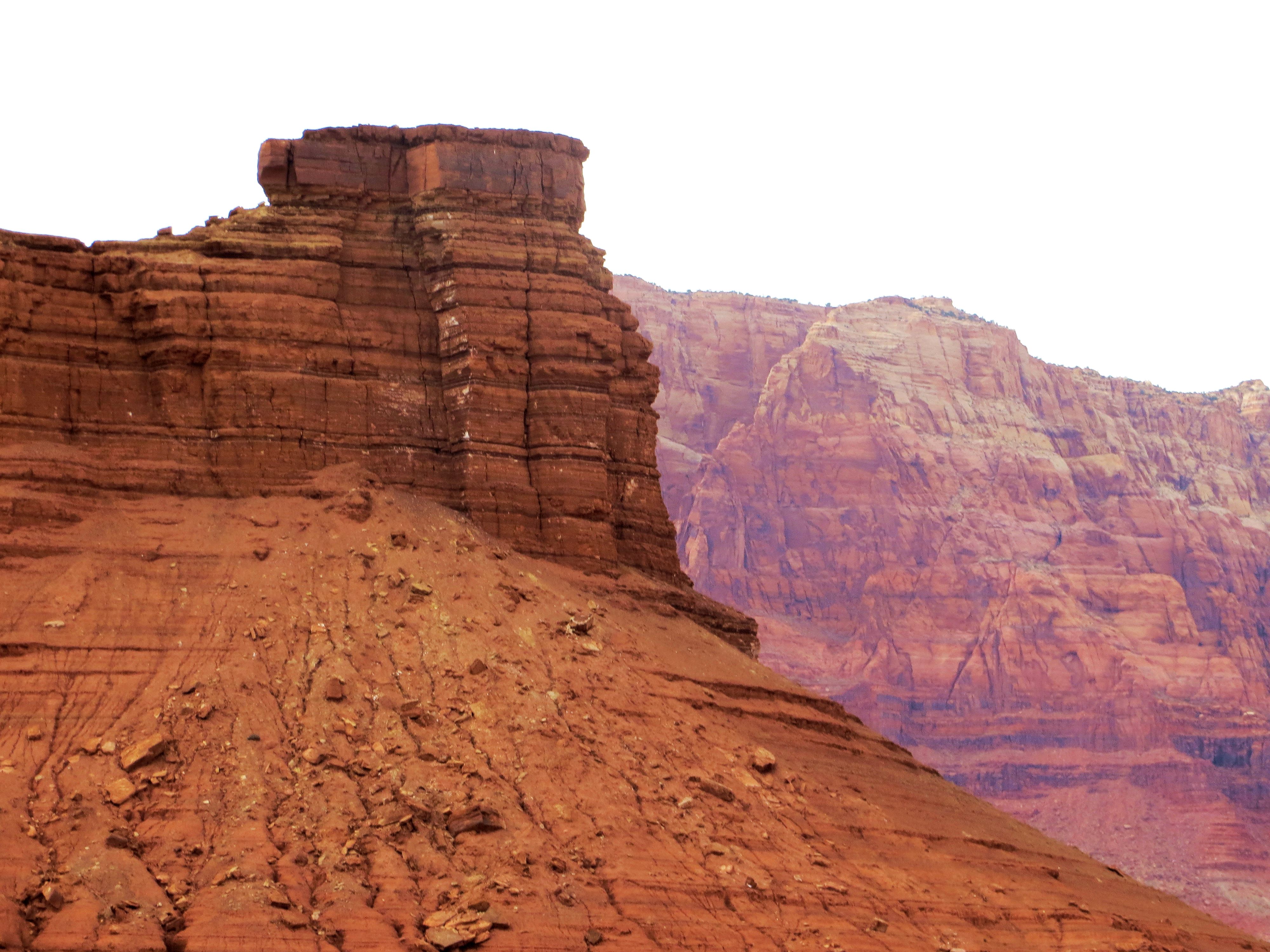
The Vermillion Cliffs in Northern Arizona is part of the Mongollon Rim. -- Photo by Pat Bean

The Vermillion Cliffs in Northern Arizona is part of the Mongollon Rim. — Photo by Pat Bean

The Mongollom Rim

            I don’t quite agree with Picasso’s reasoning. While I do think of painting a landscape when I’m writing, I’m totally satisfied doing it with words. But then finding the right words to let a reader see a specific place never comes easy – at least it doesn’t for me. And reading about a place in a book often never satisfies me.

Oak Creek Canyon, which follows the Mongollom Rim between Flagstaff and Sedona, Arizonia. -- Photo by Pat Bean

Oak Creek Canyon, which follows the Mongollom Rim between Flagstaff and Sedona, Arizona. — Photo by Pat Bean

Take this morning, for example. I was reading a chapter in “The Desert Southwest: Four Thousand Years of Life and Art,” and within a few sentences, authors Allan and Carol Hayes, mention the Mongollom Rim, the 38th Parallel (which of course made me think of the Korean conflict dividing line) and the Tropic of Cancer.

Now while all three terms were familiar to me, I didn’t know exactly how their locations were being used in reference to the American Southwest. Having a mind that must be satisfied, I did a bit of research.

First I found a map that followed the 38th Parallel around the world, and learned that it bisected the United States north of San Francisco, south of St. Louis and south of Washington D.C.

Next I refreshed my memory on the Tropic of Cancer, which bisects Mexico south of the U.S. border, and relearned that it is the circle of latitude on Earth that marks the most northerly position at which the Sun may appear directly overhead at its zenith. This imaginary line is called the Tropic of Cancer because when the Sun reaches the zenith at this latitude, it is entering the tropical sign of Cancer.

So from this, I knew the area referred to in the book was located south of San Francisco and north of Baja California Sur.

I knew more about the Mongollom Rim because of my travels across this country, and knew I had crossed it quite a few times, but didn’t remember exactly where. The rim is the edge of the Colorado Plateau, and often the dividing line between landscapes below 5,000 feet and above 8,000 feet. Pin-pointing the rim on a map, I realized I had recently followed along it when I drove from Phoenix to Flagstaff on Highway 17.

And now you know what my wondering-wandering brain was up to this morning.

Blog pick of the day.

Blog pick of the day.

Bean Pat:  Losing Leroy http://tinyurl.com/pteym6y I once met Leroy. And this blog brought tears to my eyes – but joy, too. My mother

Read Full Post »

“Hard work spotlights the character of people: some turn up their sleeves, some turn up their noses, and some don’t turn up at all.” – Sam Ewing

“Weakness of attitude becomes weakness of character.” – Albert Einstein

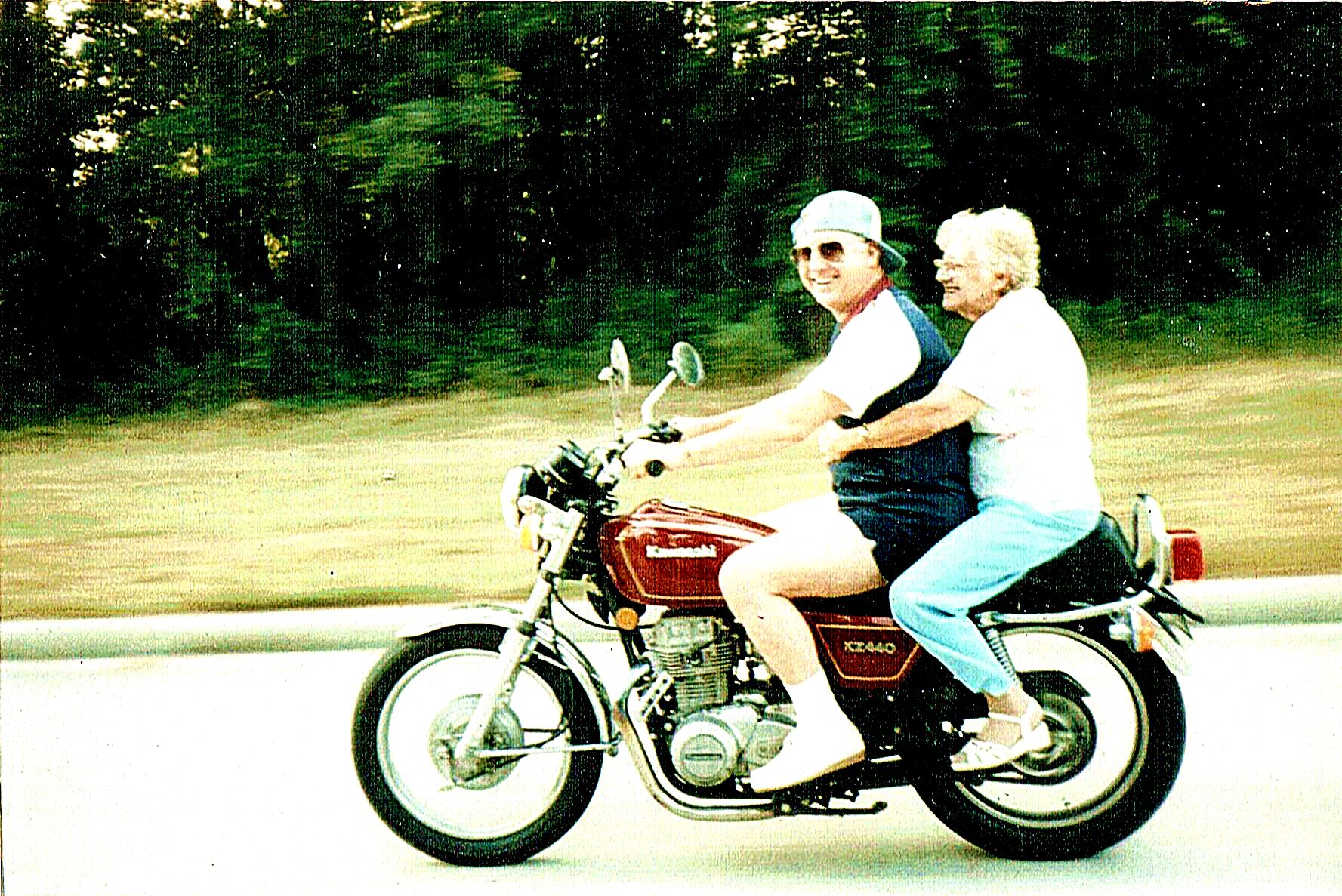
My mother riding on the back of my brother's motorcycle when she was in her 70s. She was a real character, worthy of being a role mode for my fictional characters.

My mother riding on the back of my brother’s motorcycle when she was in her 70s. She was a real character, worthy of being a role model for my fictional characters.

Thinking About Creating Them

Back in my early teen years, I thought the way to be liked was to be nice and smile all the time. And it worked. But over the years, it turned me into a thin character, one whom people may have liked, but gained me little respect.

I love Maxine's character. Don't you?

I love Maxine’s character. Don’t you?

It took my mother, a feisty, plain spoken, quick-tempered, cigarette smoking (until she quit cold turkey at the age of 76 because the “damn” things became too expensive), to make me look at things differently. My kids adored her, and I had to wonder why.

It was her rough edges. And so, while I’m still nice and do smile

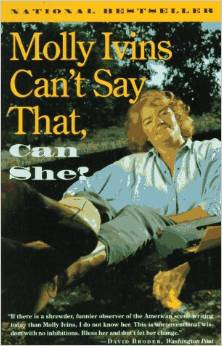
One of my favorite characters was Molly Ivins Now that's whom I would like to grow up to be.

One of my favorite characters was Molly Ivins Now that’s whom I would like to grow up to be.

a lot, I began to let the imperfect edges of my character leak out. I liked it – and evidently so did others because I gained more friends, and one of the nicest compliments I ever received was from a younger friend who told everyone “I want to be just like Pat Bean when I grow up.”

Currently I’m involved in a writing project with my oldest daughter, Deborah. After attending a writing workshop together,about the value of writing 20 minutes a day that Len Leatherwood taught during the Story Circle Network conference in Austin last month, we are both doing just that. Her project is a fantasy book that she has been playing around with for years. Mine is also a fantasy book that I’m making up as I go.

To keep us on track, we’ve established a slackers’ jar that is collecting quarters, one for each day one of us doesn’t write on our projects for 20 minutes a day. So far I’ve contributed a $1 to the jar, and my daughter only one quarter. She is also writing more in her 20 minutes a day than I am.

Right now I’m stuck on giving my characters character – the same way I was stuck for far too many years giving myself one. Ouch!

Blog pick of the day.

Blog pick of the day.

Bean Pat: 20 Minutes a Day http://lenleatherwood.wordpress.com/ Thought you might want to see Len’s blog after I mentioned her. She mostly sits down at the end of her long days and writes whatever pops into her head.. It’s kind of a public diary, but I’ve gotten inspiration from many of those blogs. She is also an illustration, compared to me who must write early in the day or I don’t write, of how different writers write.

Read Full Post »

Great book, great art from my bookshelf.

Great book, great art from my bookshelf.

“The soul becomes  dyed with the color of its thoughts.” Marcus Aurelius

I Like Color

A page from the book, and one of my favorite paintings by Donna.

A page from the book, and one of my favorite paintings by Donna.

Totsymae commented on “Cowgirl Rising,” one of the books on my bookshelves that I gave readers a peek at yesterday. The comment gave me a laugh, but reminded me that I hadn’t looked at this particular book recently.

It’s an art book featuring the works of Donna Howell-Sickles, whose work I first saw at the Cowgirl Hall of Fame in Fort Worth, Texas. I immediately fell in love with her work. I saw her huge, colorful art again at an art gallery in Jackson, Wyoming, a half dozen or so years ago.

Totsymae’s comment on yesterday’s blog  encouraged me to simply spend some time with Donna’s book. All I can say now is “Thank you Donna for once again giving me such pleasure, so much so that I simply had to share your work with readers.”

So enjoy all. And a big Bean to totsymae at wordpress.com for your comment.

And another page.

And another page.


Read Full Post »

“A book is the only place in which you can examine a fragile thought without breaking it, or explore an explosive idea without fear it will go off in your face. It is one of the few havens remaining where a man’s mind can get both provocation and privacy.” — Edward P. Morgan

“The worth of a book is to be measured by what you can carry away from it.” — James Bryce
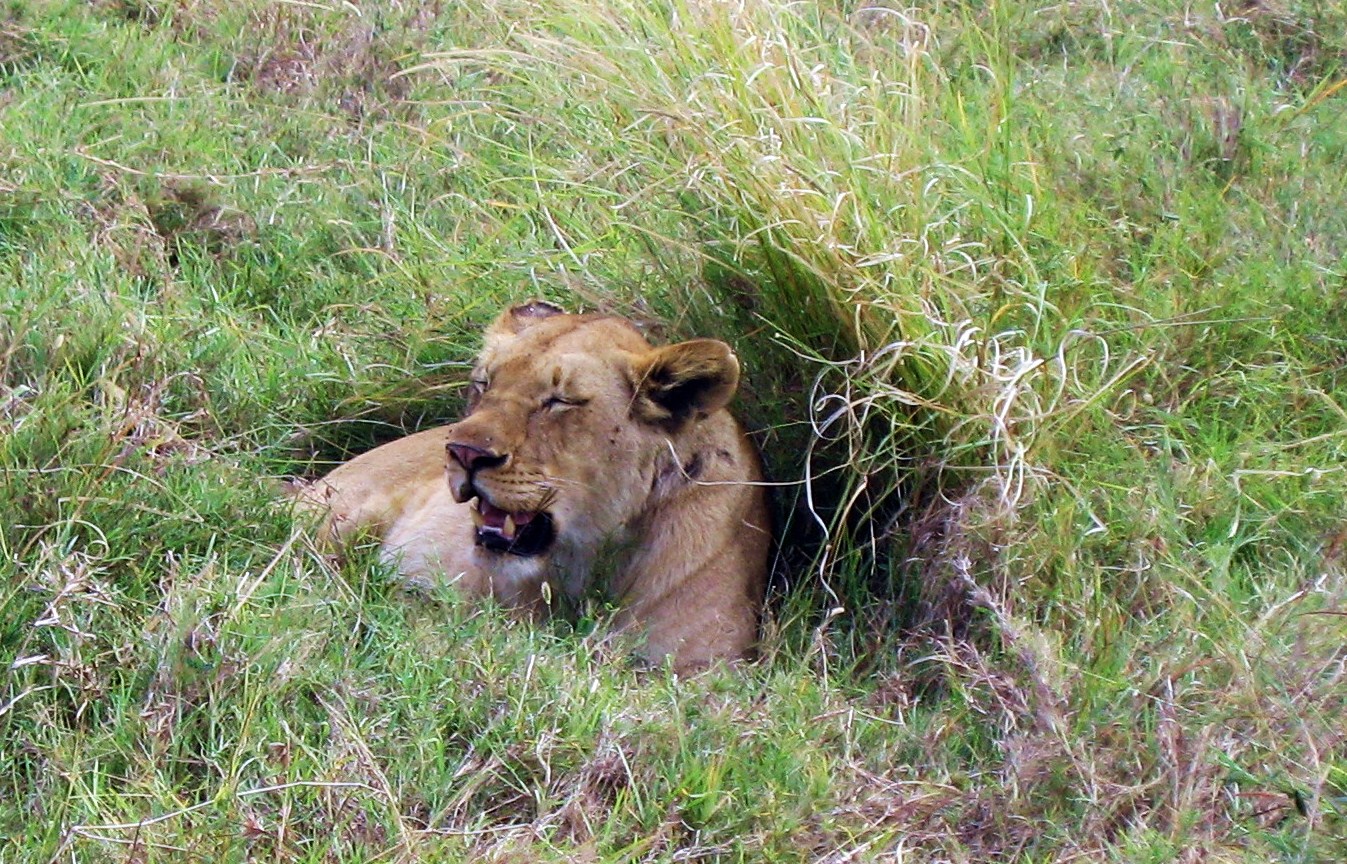
Seeing lions in Africa might have been the very first thing I put on my bucket list, thanks to reading Osa Johnson's lion watching stories. And in 2007, I crossed it off what over the years grew to hundreds of things I wanted to do. -- Photo by Pat Bean

Seeing lions in Africa might have been the very first thing I put on my bucket list, thanks to reading Osa Johnson’s lion watching stories. And in 2007, I crossed it off what over the years grew to hundreds of things I wanted to do. — Photo by Pat Bean

The First 10 Books That Popped Into My Head

I’m always coming across best book lists. While they often have many of the same books on them, they also can differ tremendously depending on the genre of the list or the compilers.

Gypsy Lee was my version of Charles Kuralt's "On the Road" RV, which now sits in the Henry Ford Museum in Dearborn, Michigan. -- Photo by Pat Bean.

Gypsy Lee was my version of Charles Kuralt’s “On the Road” RV, which now sits in the Henry Ford Museum in Dearborn, Michigan. — Photo by Pat Bean.

So on reading one of these lists recently, I decided to put together my own list of “10 Books that Influenced my Life.” I came up with the list in just a couple of minutes, and afterwards I could probably have listed another 10 books.

But here is the list of the first thoughts that scrambled through my little grey cells.

“I Married Adventure,” by Osa Johnson. This was the first travel book I ever read, and it gave me my first inkling that I was born with wanderlust in my soul. I checked the book out of the library, from the adult section, when I was about nine years old.

“Forever Amber,” by Kathleen Winsor. I found this book in the bookcase of my grandfather’s book cabinet, the same place I found the works of Shakespeare, Robert Louis Stevenson, James Fennimore Cooper, Charles Dickens, and many more of the classic writers, all of which I read at quite a young age. “Forever Amber” sticks out in my mind because when I reached junior high school,, I overheard a group of girls calling it a “dirty book.” I didn’t know what they meant so I went back and reread it – and still didn’t know what they meant. I was a late bloomer. The book, by the way, would almost get a G rating in today’s world. It was this book, however, that prompted me to never censor books my children read.

And reading about Tim Cahill's outdoor adventures encourage me to seek out my own adventure trails. -- Photo by Pat Bean

And reading about Tim Cahill’s outdoor adventures encourage me to seek out my own adventure trails. — Photo by Pat Bean

“Gone with the Wind,” by Margaret Mitchell. I so loved this book that I read it three times in the same year. Each read gave me a different meaning to the ending. It was this book that taught me that readers put their own interpretations to writing, and that there is more than one interpretation – and not always the one the author visualized.

“Blue Highways,” by William Least Heat Moon, the second most influential travel book I read. It was this author’s van travel that started my own travel dream, which I fulfilled when I spent 9 years living and traveling full-time in my small RV, Gypsy Lee.

“Atlas Shrugged,” by Ayn Rand, Wayne Dyer’s “Your Erroneous Zones,” and “The Women’s Room” by Marilyn French were read at a crucial turning point in my life. From one I learned that there was more than one way of looking at life, and came to the conclusion that the one and just about only true evil was to harm another person. From another, I realized that only I was responsible for my life and what I allowed in it, and from the third I accepted my strong feminine self that social expectations had dampened. As far as forming the core of my being, these three books are significantly responsible.

“The Snow Leopard,” by Peter Matthiessen. This is one of the books that fed my passion for the outdoors, travel and the natural world. It turned me on to environmentalism and gave me a new way of looking at things.

And “On the Road with Charles Kuralt,” and “Road Fever” by Tim Cahill helped define my travel writing style. I wanted to capture both the simplicity and joy of life that Kuralt brought to his writing and TV segments, and I identified with Cahill’s love of the outdoors and adventure and understood his understated sense of humor. I wanted to write like Cahilll, but with a feminine voice and eyes.

Just off the top of your head, what 10 books most influenced your life?

Blog pick of the day.

Blog pick of the day.

Bean Pat: Where’s My Backpack, http://tinyurl.com/lkxupke and Incidentally http://tinyurl.com/oyjp95f These two blogs let readers travel from their armchairs, a pastime I indulge in frequently when I’m not actually on the road. The first blog takes you on a walk through Rome, and the other lets you enjoy the beauty of stained class art if you are in the vicinity of Chicago.

Read Full Post »

   “Do or do not. There is no try.” – Yoda

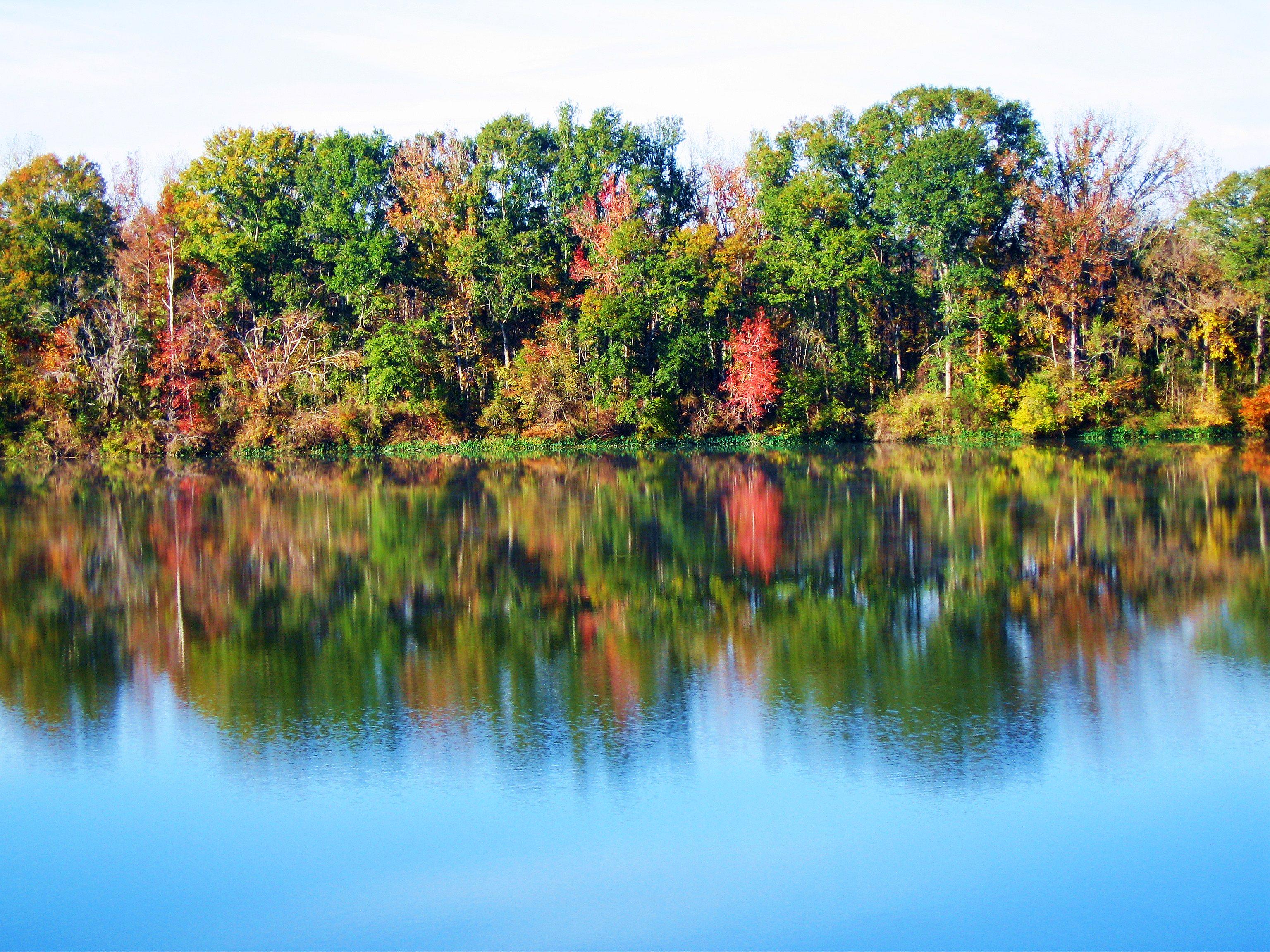
Fall was in full progress when I arrived in Maine, and followed me on my southward return. -- Photo by Pat Bean

Fall was in full progress when I arrived in Maine, and followed me on my southward return. — Photo by Pat Bean

Is Finished

For all of you who have stuck with me for a bit, and followed the writing journey of my book, “Travels with Maggie,” I’m delighted to inform you that it is now ready to go out to the world.

Maggie claiming the driver's seat during a stop for gas. -- Photo by Pat Bean

Maggie claiming the driver’s seat during a stop for gas. — Photo by Pat Bean

The 75,000-word travel book/memoir is about a six-month journey my canine companion, Maggie, and I took in 2006. The title is inspired by John Steinbeck’s  “Travels with Charlie,” and I’ve been telling prospective agents it would sit nicely on a book shelf between his book, and Charles Kuralt’s “On the Road,” with Tim Cahill’s “Road Fever” nearby, but that its uniqueness lies in the fact that it was written by an old-broad, wandering-wonderer.

I’m currently in the process of looking at ways to get it published as an e-book, and getting a cover designed for it. Next will come a printed book – I’m hoping.

The journey began in Camden, Arkansas, where my youngest daughter lived at the time, and ended in Rowlett, Texas, in time for Thanksgiving dinner at my oldest daughter’s home. It was a trip of 7,000 miles that took me to Maine and Acadia National Park that wriggled its way through 23 states and Canada.

Any advice those of you who have self-published a book is welcome. Especially helpful would be experiences any of my readers have had with Vook or Bookbaby.

Meanwhile, this is my way of yelling from the mountain top that the third rewrite of “Travels with Maggie” is now behind me.

The Wondering-Wanderer's blog pick of the day.

The Wondering-Wanderer’s blog pick of the day.

Bean Pat: Two short videos. Footloose and Kevin Bacon fans will enjoy this one, even if they saw it on the Jimmy Fallon show: http://tinyurl.com/oldwfxj And old broads and anyone who loves life will enjoy this one. I smiled all the way through it. http://tinyurl.com/qz8btq6

Read Full Post »

Lake Powell, the setting for Nevada Barr's "The Rope," and one of my favorite places. -- Photo by Pat Bean.

Lake Powell, the setting for Nevada Barr’s “The Rope,” and one of my favorite places. — Photo by Pat Bean.

            “Uncertainty and mystery are energies of life. Don’t let them scare you unduly, for they keep boredom at bay and spark creativity.” – R. I. Fitzhenry

“The Rope”

I love Nevada Barr’s books. Not only is she a good writer, but I always learn something new about the places I love, this country’s wild lands  and our national parks.

Lone Rock at Lake Powell: I camped in sight of this rock on a Lake Powell beach the first night of my RV travels back in 20004. -- Photo by Pat Bean

Lone Rock at Lake Powell: I camped in sight of this rock on a Lake Powell beach the first night of my RV travels back in 20004. — Photo by Pat Bean

Her books have taken me from Texas’ Guadalupe Mountains to the South’s Natchez Trace, and from Yosemite’s high country to Ellis Island and the Statue of Liberty – and lots of other places in between.

But Nevada’s writing has a dark side to it. You can expect, at least somewhere in the book, to find her leading lady  in a deadly place that leaves her body ravished to the near point of death. The scenes fit her fictional character, Anna Pigeon, who is on the opposite side of the planet from Janet Evanovich’s  fun-loving Stephanie Plum.

While Stephanie’s biggest nemesis is a mother who wants her to settle down and get married and a grandma who gets her kicks at funerals, Anna fights against lost love, alcoholism and depression.

I can read Janet’s books in a day, but Nevada’s get stretched out over many days because I have to stop for a while so I won’t get too caught up in the tension.

Take last night for example, when I settled down with an audible version of Nevada’s “The Rope,” a flashback novel that explains Anna’s National Park Service career beginnings. It starts off very dark. And when I put the book down and fell asleep, I also fell into a nightmare – which thankfully I awoke from before it got too scary.

Wahweap Marina at Lake Powell. -- Photo by Pat Bean

Wahweap Marina at Lake Powell. — Photo by Pat Bean

I admonished myself to stop it, then went back to sleep and had a crazy dream in which I was treated royally at a funky party by a gray-haired, but handsome, Arabian man.  It was definitely more inspired by Stephanie than Anna.

This morning, I listened to a bit more of  “The Rope,” because of course I have to know how Anna gets out of her hole – and because I love reading about Lake Powell, the setting for the book. I’ll eventually finish the book, but I doubt I will take it to bed with me again.

My nighttime mystery reading from now on will be cozies, where there’s more mystery than blood. Even Anna, in her thoughts about her seemingly inescapable situation in the opening of “The Rope,” decided she was living a Stephen King novel.

The Wondering-Wanderer's blog pick of the day.

The Wondering-Wanderer’s blog pick of the day.

Bean’s Pat: Mystery Fanfare http://mysteryreadersinc.blogspot.com/ This is a good blog to follow if you like mystery books.

Read Full Post »

  “Without mysteries, life would be dull indeed. What would be left to strive for if everything were known?”  — Charles de Lint

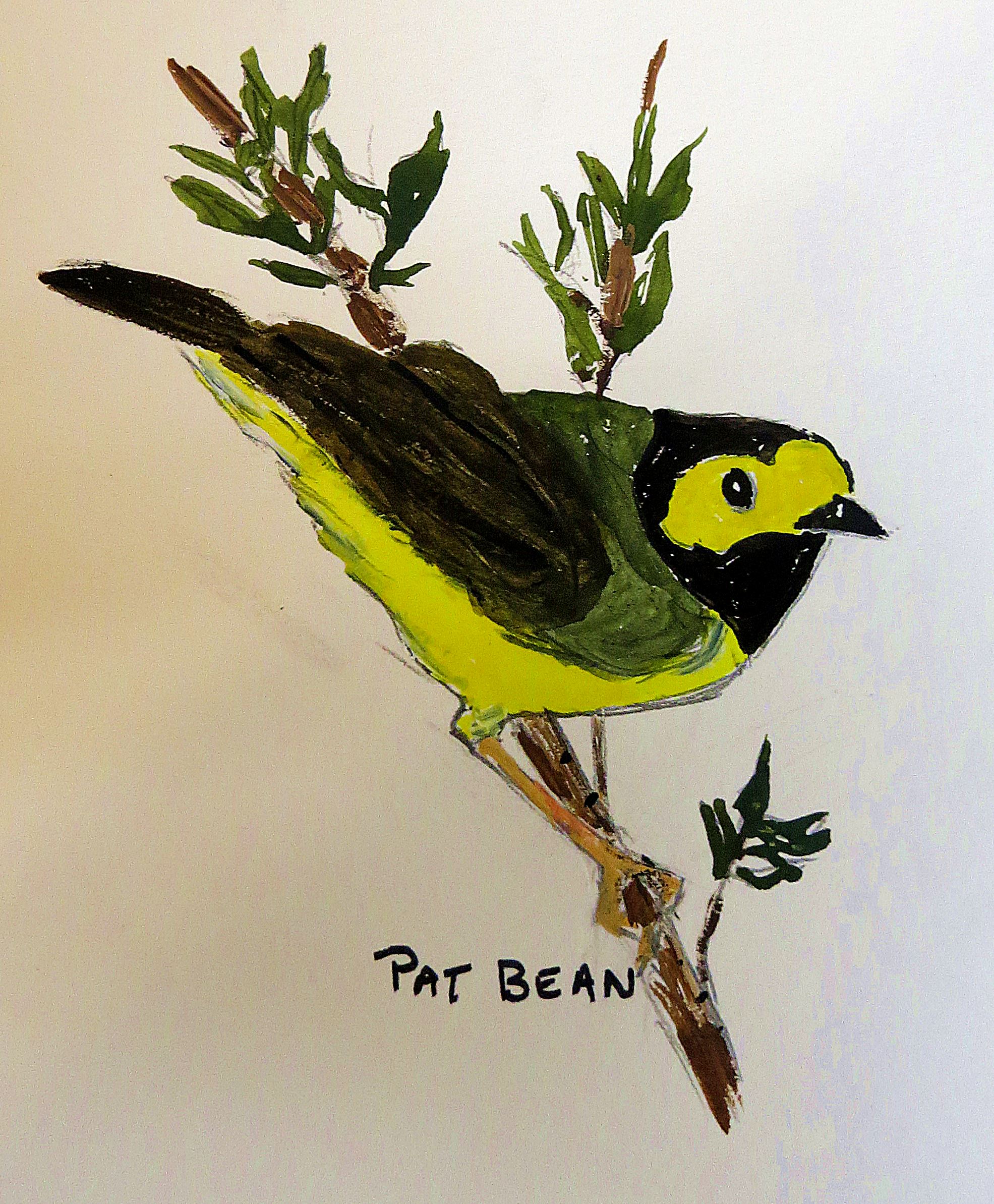
Can you identify this bird. Or will it remain a mystery.

Can you identify this bird? Or will it remain a mystery?

Which Is Why I Enjoy Bird Watching

“My detective story begins brightly, with a fat lady found dead in her bath with nothing on but her pince-nez. Now why did she wear a pince-nez in her bath? If you can guess, you will be in a position to lay hands upon the murderer, but he’s a very cool and cunning fellow…” – wrote Dorothy Sayers as she plotted her first Lord Peter Wimsey mystery in the early 1920s.

Cover of Are Women Human?, which contains two of Sayers' feminist essays. -- Wikimedia

Cover of Are Women Human?, which contains two of Sayers’ feminist essays. — Wikimedia

When the book, “Whose Body” came out in 1923, the naked victim was male, but the pince-nez clue was still there. Many Lord Peter Wimsey books followed. I think I’ve read them all.

Along with writing the Wimsey mysteries, which like Agatha Christie’s Poirot and Miss Marple books, continue to be popular today, Sayers was a poet, playwright and advertising writer.

One of the latter efforts included a toucan jingle for Guinness Beer: “If he can say as you can. Guinness is good for you. How grand to be a Toucan. Just think what Toucan do?”

This same kind of humor continues in the Wimsey mysteries, which is consistent with the character’s name-play on the word whimsy.

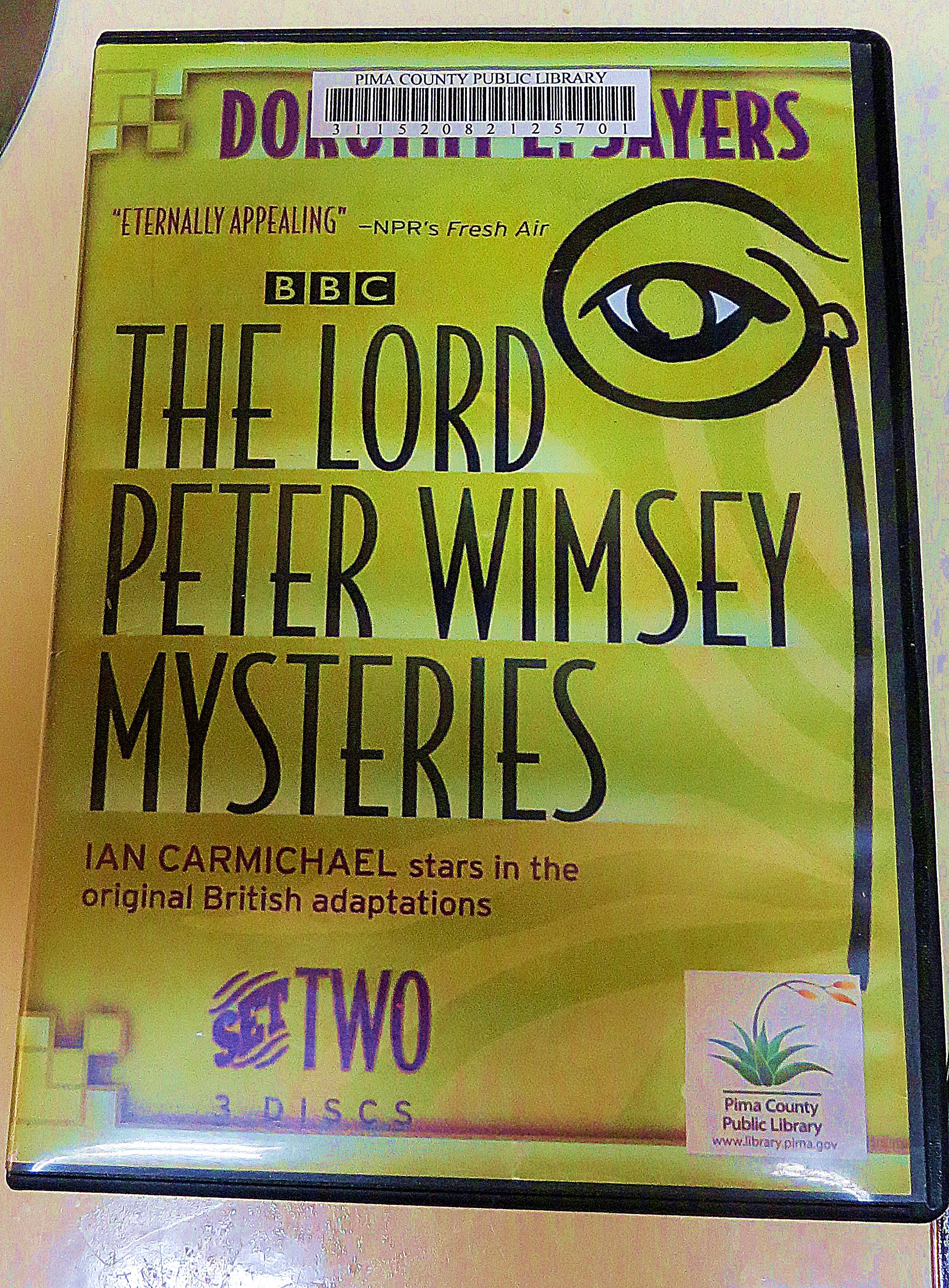
DVDs of some of the Lord Wimsey films I checked out of the library get the credit for this blog idea.

DVDs of some of the Lord Wimsey films I checked out of the library get the credit for this blog idea.

The joy of reading Dorothy Sayers’ mysteries for me is that it is all about figuring out whodunit before the killer is revealed.

It’s sort of the same with bird watching. You have to read all the clues – profile, coloring, beak size, and a jillion other field marks – if you want to make an identification before the bird flies away.

The Wondering-Wanderer's blog pick of the day.

The Wondering-Wanderer’s blog pick of the day.

Bean’s Pat: She’s a Maineaic  http://tinyurl.com/psgwdqx Einstein said what about anger?

Read Full Post »
”  Hunter S. Thompson

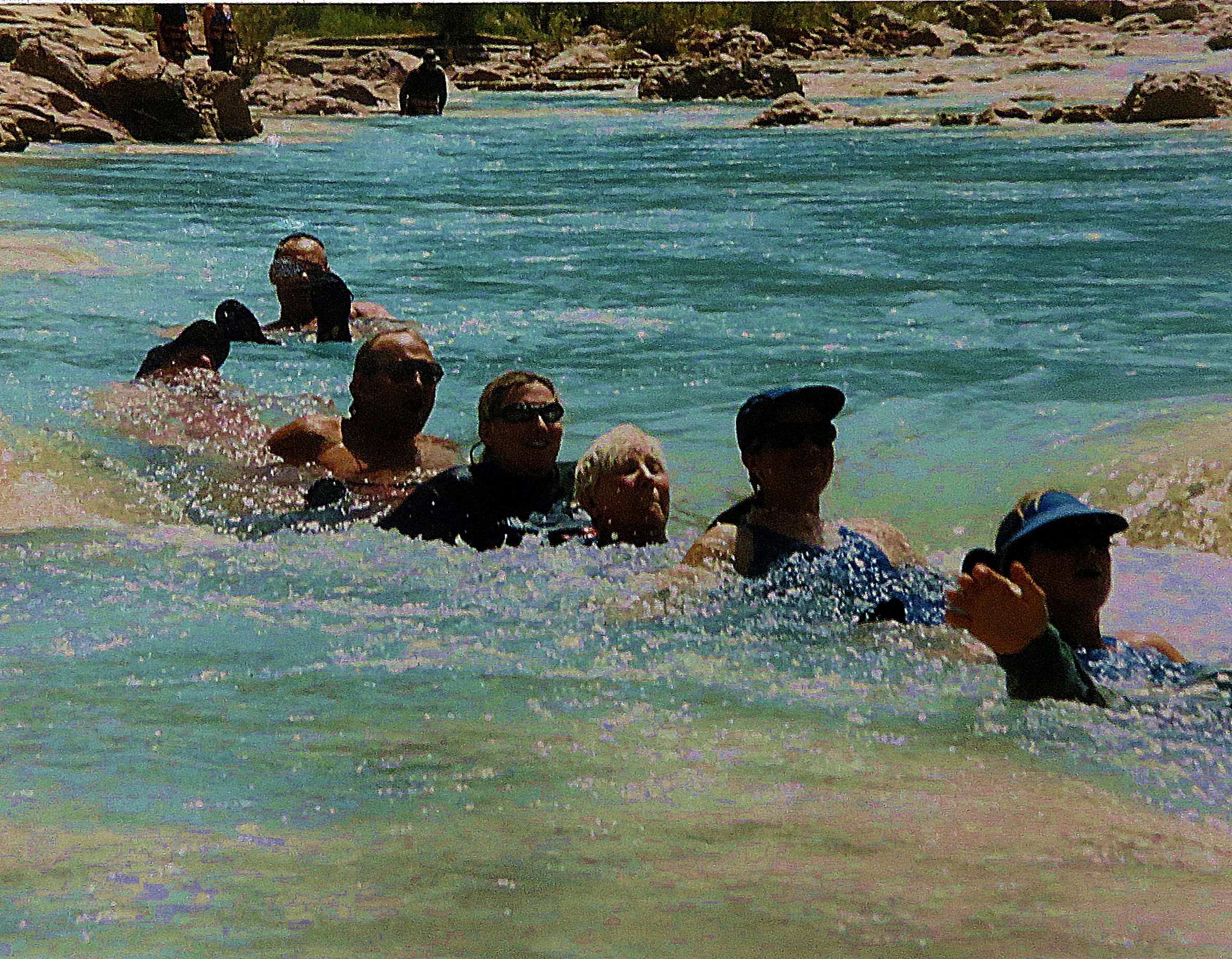
The first time I  rafted down the Grand Canyon, the Little Colorado River entrance to the mightier Colorado River was red and thick with mud from recent upstream rains. The second time it was crystal clean, and we floated in its current. I'm the middle blonde, and I was 60 when the photograph was taken.

The first time I rafted down the Grand Canyon, the Little Colorado River entrance to the mightier Colorado River was red and thick with mud from recent upstream rains. The second time it was crystal clean, and we floated in its current. I’m the middle blonde, and I was 60 when the photograph was taken.

A fantastic read.

A fantastic read.


Bookish Wednesday

A fairy tale begins with “Once upon a time.” And a river story with “No shit! There I was,” said outspoken journalist Linda Ellerbee in her essay about rafting down the Colorado River through the Grand Canyon.

And there she was — on an adventure one summer taken by 14 other fantastic female writers. The 15 women ranged in age, and in lifestyles that went from city women who had never peed outdoors to athletic women who considered nature their true homes. They each wrote about the Grand Canyon from their own perspective, and about how the fickle river and the high rock walls affected and changed them.

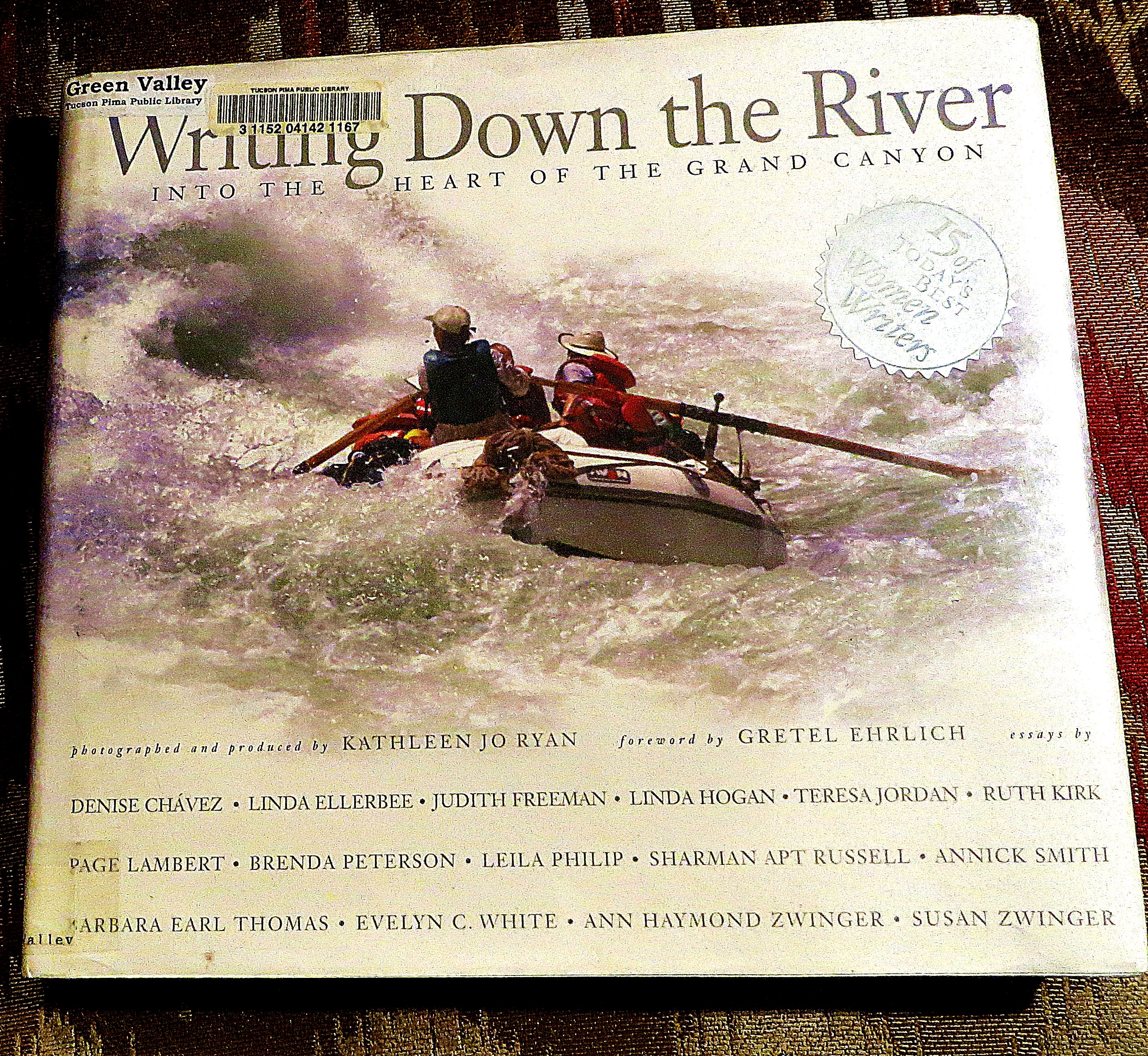
Being a female writer who has been on this same adventure twice in my life – the last time as a birthday present to myself when I turned 60 – my soul triumphed with joy when I came across their book, “Writing Down the River (1998, Northland Publishing, photographed and produced by Kathleen Jo Ryan) in the public library.

Of course I checked it out. Reading the book these past few days has brought back many memories of 32 days, 16 for each trip, that rank high on my list of the best days of my life.

Among my own writings about my Grand Canyon trip was one about the canyon wren, which often serenaded us during our early mornings on the river.

Among my own writings about my Grand Canyon trip was a bird column about the canyon wren, which often serenaded us during our early mornings on the river.

The first time I went down the river, I paddled myself almost the entire 225 miles in a small raft. I came away from the experience a whole person, accepting both my strengths and my weaknesses.

The second time I let the boatman (she was female but she was still called a boatman) oar me down the river, an admission that time had come for me to slow down a bit and take more time to smell the flowers and watch the birds – but also that my adventuring days were still far from over.

I highly recommend this trip for all women who are at turning points in their lives – and if you can’t go, at least read the book. The words and photographs can’t help but touch your heart and make you stronger.  

The Wondering-Wanderer's blog pick of the day.

The Wondering-Wanderer’s blog pick of the day.

  Bean/s Pat: Where Have All the Flowers Gone  http://tinyurl.com/l89g62e In honor of Pete Seeger and my generation of flower-child music.

Read Full Post »
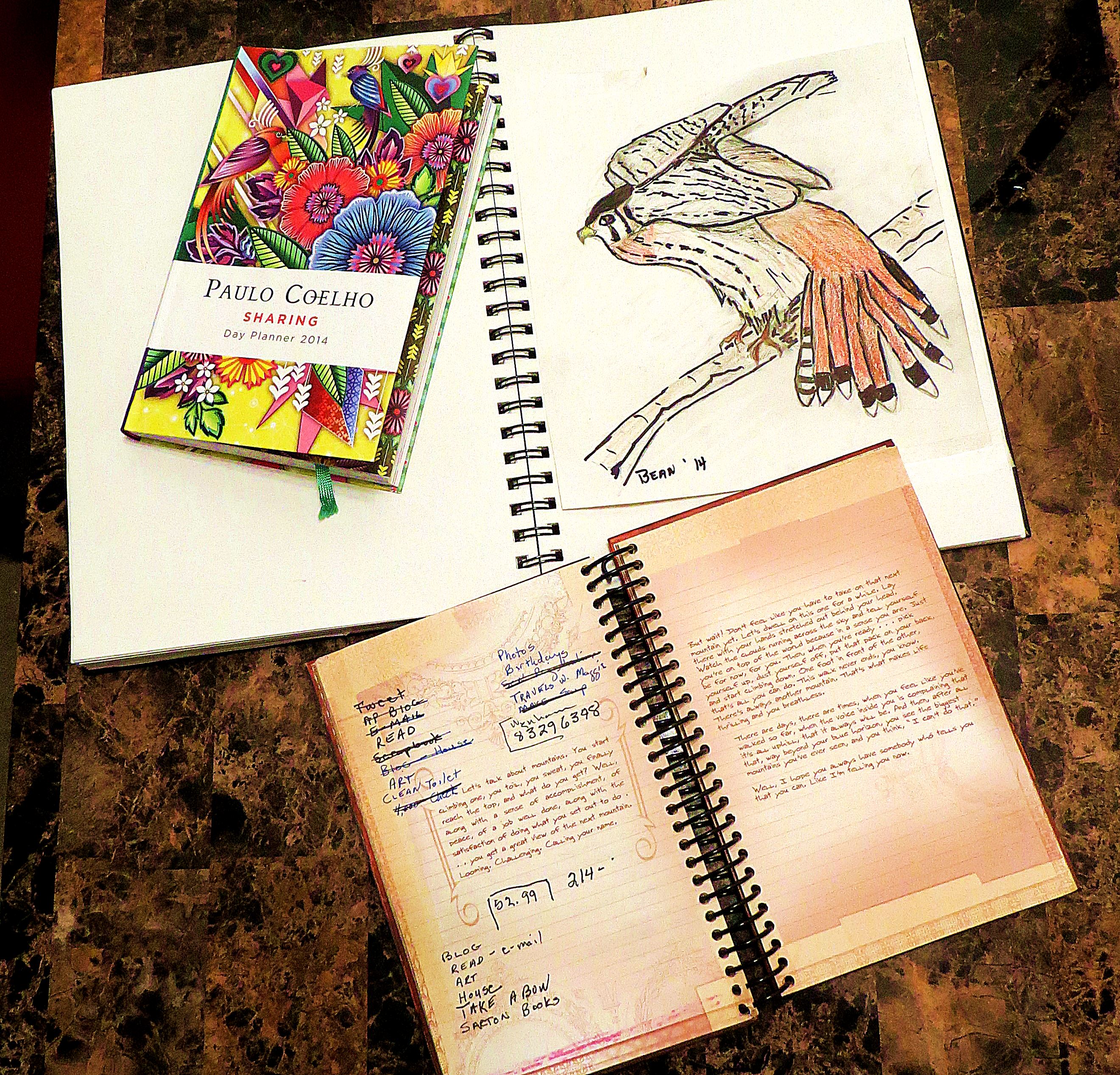
Yesterday's use of paper included adding a kestrel painting to my sketchbook, writing down dates to remember in my diary calendar, which is full of paintings and quotes, and writing in my to-do journal, which includes a hodgepodge of notes and ideas to myself. -- Photo by Pat Bean

Yesterday’s use of paper included adding a kestrel painting to my sketchbook, writing down dates to remember in my diary calendar, which is full of paintings and quotes, and writing in my to-do journal, which includes a hodgepodge of notes and ideas to myself. — Photo by Pat Bean

            “Words mean more than what is set down on paper. It takes the human voice to infuse them with meaning.” – Maya Angelou

I’m So Sorry My Beloved Trees

            I love paper, crisp new pages in a book, cold pressed and textured artist sheets, fanciful stationary, designer pages for my scrapbooking and even the thick block of white for my printer.

But I especially love the blank pages that fill new journals, even more so when their artistic creators have filled bits and pieces of the pages with fairies, flowers, dragons or animal images, and even more when they have left words behind to tickle my little gray cells.

Like these words, which I came across yesterday:  “Let’s talk about mountains. You start climbing one, you toil, you sweat, you finally reach the top, and what do you get? Well, along with a sense of accomplishment, of peace, of a job well done, along with the satisfaction of doing what you set out to do … you get a great view of the next mountain. Looming, Challenging, Calling your name.”  These words were left me behind to ponder from the journal creators, Mark Sanders and Tia Sillers —  And ponder I did.

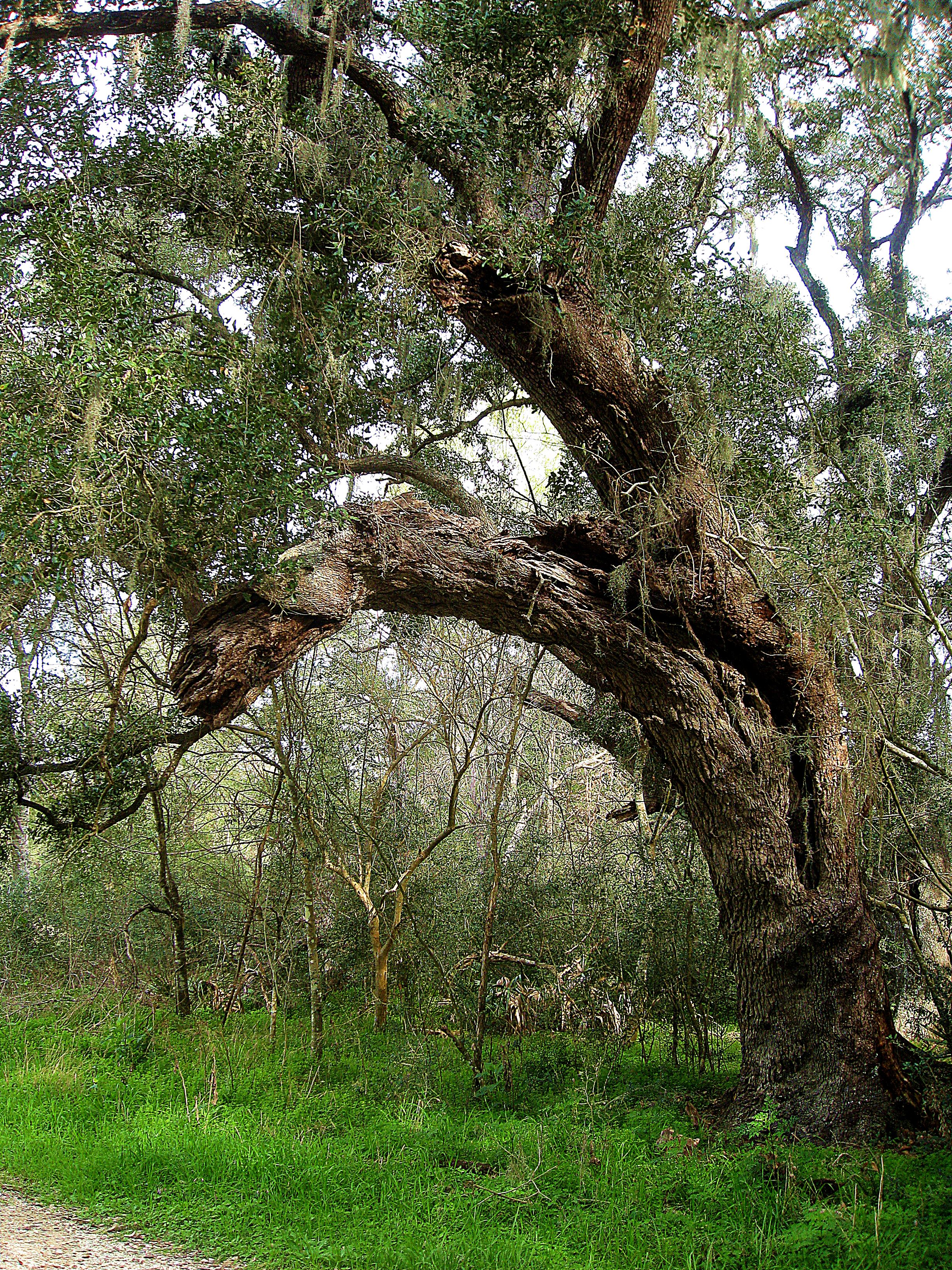
I wonder if the spirits of trees like this beauty in Brazos Bend State Park in Texas are infused into the paper I touch and use daily.

I wonder if the spirits of trees, like this beauty in Brazos Bend State Park in Texas, are infused into the paper I touch and use daily.

These days, I usually have several journals going at once, the most used being a daily journal in which I write to-do lists (Things I want to keep from this journal get rewritten into my computer journal, which I began several years ago to preserve my writing fingers from cramping),  and  a  journal that I keep beside me when I read, and use to write down quotes and a mishmash of thoughts and ideas.

Even though I love computer journaling, which these days includes this blog, I can’t imagine a day without putting my hands on real paper. It’s an oxymoron for me, because I also love trees. Sometimes I wonder about the origin of the paper I write on, and almost feel the trees talking to me. I hope they forgive me.

The Wondering-Wanderer's blog pick of the day.

The Wondering-Wanderer’s blog pick of the day.

Bean’s Pat: The Blood-Red Pencil http://tinyurl.com/lm2k2pg This is for all the writers who have procrastinated until the deadline monster is close enough to bite off our noses.

Read Full Post »
« Newer Posts - Older Posts »