Feeds:
Posts
Comments

Archive for the ‘Birds’ Category

 “We all have our time machines. Some take us back. They’re called memories. Some take us forward. They’re called dreams.” – Jeremy Irons

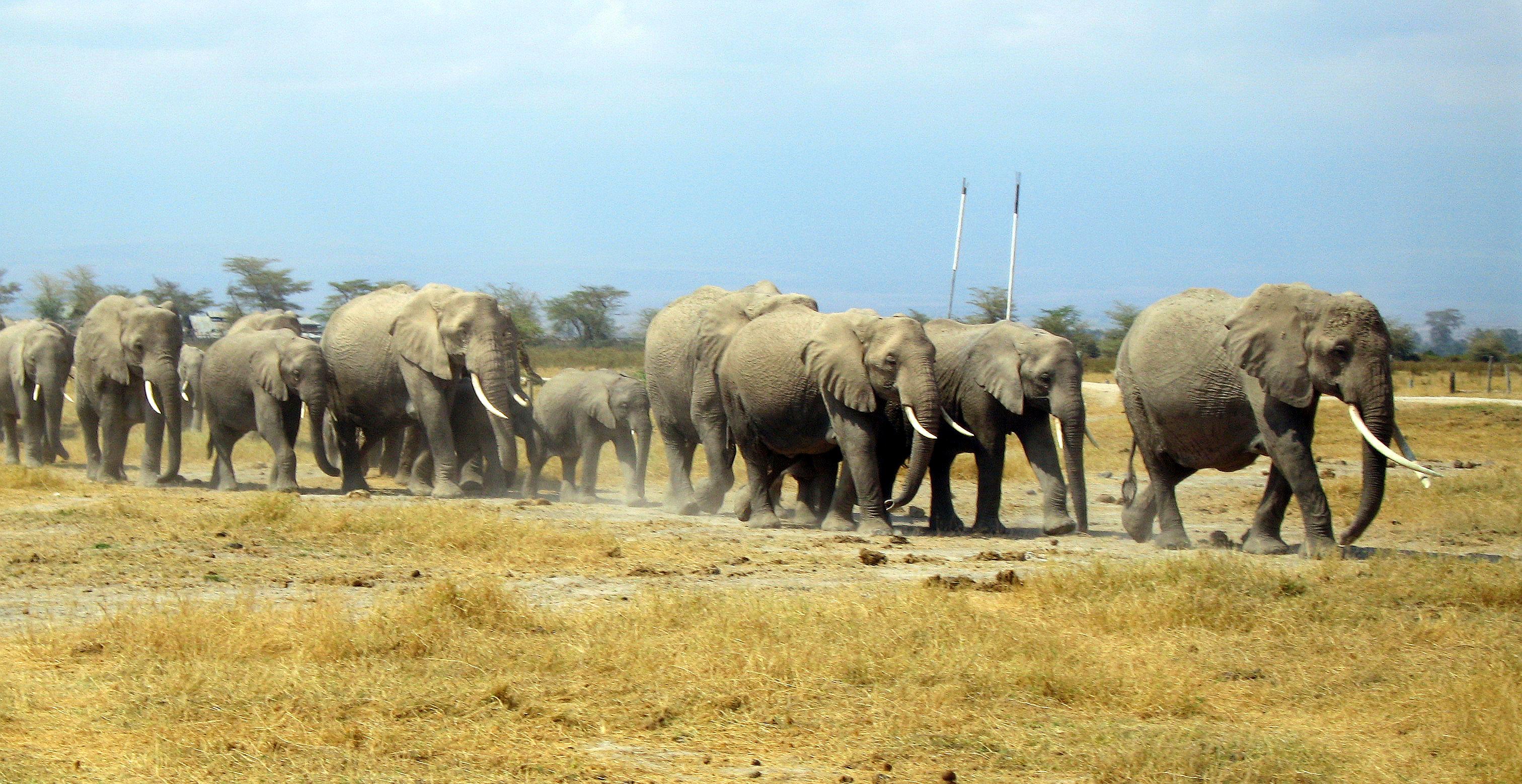
Elephants on the move in Amboseli -- Photo by Pat Bean

African Safari: Amboselli

The next morning we were up early for breakfast, served family style in open air tent, and eagerly ready for a day in Amboseli National Park, which was about an hour away from our Porini camp. Our driver was Emanuel, whom I was delighted to discover was more interested in birds than Bilal. I never once had to ask him to stop when one was in sight.

Emanuel, our driver/guide for Amboseli. He was a real birder. Yea! -- Photo by Pat Bean

In fact, even before we left the camp he had pointed out a blue-naped mousebird that I had missed seeing. I knew then it was going to be a great day, like every other day I’d so far spent in Africa.

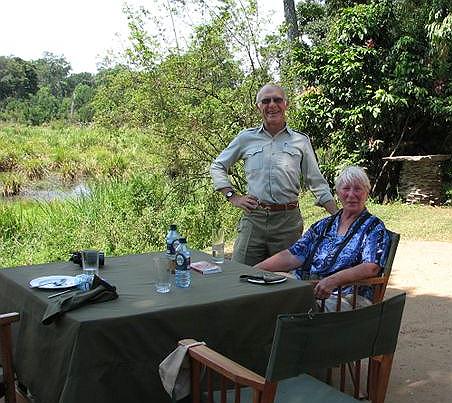
We were accompanied in the Land Rover by a husband and wife couple, whom I barely remember except that they were pleasant. Kim remembered, when I asked, that he had a lot of expensive cameras and was heavily into photography.

The other person who also accompanied us was Jackson, who was nearing the end of a five-year internship to become a guide. Jackson was a Maasai, and would be one of the very first of his tribe to become a guide.

From a distance hippos looked like big gray rocks, especially since sometimes only their backs were visible in the sunken swamps that dotted the Amboseli landscape. -- Photo by Kim Perrin

While it was an hour’s drive to the park from our Porini camp site, there was plenty to see along the way, including two, then three, cheetahs stalking a gerenuk, which escaped all of them once the pursuit race began.

Our first sighting in the park was a large herd of female elephants migrating across the landscape with a lot of young ones in tow. Following behind was one huge male with a huge desire to sire yet another one.

Amboseli is a Maasai word for salty dust, and refers to the volcanic ash from past Mount Kilmanjaro eruptions. Snow melt flowing down into the landscape here from the mountain makes it an excellent habitat for wildlife, and rarely were we out of sight of the four-legged and winged creatures that call Amboseli home.

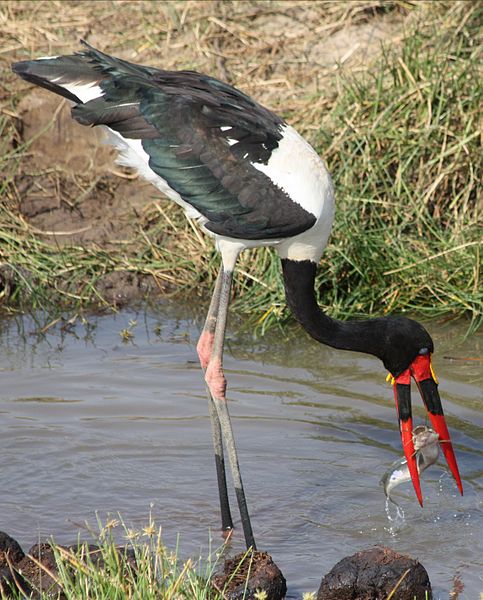
Saddle-billed stork catching a fish -- Wikipedia photo

Looking across the savannah, we often saw what at first glance were big gray rocks. In reality they were hippos lazing in the swamp areas of the park. 

Among our more fun bird-watching experiences was watching a saddle-backed stork fight with a snake. The stork won.

We also saw an African jacana walking on lily pads, a jewel colored malachite kingfisher and a squacco heron, which looked an awfully lot like our American bittern.

 Lots of memories were made this day.

Bird Log of new lifers: Lizard buzzard, red-billed hornbill, August 28, 2007,  during the drive to Porini; crested francolin, blue-naped mousebird, crested bustard, black-faced sandgrouse, Fischer’s starling, plain-backed pipit, Fischer’s sparrow -lark, grassland pipit, saddle-billed stork, long-toed plover, common greenshank, malachite kingfisher, African jacana, squacco heron, eastern pale chanting goshawk, pied kingfisher. August 29, 2011, Amboseli National Park. We also saw a sandwich tern, which is a common bird along the Texas Gulf Coast.

Read Full Post »

It was peaceful watching this mom and young charges splashing in the water until ... -- Photo by Pat Bean

 ” We live in a world full of beauty, charm and adventure. There is no end to the adventures that we can have if only we seek them with our eyes open. ” – Irving Wallace

"Hey guy's! There's a hammerkop over there with the zebra." -- Photo by Pat Bean

African Safari: Holding Our Breaths

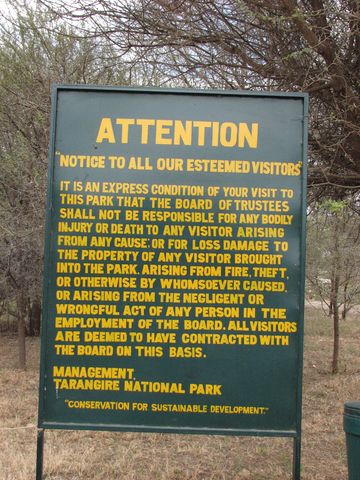
Our afternoon game drive with Bilal took place in Tarangire National Park, which is known for its elephants. The park , except during its rainy season, is mostly hot and dry. We missed the rainy season, and our August visit during Africa’s winter was made before the heat and dryness claimed the land.

The elephants, as almost all of the park’s wildlife did, made their way daily to the park’s only water source, the Tarangire River for which the park is named. Bilal knew exactly where to go and where to park for spectacular views of wildlife visiting the river.

One of the places was in the shade of a tree right next to a bank. On the far side of the river, we watched zebra and waterbuck peacefully drinking together. While we were watching a couple of giraffe joined them. It was fun to watch how they splayed their legs apart so as to be able to get low enough to drink.

Kim got this photo of a really big elephant that didn't scare us a bit. Perhaps because it was shot with her zoom lens. -- Photo by Kim Perrin

As I watched in awe, my eye was drawn to a bird at the feet of the zebras. It was a hammerkop, a strange looking bird with an elongated head. It was yet another lifer, which I excitedly pointed out to Kim and Bilal, both of whom failed to see birds when larger, more exotic, wildlife was in view.

On our side of the river were three elephants, a mom and two young ones. They were splashing in the water near were Bilal had parked the Land Rover. They looked like they were having so much fun that even I forgot to look at birds for awhile.

As we watched, the three began to climb out of the river beside our vehicle. As the young ones made their way up the bank, the mom got in front of our vehicle and engaged us in a stare off. She was close enough that she could have easily touched the hood of the vehicle with her trunk.

We could hear her snuffling as she glared intently into each of our eyes.

We can't say we weren't warned. -- Photo by kim Perrin

Kim and I, who were both standing up in the vehicle, stopped breathing we were so still. Bilal had his hand on the keys in the ignition but he didn’t move a muscle either. While this wasn’t the largest elephant we had seen, we all knew how fierce the protective mom could turn in an instant if she thought we were a danger to the young ones she had in tow.

After what seemed like an eternity, but in reality was only about two or three minutes she turned and led her charges off. All three of us took a big breath.

Bilal said he had been afraid if he started the vehicle to get us away, it would have caused her to charge.

Kim and I had wanted to have an adventure when we came to Africa, and this day certainly provided one. But we were both irked that neither of us had taken a photo of the face off. I would remember that later during another close-up wildlife encounter

Read Full Post »

Overview of Lake Manyara -- Wikipedia photo

There are no foreign lands. It is the traveler only who is foreign.” – Robert Louis Stevenson.

African Safari: A Morning of Firsts

These tall fellows that eat leaves shape the acacia trees so they look like umbrellas. -- Photo by Pat Bean

Our morning agenda, according to the carefully arranged plans detailed in the booklet of our journey prepared by the African Adventure Company, was a two-hour drive to the Serena Lodge at Lake Manyara for lunch.

Such a terse description now seems obscene.

On our way there, we saw our first lions, a mating pair, which made the sighting more special, even if it also made us voyeurs. We also got our first view of giraffes and cheetahs, the later being a mom with three youngsters.

New life birds, meanwhile, were coming into view so fast that I truly couldn’t keep

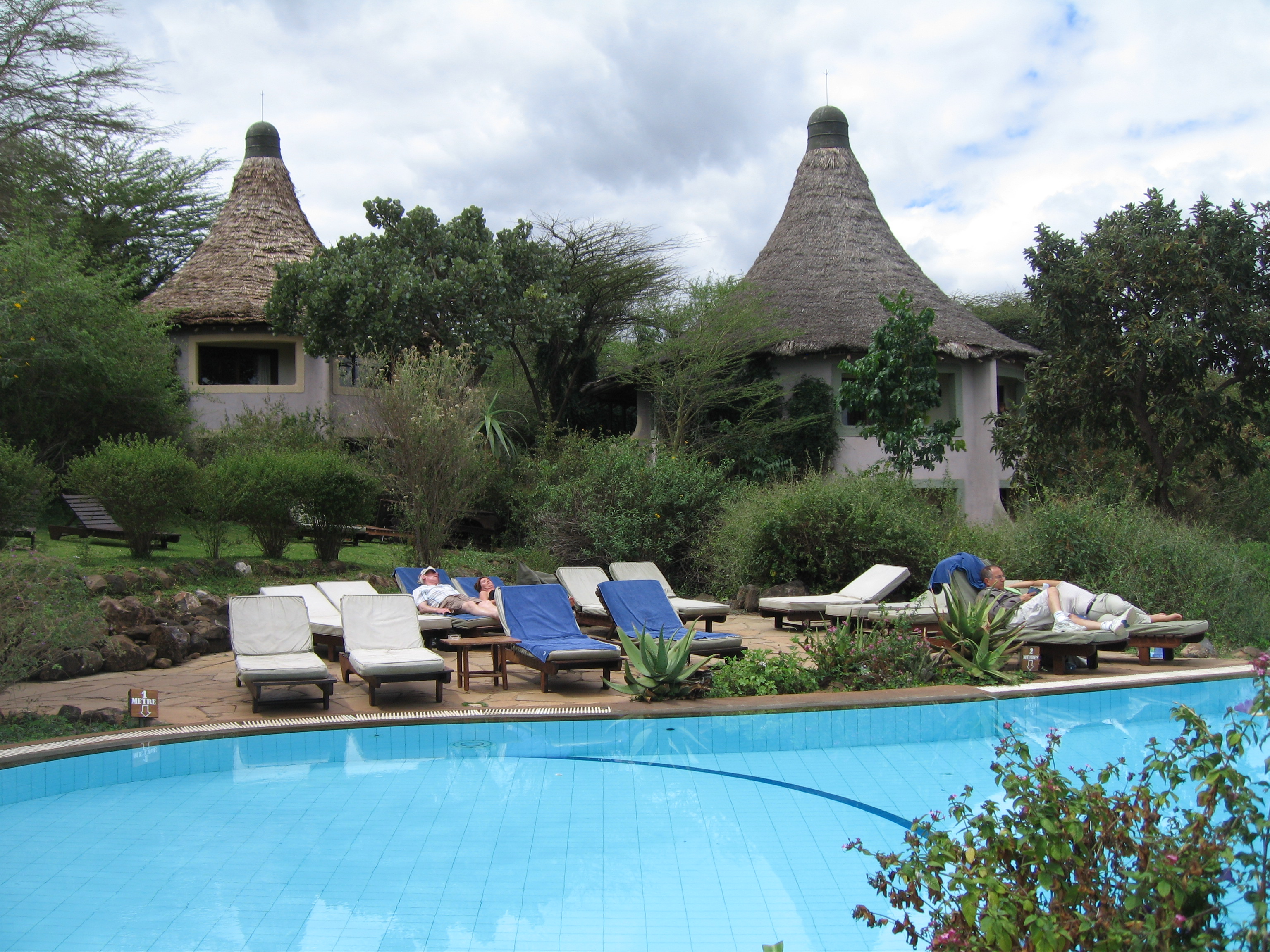
The Serena Lodge as viewed from the compound's pool. -- Photo by Pat Bean

up with identifying them. Bilal helped, but I later realized that while he was great at putting a name to the larger and more common birds, he was not quite as good at the smaller, obscure birds of interest only to crazily addicted birders like myself.

Lake Manyara, located along an escarpment of the great rift, and called “the loveliest … setting in Africa” by Ernest Hemingway, provides habitat to over 400 bird species, including marabou storks, which when I saw a flock of them in some overhead trees thought were the ugliest birds I had ever seen.

White-headed buffalo weaver -- Wikipedia photo

They were hanging about an outdoor market just outside the Serena Lodge compound. As we passed it, my attention was taken away from the birds to an exhibit of colorful African paintings. When I expressed interest in them, Bilal quickly cautioned us not to visit the market unescorted.

As we passed through a fence and guards to get to our accommodations, I realized that our safety was important not just to Bilal, but the country’s entire tourist interests. Harm to any one safari participant would mean bad publicity for business.

As beautiful as this superb starling is, it soon list its glamour because it was so common. We saw them everywhere. -- Wikipedia photo

The Serena Lodge, where we were to spend the night, was owned by India businessmen and staffed by local natives – as were most of the places we stayed at during our trip. It was a grandiose eye-popper.

Our rooms were circular, situated in tall, white-washed roundavels with thatched roofs. The structures sat on a cliff that provided panoramic views of the landscapes and wildlife below. A large swimming pool went right up to the edge of the escarpment.

Taita fiscal -- Wikipedia photo

Lunch was served in an outdoor setting, with birds frequently flittering about. It made for very distracted eating, but a perfect meal, especially with the bottled Coke we ordered to go with it. It was so much tastier than the ones we get in America.

Everything about the Serena Lodge was delightful, and everyone catered to our slightest needs. But the real Africa, both Kim and I knew, lay outside this guarded sanctuary where Bilal didn’t want us to go without him.

I had that decadent feeling again – but I was enjoying every minute of it.

Bird log of New Lifers: Augur buzzard, gray heron, yellow-necked spurfowl, black-shouldered kite, white-headed buffalo weaver, African gray hornbill, superb starling, northern white-crowned shrike, taita fiscal and marabou stork. (August 22, drive from Arusha Coffee Lodge to Serena Lodge near the main entrance to Lake Manyara National Park).

We also saw lots of cattle egrets, is a bird now common in North America, having first migrated to the United States from Africa in the 1940s. I would see many more of them on our wildlife outings while in Africa.

Next: An Afternoon in Lake Manyara National Park.

Read Full Post »

“Let your mind start a journey thru a strange new world. Leave all thoughts of the world you knew before. Let your soul take you where you long to be … let your spirit start to soar, and you’ll live as you’ve never lived before.” Erich Fromm

Bilal, in an unguarded moment. He was a bit camera shy. -- Photo by Pat Bean

African Safari: Bilal

Breakfast the next morning was interrupted by a black and white bird strutting around on the open-air dining room floor. I chased it out to the pool, East Africa guide book in hand, before finally identifying it as an African pied wagtail. Cute little black and white bird.

This interruption of meals for bird and other wildlife watching would become a common, and delightful, routine for the next two weeks.

After breakfast we met up with Evans, a Ranger Safaris supervisor who carefully went over our arranged itinerary with us, and then introduced us to Bilal, our native guide and driver for the rest of our stay in Tanzania.

“Bilal’s our best guide, but don’t let him push you around,” Evans said.

I figured Evans said that about all the guides when introducing them to their clients. As for pushing us around, well both Kim and I are assertive women not prone to letting anyone direct our actions.

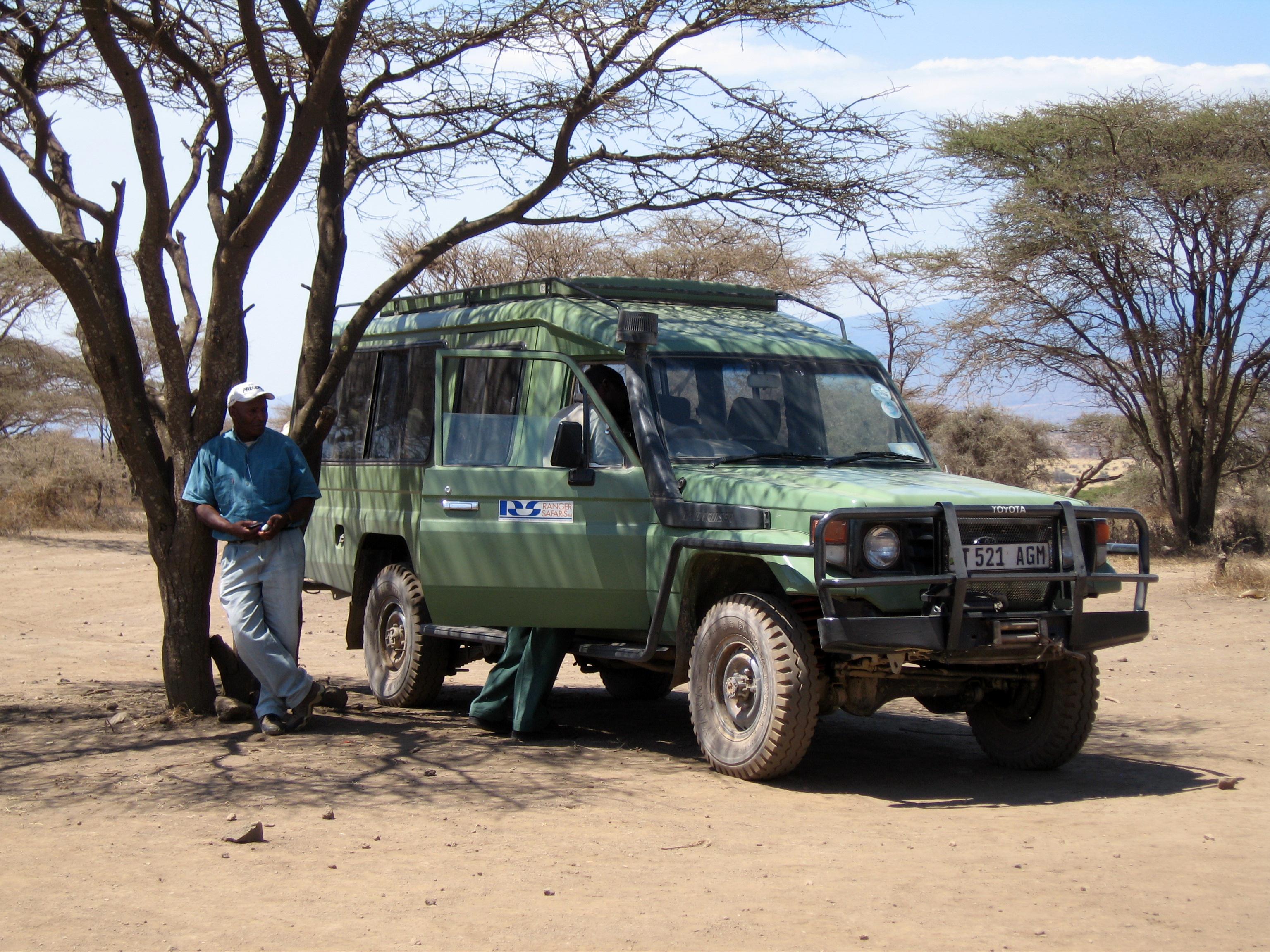
Bilal standing beside his Land Rover, whose top and sides were removed for our sight-seeing pleasure as he bounced the two of us across the African landscape. -- Photo by Pat Bean

Bilal actually did try to push a few times, but it was always only out of concern for our safety. Mostly we let him, but a few times we didn’t. As to him being the best guide, Kim and I quickly came to the conclusion that Evans had spoke the absolute truth.

Bilal, who was older and looked out after some of the younger guides working in our general area, spoke very good English, drove his Land Rover down rutted roads and rough off-road terrain with great skill, and always knew where to find wildlife.


African pied wagtail -- Wikipedia photo

Some of the best moments of my time in Africa were spent standing up and bouncing around in his Land Rover – overjoyed at the lack of seat-belt rules – as Bilal rushed to a lion, cheetah or leopard sighting.

Kim and I finally discovered that Bilal was divorced. While he expected his son to look out for him in his old age – he worried that we also had sons to take care of us in our later years – it was his daughter, who had recently presented him with a grandson, whom he talked with regularly on his radio

Like Africa, Bilal was a bundle of contradictions. But then aren’t we all.

Next: The drive to Lake Manyara

Read Full Post »

The Norfolk Gardens

“Every man’s life ends the same way. It is only the details of how he lived and how he died that distinguish one man from another.” Ernest Hemingway

African Safari: Rum and Chocolate at Midnight

A hadada ibis. -- Photo courtesy of Wikipedia

As late as it was, and as tired as we were, Kim and I weren’t ready for bed when we finally got checked into the Norfolk Hotel. We stood awhile on the balcony drinking in the night air and looking out over a lush garden beneath us.

Then we raided the room’s mini bar, making ourselves a couple of Captain Morgan Jamaican rum and cokes, and toasting ourselves on the adventure we were about to begin. There’s something to be said for not being rich enough to be well-traveled. The excitement of finally getting away to strange and exotic places that once existed only in your dreams is delicious – as was the small box of “Out of Africa” chocolates that we ate with our midnight drinks.


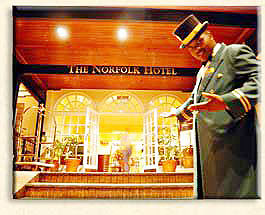
We were met in the evening and seen off the next morning by the Norfolks Green clad doorman.

It all felt a bit decadent. But I loved the feeling. .

The next morning I roamed through the hotel, where it seemed the décor and furnishings were of another era. The Norfolk Hotel opened on Christmas day 1904. It is said no other hotel in Kenya captures as much of Nairobi’s past. President Teddy Roosevelt, Lord Baden-Powell, the Earl of Warwick and the Baron and Baroness von Blixen are all part of the Hotel’s history.

And so is Ernest Hemingway. As a writer, I got a thrill peeking into the bar where he is said to have sat for hours at a time. I was only brought back to the present day when I observed a maid talking on a cell phone.

Out in the garden, I saw my first African bird. It was a hadada ibis, and a dozen or so of them were hanging out in the garden’s trees. I identified it using the East Africa bird guide Kim had given me for my birthday earlier in the year.

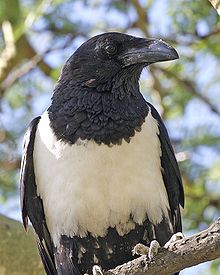
My second and third lifers (bird species seen for the very first time) were a baglaflect weaver and a pied crow.

I was as eager to see birds as I was to see Africa’s more famed four-legged wildlife. So much so that I occasionally annoying to my traveling companion, who likes watching birds but was more excited about Africa’s four-legged wildlife than its winged species on this trip.

A modernistic wildlife scupture on the University of Nairobi campus. -- Photo by Pat Bean

There’s the possibility I might also annoy my blog readers. It’s a risk I’ll take, however. I came to Africa to see birds every bit as much as to see lions and elephants.

Pied crow -- Photo courtesy of Wikipedia

Meanwhile, Kim joined me in the garden, and we went into breakfast, which included some yummy African sausages that we would eat many times again during our African stay.

Afterward, we took a short walk on the grounds of the University of Nairobi across the street from the hotel. Our stroll was accompanied by a black kite flying overhead, whose sighting I added to my daily bird log.

And then it was off to the small Wilson Regional Airport for our flight to Tanzania to begin our safari for real.

Next episode: A view of Mount Kilimanjaro

Read Full Post »

“It is good to have an end to journey toward; but it is the journey that matters.” Ursula K. leGuin

African Safari: A Texas Prelude

The Johnson Space Center was busy the day Kim and I visited, and dreamed of what it would be like to leave this planet's gravity. -- Photo by Pat Bean

Kim’s arrival at the George Bush Intercontinental Airport in Houston in August should have been greeted with 100-degree temperatures and 90 percent humidity. Instead the temperature was about 80 with little humidity.

The sadist in me was disappointed. I had told Kim what to expect of Texas summers, and now my native state was making me into a liar. Oh well, much better for the two days of sight-seeing before we left for Africa.

Our first stop was the Johnson Space Center.

I was living south of Houston, near all the glamorous astronaut happenings, when Neil Armstrong set the first human foot on the moon, uttering the historic words: “That’s one small step for man, one giant leap for mankind.”

I’ve been fascinated with space travel ever since. And Kim and I both expressed awe at the idea of an adventure in space. She even oohed in awe when she actually touched a moon rock. I had taken a couple of grandkids to the center previously and recalled doing the exact same thing.

Our sight-seeing continued the next day with a trip to Galveston via the Blue Water Highway that runs from Surfside, parallel to the Gulf of Mexico, to San Luis Pass and then across a bridge to Galveston Island. My son and his family came along, and we did some birding on the way over to the island.

I had earlier infected my son, Lewis, with my passion for birds, and the others in the party were patient with our dawdling drive. They might even have enjoyed the sight of brown pelicans flying low over the horizon, snowy egrets gathered in the shallows and a lone great blue heron patiently fishing along the shore that we saw this day.

Hurricane Ike, just as a matter of trivia, took out the Blue Water Highway the next year, but it has since been rebuilt.

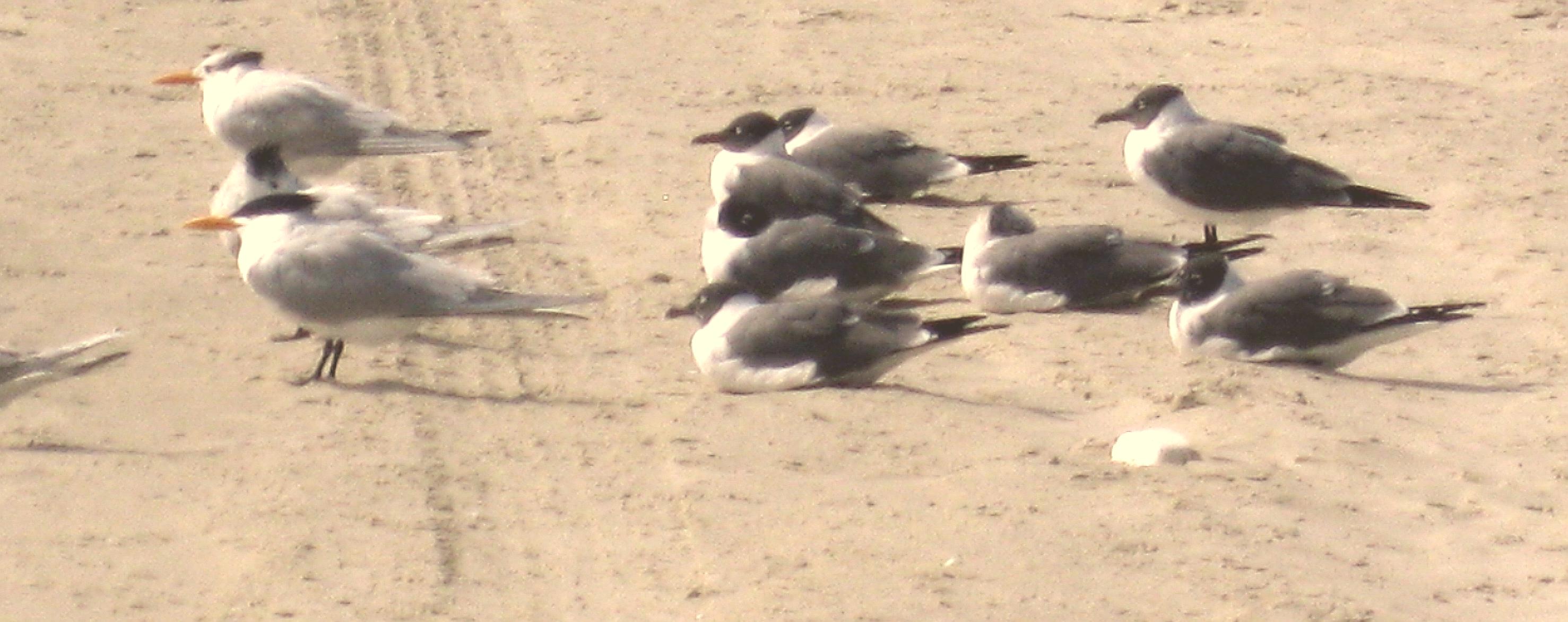
Laughing gulls and royal terns are common beach-side sides along the Blue Water Highway. -- Photo by Pat Bean

In Galveston, we walked along the sea wall, whose water-front sandy beach has been disappearing in recent years. Afterward, we stopped at the Rain Forest Cafe for dinner.

The cafe, which looks out on the Gulf and has an amazing rendition of an exploding volcano on its outside facade and a waterfall and computer animated wildlife on the inside is a popular place. We had an hour wait to be seated.

What helped make the wait worth the time was how the hostess finally announced that our table was ready.

“Bean, party of seven, your safari is ready to begin,” she said.

It seemed so apropos, as tomorrow Kim and I would fly to Africa and our safari would begin for real.

Next Episode: Flight to Nairobi

Read Full Post »

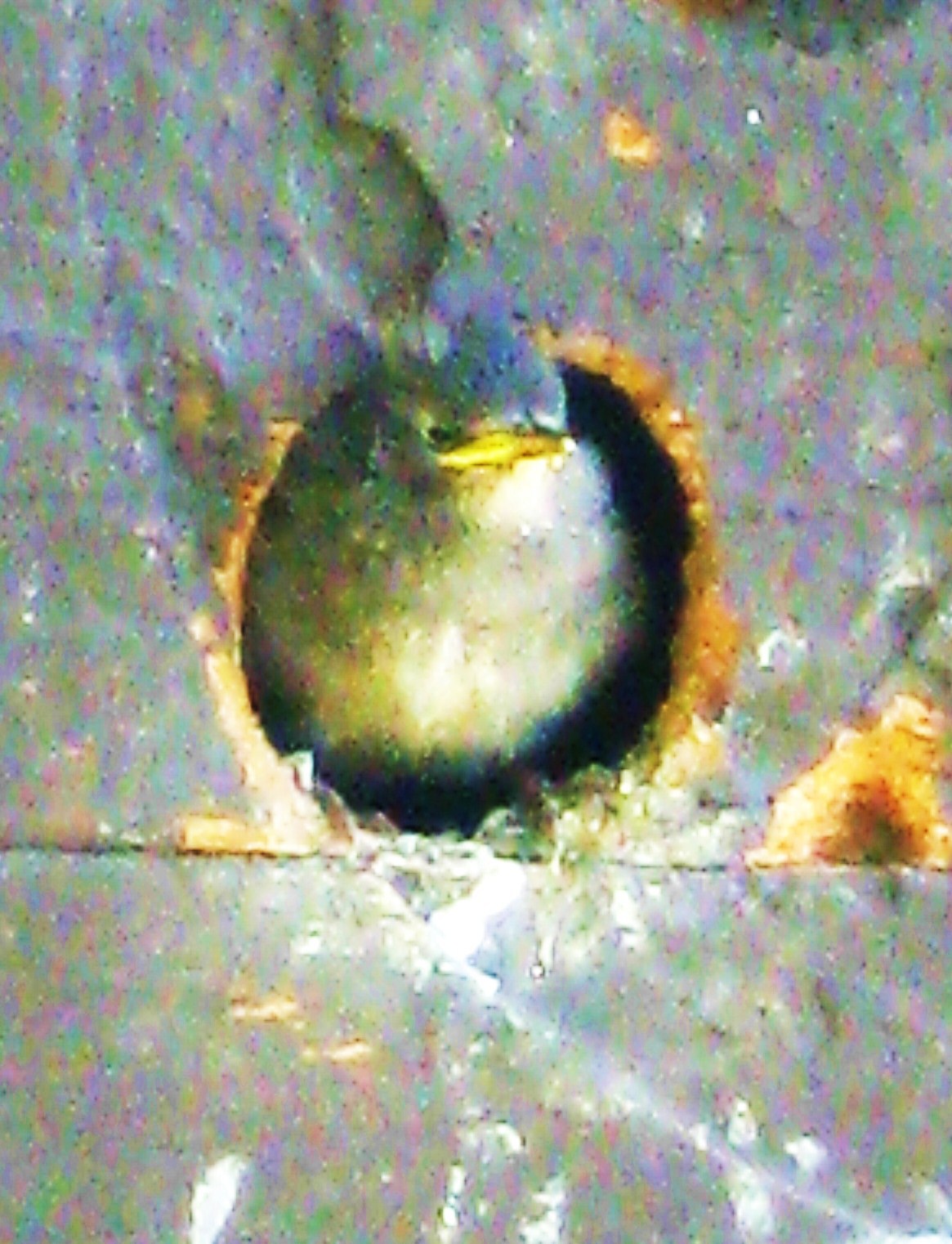
A starling chick getting its first look at the world. -- Photo by Pat Bean

“Now and then it’s good to pause in our pursuit of happiness and just be happy.” — Guillaume Apollinaire.

Travels With Maggie

I seldom get in funk, but that’s what I found myself in this past week. I’m not sure it was just my computer problems either. Thankfully Mother Nature stuck around to hold my hand and point out how precious every minute of life really is.

A pair of European starlings have been nesting in the self-pay kiosk here in the campground at Lake Walcott State Park. For weeks I’ve been watching as they disappear and reappear from a hole in the back of the small structure.

Yesterday morning I was rewarded with the end result of all the starlings’ hard work. I watched as a chick emerged from the hole for a look at the outside world. It sat on the rim of the hole looking amazed, and totally unafraid of the strange new sights.

It made me recall all the birds I saw in the Galapagos Islands that hadn’t yet, and hopefully never, been given reason to fear humans. I had a Galapagos mockingbird actually land on my shoe, and a blue-footed booby that refused to move off a trail to let me pass. I was the one who had to go around.

Later, when Maggie and I took our daily circuit around the park, Mother Nature continued to share her wonders with me.

Mother Nature is generous with her gifts here at Lake Walcott State Park. -- Photo by Pat Bean

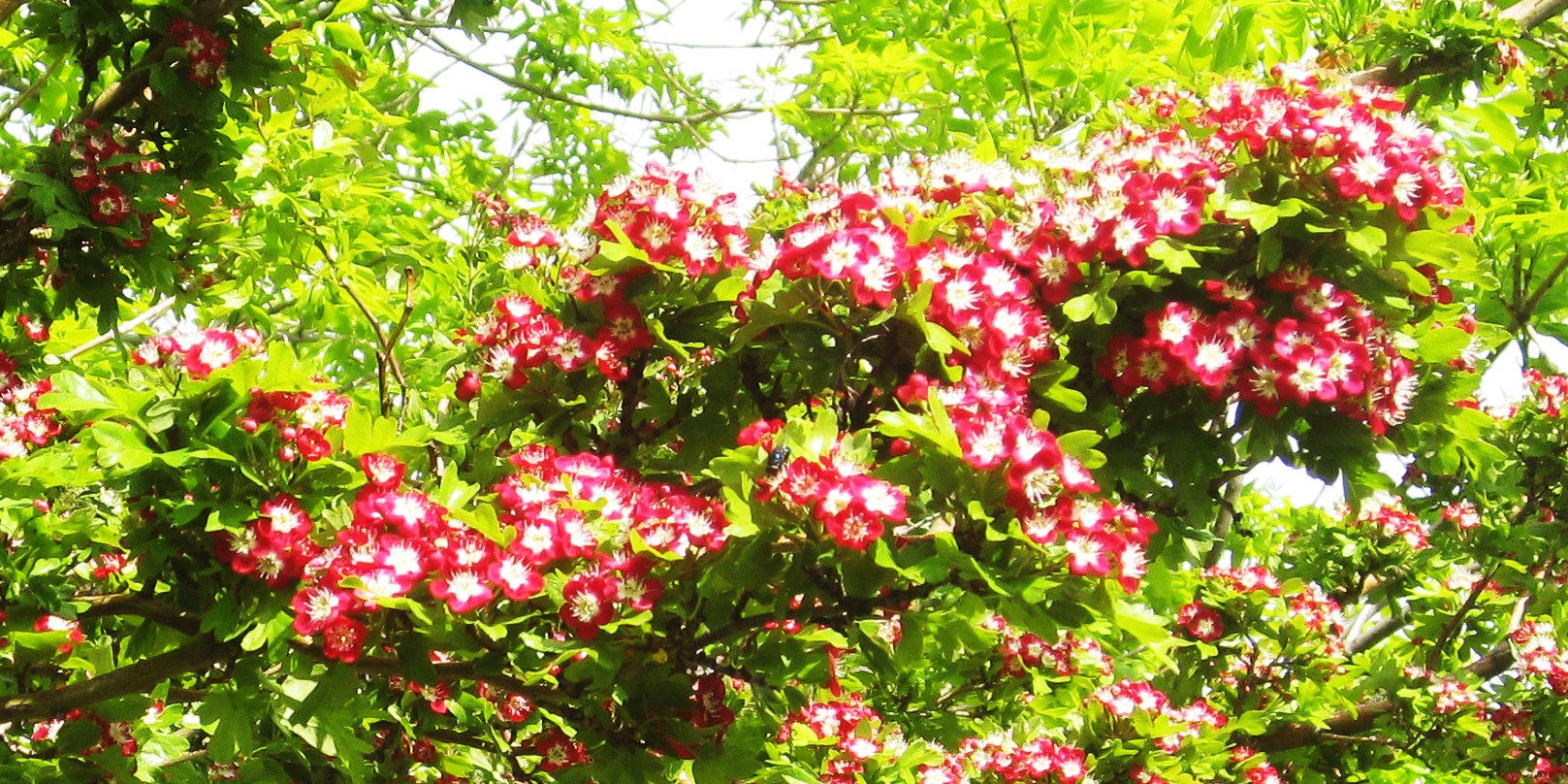
The huge willow trees that were leafless when I first arrived in May are now bursting with lush green leaves that dip down to the ground. The frosty green Russian olive trees add texture to the park’s lively green landscape, while the flowering trees give it color.

Honking geese, giggles coming off rushing rapids on the Snake River that feeds the lake, screeching killdeer, rustling tree branches and cheery robins provide the musical background.

It’s as if Mother Nature is laughing at my funk and telling me to get over it. I heeded her advice.


Read Full Post »

A yellow-headed blackbird seen on my morning walk with Maggie makes me go "Awww!" -- Photo by Pat Bean

 “The only people for me are the mad ones, the ones who are mad to live, mad to talk, mad to be saved, desirous of everything at the same time, the ones who never yawn or say a commonplace thing, but burn, burn, burn, like fabulous yellow roman candles exploding like spiders across the stars and in the muddle you see the blue center light pop and everybody goes ‘Awww!’” – Jack Kerouac

Travels With Maggie

Jack Kerouac’s “On the Road,” is listed in almost every version of the 100 Best Travel Books. And on all of the various lists I’ve come across in recent years, I’ve read well over 50 percent of the selections.

But I haven’t read “On the Road.” That is I’ve never finished it. I’ve started the book several times but have never gotten beyond a few pages before laying it down and forgetting about it.

While there are quite a few of Kerouac’s quotes in my journal, such as the one above that I absolutely love, I can’t connect with this author like I do with say Tim Cahill, who has me rolling on the floor with laughter, or Charles Kuralt, whom I consider my travel soul mate, or John Steinbeck, whose down to earth writing draws me into his circle, especially since he writes about traveling with his poodle, Charley, and I write about traveling with my cocker spaniel, Maggie.

But I don’t, except for an occasional quote, get Jack. I keep thinking I will if I just read more than a few pages of “On the Road.”

Perhaps one day I will. Perhaps I’ll even find that copy of his book I bought a few years back to give it a fifth or sixth try. It was at least the third copy of “On the Road” that I’ve bought over the years, and I honestly have no idea where it is now.

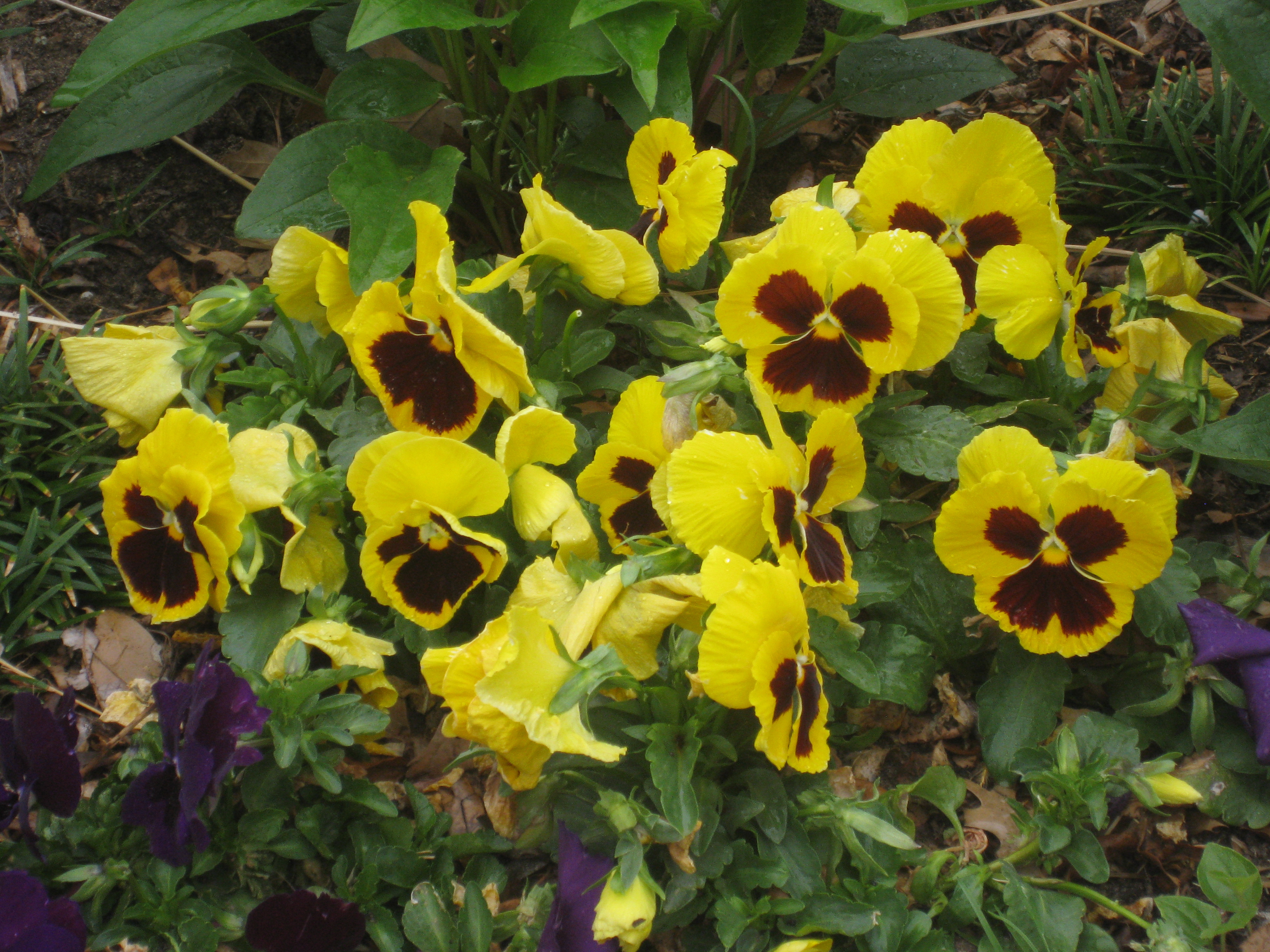
And a patch of colorful pansies lights up my eyes as well as a fireworks display. -- Photo by Pat Bean

I recently read a book in which needful books kept turning up magically for one of the characters. I wonder what it means when books disappear. Or how come I can’t get into a book that so many other people think is a great classic.

Perplexing questions to which I have no answer. But I do love Kerouac’s above quote. It’s a whole book in itself.

Read Full Post »

            “If you feel the urge, don’t be afraid to go on a wild goose chase. What do you think wild geese are for anyway? – Will Rogers

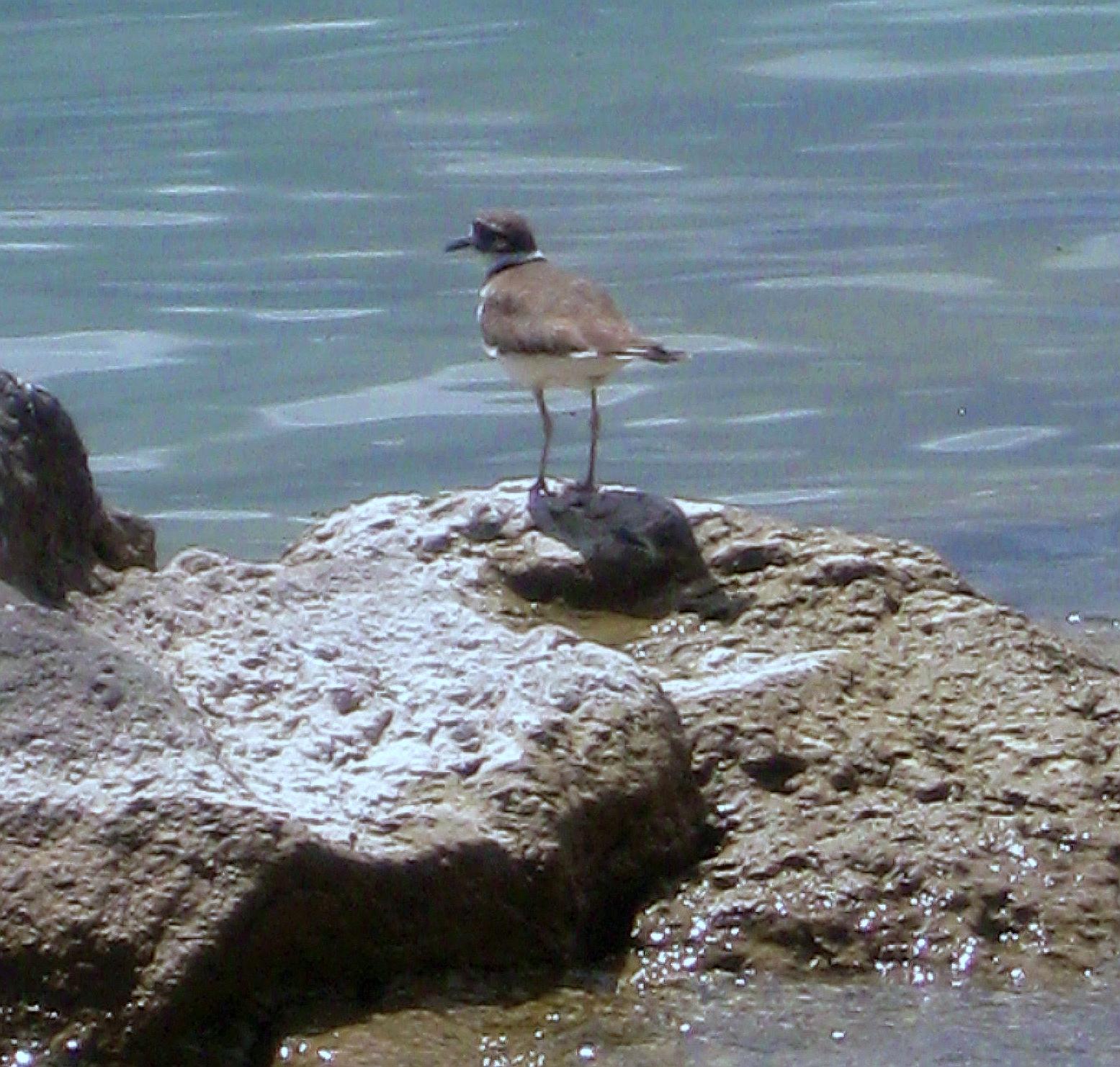
This killdeer is acting more like the plover shorebird it is, than all the others I've seen here at Lake Walcott. The many others I've seen have all been in the grass away from the water. -- Photo by Pat Bean

Travels With Maggie

            My morning stroll this morning was punctuated with killdeer along every path. Although a shorebird, the killdeer is more often than not found in grassy areas, where it builds its nest and raises its chicks. Whenever trespassers enter the nesting zone the killdeer, both male and female, will attempt to lure you away.

            They do so by walking on the ground, often holding out one wing as if broken, until you are a goodly distance away from their nest or chicks. Then they’ll fly out of harm’s way.

             A pair Maggie and I came across this morning stayed barely six feet ahead of us, screeching as they hurried along to make sure they had our attention.

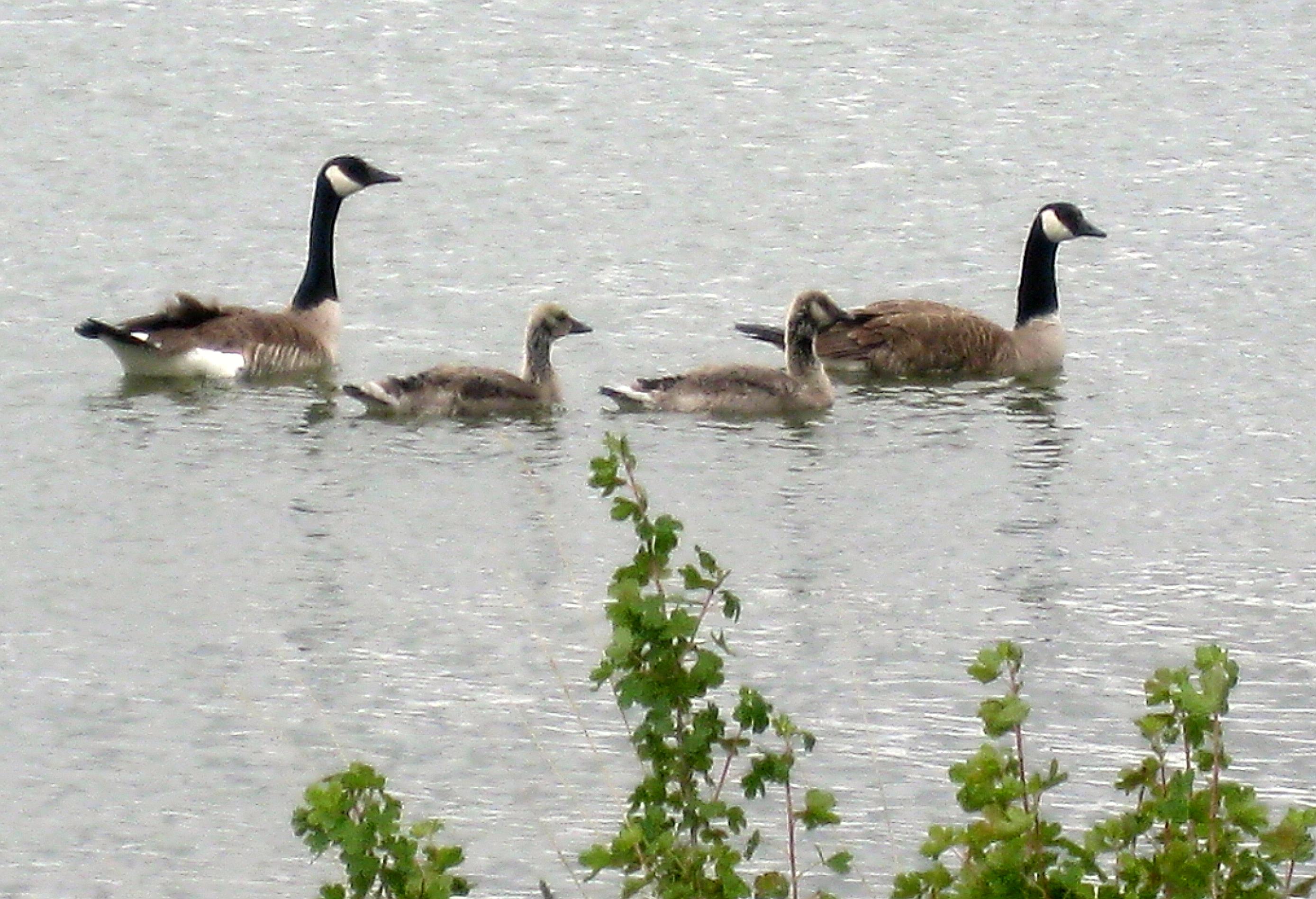
These young Canada geese are looking more and more like their adult parents every day. -- Photo by Pat Bean

            I once found a nest of killdeer chicks by ignoring the adults, who hopped away in different directions, by looking where they didn’t want me to look. I didn’t stick around long watching the long-legged bits of fluff, however. The parents’ wails quickly pierced my heart, and after only a couple of minutes I left the family in peace.

            I haven’t seen any killdeer chicks here at Lake Walcott yet, but I have been watching a pair of Canada geese with two chicks. They were already past the frothy yellow fuzz stage when I arrived mid-May, and are quickly taking on a more adult appearance.

This morning I found the family just off shore, where they felt safe enough to not swim away immediately. Thankfully I hadn’t forgotten my camera.

Read Full Post »

“For the man sound in body and serene of mind there is no such thing as bad weather; every sky has its beauty, and storms which whip blood do but make it pulse more vigorously.” – George Gissing

The late afternoon rain at Lake Walcott was merely Mother Nature's preamble for the night ahead. -- Photo by Pat Bean

Travels With Maggie

Mother Nature threw a hissy fit last night.

She began the day with ominous clouds playing with the sun, blew up gusts of wind about midday that tumbled my bike and lawn chair about, then drizzled a little rain in the late afternoon here at Lake Walcott State Park in Southern Idaho.

All was merely a preamble to the thunderous symphony she had in store as night fell over the park’s lush green landscape.

Her daytime mood hardly bothered the birds at all. Brown-headed cowbirds, black-headed grosbeaks, house finches, house sparrows, mourning doves, robins, killdeer, starlings, and one northern flicker continued to eat my birdseed or flit about just outside my RV window.

But hopefully they were tucked away some place safe when Mother Nature discarded her lamb’s persona for a hungry lion’s roar.

The rain pelting on the roof of my wind-rocked RV sounded like Thor was frantically beating overhead with his hammer. The trees around me, spotlighted by lightning flashes, swayed deeply to the frenzied beat of surround-sound thunder that came in rolls.

This black-headed grosbeak is a regular visitor to my campground site. -- Photo by Pat Bean

My canine traveling companion, Maggie, is not one to be afraid of storms, but for this one she decided she wanted to curl up next to me on the couch where I was reading “A Sense of the World” by Jason Roberts. It’s the true story of James Holman, who despite being blind became one of the world’s greatest travelers during the early 1800s.

Its seemed an appropriate book for me to be reading during the storm, although I did more watching the disharmonious, strobe-flashed world out my window than I did absorbing the words on the page of my Kindle.

The sightless Holman, who used all his remaining senses to experience the world, would have loved this storm.

And so did I.

Read Full Post »

« Newer Posts - Older Posts »