Feeds:
Posts
Comments

Archive for the ‘Uncategorized’ Category

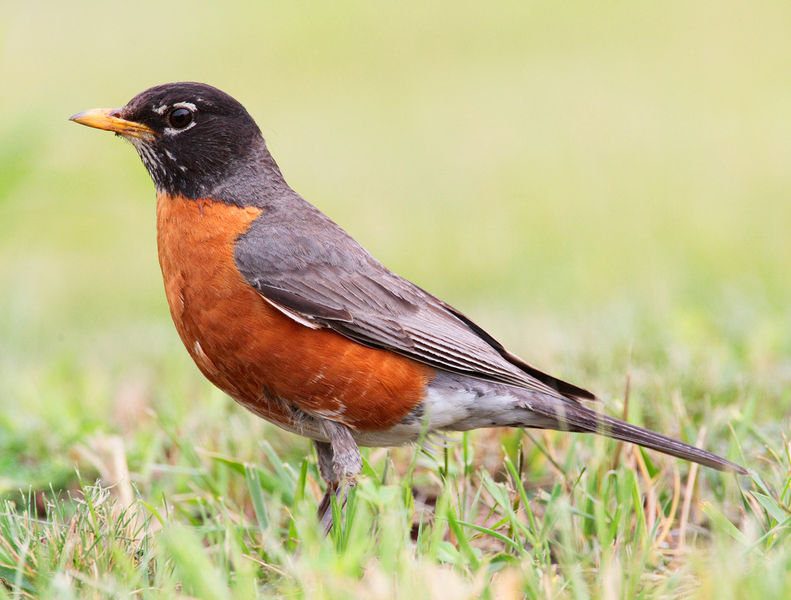
American robin ... Photo courtesy of Wikimedia

I live in cramped quarters in a 22-foot RV – but it has these marvelous picture windows that bring Mother Nature’s bounties inside my cozy abode. Having all these as my backyard is the upside of my skimpy lifestyle. Most mornings I watch the sun rise while sitting at my small table drinking coffee.
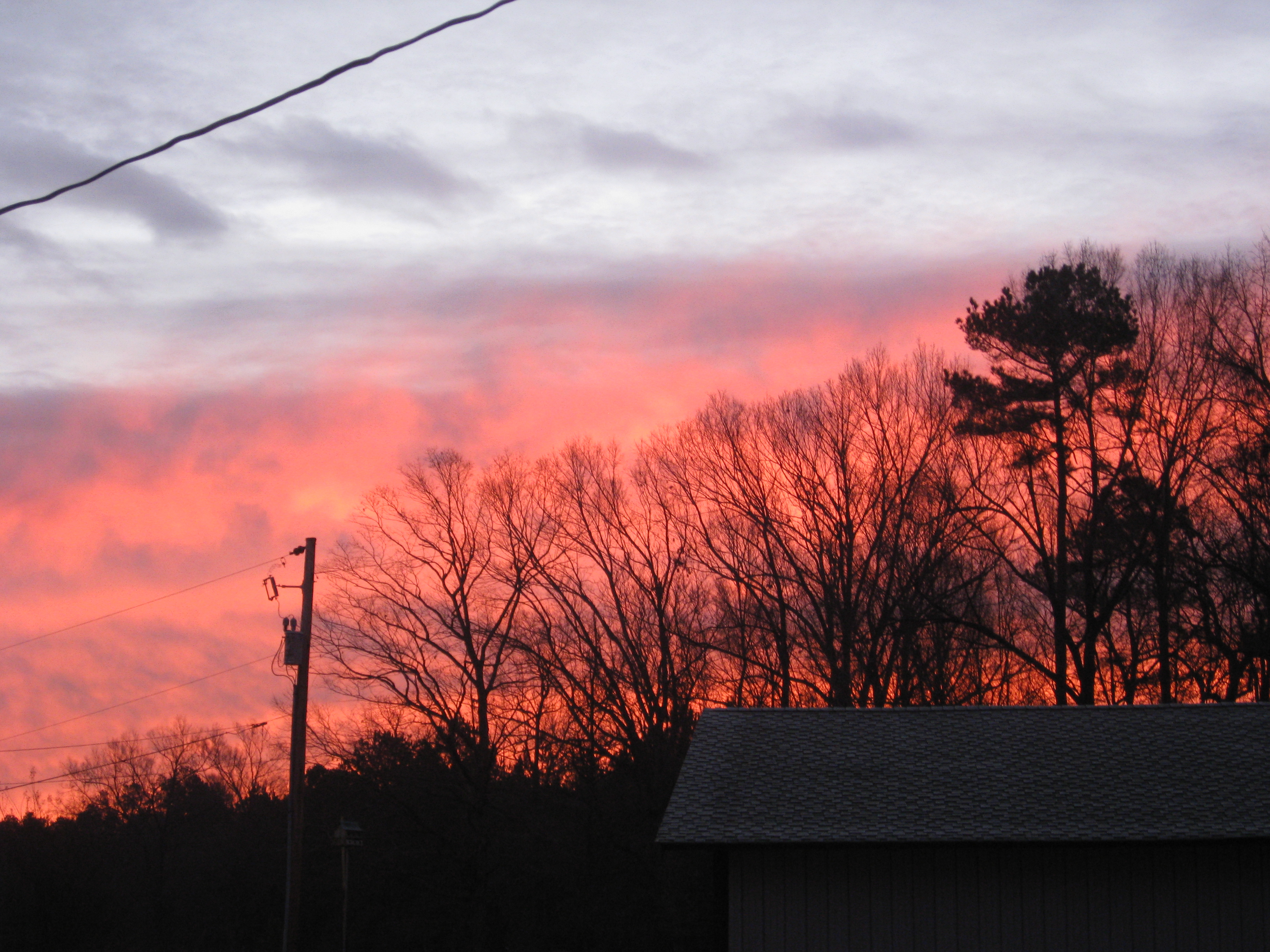
A Camden, Arkansas, sunrise ... Photo by Pat Bean

Sometimes I watch as it rises above the trees at my children’s homes, as I did this morning at my youngest daughter’s place in Camden, Ark. I’ve also watched it slip above red rocks toward the east in Zion National Park many times. The sight of the golden light it cast on the park’s western cliff faces made me think about Cortez’s unsuccessful search for the city of gold, and how fortunate I was that I had found mine.

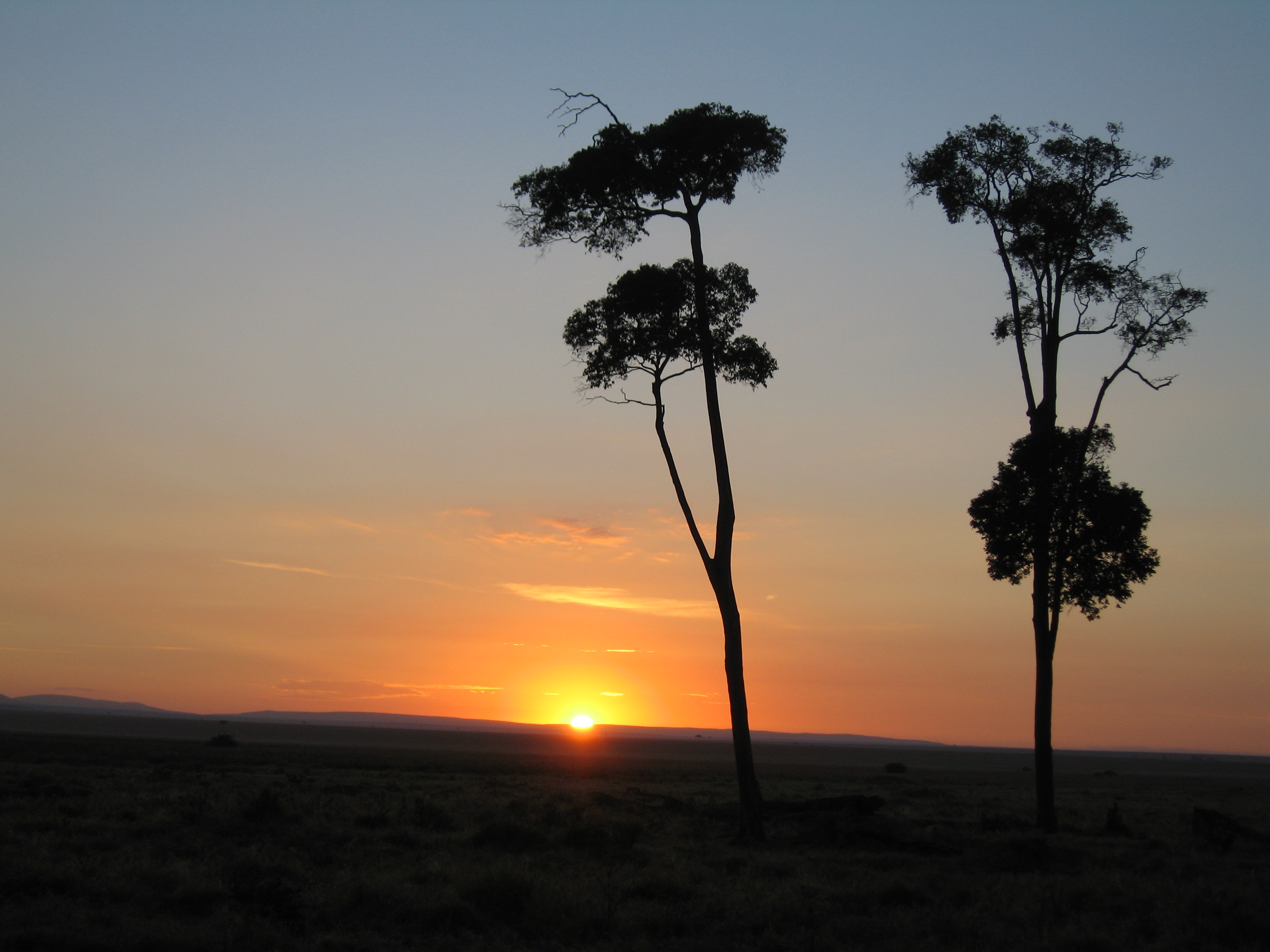
A few times I’ve even watched, but not in my RV, as a blazing orange glob bloomed above an African savannah, bringing to life all the things I would see as I bounced across the land in an open Land Rover the rest of the day.

But after two days of being confined to my motor home because of sickness, I wanted something more than just a sunrise to start my day. It was time for a good walk – and my dog, Maggie, agreed. As usual, Mother Nature did her part to make it a special one’

I had awoke to the cherry, cheer-up, cheer-up call of a robin and expected to see a few – but not the huge flock that was searching for breakfast in my daughter’s horse pasture. They were spread out in a polka-dot pattern all across the pale ochre color of the winter grasses .

Only one other time had I seen so many robins at the same time.

I had taken the road off the Mirror Lake Scenic Byway in Utah’s High Uintas that would take me to Christmas Meadows. As I came across a rise, spread out before me were robins everywhere. Hundreds, if not thousands. Their red breasts seemed especially bright this day, especially those standing in the sun’s spotlight. It was one of those moments that time freezes in your memories.

It seemed only appropriate, seeing how close we are to Christmas, for that moment to be unfrozen as a treasured gift. I truly am a fortunate woman. And, believe it or not, robins are actually fortunate to have humans living among them.

While we’ve destroyed way too

much wildlife habitat in this country, we’ve actually provided additional food sources for these red-breasted thrushes. They’ve thrived on developed landscapes because of agriculture practices and bird feeders; and where they’ve found year-round food sources, they’ve stuck around instead of migrating to warmer climes, so much so that they’re losing their role as the harbingers of spring.

Give yourself a gift. Listen for the song of a robin and look for them whenever you’re outside. It’s bound to make any day bright, even if you haven’t been sick for a couple of days.

Read Full Post »

A Ship and a Park

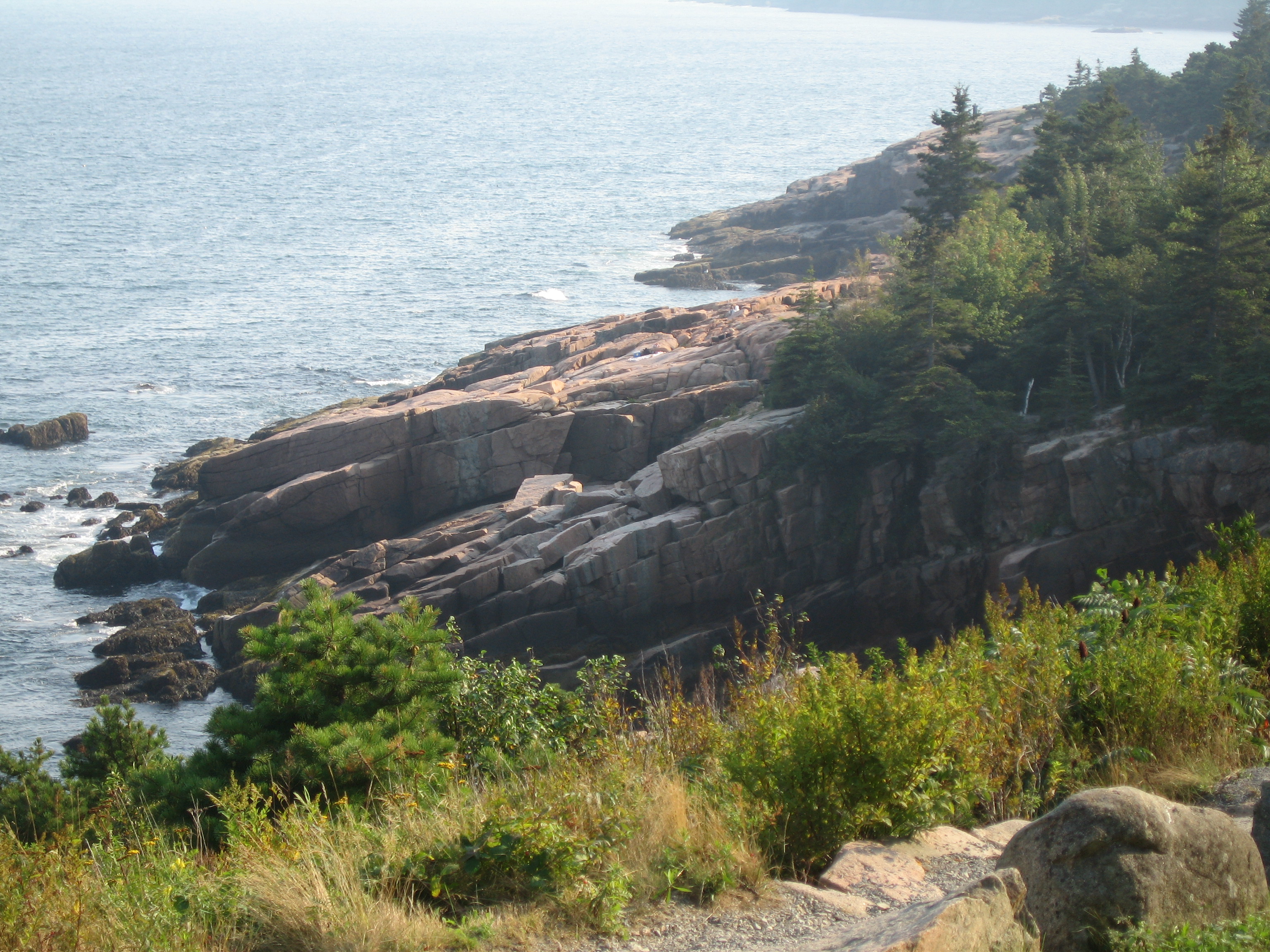
Acadia National Park, located on Desert Island on Maine's eastern coastline. Photo by Pat Bean

The USS Acadia, a destroyer tender that served in Desert Shield and Desert Storm

Navy war ships are named after our national parks, which seems an oxymoron to me.


I thought about this when I visited Acadia National Park in Maine, for which the destroyer tender, USS Acadia, is named.

I had sailed aboard this ship in 1990 on a Tiger Cruise from Seattle to San Diego, a public relations sea-going event to show loved ones how safely their sailors lived. My youngest daughter, a welder and one of 400 women assigned to the ship’s 1,200 person crew, had invited me. .

Shortly after we had sailed out of Seattle, we heard that Iraq had invaded Kuwait. The sailors correctly assumed they would soon be sailing to Mideastern Gulf waters, not the kind of thing any mother of a child in the military wanted to hear. Activities for the guests aboard the USS Acadia, however, continued, and my daughter and I won a Pictograph Tournament during the three days we were at sea. My prize was a bright red sweatshirt with USS Acadia in gold lettering imprinted across the front. I still wear it on cool days.

Fall in Maine ... Photo by Pat Bean

Entering Acadia National Park on Maine’s Atlantic Ocean coast brought back memories of my days aboard the ship, and refreshed my question of why war ships are named after national parks. It didn’t make sense to me. Parks are places of peace and war are places of hell.


What had started out as pleasant memories as I drove dissolved into a tumultuous concern about death and dying. As I always do, when I finally accept there are things my worrying can’t solve, was to shift my focus to Mother Nature’s wonders. It’s never hard to find them.

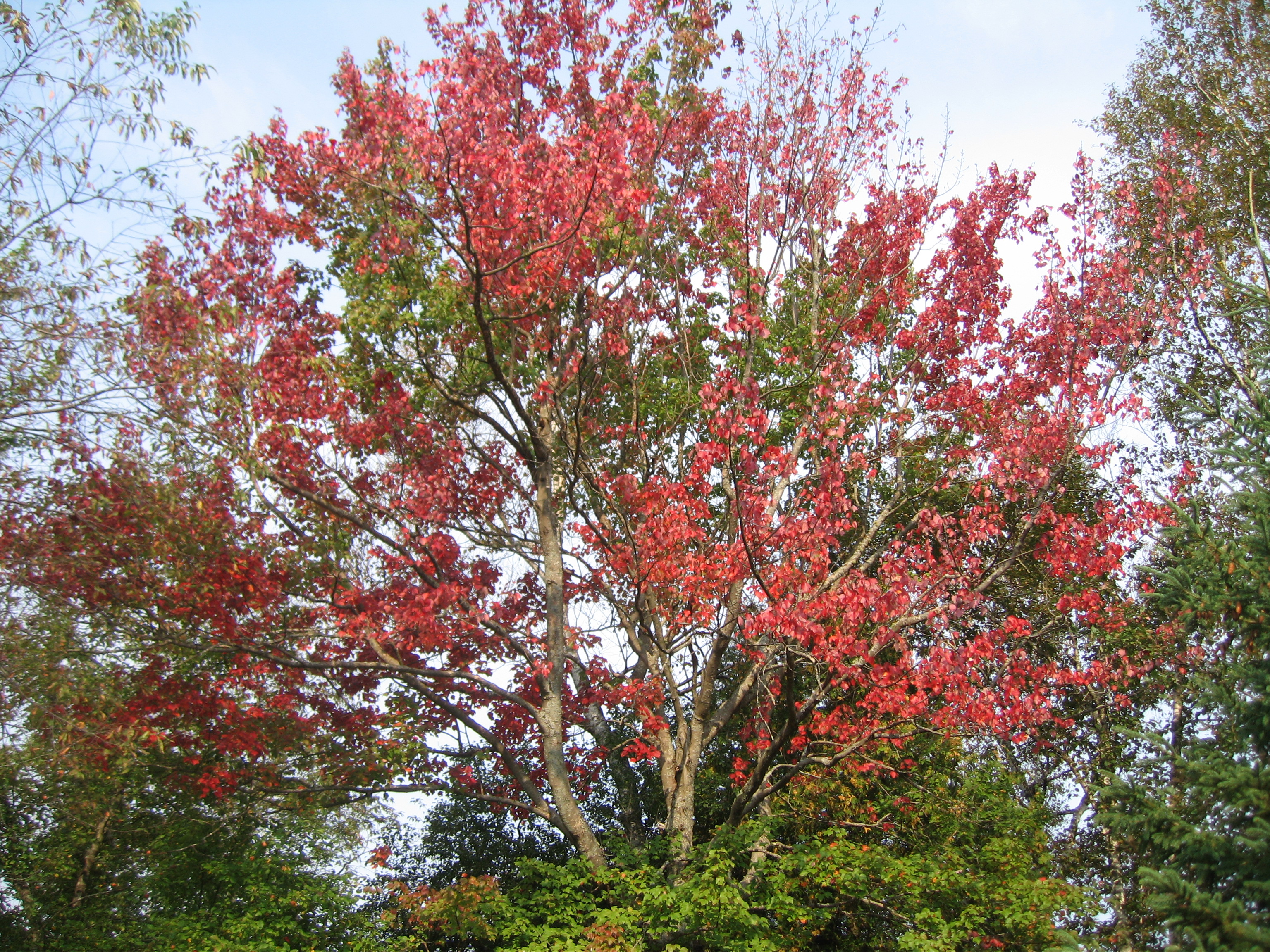
This day it was the color of the seasons. I had reached Maine in time to watch the foliage turn from green to reds and golds. While my concerns about war and my hopes for peace didn’t go away, they disappeared for awhile in a closet of my brain, and the door shut with the help of cheerful lilac asters that grew along the edges of the road.

Perhaps the answer to why ships of war are named after parks is to remind our country’s soldiers that beauty awaits them at home to counteract the ugliness of battlegrounds.

Read Full Post »


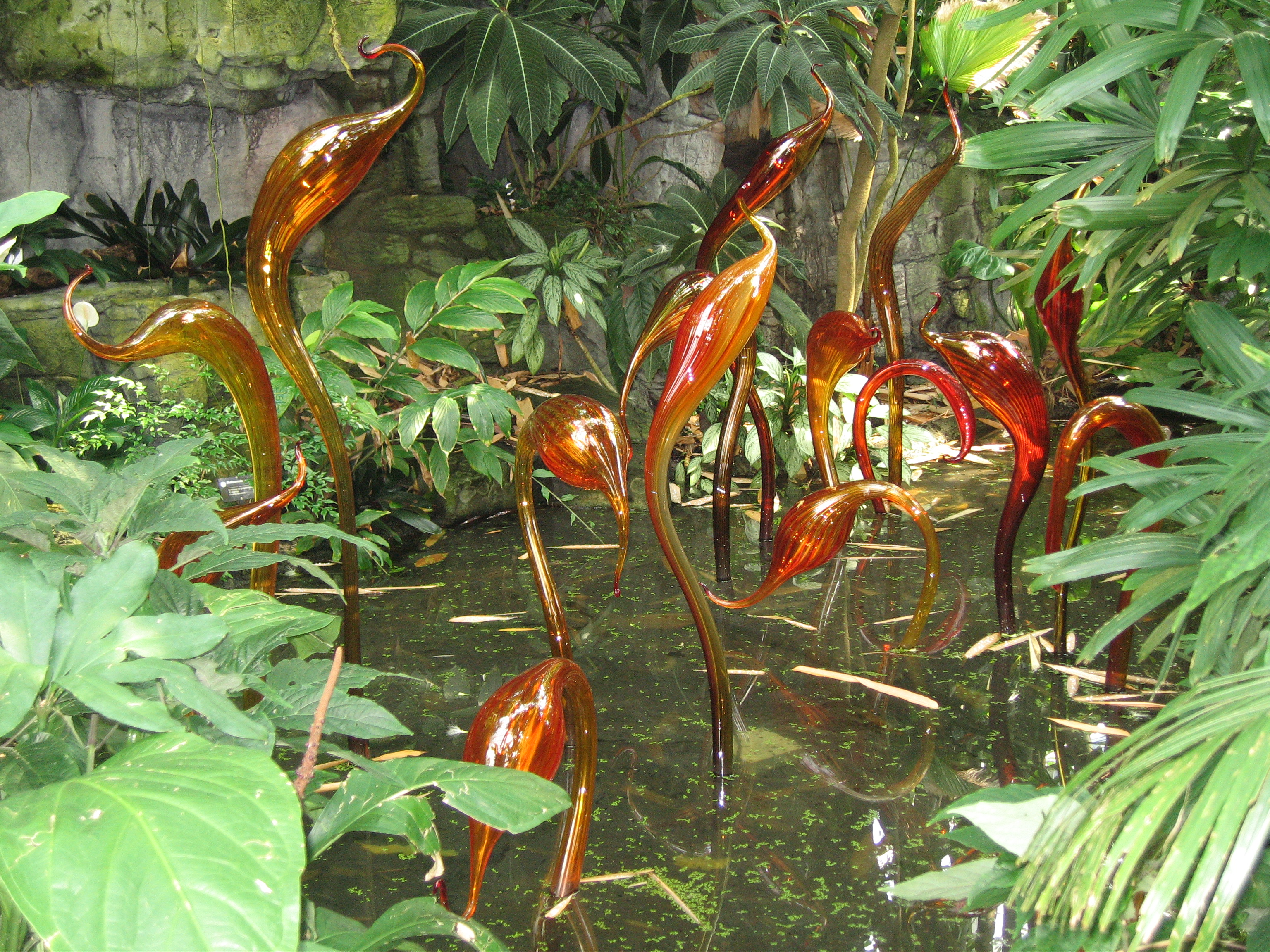
Chihuly's Orange Herons. Photo by Pat Bean

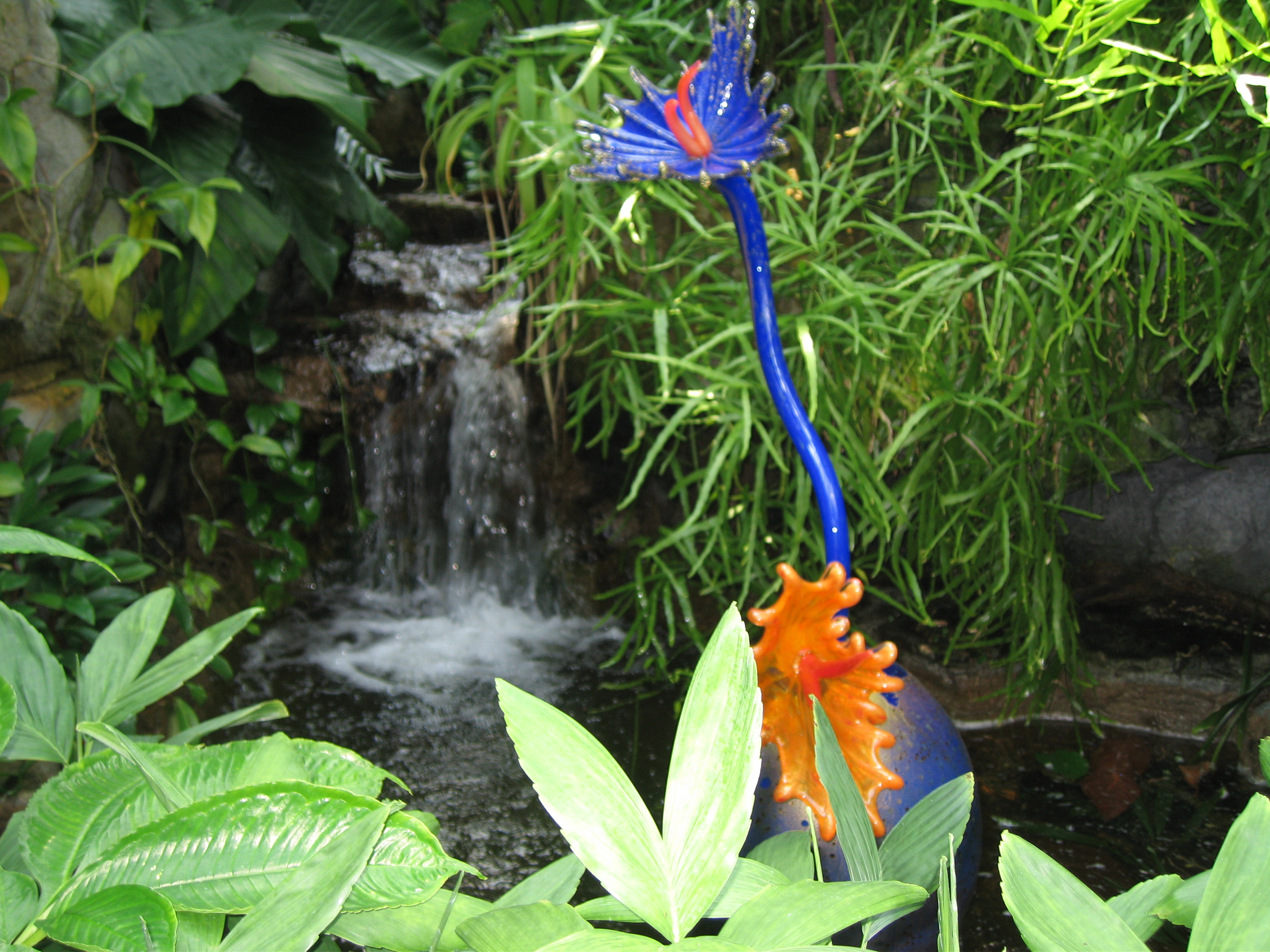
Glass flower beside a waterfall. Photo by Pat Bean

In 2006, I spent six months traveling from Texas to Maine and back with my black cocker spaniel, Maggie, in which I avoided put-you-to-sleep freeways and crowed large cities. St. Louis was the exception.

I had decided this Gateway City to the West, where Lewis and Clark begin their historic trek to the Pacific, was worth enduring the hustling cacophony of a thriving metropolitan jungle. Despite the heat – it was July – and the crowded and cemented downtown RV park where I hooked up and left Maggie in air-conditioned comfort while I played the tourist role, I had a great time. I even found a place where man and nature came together: The Missouri Bontanical Gardens, where a Dale Chilhuly exhibit was on display in the gardens’ Climatron.

As I walked through the dome’s earthy rain forest, I couldn’t stop taking photos. I usually only snap a quick picture when sight-seeing, than bring out my notebook. While it’s said “one picture is worth a thousand words,” as a writer I appreciate that it takes words to express this.

But this day, staring at Chihuly’s colorful glass creations of reeds and Mexican hats and herons and meteorite balls plopped down among a bounty of foliage and exotic flowers, left me wordless. When I later looked at the images, I found I had mingled Chihuly’s art with the creations of nature so well that I sometimes had to stop and ask myself which was which.

That night, I pondered how a genius like Chihuly comes to be. The answer quickly came to me: Single-minded focus and dedication. For almost as long as I could remember, I had wanted to be a “great” writer, yet I was always finding excuses for not writing. I knew I lacked the focus of a Chihuly, or even that of an old boyfriend who religiously practiced his guitar four hours a day, seven days a week. I was always getting distracted, and when my writing suffered I flagellated myself.

Such abuse went on for years, until I finally realized that giving up riding roller coasters with my grandkids, arguing politics with my friends, exploring new hiking trails, white-water rafting with my river-rat buddies, mindlessly watching the sun rise and set, reading Harry Potter the day it came out, and sniffing every flower in life I came across were more important to me than being great.

Writing is a part of my life, and will always be, but it will never be my whole life. Knowing this, accepting this, and now content with this, I lay silently in bed listening to Maggie gently snoring at my feet and let the waves of sleep take me.


Read Full Post »

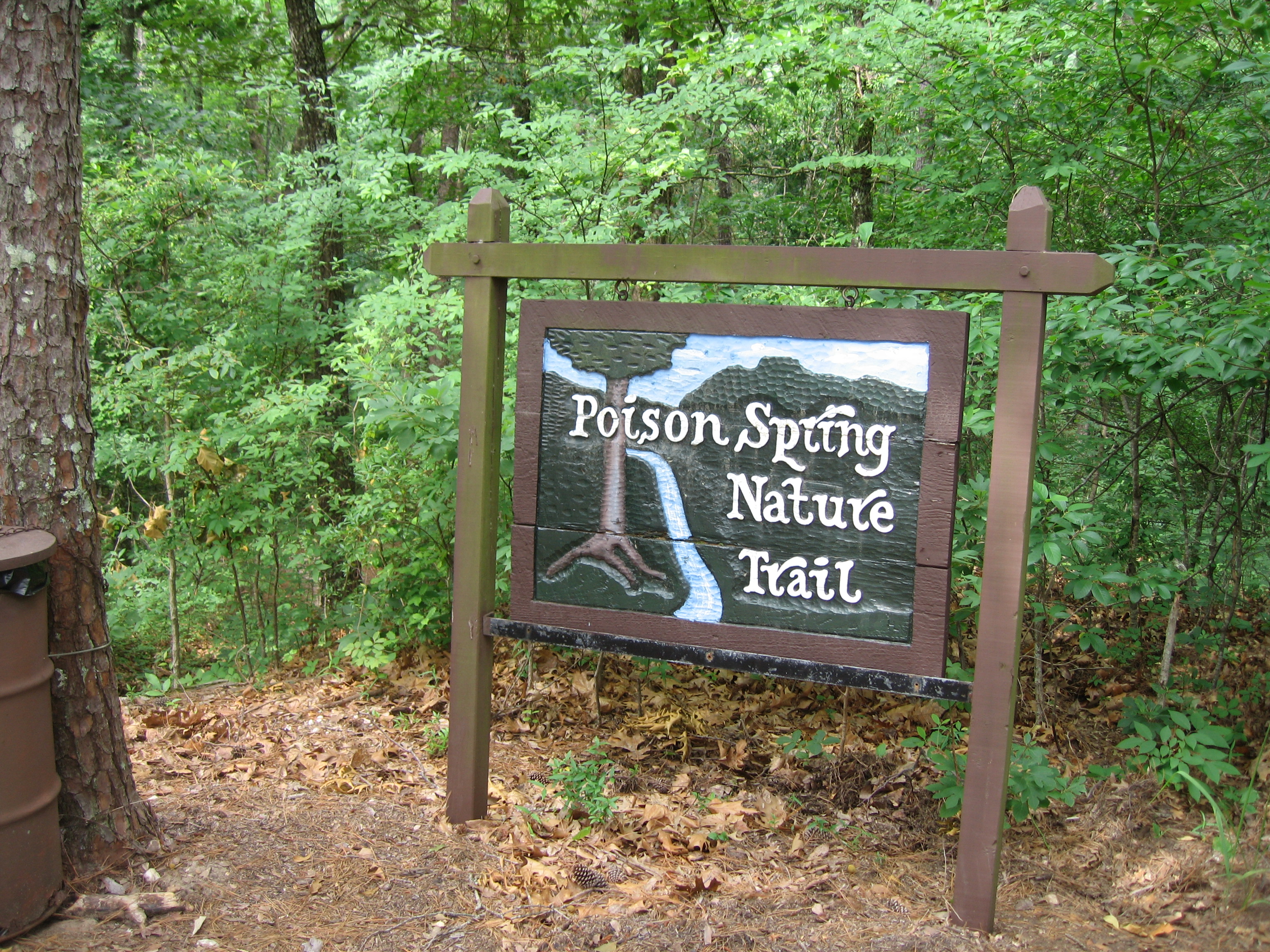
The trailhead at Poison Spring State Park near Camden, Arkansas. Photo by Pat Bean

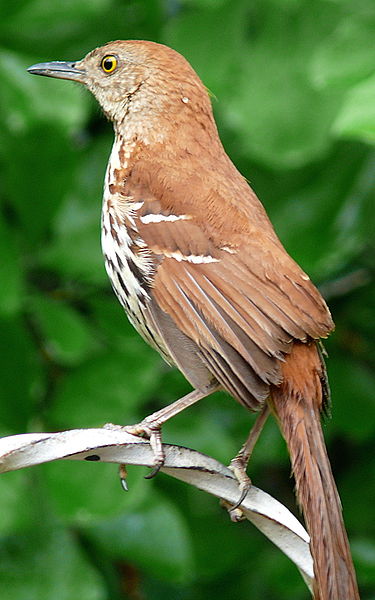
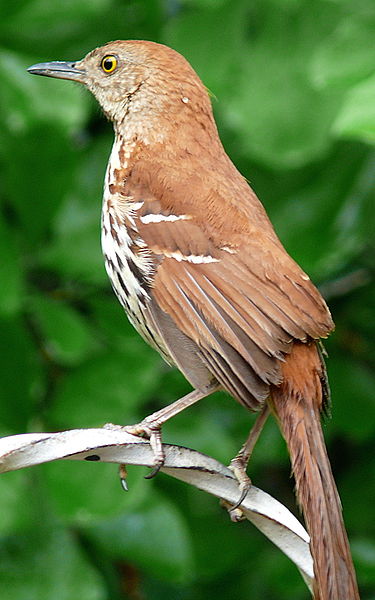
Brown thrasher. Photo by Ken Thomas

Awhile back I visited Poison Spring State Park, a designated Civil War historical site located off Highway 24 near Camden, Arkansas. The time I spent to digest the historical exhibit that told the story of a battle fought where tree-shaded picnic tables and rusty barbecue grills now reigned left me depressed.

War, regardless of whether the cause is just or unjust, is always butt ugly. I needed an antidote for the worry that this memorial, commemorating the soldiers who lost their lives here in 1864, quickened within me worries about the safety of our military sons and daughters who are fighting overseas today. 

I found the peace where I always do. In the company of Mother Nature. She was on the park’s nature trail, whose existence beyond the picnic area was noted by a colorful carved wooden sign. The path followed a tiny stream bank dotted with lush green ferns. Dragonflies, their double wings glistening in the speckled sunlight that drifted through the tree canopy, darted here and there while chattering cardinals serenaded all. In such a setting one can easily forget all is not right with the world.

House sparrows, mockingbirds and common grackles frequently appeared as I followed the short path  to its end and back.  But it was the sight of a lone brown thrasher that especially thrilled this birder’s heart. The only others I had seen of this species were in my Camden daughter’s backyard, where a pair were raising several chicks in a thick patch of wisteria that grew on the lattice roof of a patio cover.

A rusty brown bird slightly larger than a mockingbird, the brown thrasher mostly skulks its life away in thick woods out of sight of the casual observer. I spotted today’s bird as I rounded a curve in the trail. On spotting me it quickly scooted into the bushes – but not before I had spotted the striped yellow breast and the yellow eyes that shouted its identity.

 War, at least for these few seconds, ceased to exist.

Read Full Post »

African sunrise, 2007 -- Photo by Pat Bean

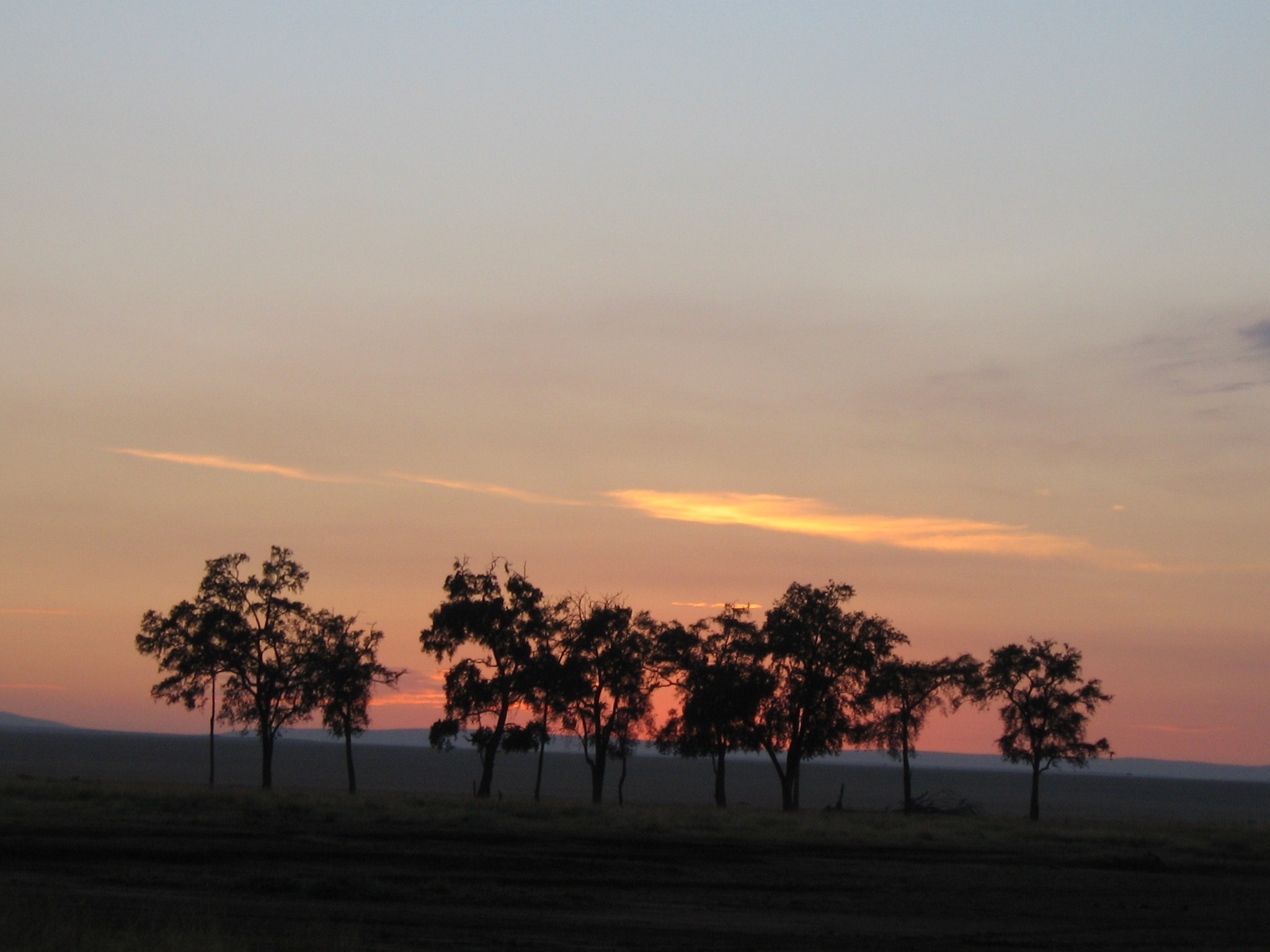
African sunset, 2007 -- Photo by Pat Bean

1.The rose and purple glow of the eastern sky at sunrise.

 2.Health.

 3.Children who accept an imperfect mother.

 4.My black cocker spaniel, Maggie, who has been my sole traveling companion for the past five years.

 5.Listening to a storm rage outside while I’m cozy inside.

6.Friends, especially those who kick my butt when I get off track.

 7.My oldest son’s safe return from three tours in Iraq.

 8.A new journal and a good pen 9.

Learning something new. 10.Spell check.

 11.Soft fleece blankets.

 12.Books and the authors who write them.

13.Awaking to the sound of birds singing outside my RV.

 14.Wild flowers and manicured gardens.

 15.Hearing my children ask me to cook one of their favorite meals for them.

16.Citizenship in a country where a woman can safely travel the streets alone with her face uncovered without fear of    being stoned.

17.Spring fields of bluebonnets in Texas.

18.Grandchildren who keep me young.

 19.My passion for nature and wildlife.

 20.Drivers who don’t tailgate, or get in front of you and slow down.

 21.The magnificent view from the top of Angel’s Landing in Zion National Park and being able to still get to the top to see it.

 22.People who’ve helped me through hard times.

 23.Cargo pants and bright colored T-shirts.

 24.The 37 years I spent as a journalist.

 25.The Internet, where I can almost always find the answer to my many questions.

 26.Tough writing critiques that help me become a better writer.

 27.The opportunity to experience my teenage years, for the first time, in my 40s.

 28.The return of wolves to Yellowstone.

 29.Holding hands with family at Thanksgiving while everyone tells what they are thankful for.

30.PBS Television. 31.My zest for life. 32.The blue-footed boobies that danced and dived for me in the Galapagos. 33.My friend, Kim Perrin, who knows all my secrets and won’t tell because I know hers, too.

 34.A hot bath.

 35.The heady colors of fall leaves.

36.Personal achievements of family members and friends.

37.Cool Texas days.

38.Completing a difficult task.

 39.Comfortable shoes.

 40.My morning two cups of coffee laced heavily with half and half.

41. Funky, no nickle, earrings for my sensitive ears.

42. Rivers to float down and oceans to wade in.

 43.Travel to new places.

 44.Clean bathrooms whose toilet paper rolls are not empty.

45.Helen Reddy singing “I Am Woman, Hear Me Roar.”

 46.Immunizations

47.Getting to meet and interview Terry Tempest Williams and Maya Angelou.

48.That I finally learned to ski.

 49.People who work for peace.

 50.Moisturizing cream for my dry skin.

 51.People who greet you with a big smile on their faces.

 52.Laughter

 53.Pleasant surprises.

 54.Love, received and given.

 55.A good margarita shared with friends around a campfire.

 56.Giant redwoods

 57.That when my mother died it was in my home and with my growing-up anger toward her long vanished.

58.A crackling fireplace and a good book on a cold day.

 59.Waking up to a world made pristine by an overnight snowfall.

 60.Reading glasses.

 61.My youngest daughter’s caring ways – and her shepherd’s pie.

 62.My middle son’s shared love of birding.

 63.My oldest daughter’s shared love of writing.

 64.My oldest son’s concern for me. 65.

My youngest son’s search for himself, even though he is doing it outside the family fold at the present time.

 66. My oldest son’s wife who is my guardian travel angel.

67.My middle son’s second wife who cares for four of my grandchildren as if they were her own.

 68.My youngest daughter’s husband who is the handyman of the family.

 69.My oldest daughter’s husband’s quirky ways.

 70.Days when I can go braless.

71.Roger Tory Peterson, who created the first user friendly field guides for identifying birds.

 72.Washing machines and dryers

 73.Chocolate

74.Scenic byways and backroads

 75.Days when my mutual funds make money instead of losing it.

 76.Christmas carols.

 77.My Golden Age Passport.

78.A fresh hair cut and color.

 79.Good memories of my youngest brother who died of AIDS at the age of 35.

 80.Sailing on Great Salt Lake

 81.Van Gogh’s “Starry Night” and his sunflowers.

 82.Days when I don’t put my foot in my mouth.

 83.Pretty paper and stationery.

 84.Cell phone alarm clocks.

85.Back scratchers and fly swatters.

86.Good binoculars and birding scopes.

 87.The magic, silent gray minute between which night becomes day.

 88.Scenic hikes, like the one up Negro Bill Canyon outside of Moab, Utah. 89.Fireflies.

 90.That we still have whooping cranes and condors in this world.

91.Homemade ice cream.

 92.Digital cameras.

93.A good non-stick skillet.

 94.Soft flannel pajamas.

 95.Maps.

 96.Scented candles.

 97.My monthly Social Security check.

98.Roller coasters and tandem sky-diving jump masters.

 99.Mosquito repellant.

 100.Red and Orange sunsets that paint the western horizon.

Read Full Post »

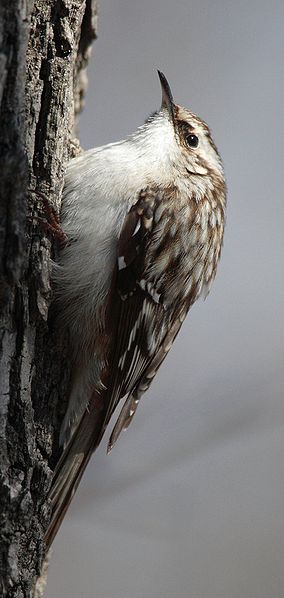
 Brown Creeper, photo courtesy of Wikimedia

I never saw patience as a virtue, just an excuse for those too lazy to take action or those frozen into place because of fear of making a wrong decision. Right or wrong – and it was often the latter – I had to immediately plow the furrow.  Patience played no role in my life until the birds trapped me in their seductive net.

 I suddenly found myself sitting for hours in an effort to watch and identify a tiny bird that was building a nest in the corner of a shelter at the Bear River Migratory Bird Refuge. It was a barn swallow.

 The 10-minute trip across the causeway to Antelope Island, where I often hiked, began taking four hours. Is that a lone Barrow’s goldeneye in the middle of that flock of common goldeneyes? Yes! It is a Barrow’s! It’s the only duck in the group with a white crescent on its face instead of a white circle.

 Is that bird sitting on that tree limb at Beus Pond a loggerhead shrike or a northern shrike? Dang it! The bird flew away before I answered that question. But I did finally see a brown creeper that had eluded me for five years.

Dainty and delicately patterned to match the bark of a tree, the bird was clinging to the trunk of an oak about 30 feet away from me, and just two blocks from my daughter’s home in a populated subdivision in Dallas. I never would have seen it if I hadn’t been standing motionless for the past 15 minutes in the shade of a larger sprawling oak watching the antics of several butter butts.

 These birds are more properly known as yellow-rumped warblers, but one flash of their yellow butts and the nickname sticks in your mind. While the butter butts are hard to miss, the creeper is so well camouflaged that even once I knew it was there, my eyes sometimes fooled into thinking it was part of the tree. From my hidden vantage, I watched as the creeper spiraled upwards around the trunk, using its thin, down curved bill to search the bark for insects.

 OK. Uncle! Patience is a virtue – but you still have to get up off that couch and turn off the television to make it one.

Read Full Post »

The Curious Coyote

The stillness of night here at Cedar Hill State Park, where the sounds of modern day life are muted, is often broken by the yapping bark of coyotes. It’s a sound that reminds me nature is my backyard. The snippy howls are music to rival that of Willie Nelson singing “Blue Eyes Crying in the Rain,” one of my favorite songs.

The coyotes also fascinate Maggie, the 25-pound, black cocker spaniel who is my traveling companion. Her wild cousins have been leaving scat on the road on which she and I take our daily walk down to the lake and back. Maggie always gets agitated with me because I keep her leash too short for her to stick her nose in the territorial offering.

 A couple of days ago Maggie was on the couch sleeping, her favorite past time, when for no reason that I could tell she awoke. In a flash she was up and barking out the open RV window. Usually that signals a camper with a dog is walking past. Not this time, however.

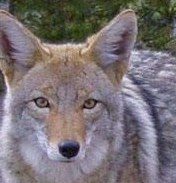
Maggie’s eyes were glued toward the forest behind our motor home. I looked and saw nothing, and was in the process of sternly telling Maggie to be quiet when something moved. It was a coyote, hidden from a casual view because of how well it melded against a tree trunk. It was close enough for me to see the yellow of its eyes and to be able to distinguish the individual patches of brown and gray fur in its winter coat.

 As I stared in awe, the coyote shifted its gaze from Maggie, whom it appeared to have been studying intently, to me. The coyote and I had a 3-second stare off before it turned its butt toward me and casually sauntered out of sight.

Maggie continued staring out the window for another 10 minutes, while I wrote about the sighting in my journal. I wondered if we were to the coyote what the monkeys in the zoo are to us humans.

Read Full Post »

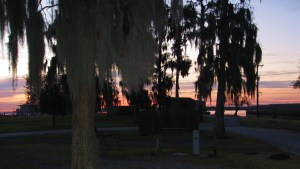
Lake End Park, Morgan, La. The above photo was taken at Lake End Park in Morgan, La. The photo is a pale image of the original, but each time I look at it, my mind’s eye sees the intensity of the colors once again.
I’m a morning person, most often up before the sun peaks above the horizon. At the first upward flick of an eyelid, I’m ready and eager to bounce out of bed. It’s as if I can’t wait to discover what surprises the day will bring. It helps that I’m an optimistic, Pollyanna-ish kind of person.

This early morning exuberance has not helped me win friends over the years, especially among coworkers who only came to life just before quitting time. It might have helped if I hadn’t always been so verbosely cheerful, but the bratty kid in me was usually in charge.

These days, the only one I have to annoy with my early morning zest is my dog, Maggie. She and I have spent the last five years alone together traveling this great country of ours in a small RV. When I pop down from our over-the-cab bed, she snuggles deeper into the covers. It’s at least 9 a.m. before she’ll emerge and give me that look that says, I have to go for a walk – right now!

Before that happens, I’ve finished off a pot of coffee, which I’ve heavily laced with cream, answered e-mail and updated Facebook. If it’s been a good morning, I’ve written a couple of pages on my current writing project, and if it’s been an especially good morning, I’ve also watched the sun come up out my RV window.

There’s something about a sunrise that touches my soul. It’s as if all my heart’s desires are bound up in the pink, the purple, the orange layers spread out across the eastern sky. It’s Mother Nature’s way of saying the dark won’t last forever.

So wake up already and watch it with me.

Read Full Post »

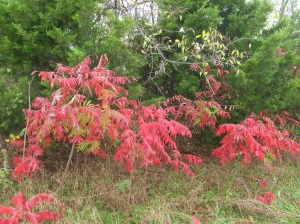
A brighter patch of colorA patch of color

Fall in Texas is nothing like the season Utah celebrates. Before retiring and going on the road, I enjoyed the cacophony of colors that painted this Rocky Mountain state’s hillsides and forests for 25 years. The change between summer and winter there blared out like a cannon being shot off on the Fourth of July.

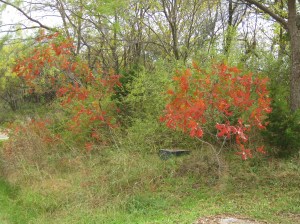
Texas’ fall plays a pale game of hide and seek. The lush leaves of summer seem to simply turn brown overnight, and then fall to the ground when the next wind whistles through their branches. Thankfully, a few leaves choose instead to fight back against winter’s call with one last show of fire.

I’ve been watching two such patches for the past week on my daily walk from my camp site here at Cedar Hill State Park on a loop that takes me down Joe Pool Lake and back. One is a sprinkling of orange against a background of tree trunks and light green foliage; the other a scarlet-leaning-toward-maroon patch that sits in front of a stand of evergreens.

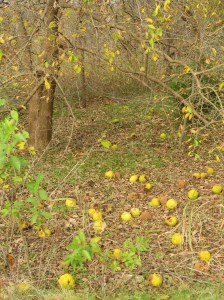
 They halt me in my tracks every time I pass by. Because such fall color is rarer here in Texas, when I do see it, I always appreciate it. While I still miss the vibrancy of Utah’s fall, I’ve discovered you can find beauty anywhere you look, even if it’s nothing more than a litter of horse apples lying on the ground after falling from a Bodark tree.

And that’s not a sight I ever saw in Utah.

IMG_1855

Horse apples that fell from a Bodark tree here at Cedar Hill State Park

Read Full Post »

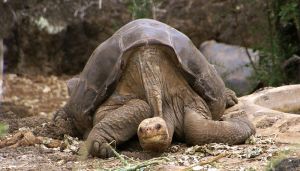
Lonesome George

Lonesome George  ….   Nov. 9, 2009

Lonesome George

Lonesome George, the Pinta Island giant tortoise who's the last of his kind. Photo from Wikipedia

This month’s Audubon magazine has a post about Lonesome George possibly becoming a father. I saw George during a visit to the Charles Darwin Research Center on Santa Cruz Island in the Galapagos a few years back. He’s a 90-year-old tortoise and the last of his kind, although he does have some close cousins, two of these being a pair of female Isabella Island tortoises who share his enclosure.

 George was discovered as a sole survivor of his subspecies in 1972. From that time on, it’s been hoped that he would pass on his unique genes, and the Isabella females were selected as potential mates. George, however, proved to be no Don Juan.

Perhaps he’s just a late bloomer, I thought when I read the Audubon nature note. Some of us are. And it’s not that he doesn’t still have a lot of time left to do his begatting. While he’s nearing in on the century mark, these huge tortoises, which never stop growing, can reach the two-century mark.

 Before seeing George at the center, I was privileged to walk among – close enough to touch – the tortoises that roam free on Santa Cruz. One big fellow, who was blocking the trail, hissed at us as we detoured around him. He weighed close to 500 pounds and I gladly gave him the right of way.

 Of the 14 subspecies of Galapagos tortoises know to have existed, 11 survive today. Without the captive breeding program at the center, the number of survivors would certainly be fewer. While it would be nice if George was once again roaming free, it’s nice to know that one day his kind might have the opportunity of doing so.

It’s also comforting to know that there are other humans like myself who share such a hope.

Read Full Post »

« Newer Posts - Older Posts »