Feeds:
Posts
Comments

Archive for the ‘Travel’ Category

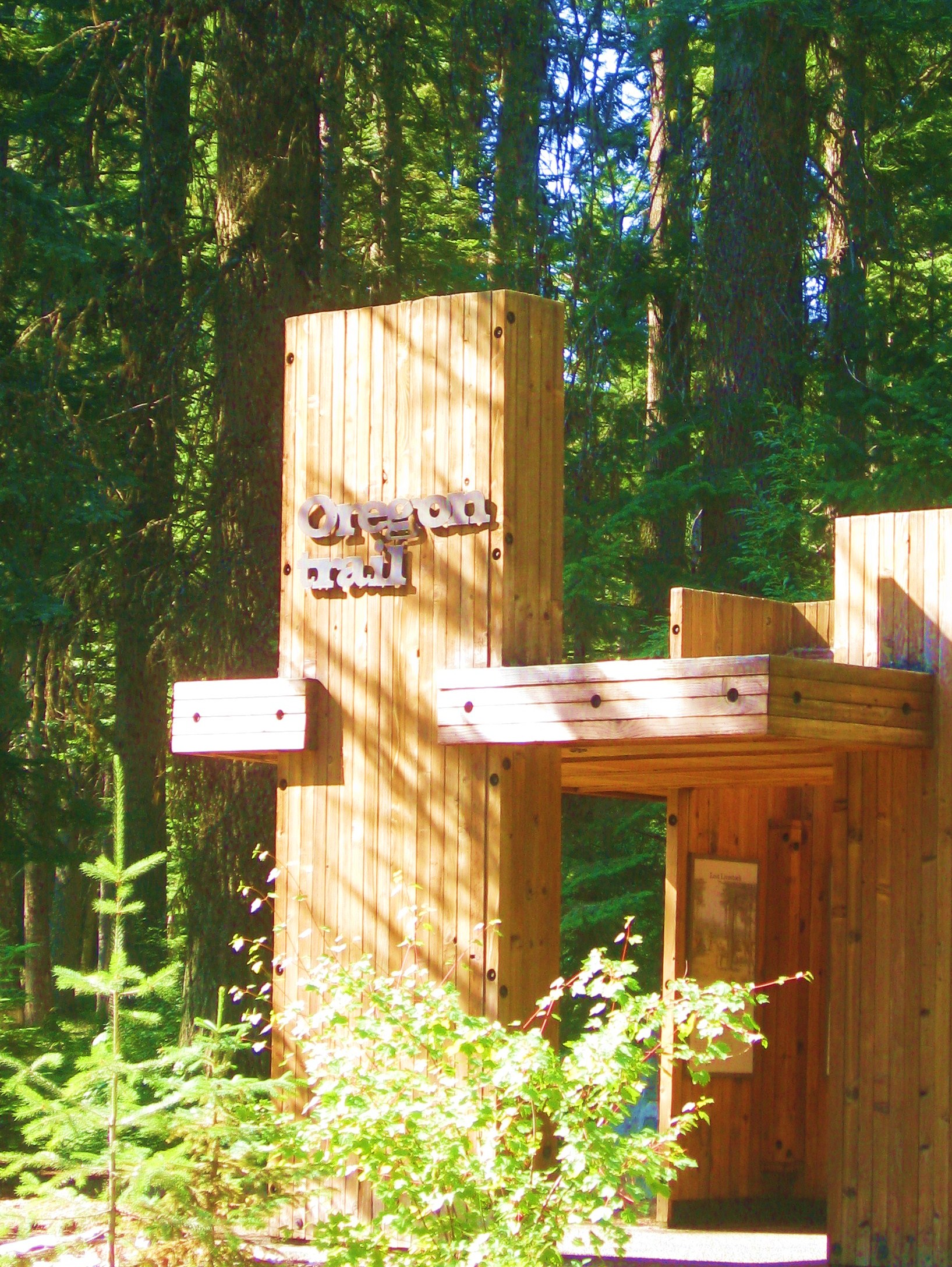
Oregon Trail marker -- Photo by Pat Bean

 “When you start over these wide plains, let no one leave dependent on his best friend for any thing; for if you do, you will certainly have a blow-out before you get far.” John Shively, 1846.
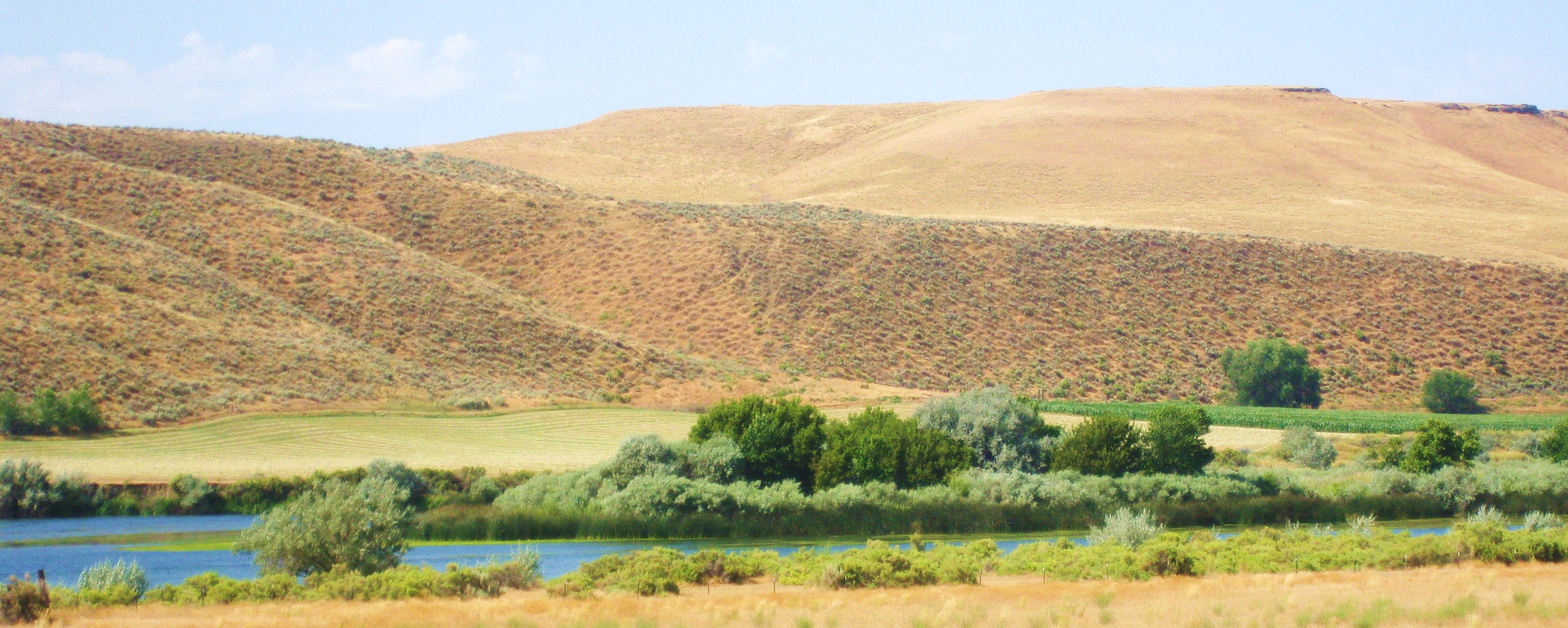
Looking across at the third of the three islands Oregon Trail travelers used as a stepping stone to cross the Snake River. -- Photo by Pat Bean

Travels With Maggie

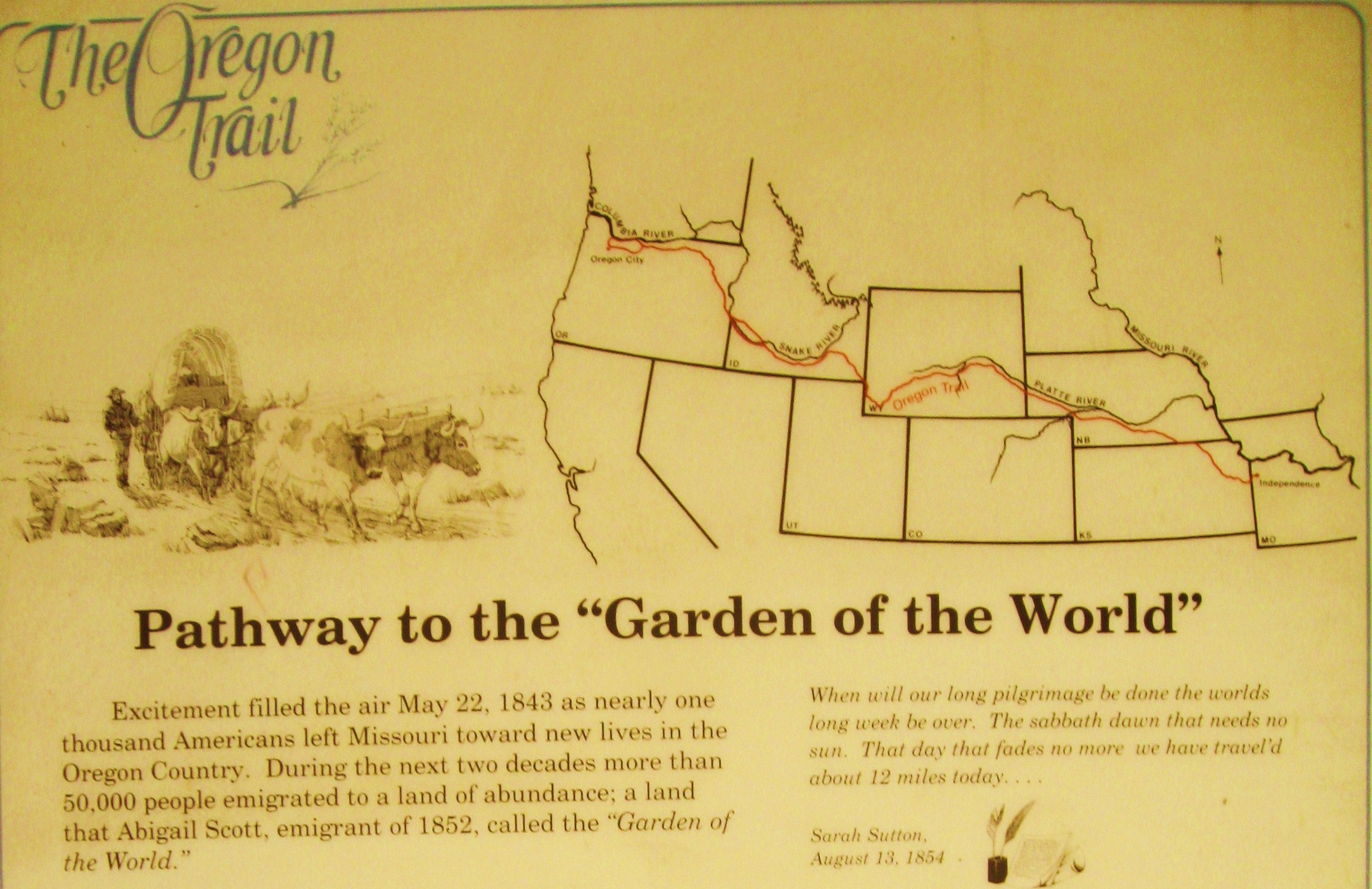
 Once my RV had four operable wheels again, my journey continued to follow in the same footsteps as those of the 400,000 hardy souls who took the Oregon Trail west to a better life. Having read about some of their harrowing adventures, I knew my flat tire was nothing to whine about.

 Travelers along this mythical 2,000-mile scenic byway that began in Kansas and perhaps included a float on the Columbia River for the final leg, had only ruts of earlier travelers to follow. I call the trail mythical because there were places where early traces of this roadless way west disappeared. With my complete lack of a sense of direction, I would have probably ended up my journey on the shore of the Atlantic Ocean instead of the Pacific.

 I thought about these rugged ancestors as Maggie and I comfortably traveled in air-conditioned comfort to Three Island Crossing State Park in Idaho. It was 203 miles from where I had my flat to the night’s destination. I made it, including a few sight-seeing stops, in about five hours. I wondered how many days it took the mid-1800s’ travelers.

 Three Island park is located at a favored Snake River crossing of the Oregon Trail travelers. It was a place where they could use three small islands as stepping stones to make the crossing just a tiny bit safer. The trail, however, continued west on both sides of the river until Fort Boise. While crossing it meant an easier route ahead, some chose not to take the risk, especially if the river was running high and fast.

As a former river rat who rafted the Snake River in both Idaho and Wyoming, and who took a few dunkings while doing so, I can personally attest to the wiseness of this decision. I, fortunately, had a very good life jacket to save me the times I was eaten by the Snake’s fury, something the pioneers did not have.
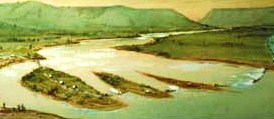
Idaho State Park illustration of Three Island Crossing

 In 1869, Gus Glenn constructed a ferry to take wagons and freight across the river, an enterprise that is responsible for the town – Glenns Ferry – which now sits at this spot beside the Snake River. The ferry also made the lives of those traveling the Oregon Trail a bit easier. You can read all about Gus and his ferry at the Glenns Ferry Historical Museum in town, and all about the Three Island Crossing at the park’s museum.

 I visited both the next morning before heading on down the road, thankfully paved with well-marked signs to keep me heading in the right direction.

Read Full Post »

         “I believe that if you think about disaster, you will get it. Brood about death and you hasten your demise. Think positively and masterfully with confidence and faith, and life becomes more secure, more fraught with action, richer in achievement and experience.” — Eddie Rickenbacker

Gypsy Lee -- my RV's named after my mother's maiden and my middle name and my itchy feet -- is once again ready for the road. She's pictured here resting for the journey at lake Walcott State Park. -- Photo by Pat Bean

Travels With Maggie

 I was just outside of Baker City, Oregon, when disaster struck. The left rear tire on my RV exploded, strewing rubber all along the highway. Thankfully, I managed to get the vehicle safely to the side of the road. In six years, and 110,000 miles of travel, this was my first roadside emergency – well if I don’t include getting stuck in the mud in my daughter’s Dallas backyard.

I immediately called my Good Sam emergency road provider, telling them first that I was safe, then where I was and that the only spare I had was for my front tires, which are a different size from the rear ones. I knew I could be in trouble because my RV sits atop a Volkswagen Eurovan chassis and its tires are not common. The voice on the phone, however, assured me that he would get me help and to hang tight while he made some calls.

 Twenty minutes later, he called back, saying he had located a tire for my vehicle, but that it would be a couple of hours before it could be picked up and delivered to me. At this point, I thanked my guardian angel for both the tire, and that I was stuck on the side of the road in Oregon, where the temperature was only 72, instead of my native Texas, where it was in the high 90s with humidity just about as high.

 Knowing help was on the way, I opened my RV windows to take advantage of a gentle breeze and settled in with a good book for the duration. Thirty minutes later, however, an emergency roadside service guy turned up with my tire

Maggie hopped onto our bed and snoozed the disaster away. -- Photo by Pat Bean

 – or so we both thought. Turns out he discovered he had the wrong tire after he had jacked up my RV. He left to go get the right tire, but 20 minutes later he returned red-faced to retrieve his jack. Seems he not only had the wrong tire, he had the wrong customer. His guy, now angry at the delay, was still waiting up the road.

It was another hour and a half before my service provider showed up with the tire for my RV. It was only a 4-ply passenger tire, however, that I would need to quickly replace. That took two weeks and a lot of searching. Rusty, the manager at an auto repair shop in Ogden, Utah, where I get my RV serviced when I’m in town, finally located a pair of 10-ply tires in San Jose, California, that would work. He had them shipped to Ogden, where a friend of mine picked them up and brought them to me at Walcott State Park in Idaho, where I’m currently a volunteer campground host.

 I had the tires mounted at a tire store in nearby Rupert – and am looking forward to getting back on the road again next week. Hopefully my journey will be trouble free – but if it’s not, the journey will still be worth any problem the road throws at me. Life’s too short to worry about what might happen.

Read Full Post »

Bordellos, Wagon Ruts and the Cost of Ease

this day got an early start; in a few miles we came through the thick timber and came to large pines. the road smoother and not so hilly directly we came out of the pines and went down a long hill into the Umatilla Valley; the bottom and bluffs covered with Indian ponies and horses, too. came to the Umatilla river and camped.” Loren B. Hastings; October 8, 1847 

Travels With Maggie

Once across the Columbia River, I followed Highway 84 through Pendleton, Oregon, a town with an untamed past. It was once home to numerous bordellos and saloons, most of them below ground in underground tunnels dug by the Chinese beginning around 1870. The brothel trade stuck around until the late 1940s, when a Presbyterian minister finally put a damper on the business by announcing he was going to read the names of those patronizing the businesses in church. Today, the city is best known for its woolen mills and its annual rodeo, the Pendleton Round-Up.

South of Pendleton, Highway 84 follows the path of the Oregon Trail as it climbs through the Utmatilla Indian

Information on a historical kiosk along Highway 84 in Oregon -- Photo by Pat Bean

 Reservation and across the Blue Mountains. A kiosk at the top of Emigration Hill at a place known as Deadman’s Pass – it’s not hard to guess why it is so named — informed me that more than 50,000 emigrants headed West passed this way between 1840 and 1850. Their road, unlike mine, had not been paved. And instead of travel time easily measured in minutes, they spent days conquering the route’s rough and stony hills. Their wagon ruts, still visible today, are a testament to the heart and soul of people hoping for a better life.

I stopped for the night at Emigration Springs State Park, where my neighbors were a couple of grandparents introducing a young grandson to the joy of the outdoors. Maggie fascinated the youngster, and she obligingly let him pet her for a couple of minutes. While she’s always gentle with small children, she prefers her strokes to come from adults. After she gave me a painful look, I rescued her by continuing on our walk through the park.

Fireweed: So named because it is one of the first plants to bloom after an area has been destroyed by fire. The flower speaks to me of hope for the future and Mother Nature's survival from man's impacts. -- Photo by Pat Bean

Knowing that my footsteps were walking on top of those of the hardy pioneer souls who had spent the night here over 150 years ago heightened my enjoyment of the landscape around me. My night, however, was interrupted too much by the whoosh of passing vehicles on Highway 84 to let me linger in the past. And awakening in the morning to read about oil rigs using the Gulf of Mexico as a dumping ground so as to power those vehicles definitely brought me back into the present.


I’m thankful to have been born in this day and age, and to have conquered the Blue Mountains so easily in my small RV. But sometimes I ask myself what is the cost I’m paying for such an easy life. Hopefully it’s not one that’s going to deprive my future great-grandchildren of Mother Nature’s company.

Read Full Post »

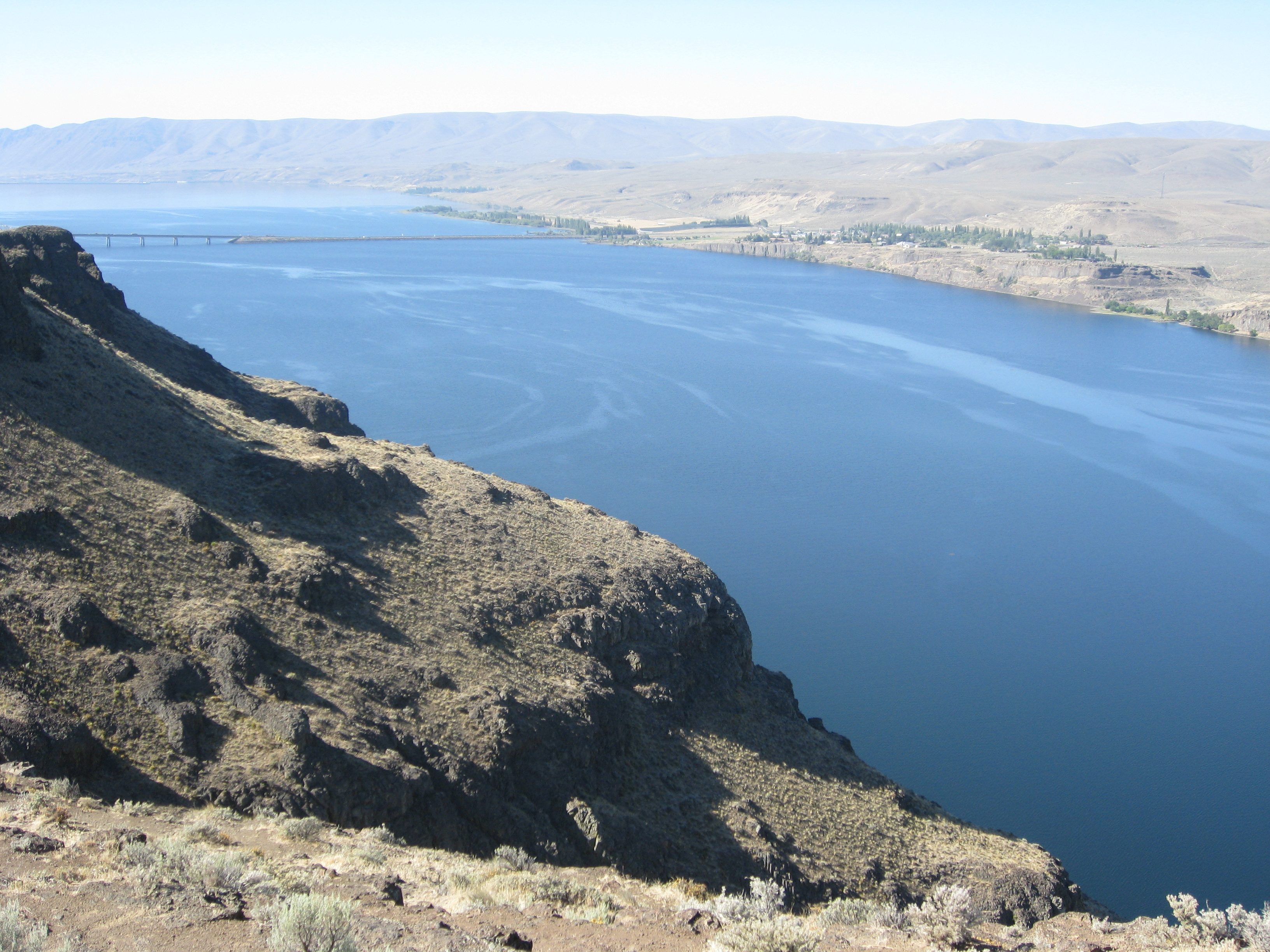
Looking down the Columbia River at the Vantage Bridge and across it at Washington's Ginko Petrified Forest State Park. -- Photo by Pat Bean

“Sometimes, if you stand on the bottom rail of a bridge and lean over to watch the river slipping slowly away beneath you, you will suddenly know everything there is to be known.” — Winnie the Pooh

Travels With Maggie

The mighty, 1,243-mile long Columbia River, begins in the Rocky Mountains of Canada, flows south through Spokane and then forms much of the border between Washington and Oregon on its way west to the Pacific Ocean. Maggie and I crossed it twice in the same week as we traveled to Mount Ranier and then down to Southern Idaho. Both times left me awed.

 The first crossing was on Highway 90’s Vantage Bridge, an impressive structure with overhead steel girders, the kind that always sets off a rare barking episode from Maggie. Passing motorcycles are about the only other thing she barks at during our road journeys.

Once across, the highway climbed steeply through a section of Ginko Petrified Forest State Park. From an

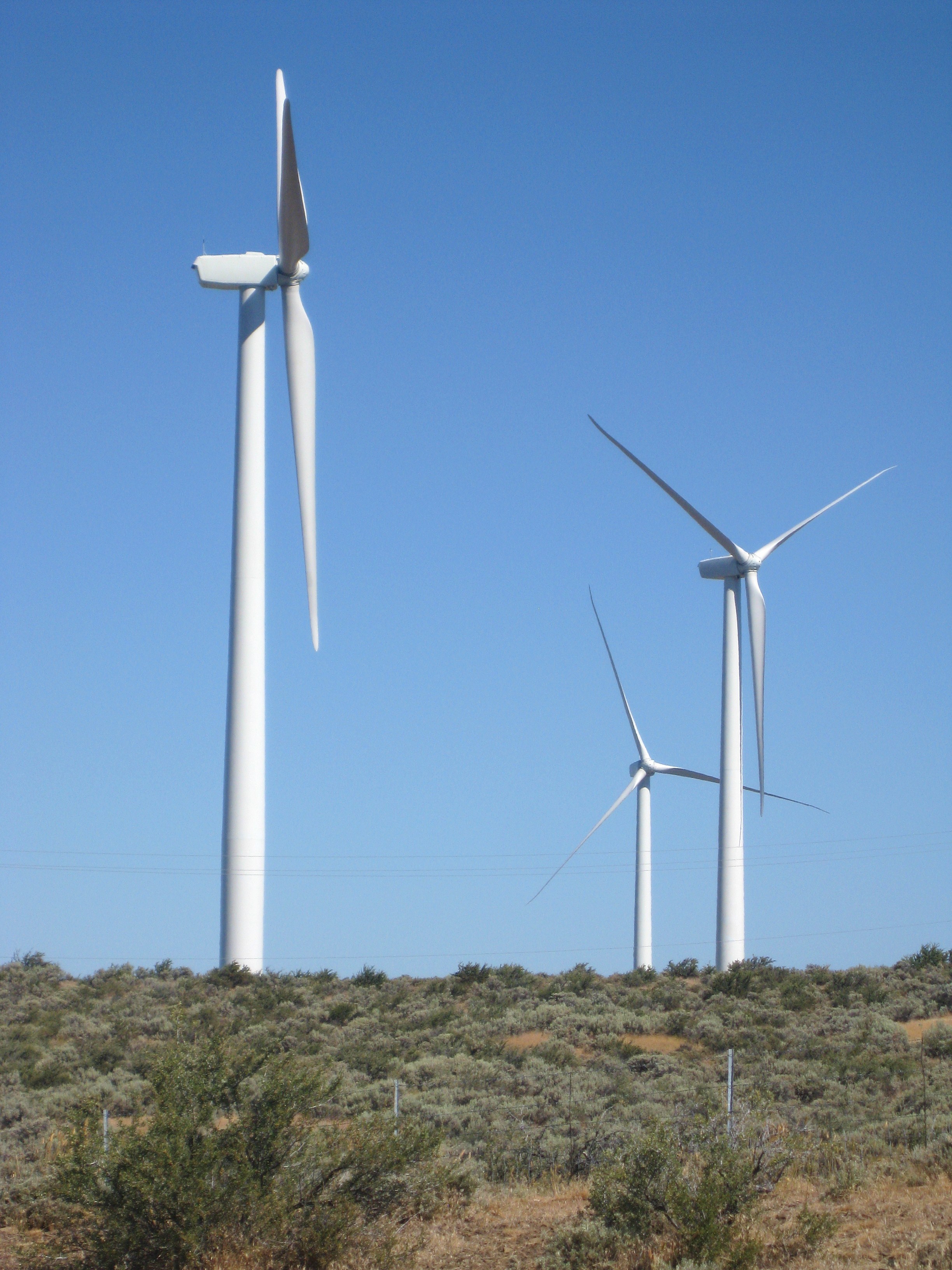
Turbine windmills, part of Washington's Wild Horse energy project, sit atop the Columbia River Gorge near the Vantage Bridge crossing. -- Photo by Pat Bean

 informational plaque at an overlook just east of the crossing, I had learned that the park, in addition to Ginko, the sacred tree of China now almost extinct in the wild, includes over 200 other kinds of woods preserved by million year old lava flows.

 I stopped at the top of the gorge at the Ryegrass Rest Area, where I got a hazy view of Mount Ranier, and a look at huge turbine windmills that take advantage of the winds created by the river gorge. During an earlier trip, when I followed the Columbia River Gorge’s path all the way through Washington, I stopped at Maryhill State Park, where I watched windsufers also take advantage of this same wind source. Mother Nature is so kind to us.

My second crossing of the river on this trip was over Highway 82’s Umatilla Bridge. Before crossing, I stopped briefly at Plymouth Park on the north side of the river, where I ate my lunch and watched robins and house sparrows stroll past, ever searching for a tasty treat of bugs, seeds or picnicker leftovers.

Lewis and Clark camped near this park, which is named after Plymouth Rock because of the huge basaltic rock that projects into the river at the site. The pair of explorers most likely saw robins in the area, but house sparrows hadn’t yet been brough over from England to America.

Joining my thoughts revisiting the Lewis and Clark expedition were one about the first white settlers who passed this

Highway 82 historical kiosk reminding travelers they are following the Oregon Trail route. -- Photo by Pat Bean

 way.   I was now seeing frequent signs reminding me that the smoothly paved road I was driving down was once little more than wagon ruts, and not even that for the first brave settlers heading west. My route across the Columbia River to Pendleton, Oregon, and continuing south was basically once known as the Oregon Trail.\

The pioneers’ crossing of the Columbia River would have taken much longer than mine and Maggie’s. How could one not be awed by the adventures of those hearty souls. Or by the Columbia River itself, I asked Maggie as I crossed the river on the Umatilla Bridge. There was no reply. Maggie was snoozing.

With no traffic in sight, I slowed my speed to better enjoy the river view.

Read Full Post »

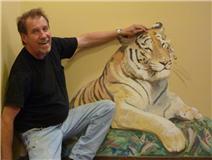
Larry Kangas in front of a tiger mural he recently painted for a San Diego retirement home .

Curiosity is the very basis of education and if you tell me that curiosity killed the cat, I say only the cat died nobly. — Arnold Edinborough

I love the Internet. It keeps me in touch with loved ones and friends while I’m all the way across the country. I can see pictures of my great grandson as he takes his first step, and keep in touch with a son’s who’s halfway across the world in Afghanistan. 

It also adds an extra dimension to my travels, from researching my destinations to answering a head full of questions, including a recent one about who was the artist that painted a fire house in Morton, Washington, which I wrote about August 2.  

My curiosity, which I guarantee is greater than the one that killed the cat, wanted to know more about the artist. I was sure I had seen other work by him in my travels.  

With only the signature “Kangas’” to go on, I searched the Web and discovered the artist was Larry Kangas of Beaverton, Oregon, and that he has been painting big for over 35 years – and is still going. 

We exchanged a couple of e-mails, and I learned that he has painted his murals on everything from walls in private homes to aviation museums. As a U.S. Air Force navigator for 21 years, aircraft have been one of favorite subjects over the years.  

Assisted living facilities have been the beneficiary of his most recent work, however. 

“Must be those boomers,” he says, adding that “I am one.” He said the idea is to bring in the mural artists to paint some “memories.” 

Thanks Larry, for yet another one of those interesting travel surprises that keep me wanting never to leave the road. And thanks to the Internet for letting this “inquiring mind” learn a bit about “the rest of the story,” as Paul Harvey always liked to say.  

Read Full Post »

‘Variety’s the very spice of life, that gives it all its flavor.” — William Cowper

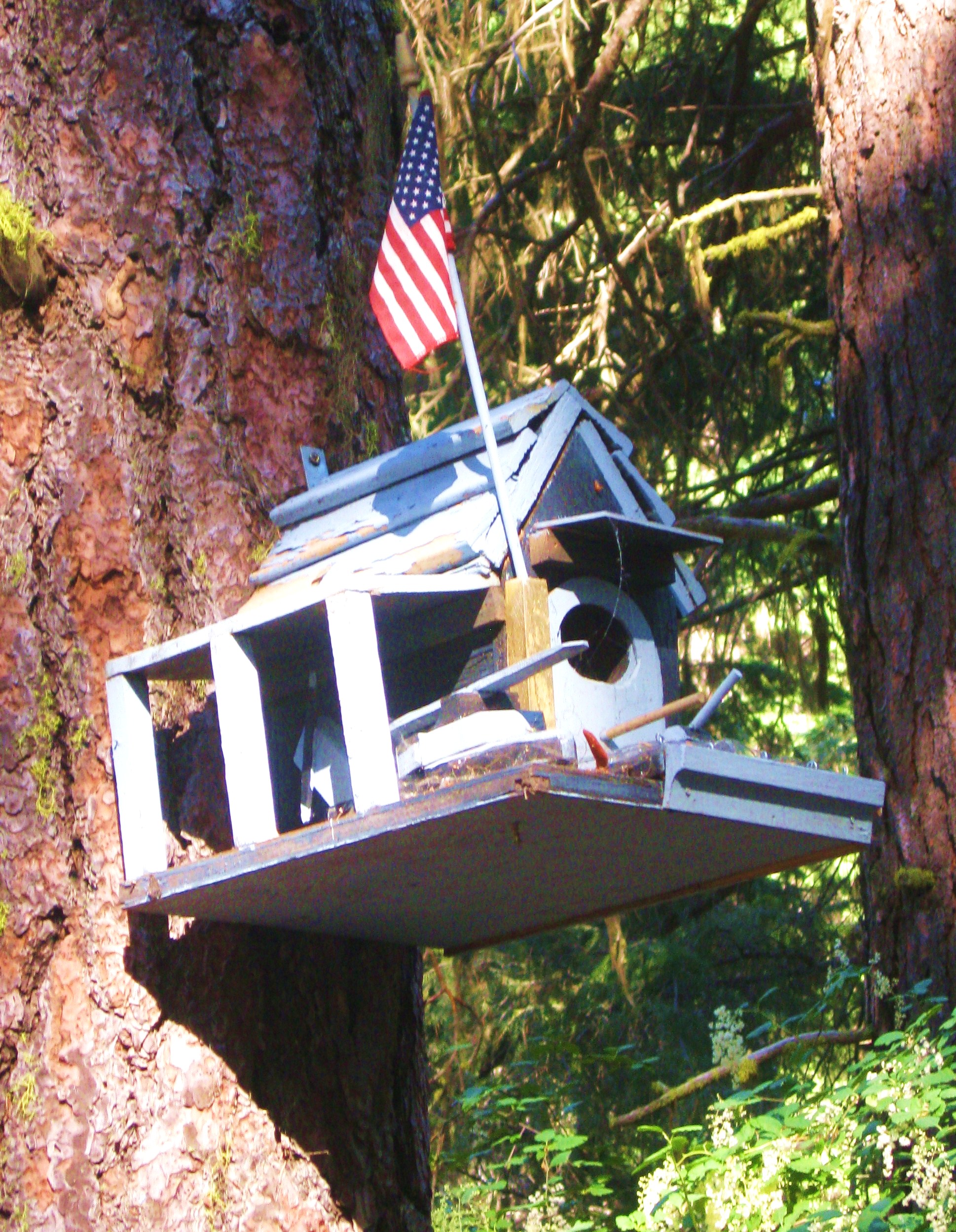
Patriotic birds at Silver Beach RV Resort -- Photo by Pat Bean

Travels With Maggie

I spent my last two nights in Washington at two commercial RV parks that were as different as a rude log cabin and a modern new home.

The first was Silver Beach RV Resort off Highway 12 right next to Rimrock Lake, an emerald gem that I first saw on my way to Mount St. Helen’s and Mount Ranier. I decided then that I would explore it more fully when I retraced my route back to Interstate 82.

The park had a rustic ambiance about it that took away its commercialism, as did the tiny, faded American flags flying from birdhouses. It cost me $20 for the night, which upon paying I was assigned campsite 34. .

By the time I located it, since the numbering was a bit odd, I had driven in a circle three times. I found the electrical outlet attached to a tree trunk. It was only 20-amp instead of 30-amp provided at almost all RV parks. Fortunately I had an adapter that I use when I occasionally park in one of my kids or friends’ driveway.

The view of the lake and the robins and warblers singing among the trees made up for any lack in facilities, however, and a breeze blowing through my open windows from off the lake lulled me into a sound, peaceful sleep.

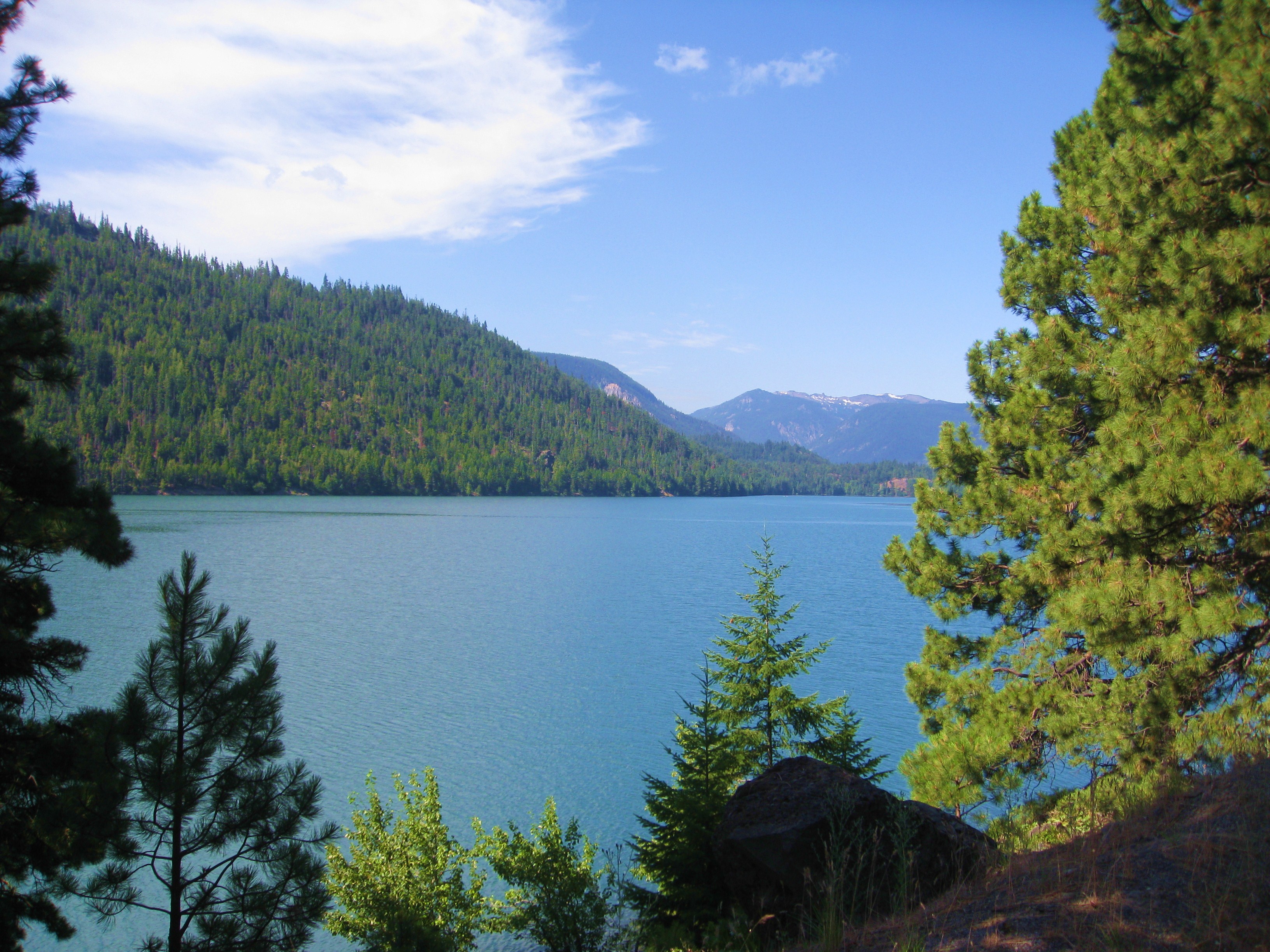
Rimrock Lake view from Highway 12 -- Photo by Pat Bean

The next morning, Maggie and I hiked a forest trail that began near my camp site before once again heading east on Highway 12. Several times I stopped to take pictures. Rimrock Lake ran parallel to the highway for about 10 miles, until passage through a rock tunnel across the road erased it from view.


I reached Yakima in early afternoon, where I treated myself to lunch at Red Lobster (I had been craving crab for several days) before seeking out the Travelers Inn RV Park. It was the kind of place where you camp on asphalt with a young lone tree and three feet of manicured lawn between you and other RVs – usually 40-footers. I always think of canned sardines when I’m put in this position, for which this night I paid $35.

So why did I stay here?

Two weeks of dirty clothes and the fact I was wearing my last pair of clean socks. Places like this always have clean laundry rooms. Sometimes a nature-loving-soul has to take it on the chin for the sake of cleanliness.

 I went to sleep this night with the buzz of some boring cable TV program in the background. It felt good to be back on the road early the next morning.

Read Full Post »

“If I had my life to live over … I’d dare to make more mistakes next time.”  — Nadine Stair

A view of Mount Ranier from the Box Canyon scenic overlook, where I finally realized I was headed the right way -- but in the opposite direction from which I had planned to travel. -- Photo by Pat Bean

Travels with Maggie

My plan was to enter Mount Ranier National Park through the Nisqually Entrance on the west side, visit Paradise Junction then return a few miles back to Cougar Rock Campground, where I had paid reservations for the night. I checked out my camp site on the way up to Paradise, and noted a nearby trail that I could hike the next morning

Scarlet paintbrush: Always take time to smell the flowers -- Photo by Pat Bean

 before backtracking to Highway 12 . I would still miss a good bit of the park but I had an appointment to keep in Southern Idaho and a lot of miles in between.

At Paradise Junction, I watched the film about the mountain in the visitor center, bought a few souvenirs for family members and then hiked a short trail for a view of the Nisqually Glacier. Though spectacular, it was a hot hike and I was glad to get back to my air conditioned RV where Maggie demanded a walk along the roadside before we moved on. Dogs aren’t allowed on trails in national parks.

 Back again in the RV, I was eager to get to camp and didn’t double check the route. My memory of the map recalled that the road simply looped around. I forgot I had no sense of direction. Somewhere along the way I zigged instead of zagged. While such is a frequent occurrence, I usually catch the boo-boo within a block or two. Not this time.

 So intent was I at watching the scenery and stopping to take photographs of sights, like the Reflection Lakes, that I had missed on the way up, that I was halfway across the park before I realized my error. Not wanting to backtrack at this point, I simply kept going. Sometimes you just have to go with the flow.

Silver Falls -- Photo by Pat Bean

I was glad I did. Otherwise I would have missed not only a spectacular drive all the way across the park, but Silver Falls and a visit to an old growth forest of hemlocks and firs near the Stevens Canyon Entrance. A walk through the Grove of the Patriarchs was ambrosia to this tree-huggers’ soul.

 Since daylight was close to ending at this point, I checked out the Ohanapecash Campground on the east side of the park and discovered it had vacancies. For a mere $7.50, using my Golden Age Passport, I camped in one of them. It would have cost me a lot more in gas to have driven back to Cougar Rock. Besides getting to see more of Mount Ranier than I had planned, I also had a head start on the next days’ travels.

This was a day that following a plan wasn’t in my best interests.

Read Full Post »

Travels With Maggie

Upper Narada Falls ... Photo by Pat Bean


“There is no wondering about what the waterfalls were like yesterday, no way to know what they’ll look like tomorrow. There will always be a shade of difference, a nuance noticed or not, but to see them right now, in this moment in their powerful splendor—that is the way to celebrate the present.” — David Gershner
 

When I’m driving and see a sign pointing to a waterfall, my heart skips a beat and I immediately pull off the road to investigate, or even take a considerable detour down a side road if that’s what required to view this cascading, frothy gift from Mother Nature.

I did the latter to view Upper and Lower Mesa Falls in Idaho, leaving the Teton Scenic Byway near Ashton, Idaho, to follow the Mesa Falls Scenic Byway. These falls flow down the majestic Snake River, which is also host to Shoshone Falls near Twin Falls, Idaho, where I lived for two years.

Many were the times I drove down to see this magnificent waterfall, whose flow varies in magnitude according to the area’s irrigation needs.

Copy of Thomas Moran's painting that hung in my living room for over 20 years.

A copy of Thomas Moran’s painting of Shoshone Falls, complete with the misty rainbow that thrilled me every time I looked, hung in my living room for many years. The original was an unexpected discovery found in the Twin Falls library during my time in the Magic Valley.

The painting by Moran, who is best known for his Yellowstone Falls images, now hangs in my youngest daughter’s home because it wouldn’t fit in my RV.

Stopping to enjoy Narada Falls during my recent visit to Mount Ranier National Park was a no-brainer. The road from the park’s Nasqually entrance that leads to the Paradise Visitor Center, where you can follow a trail and touch a glacier, crosses it.

Me playing touist ... Photo taken by a willing bystander.

From the Narada Falls’ parking area, one has a good view of the Paradise River’s rock strewn tumble just before it plunges 241 feet in two tiers. A steep but short path takes one down to the bottom of the upper falls for a much better look. If one feels up to it, a rougher hike will take you farther down the cliff for a view of the lower tier.

When the river’s flowing fast and high, one gets wet during the hike down. This day all I felt was a bit of misty spray. A sign posted on the way down is intriguing in that it informs hikers that the path they are on begins on a Mt. Ranier lava flow that occurred only a half million years ago and passes by 5 million to 23 million year old rocks of the Miocene Epoch.

At the bottom of the upper falls I played tourist and asked a female stranger to take my picture. Her husband immediately popped up beside her.

“Honey, move her to the right for a better shot,” he said after she had snapped off the first shot. So she did.

I liked her first shot better. But the humanless shot I took of the falls ended up my favorite.

Read Full Post »

Baskets of pink pansies add color to a small town's Main Street. ... Photo by Pat Bean

Baskets of pink pansies add color to a small town's Main Street ... Photo by Pat Bean

“It is good to have an end to journey towards; but it is the journey that matters in the end.” — Ursula K. LeGuin 

 Travels With Maggie

I was too early for the annual Loggers Jubilee that will be held for the 68th time later this month in the small town of Morton Washington. Between Aug. 12th and the 15th, the town’s expected to be booming with parades, logging shows, flea markets, lawn mower races and of course crowning of the Jubilee Queen. 

 The recent July day I visited the town, for a bit of breakfast at Cody’s Cafe before heading on to nearby Mt. Ranier National Park, Morton was quiet and sleepy.

  This southwestern logging town once claimed itself the “Railroad Mill Tie Capitol of the World.” Ties are those things railroad tracks sit on. Each mile of railroad track requires about 3,000 ties. More and more of the ties these days, however, are being made of concrete instead of wood. Morton’s claim to fame was the huge tie dock – Wikipedia says the “world’s largest” — that was located along the railroad tracks east of the town. 

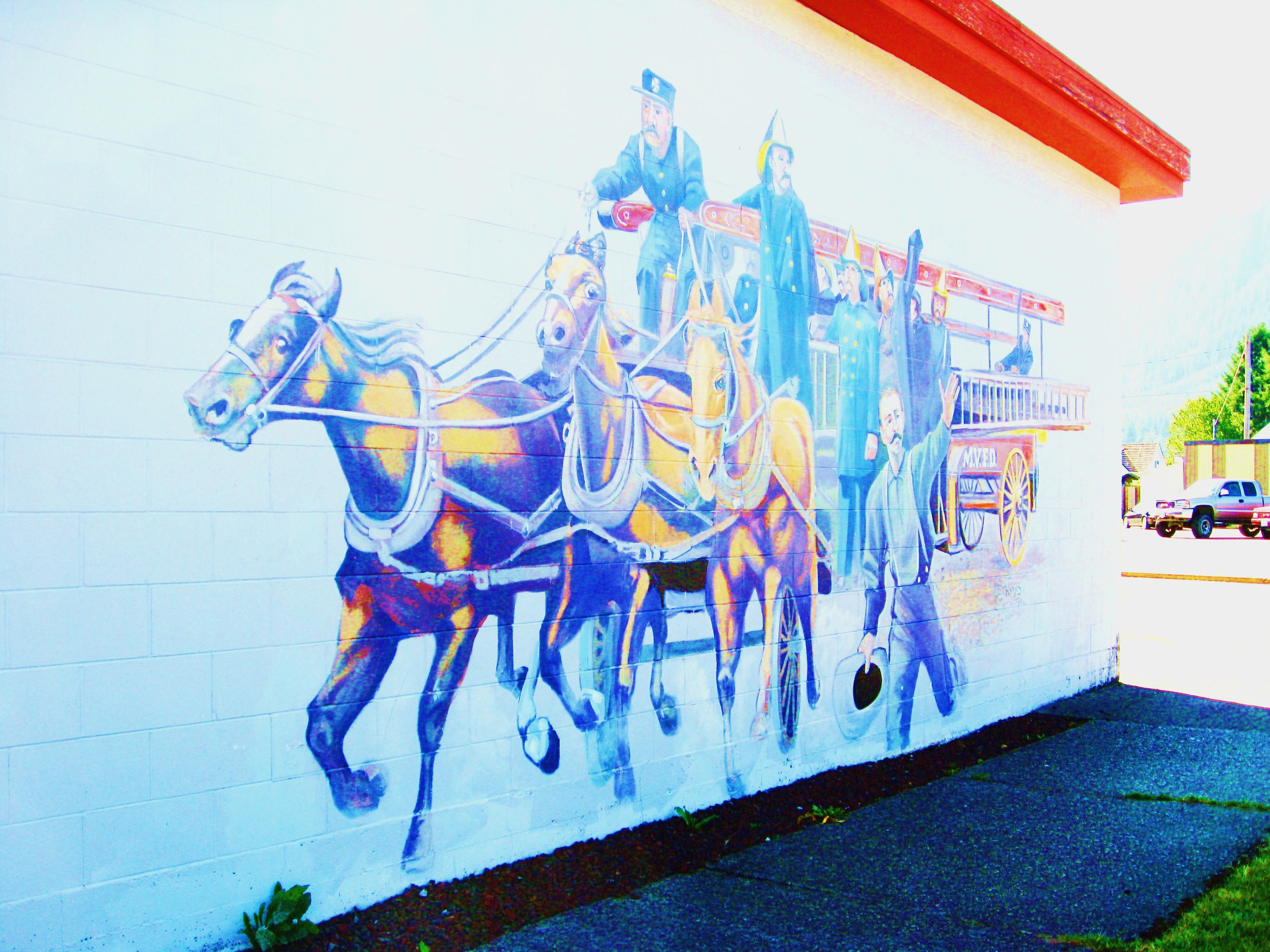
One of two murals on a fire rescue station in Morton, Washington, that captured my attention. ... Photo by Pat Bean

 After an excellent butterhorn, warm and drenched in butter as it should me, but served by a gray-haired waitress who never smiled – I suspected her feet hurt – I took a quick walk down the city’s downtown.  It was a short walk whose main attractions were sidewalk pots of blooming pink pansies and a couple of murals that colored the walls of the town’s fire rescue station. 

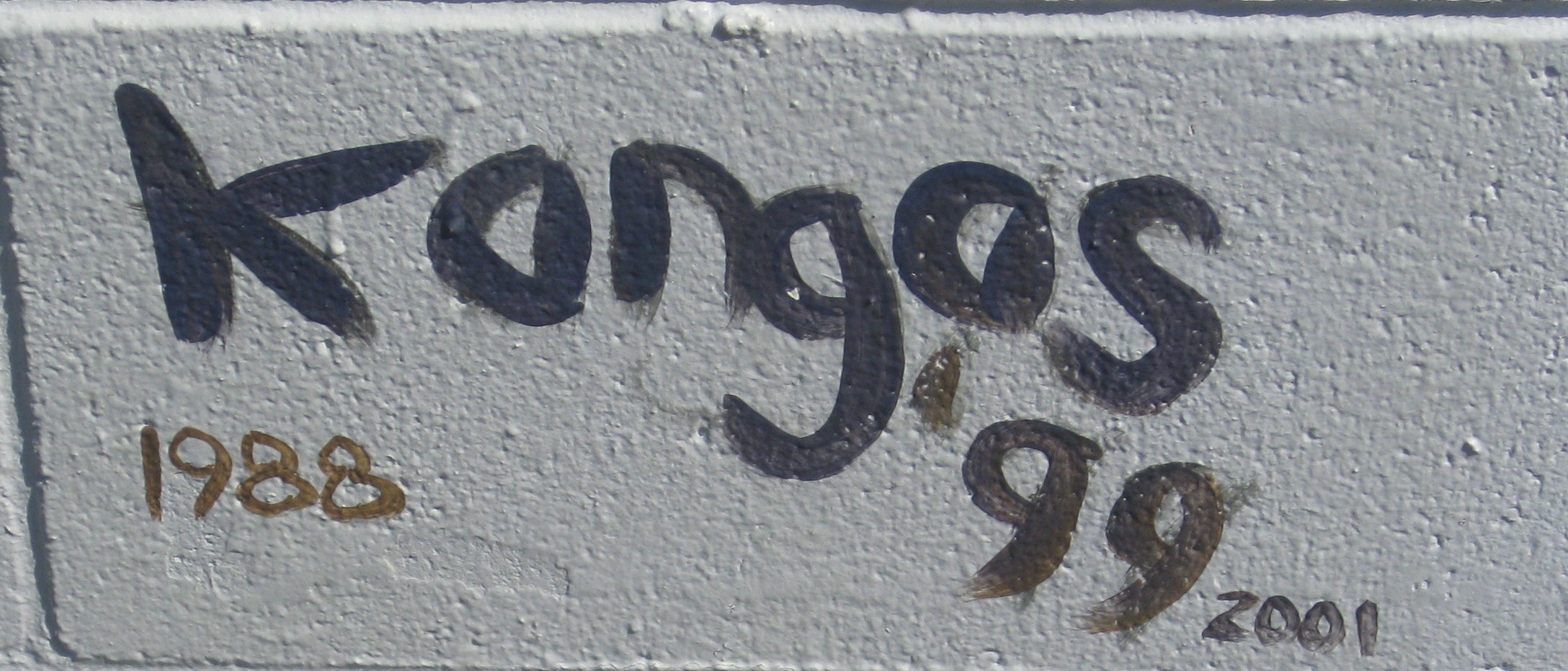
 While not exactly what one could call great art, the murals were interesting and brightened up an otherwise dull building. They were painted by a man named Kangas, according to a signature at the bottom of  one of the murals. I later Binged the name on the Internet and came up with the artist Larry Kangas, who according to his Web site has painted thousands of murals over the past 35 plus years. 

 I suspected these weren’t the first piece of Kangas art I had seen in my travels. They looked too familiar. I also hoped they

Artist signature ... Photo by Pat Bean

 wouldn’t be by last. There was a feel about Kangas’ murals that said the artist enjoyed painting them. That suspicion heightened my enjoyment in viewing them. 

My travels take me to well-know and spectacular places , but its the unexpected sights and experiences,  such as pink pansies, a melt-in-the-mouth butterhorn, surpising railroad trivia and art along the way that give the journey meaning. 


Read Full Post »

 “As you grow older, you’ll find the only things you regret are the things you didn’t do.” — Zachary Scott. 

Mount St. Helens … Photo by Pat Bean 

Travels With Maggie
Looking out at the gaping mouth of Mount St. Helens from a point once known as Coldwater Ridge triggered goose pimples on my arms. I knew that David Johnston – the first to report the volcano’s eruption with the words “Vancouver! Vancouver! This is It!” — had been standing on this same ridge that deadly May 18, 1980, morning when the mountain exploded.

 I also knew from the many reports I’ve read about that day that those had been Johnston’s last words. Although six miles away from the volcano, he had still been directly in its blast zone. Johnston was one of 57 people who lost their lives to the angry mountain. 

 Johnston’s body was never found, and the ridge I was standing atop had been renamed in his honor, as had been the visitor center, the Johnston Ridge Observatory, that was built on the ridge so people like me could gaze on the mountain. 

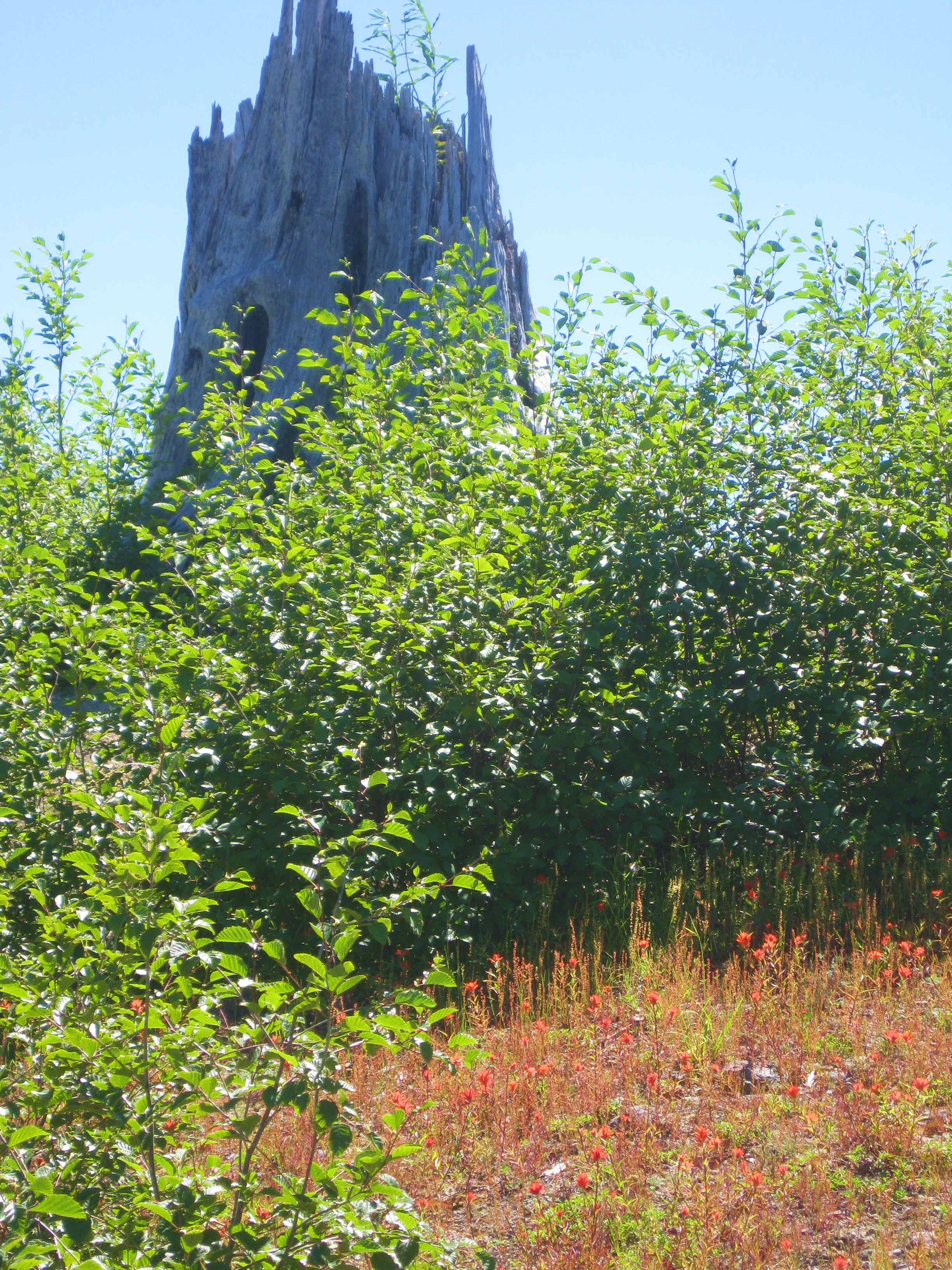
Scarlet paintbrush colors the ground in front of a tree stump near the top of Johnston Ridge ... Photo by Pat Bean


It was a solemn moment for me as I pondered if the 30-year-old Johnston, a trained and enthusiastic volcanologist who knew the risks, would have thought his brief moment in destiny’s grasp was worth his life. I wasn’t sure. Could anybody ever be. 

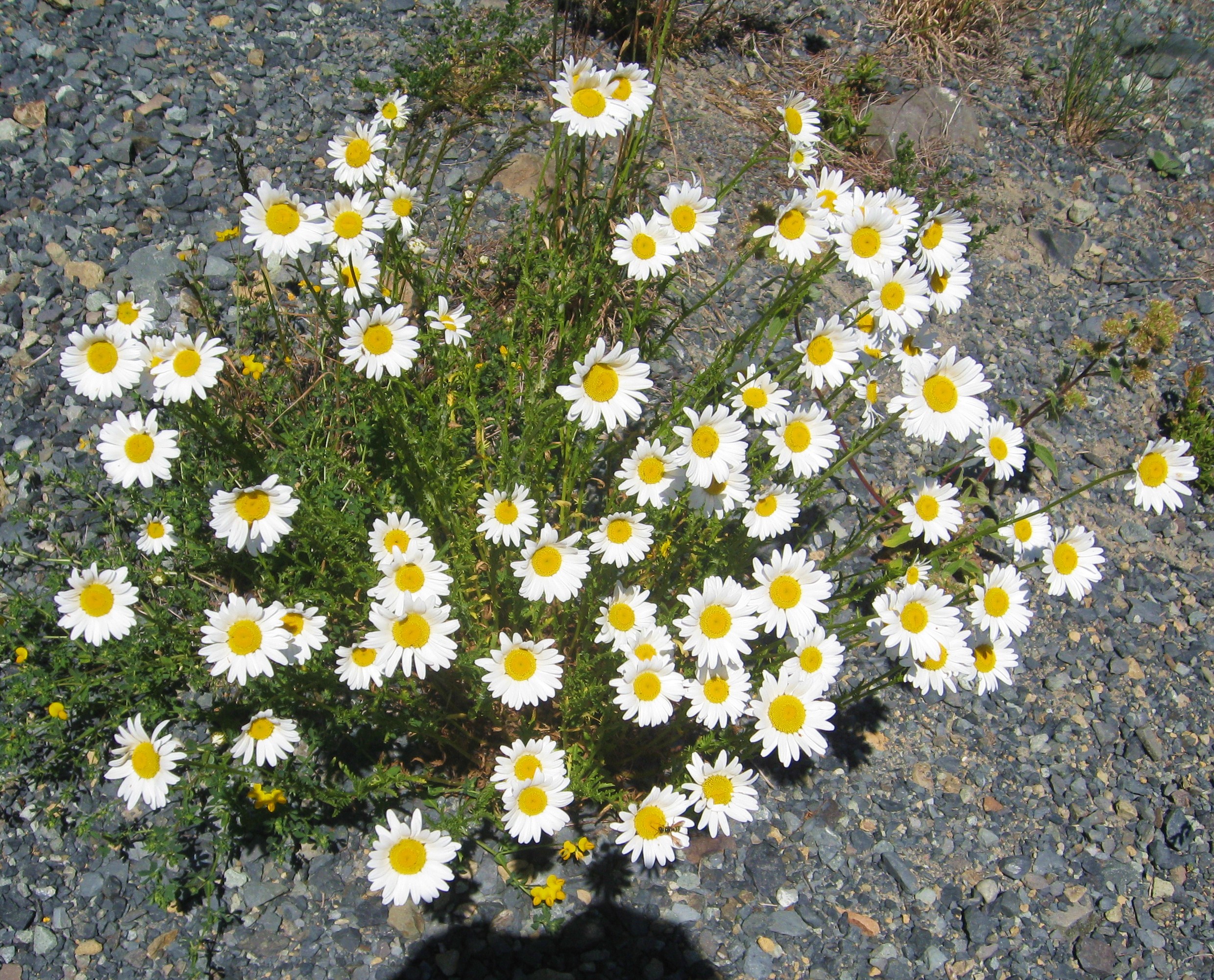
Daisies once again flourish in the volcano's blast zone ... Photo by Pat Bean


I do know, however, the great respect I have for Johnston and others who are unwilling to hold back living their lives to the fullest. And as I look at nature’s beauty surrounding me, and the verdant life that has returned to Mount St. Helens, I’m also grateful that the fears I’ve overcome in my life have been less life threatening. 

 Travel has as much to do with internal discovery as it has with seeing the world. New places, new sights, new experiences wash away stereotypes. Standing here on top of this ridge, surrounded by tree stumps whose tops were swept away with the mountain’s roar and where a life was blinked out, touched my soul. 

 I know that for a long time to come I will think of this moment when I looked out on Mount St. Helens from Johnston Ridge. It will remind me both of how precious life is and how important it is to savor every moment because tomorrow may not come. 

 “Every man dies. Not every man really lives.” — Braveheart

Read Full Post »

« Newer Posts - Older Posts »