Feeds:
Posts
Comments

Archive for the ‘Birds’ Category

 “In wilderness I sense the miracle of life, and behind it our scientific accomplishments fade to trivia.” — Charles A. Lindbergh.

My morning visitor -- Photo by Pat Bean

Travels With Maggie

Midges and flies, but thankfully not blood-sucking mosquitoes, were an almost a constant human nuisance during my stay at Lake Walcott. A few even found their way into my RV, which was sad. While I’m very respectful of wildlife, even bugs and snakes, once a wild critter intrudes into my home, it usually ends up being a dead critter. A cute little field mouse discovered this when it nibbled on the tasty peanut butter I had spread on a mouse trap after I had spotted it scooting across my narrow floor.

 But bugs and mice are part of the circle of life. And if you’re a birder you have to appreciate them. These fast-breeding creatures make it possible for the existence of the slower breeding feathered flyers that amaze me. I saw this almost daily at Lake Walcott as the midges provided a tasty meal for a dawn and dusk parade of circling nighthawks flying overhead.

And while they didn’t make a personal appearance, I’m sure the great horned owls that hoo-hoo-hooed me awake each morning dined elegantly on some of the field mice I occasionally saw scampering through the sagebrush. During my

Common nighthawk -- Photo by Mark B. Bartosik

 earlier spring visit to the park, I had been honored to spot a great horned owl nest that had a couple of tiny heads poking above its jumbled wall of sticks. The park is full of huge, magnificent cottonwood trees that I knew from past sightings were favorite nesting spots of these silent flying night hunters.

 One morning I woke to find a four-legged critter poking around my campsite, one that has included human handouts as part of its menu plan. It was a raccoon, whose photo I took from my dining room table while drinking my morning coffee. While he didn’t get any tasty tidbits from me, I saw evidence of his dining habits in the wake of trashed tin garbage cans most mornings.

 When Maggie finally noticed our visitor, she barked excitedly. The raccoon appeared familiar with such nonsense. It merely stared for a moment at our RV, then slowly sauntered back into the brush behind the campground. I hoped he found something tasty out of the trash can I later picked up on my morning walk through of the campground.

Read Full Post »

Sunset at Lake Walcott -- Photo by Pat Bean

 
 “What a joy it is to feel the soft, spring earth under my feet once more, to follow grassy roads that lead to ferny brooks where I can bathe my fingers in a cataract of rippling notes, or to clamber over a stone wall into green fields that tumble and roll in riotous gladness.” Helen Keller
 
From Twin Falls, it was just 58 miles to Lake Walcott State Park, where I would spend the next seven weeks. I arrived in the early evening and found the campground full, except for my host site, where a thoughtful park ranger had blocked it off with sawhorses to keep it vacant for my expected arrival.

Broad-tailed hummingbird

After hooking up, Maggie and I took one of the park’s paved trails down to the lake where a pair of western grebes floated gracefully on the water. I would see this same pair almost every day I was at the park. On the walk back to the RV, I watched a magnificent sunset turn the clouds a rosy pink, at times framing a full moon.

I awoke the next morning to an orange and purple sunrise and three broad-tailed hummingbirds playing king of the  mountain at the hummingbird feeder I had put out when I hooked up. The sunrise, which changed in intensity and colors to accommodate the weather, and the hummingbirds, which some days numbered up to eight, joined my cream-laced coffee and e-mail check morning ritual. 

Sunrise at Lake Walcott -- Photo by Pat Bean

By the time Maggie, who sleeps in until at least 9 a.m., woke and demanded a walk, we took it beneath fluffy white clouds floating in a robin’s egg blue sky. Western kingbirds, robins and western peewees kept us company as we walked through the campground, and then beside the lake to watch the western grebes. 

How could I do anything but look forward to my next 49 days. If home is where the heart is, I was there.

Read Full Post »

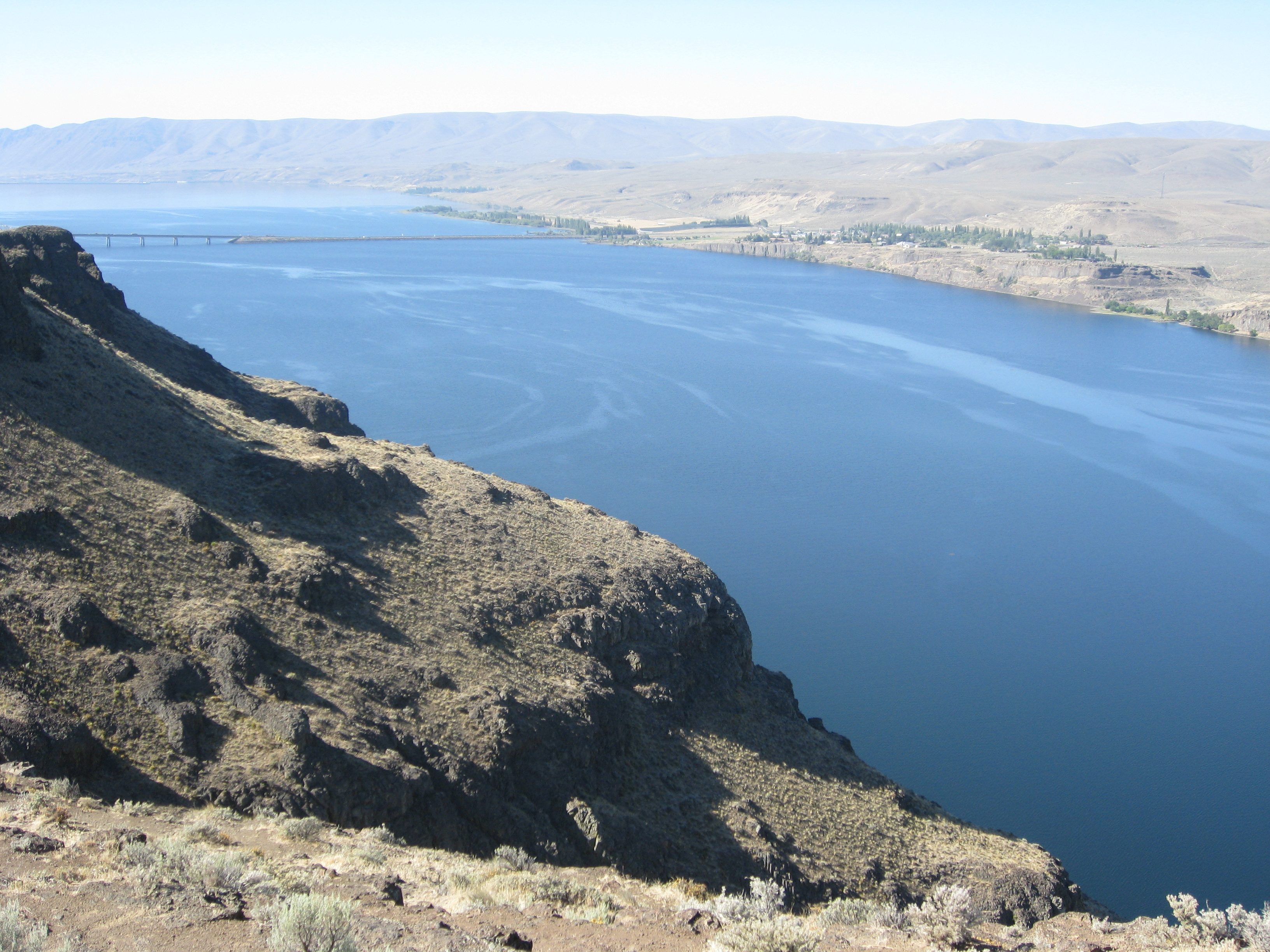
Looking down the Columbia River at the Vantage Bridge and across it at Washington's Ginko Petrified Forest State Park. -- Photo by Pat Bean

“Sometimes, if you stand on the bottom rail of a bridge and lean over to watch the river slipping slowly away beneath you, you will suddenly know everything there is to be known.” — Winnie the Pooh

Travels With Maggie

The mighty, 1,243-mile long Columbia River, begins in the Rocky Mountains of Canada, flows south through Spokane and then forms much of the border between Washington and Oregon on its way west to the Pacific Ocean. Maggie and I crossed it twice in the same week as we traveled to Mount Ranier and then down to Southern Idaho. Both times left me awed.

 The first crossing was on Highway 90’s Vantage Bridge, an impressive structure with overhead steel girders, the kind that always sets off a rare barking episode from Maggie. Passing motorcycles are about the only other thing she barks at during our road journeys.

Once across, the highway climbed steeply through a section of Ginko Petrified Forest State Park. From an

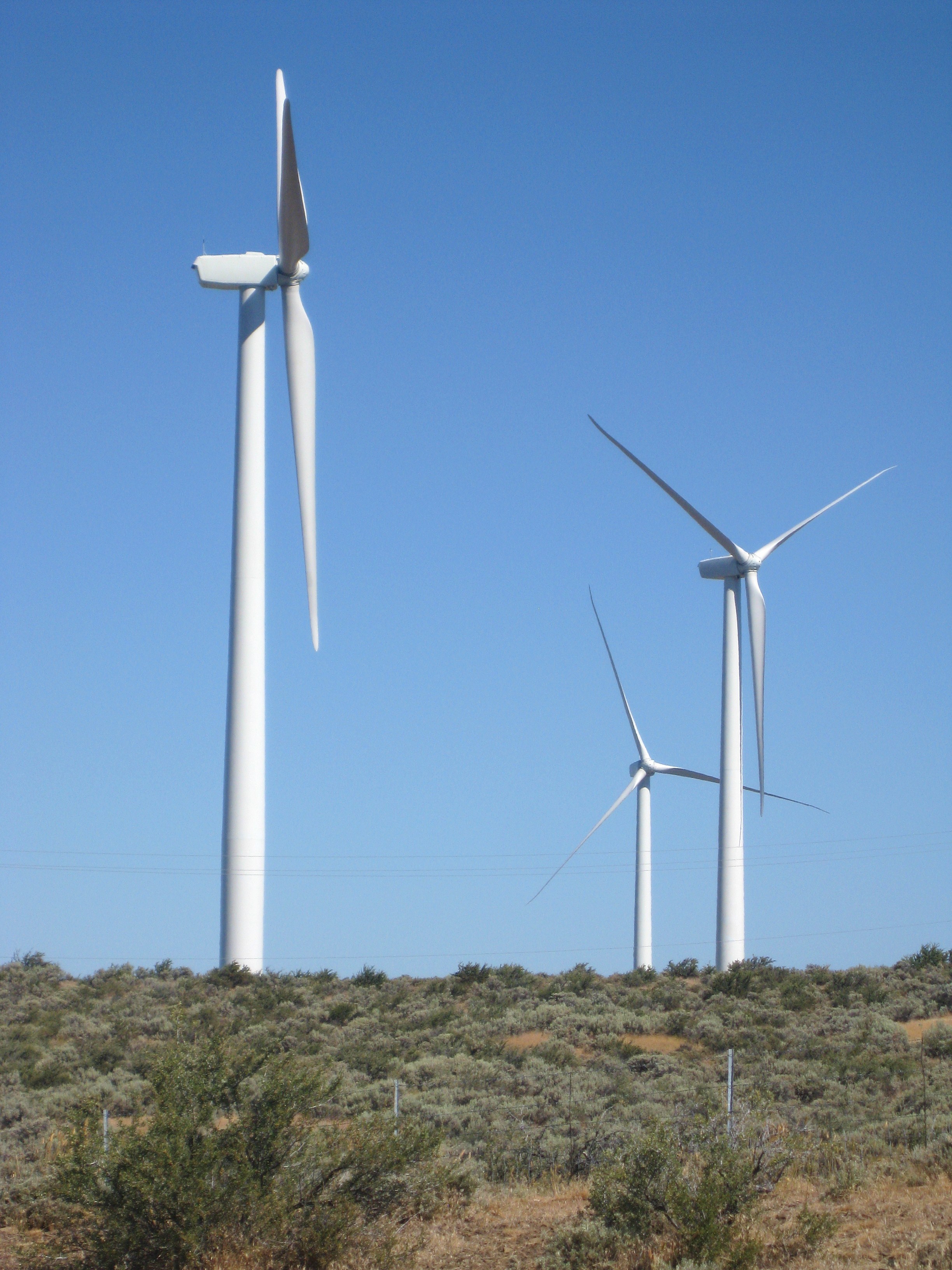
Turbine windmills, part of Washington's Wild Horse energy project, sit atop the Columbia River Gorge near the Vantage Bridge crossing. -- Photo by Pat Bean

 informational plaque at an overlook just east of the crossing, I had learned that the park, in addition to Ginko, the sacred tree of China now almost extinct in the wild, includes over 200 other kinds of woods preserved by million year old lava flows.

 I stopped at the top of the gorge at the Ryegrass Rest Area, where I got a hazy view of Mount Ranier, and a look at huge turbine windmills that take advantage of the winds created by the river gorge. During an earlier trip, when I followed the Columbia River Gorge’s path all the way through Washington, I stopped at Maryhill State Park, where I watched windsufers also take advantage of this same wind source. Mother Nature is so kind to us.

My second crossing of the river on this trip was over Highway 82’s Umatilla Bridge. Before crossing, I stopped briefly at Plymouth Park on the north side of the river, where I ate my lunch and watched robins and house sparrows stroll past, ever searching for a tasty treat of bugs, seeds or picnicker leftovers.

Lewis and Clark camped near this park, which is named after Plymouth Rock because of the huge basaltic rock that projects into the river at the site. The pair of explorers most likely saw robins in the area, but house sparrows hadn’t yet been brough over from England to America.

Joining my thoughts revisiting the Lewis and Clark expedition were one about the first white settlers who passed this

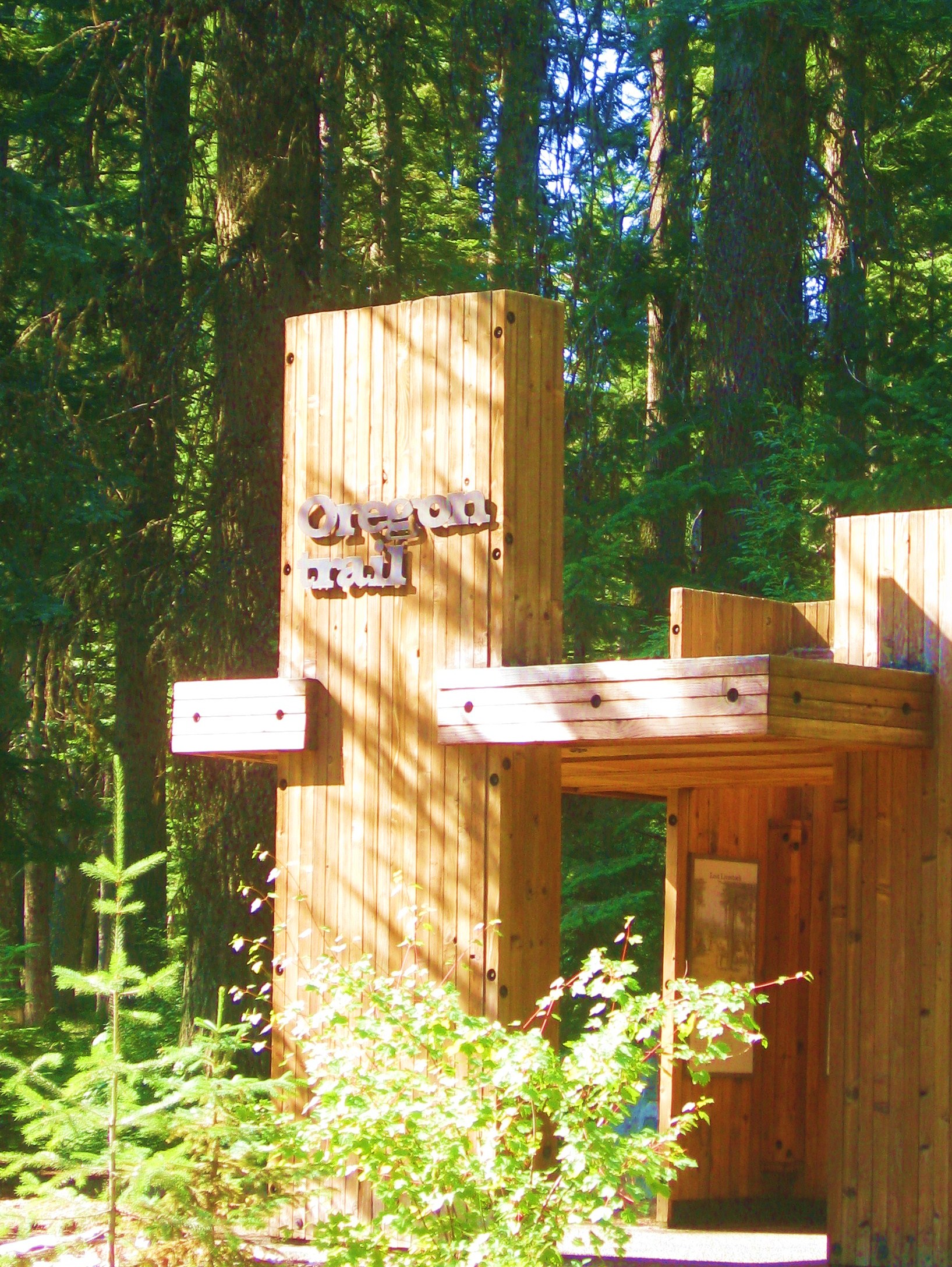
Highway 82 historical kiosk reminding travelers they are following the Oregon Trail route. -- Photo by Pat Bean

 way.   I was now seeing frequent signs reminding me that the smoothly paved road I was driving down was once little more than wagon ruts, and not even that for the first brave settlers heading west. My route across the Columbia River to Pendleton, Oregon, and continuing south was basically once known as the Oregon Trail.\

The pioneers’ crossing of the Columbia River would have taken much longer than mine and Maggie’s. How could one not be awed by the adventures of those hearty souls. Or by the Columbia River itself, I asked Maggie as I crossed the river on the Umatilla Bridge. There was no reply. Maggie was snoozing.

With no traffic in sight, I slowed my speed to better enjoy the river view.

Read Full Post »

‘Variety’s the very spice of life, that gives it all its flavor.” — William Cowper

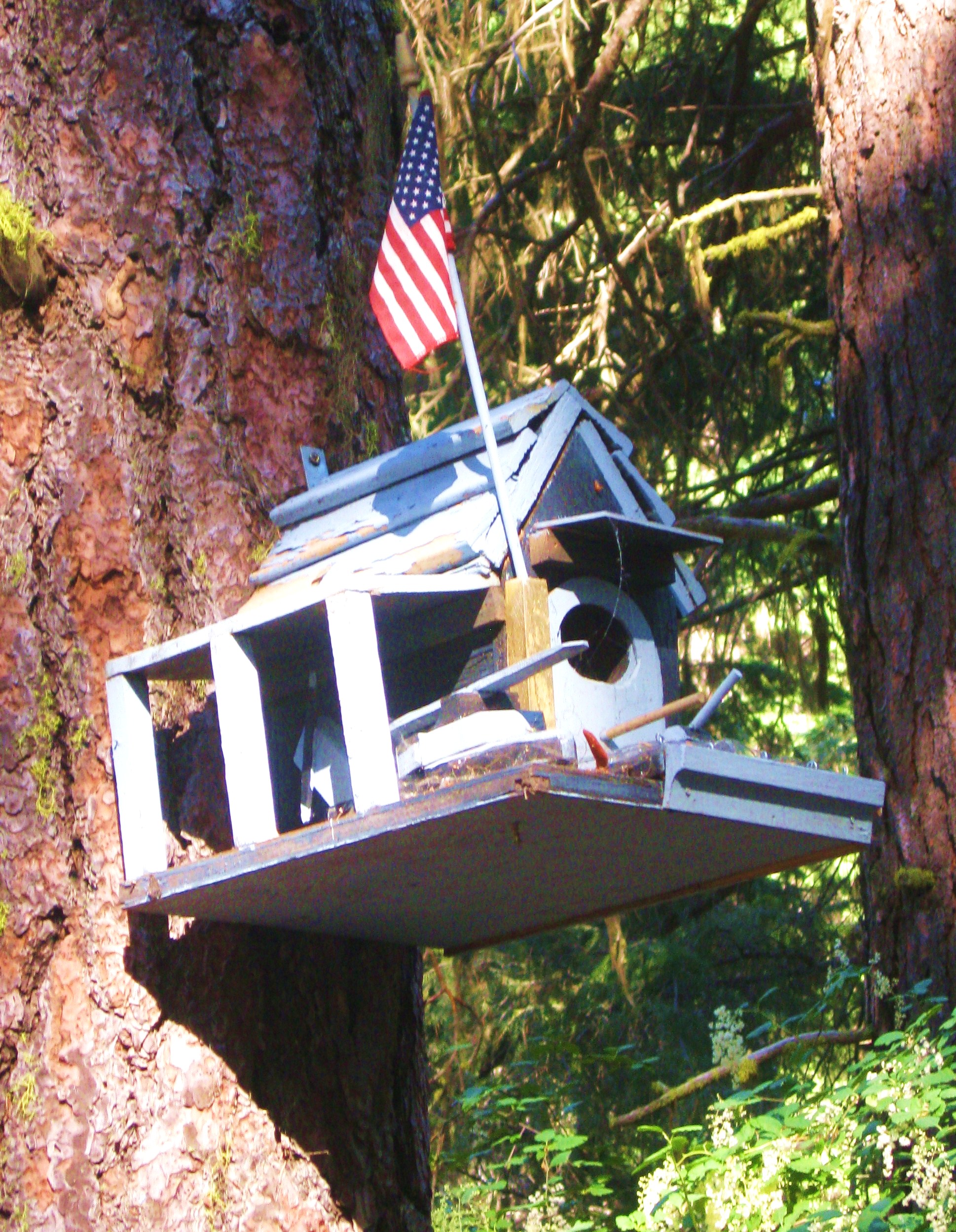
Patriotic birds at Silver Beach RV Resort -- Photo by Pat Bean

Travels With Maggie

I spent my last two nights in Washington at two commercial RV parks that were as different as a rude log cabin and a modern new home.

The first was Silver Beach RV Resort off Highway 12 right next to Rimrock Lake, an emerald gem that I first saw on my way to Mount St. Helen’s and Mount Ranier. I decided then that I would explore it more fully when I retraced my route back to Interstate 82.

The park had a rustic ambiance about it that took away its commercialism, as did the tiny, faded American flags flying from birdhouses. It cost me $20 for the night, which upon paying I was assigned campsite 34. .

By the time I located it, since the numbering was a bit odd, I had driven in a circle three times. I found the electrical outlet attached to a tree trunk. It was only 20-amp instead of 30-amp provided at almost all RV parks. Fortunately I had an adapter that I use when I occasionally park in one of my kids or friends’ driveway.

The view of the lake and the robins and warblers singing among the trees made up for any lack in facilities, however, and a breeze blowing through my open windows from off the lake lulled me into a sound, peaceful sleep.

Rimrock Lake view from Highway 12 -- Photo by Pat Bean

The next morning, Maggie and I hiked a forest trail that began near my camp site before once again heading east on Highway 12. Several times I stopped to take pictures. Rimrock Lake ran parallel to the highway for about 10 miles, until passage through a rock tunnel across the road erased it from view.


I reached Yakima in early afternoon, where I treated myself to lunch at Red Lobster (I had been craving crab for several days) before seeking out the Travelers Inn RV Park. It was the kind of place where you camp on asphalt with a young lone tree and three feet of manicured lawn between you and other RVs – usually 40-footers. I always think of canned sardines when I’m put in this position, for which this night I paid $35.

So why did I stay here?

Two weeks of dirty clothes and the fact I was wearing my last pair of clean socks. Places like this always have clean laundry rooms. Sometimes a nature-loving-soul has to take it on the chin for the sake of cleanliness.

 I went to sleep this night with the buzz of some boring cable TV program in the background. It felt good to be back on the road early the next morning.

Read Full Post »

Lake Mayfield at Harmony Lakeside RV Park in Mossyrock, Washington. ... Photo by Pat Bean


If you look closely you can see my RV on the other side of this small grove of trees at Harmony Lakeside RV Park ... Photo by Pat Bean

 Cat’s Motto: “No matter what you’ve done wrong, always try to make it look like the dog did it.” — Unknown

Travels With Maggie

 On my way to Mount St. Helen’s, I stopped at Harmony Lakeside RV Park in Mossyrock, Wash. I planned on making the scenic park my base for three days while I explored the volcano and surrounding area. The park, however, had no record of my reservation, which had been made a month earlier.

 Their computer suffered a melt down and I was most likely, the friendly mother and daughter running the office said, one of the glitches they were discovering after getting back online. To give them credit, they did the best they could for me on this fully-booked Saturday night. I was squeezed into the one remaining vacant site, which the pair apologetic explained was seldom used because it was so small and close quartered, they apologized.

This totem pole that sits beside a small pond full of koi gives the park a northwest flavor ... Photo by Pat Bean

Hermit thrush ... Wikipedia photo

My evening was spent with only a view of six large RVs that had a return view directly into my windows. To get any privacy, I had to pull down my RV shades. I hate doing that.

Thankfully, things got better the next day. I was reassigned to a large site that had a view of Mayfield Lake out one side and its own small forest grove – four large trees, three double-trunked smaller trees and several bushes – on the other.

 That evening, as I was sitting at my dining room table catching up on my e-mail, a hermit thrush made its appearance in the grove. Now I’m always excited to see any bird, but this one was special, both because it’s not one I often see and because it was a new addition to my 2010 bird list. I first suspected it was a hermit thrush when I saw its plain brown-back and rusty red tail. The identification was confirmed when it faced me and I caught a glimpse of its white-rimmed eye and the dark brown spotches that decorated its white chest.

I had been watching the thrush for several minutes from inside my RV, which makes a perfect bird blind, when a sudden rustling in the underbrush scared it away. The noise was accompanied by a tiny mouse scampering up one of the larger trees. Immediately on its tail was a a black and white cat.

The pair both made it about 30 feet up the tree trunk before the cat stopped and appeared to realize where it was. The hesitation gave the mouse time enough to escape. The cat quickly reversed its direction and them jumped to the ground. It landed two feet away from my RV, took time to lick one of its paws, then casually strolled away, as if to say “I didn’t want that mouse anyway.”

I laughed out loud. As much as I had been enjoying my birdwatching, I had to admit that the sight of the cat and mouse running up the tree had been an even better show. I never saw the cat or the mouse again, but the hermit thrush made several more appearances in the grove.

Watching the world outside my RV window is always better than television.

Read Full Post »

Travels With Maggie

Laughter not only makes the journey endurable and even enjoyable, it also helps keep us healthy.” — Joyce Meyer

 Seventeen female volunteers and staff workers from Farragut State Park met this week for dinner and drinks at the Floating Patio. The small bar and restaurant sits atop Lake Pend Oreille in the tiny tourist town of Bayview. Idaho.

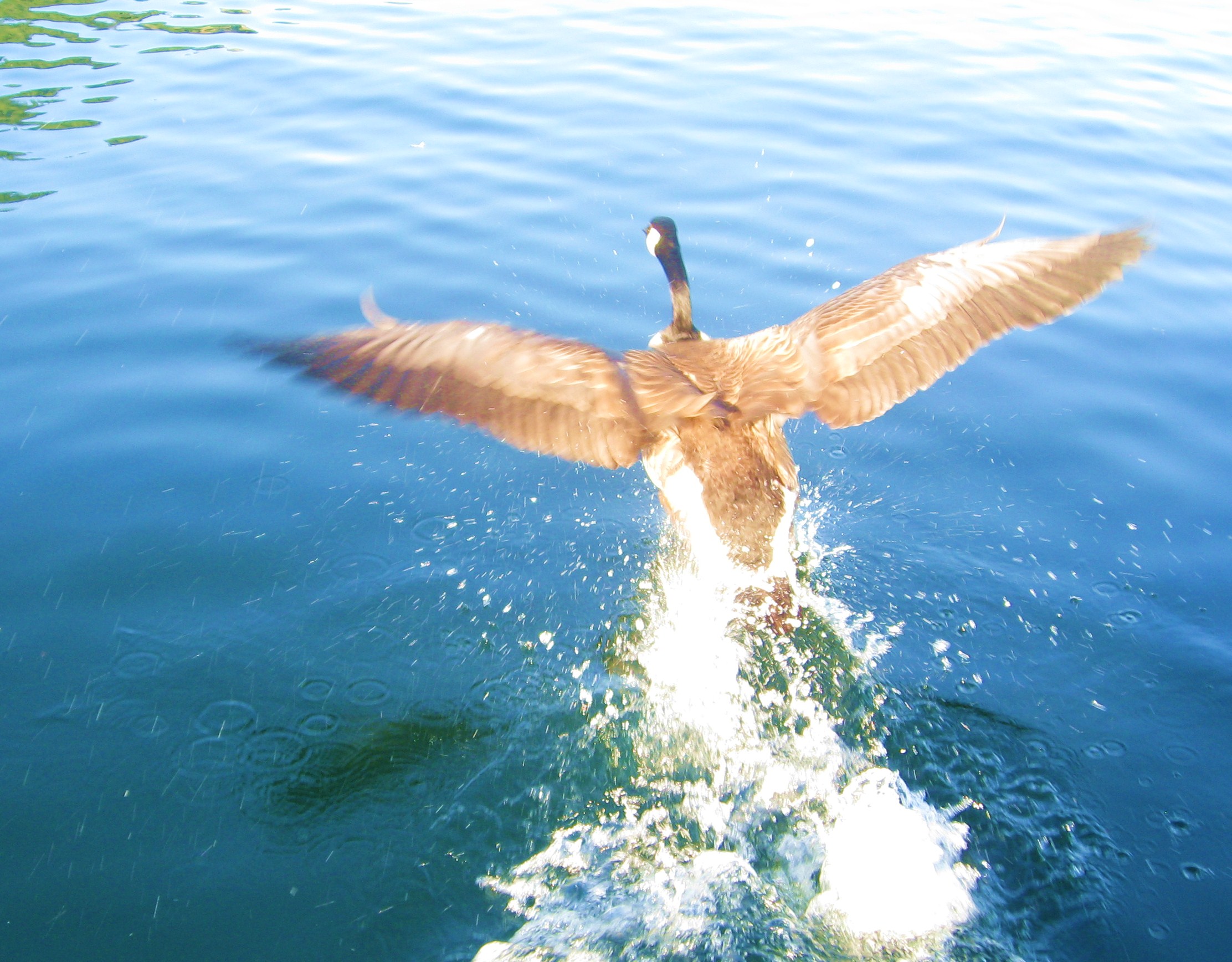
A Canada goose takes off in front of our pontoon boat ... Photo by Pat Bean

The deep blue, 65-mile long lake’s name is a sure give away of who’s a local and who’s a tourist just passing through. It’s pronounced Pon-da-ray, which is sort of French for ear, or so I’ve been told, not Pend-o-rye-ly, as I called it before I was corrected.

I’ve learned that when a group of females get together – be they giggling teenagers to wrinkled and post menopausal old broads – irreverent laughter often rules.

Heading into the Floating Patio for Drinks and Dinner ... Photo by Pat Bean

 So it was this night as we drank our wine and Diet Cokes, snacked on pre-dinner popcorn and then ate our hamburgers, chicken Caesar salads or barbecue specials. Without boyfriends or husbands to please, compete with, impress or cater to, women often lose their inhibitions of proper-ness. Men, I think, do the same when women are not present. It has nothing to do with liking or loving the opposite sex, it just feels good once in awhile to be in a group that best understands you.

The laughter and camaraderie we shared getting to know one another better during the meal continued as we boarded two pontoon boats for a cruise of the lake. Ours was captained by Scott Bjergo, owner with his wife of Floating Patio Boat Rentals and Bayview Merc. You can reach him at bayviewboatrentals.com.

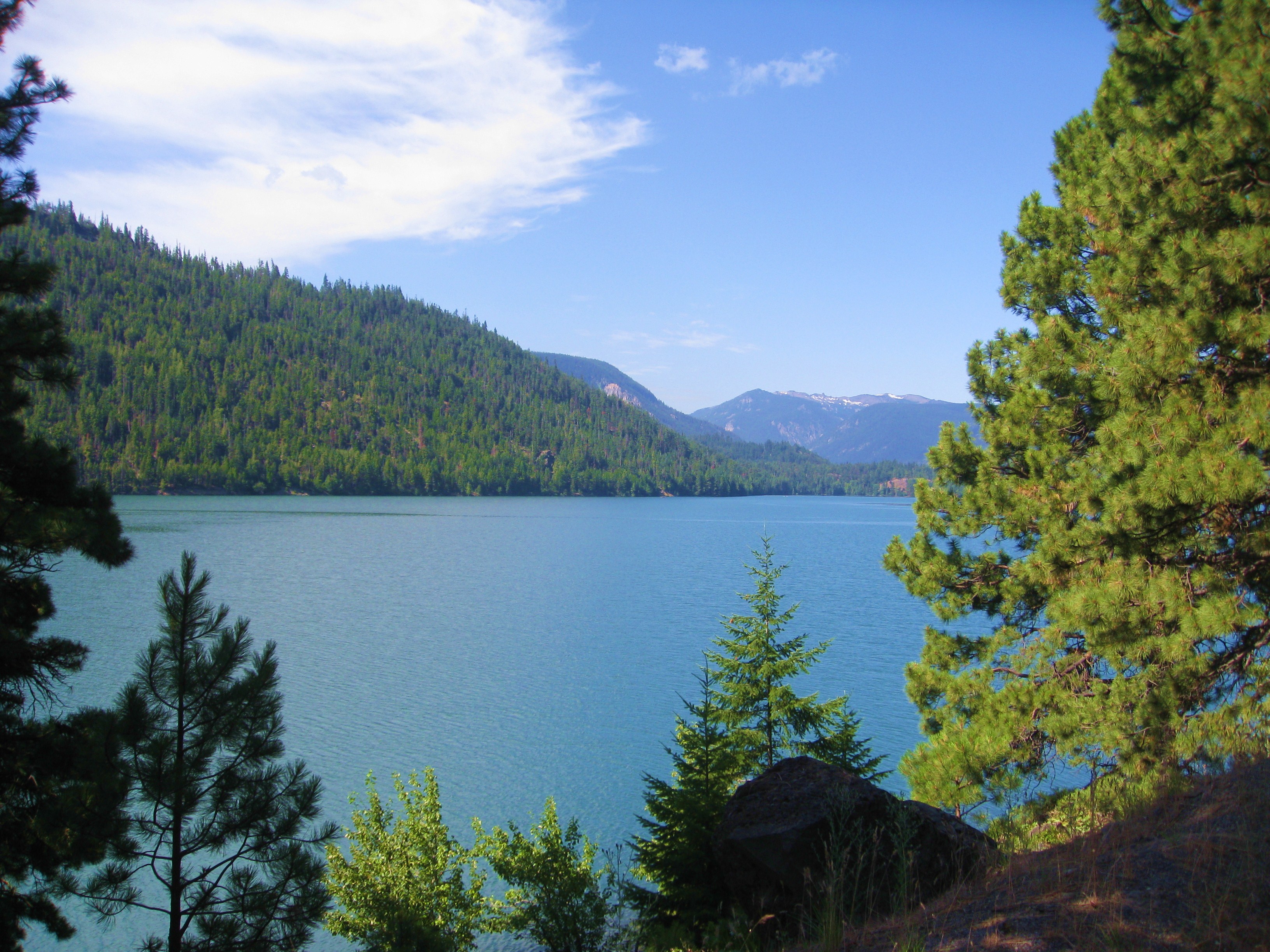
Shoreline reflections paint the lake's canvas ... Photo by Pat Bean

 I asked because I was impressed by Scott, who put up with our female kidding of him being the boy toy on the boat, and because I thought of how great it would be to spend a day on the water with friends and loved ones. You might think the same if you’re ever in Idaho’s panhandle just 100 miles away from the Canadian border.

I was truly looking forward to the boat ride. Being on the water makes me giddy. It’s a comfortable feeling of both awe and belonging. I sometimes wonder if its my ancestral cells calling to me.

The avid bird-watcher in me also got a treat when a gaggle of geese led our pontoon boat away from the Floating Patio. They floated ahead of us so close I was afraid our boat was going to run over them. One in particular was slow to get out of the way, but finally took a running, flapping scramble into the sky. Droplets of water from its spray hit me as I leaned out to snap a photo of the awkward aerial takeoff and then its graceful flight as its wings caught the air.

Women on the second boat excitedly point out the mountain goats high on the escarpment. ... Photo by Pat Bean

 Long evening shadows of color from sailboats, trees, cliffs and houses painted the dark water. Pend Oreille, is over 1,000 feet deep in places, which makes it an excellent spot for the Navy’s testing of submarines, albeit miniature unmanned ones that could have even now been passing beneath us. We passed by the Navy’s lake facilities, both onshore and lake anchored, where the testing is done.

 The highlight of the evening aboard the boat would have to have been the sighting of the mountain goats on the steep

 glacial carved escarpment surrounding the lake. After a few white rocks fooled us, we finally got a glimpse of four of the goats near the top heading upward. We had missed a closer view of them coming down to the water to drink. The goats were too far away for my camera to capture them, but I did get a photo of the passengers in the other boat as the women excitedly pointed at the animals.

 The evening ended all too soon, with everyone heading back to the park, most to loved ones of the opposite human sex. Maggie, my faithful cocker spaniel travel companion was waiting for me to tell her about my ladies’ night out. And I did. She’s been my soul mate for the six years I’ve been traveling the country in my RV.

It’s always ladies night out for the two of us.

Read Full Post »

“Climb the mountains and get their good tidings. Nature’s peace will flow into you as sunshine flows into trees. The winds will blow their own freshness into you, and the storms their energy, while cares will drop off like autumn leaves.” … John Muir

"Rite of Passage" sculpture at Farragut State Park ... Photo by Pat Bean

 He’s called Mack.  He’s the “Rite of Passage” sculpture that sits outside the Museum at the Brig at Farragut State Park, and he represents the 293,381 sailors trained here during World War II.

 I had no idea the park was a former naval base when I accepted an opportunity to volunteer here. I quickly jumped at the offer based on the park’s Idaho Panhandle location. I spent last summer in Texas wilting from too many hot humid summer days and I had no intention of repeating the foolish action.

 I chose well. Today will be my first 90-degree day, and without my native state’s humidity I’m still quite comfortable, although I’ll probably turn on my air conditioner when the sun hits my RV later in the day for a couple of hours. The rest of the time, my campground site is well shaded.

I’m rather fond of Mack. Possibly because my daughter spent 10 years in the Navy, serving in the Gulf War, and possibly because yesterday my son, a career Army man and Blackhawk helicopter pilot, was deployed to Afghanistan. It’s nice to know people care enough about our military sons and daughters to create a work of art memorializing them.

Apple blossoms

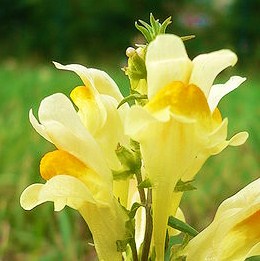
Butter and eggs' blossoms

 Meanwhile, sitting here in such a tranquil setting where butter and egg, two-toned yellow blossoms color the landscape beneath the pink flowers of an apple tree and robins raise their babies, it’s hard to imagine the ugliness of a battle field. Sadly I know that most people don’t want to imagine that scene. Perhaps if more people would, an end to war would come sooner.

 I’m a flower child. I want peace. When I was younger I believed I might live to see such a day. I now know I won’t. All I’m left with believing is that perhaps my grandchildren will – and hoping that my son returns safely from Afghanistan.

Read Full Post »

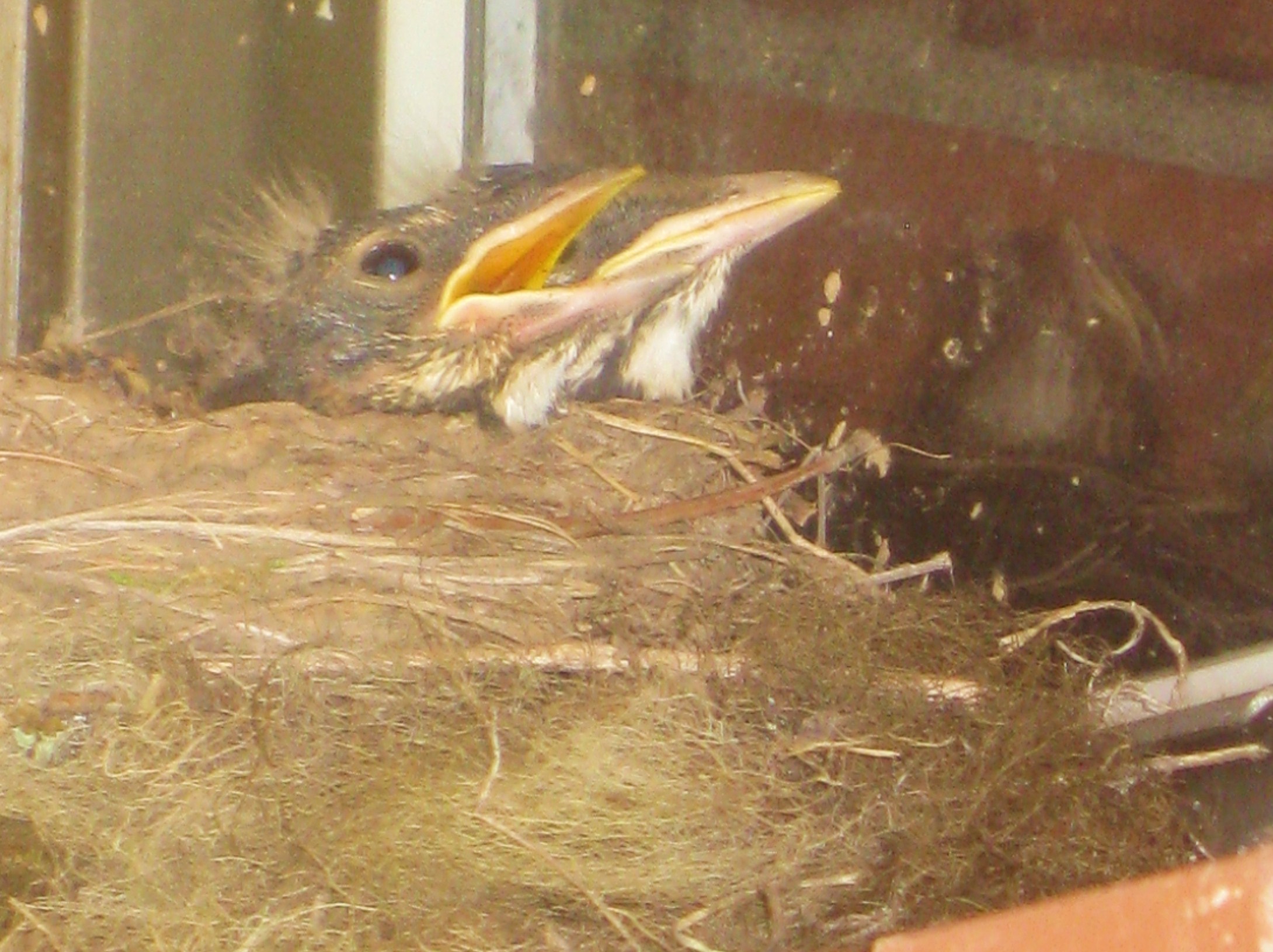
Hungry mouths

Growing a little

Photos by Pat Bean  

“It may be hard for an egg to turn into a bird: it would be a jolly sight harder for it to learn to fly while remaining an egg. We are like eggs at present. And you cannot go on indefinitely being just an ordinary, decent egg. We must be hatched or go bad.” C. S. Lewis

From helpless and naked to spouting feathers for flying in only two weeks at Farragut State Park

"Mama we're hungry"

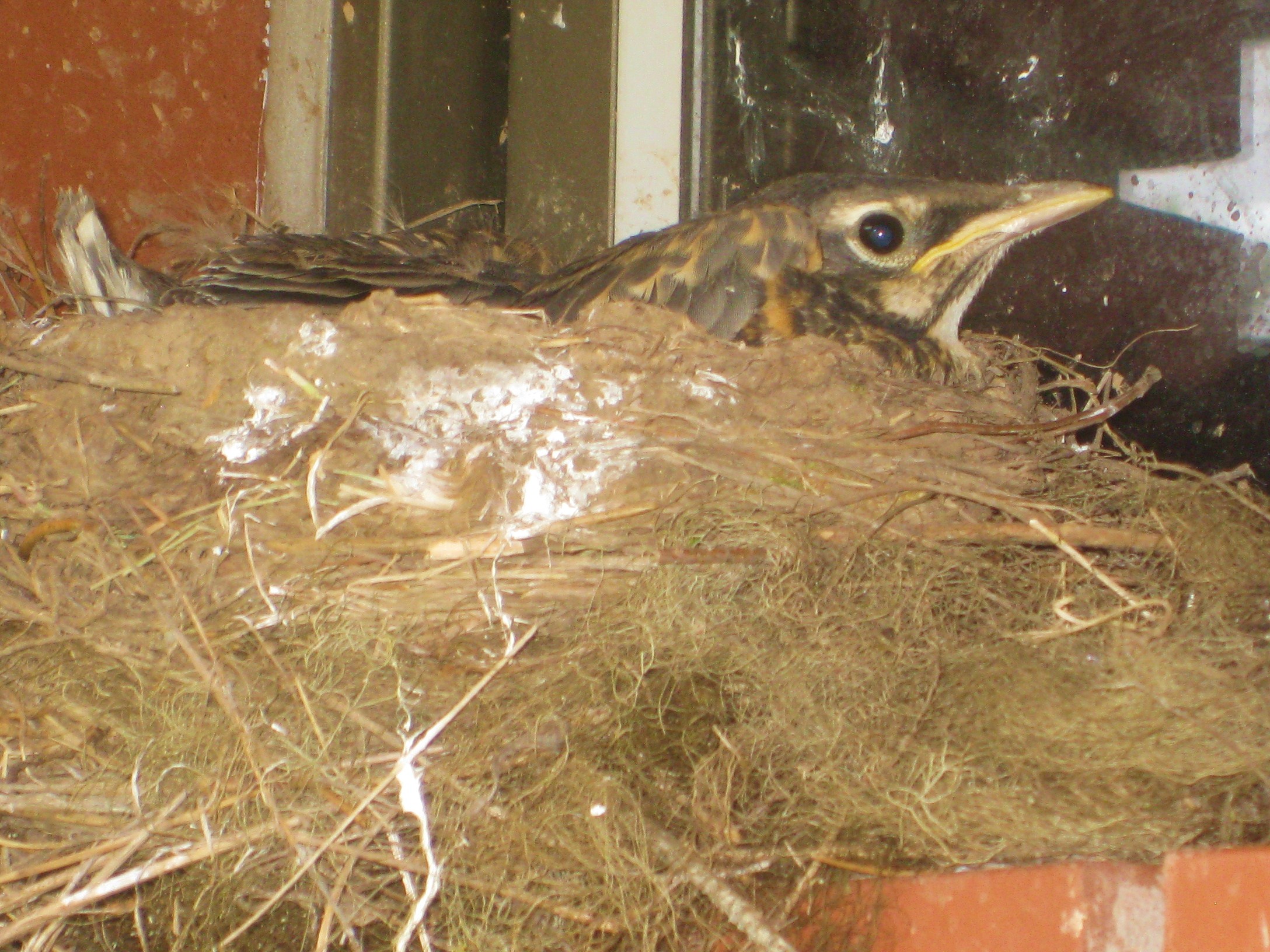
The good-mother robin I’ve been watching the past few weeks is now raising three chicks. The first time I visited her after they had hatched, she dive-bombed me. After quickly snapping a photo I left the scene. The second time I came, she sat on a tiny tree four feet from the nest and gave me a concerned, dirty look. The third time, she sat on the same tree, but seemed more peaceful.

Her growing chicks mouths were about all I could see at first. The birds are born naked and helpless, depending completely on their parents for warmth and nourishment. They now have feathers and look almost ready to leave the nest, a process that takes only about 13 days. It’s been an awesome joy daily watching this transformation.

I suspect this is my mother robin’s second brood of the year. When I first discovered her nest a fallen portion of an earlier nest beneath it contained remains of an empty egg shell that appeared to have hatched. Robins can raise three broods in a good year, and can live up to 14 years – if Mother Nature is kind to them.

It's getting a bit crowded in the nest

Most, however, don’t survive beyond about 7 years, and only about 40 percent of chicks reach adulthood. Magpies find baby robins quite tasty, as do snakes, cats and many other predators.

Considering this mother robin’s attentive care, I suspect her babies may have a higher percentage rate. And whether that’s true or not, the optimist in me will continue to believe it to be so.

Read Full Post »

A rabbit quietly sits near my RV ... Photo by Pat Bean

 “Forever is composed of nows.” Emily Dickinson 

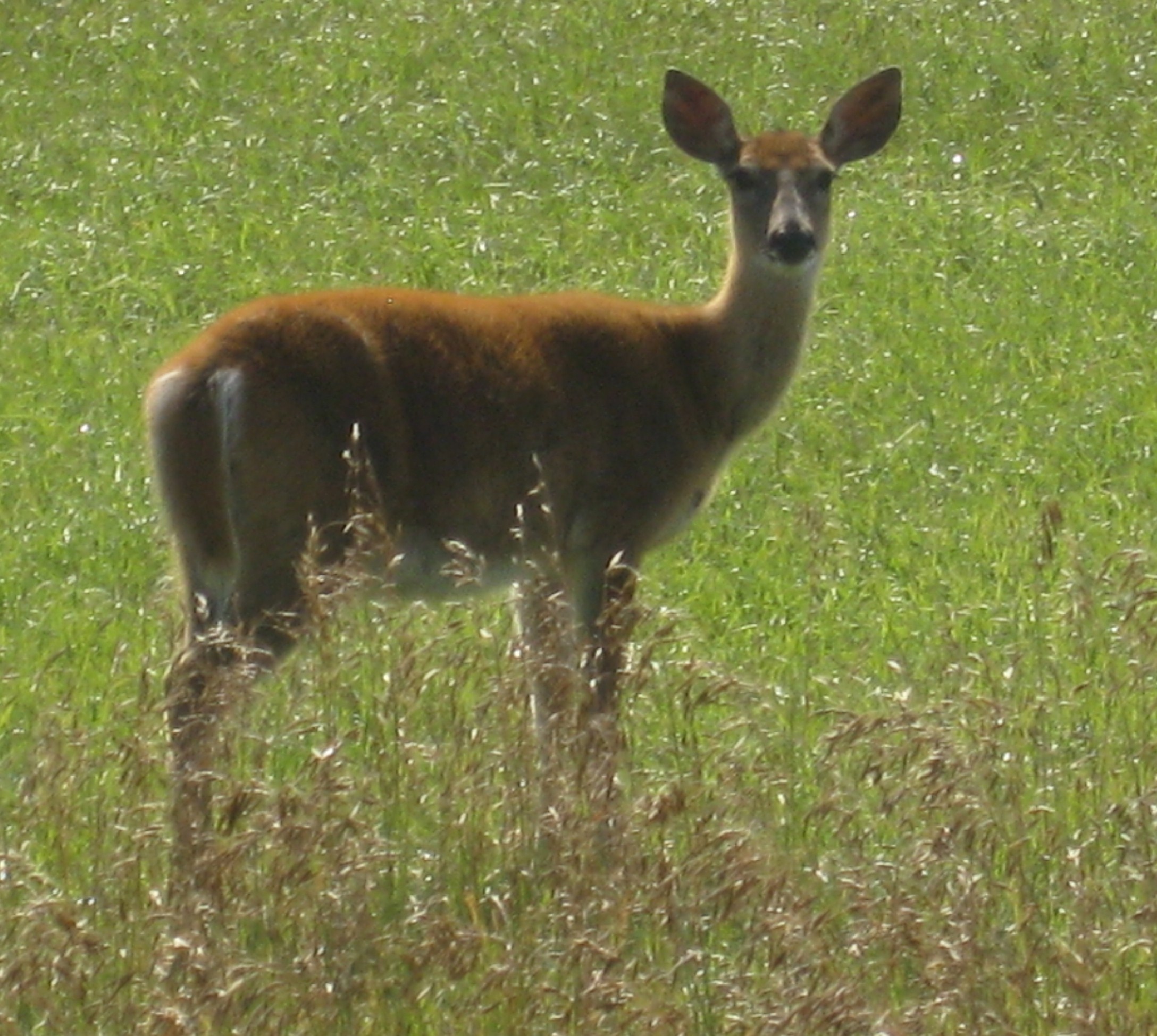
White-tailed deer ... Photo by Pat Bean

Animal life here at Farragut State Park goes about its daily passage of time in view of My RV window. I watch a constant stream of rabbits hopping among the shadows of the trees, noisy squirrels chattering as they scamper on the branches above, mourning doves and dark-eyed juncos picking at the bird seed I scattered, colorful butterflies flitting by, a black-chinned hummingbird drinking from my small nectar feeder, and an occasional deer sauntering through the woods. 

My heart welcomes such sights and I ask myself why these simple animals give me so much pleasure. I pondered this for a long time before deciding there was no simple answer. 

Their lives speak of freedom to me, yet I know these animals have things to fear: Raptors and coyotes ever looking for a meal, hunters with guns, and even Mother Nature herself when she decides to stage a stormy tantrum. 

The alarm call of chickadees when a sharp-shinned hawk is nearby, the fake injury performance of a killdeer to lead predators away from its chicks, the quick scampering away of rabbits at the slightest noise and the cautious look around before a deer abandons the safety of the forest tells me these animals are not unaware of the dangers. 

Is this so different from the anxiety and stress humans have for finding a job, feeding their families, securing a roof over their heads, and for me these days, worrying about a loved one soon to be deployed to Afghanistan. Mother Nature even taunts us with hurricanes, tornadoes, earthquakes and floods. 

I guess life wasn’t meant to be easy. We probably wouldn’t appreciate it if it was. 

A butterfly briefly settles ... Photo by at Bean

Watching animals live their life outside my window puts me in the moment. And perhaps this is the best reason of all of why I enjoy doing it so much. We can’t change what happened yesterday, and worrying about tomorrow is useless – unless we’re actually doing something to make tomorrow better, and the only way we can do that is to live in the moment. 

 The animals going about their daily business in sight of my RV window remind me of this. And for that I’m thankful.

Read Full Post »

“You may be deceived if you trust too much, but you will live in torment if you do not trust enough. — Frank Crane

The faithful, trusting robin ... Photo by Pat Bean

It’s magic. I’m standing eye-to-eye, three feet away from a robin sitting on a nest. She’s looking straight at me and I’m talking to her quietly. “And how’s the good mother this morning. What a good mother you’re going to make.”

She stares back at me, hopefully understanding that my heart wants only the best for her. The trust I see in her eyes tells me she at least understands I mean her no harm. I’d like to know how many tiny blue eggs she’s sitting on, but I’ve never seen her nest untended. To get any closer I believe would destroy our human-bird relationship. So I patiently wait for the day when I can count hungry gaping mouths. That’s assuming of course, the eggs are successfully hatched.

It’s the fourth morning in a row that I’ve visited this faithful mother-to-be. Her nest sits on a three-inch brick ledge on the side of the Visitor Center at Farragut State Park near Couer d’Alene, Idaho. Another robin has a nest on a ledge on the back side of the building. She flies away at the first sight of me coming around the corner 30 feet away. I see fear in her eyes as she watches me from the top of a nearby tree. I stay away from her nest. I don’t want to worry her more.

I wonder why she fears me so and why the other robin is more trusting. What different lives they must have led, I think as I reflect on my own life. I don’t give my trust easily or often. Life taught me not to do so.

Meanwhile, I’ve told no one here at the park the location of my trusting robin’s nest. But its easily seen and accessible ledge offers it little protection. All I can do is hope others who spot it are worthy of the same trust the robin gives me. I also hope one day to share a picture of tiny robins sharing a nest that sits on a brick ledge.

Read Full Post »

« Newer Posts - Older Posts »