Feeds:
Posts
Comments

Posts Tagged ‘postaday2011’

Travels With Maggie

            “Soon or late, every dog’s master’s memory becomes a graveyard; peopled by wistful little furry ghosts that creep back unbidden, at times, to a semblance of their olden lives.” – Albert Payson  Terhune.          
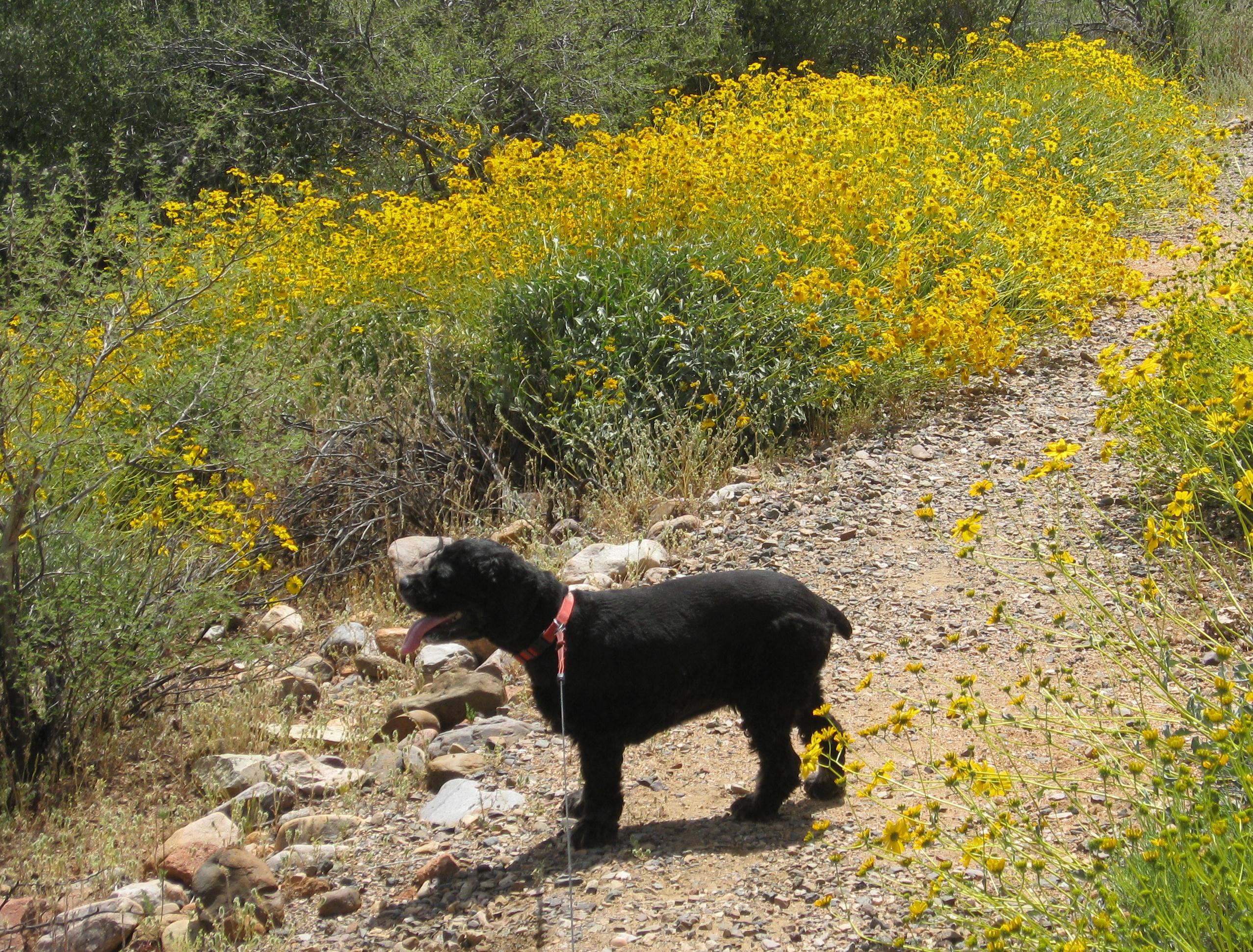
Maggie on a trail in the Tonto Basin -- Photo by Pat Bean

  When I came across the above quote, it moved me to remember all the dogs that have made my life better.

            There was Curley, my grandmother’s stand-offish white spitz, who once jumped out of a car at a grocery store and wouldn’t let anyone approach him. They came and got me out of my second-grade school class, and he came right up to me.

            Blackie is the second dog I remember, a cocker-mix, who shared my childhood tears of injustice as we hid away in the center of a large hedge in the side yard.

            Tex, a beautiful big gray weimaraner, whom was inherited from my ex-husband’s dying grandfather, came next. Tex could jump the backyard fence from a standing position, and gave my young toddlers horsie rides.  

             Two dogs named Rev, for reveille came next. They were loving family dogs, more attached to my kids than me, although I was the one who fed them.

Albert Payson Terhune with one of his collies

            Then there was a period of time, following a divorce and several moves, when I didn’t have a dog. It was a busy time in my life and I didn’t know how much I missed having a canine companion until Peaches came into my life.

            I got her from a young couple who were moving when she was about five years old. It was instant love and bonding between the two of us. She never wanted out of my sight, and it gave her great joy to watch over and please me.

            She was my hiking companion, instantly by me knee when anyone approached on the trail, but otherwise circling around, seeing the scenery with her nose. And if there was a group of us, she felt it her duty to keep us all together. She would run up to the  leaders and urge them to slow down, and then back she would go to hurry the laggards among us along.

            The last long hike she and I took together was Negro Bill Canyon, a five mile hike to an arch near Moab. It was a very slow hike as I was recovering from foot surgery at the time and Peaches was blind.

            A few weeks later, when she and I were out on a short walk, she gave out. I had to carry her home. I babied her, cooked chicken and rice for her meals, and watched over her for another few months before it came time for me to bid her good-bye.

            Maggie, my current black cocker spaniel traveling companion, came next. I rescued her from a shelter when she was a little over a year old.

 She’s as different from Peaches as a bluebird is from a raven. She’s a whimpy hiker, and she thinks it’s my duty to protect her.

Maggie in her favorite spot in our RV -- Photo by Pat Bean, July 2006

She’s my boss, not the other way around. And everyone knows it

            And now she’s 13, gray around the muzzle and slowed by age. Time has become our enemy. Her life expectancy is shorter than mine. And as I acknowledge this, the tears flow on this page.

            Albert Payson Terhune, whose words inspired this blog, was my favorite author as a child. I read all his books, which are mostly about dogs. He was especially partial to Collies. His first, and probably best known book, is “Lad: A Dog,” published in 1919 and still in print today. .  

Who would have thought that the words of this favorite author from my past would return and now haunt me.

            Thankful the good memories of my pets, while not obliterating the pain of loss, outweigh it.
Read Full Post »

            “If you feel the urge, don’t be afraid to go on a wild goose chase. What do you think wild geese are for anyway? – Will Rogers

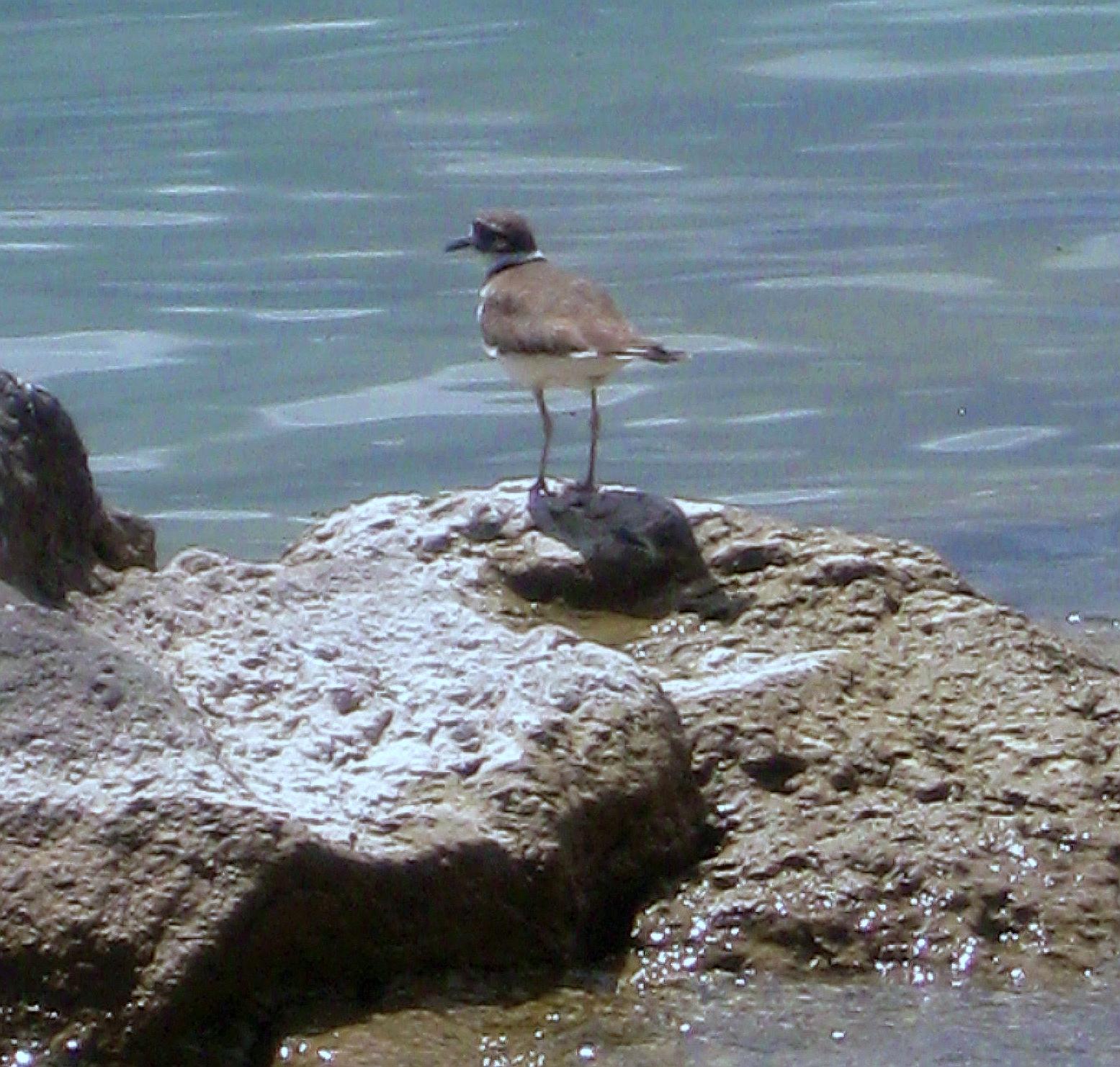
This killdeer is acting more like the plover shorebird it is, than all the others I've seen here at Lake Walcott. The many others I've seen have all been in the grass away from the water. -- Photo by Pat Bean

Travels With Maggie

            My morning stroll this morning was punctuated with killdeer along every path. Although a shorebird, the killdeer is more often than not found in grassy areas, where it builds its nest and raises its chicks. Whenever trespassers enter the nesting zone the killdeer, both male and female, will attempt to lure you away.

            They do so by walking on the ground, often holding out one wing as if broken, until you are a goodly distance away from their nest or chicks. Then they’ll fly out of harm’s way.

             A pair Maggie and I came across this morning stayed barely six feet ahead of us, screeching as they hurried along to make sure they had our attention.

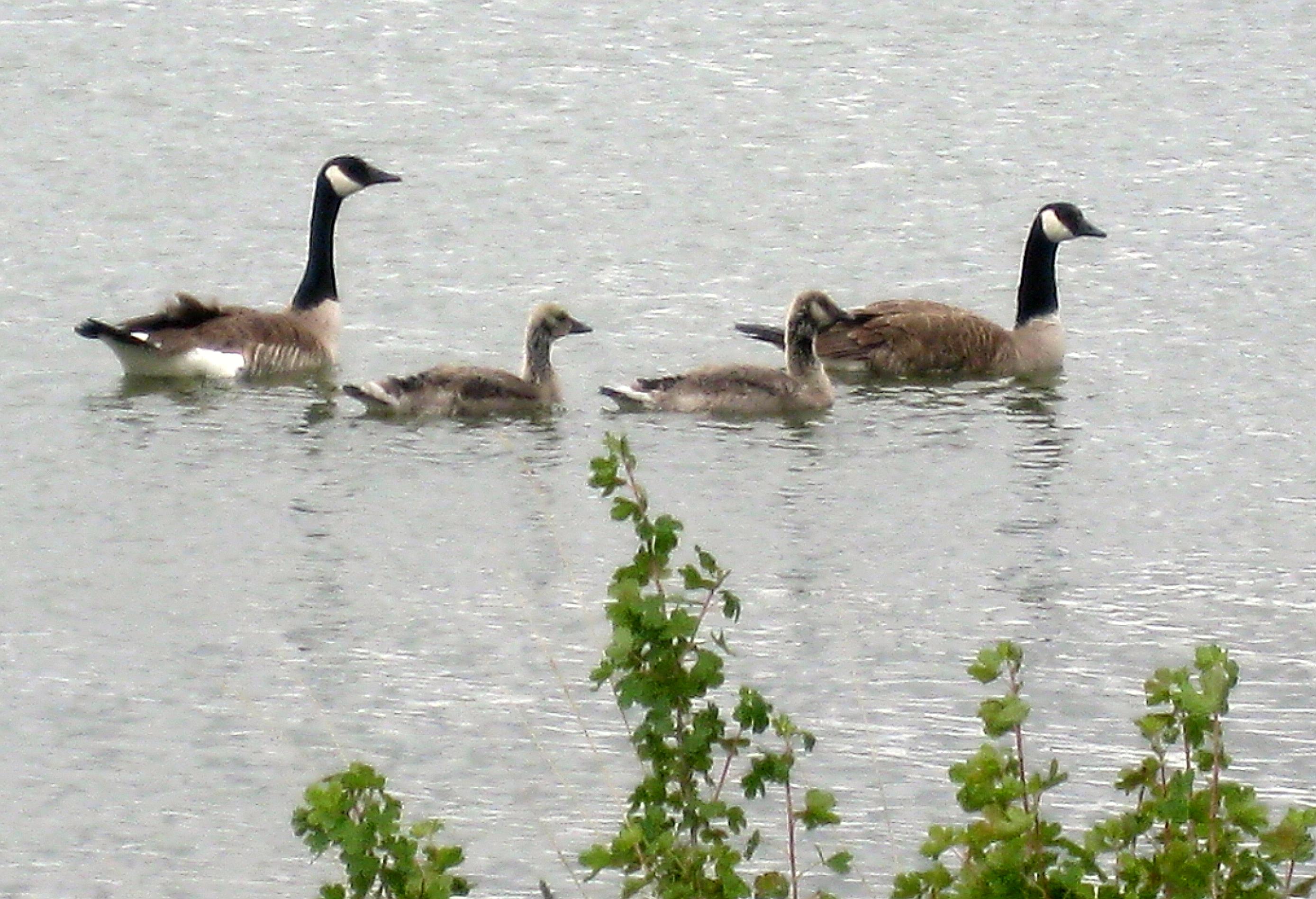
These young Canada geese are looking more and more like their adult parents every day. -- Photo by Pat Bean

            I once found a nest of killdeer chicks by ignoring the adults, who hopped away in different directions, by looking where they didn’t want me to look. I didn’t stick around long watching the long-legged bits of fluff, however. The parents’ wails quickly pierced my heart, and after only a couple of minutes I left the family in peace.

            I haven’t seen any killdeer chicks here at Lake Walcott yet, but I have been watching a pair of Canada geese with two chicks. They were already past the frothy yellow fuzz stage when I arrived mid-May, and are quickly taking on a more adult appearance.

This morning I found the family just off shore, where they felt safe enough to not swim away immediately. Thankfully I hadn’t forgotten my camera.

Read Full Post »

“For the man sound in body and serene of mind there is no such thing as bad weather; every sky has its beauty, and storms which whip blood do but make it pulse more vigorously.” – George Gissing

The late afternoon rain at Lake Walcott was merely Mother Nature's preamble for the night ahead. -- Photo by Pat Bean

Travels With Maggie

Mother Nature threw a hissy fit last night.

She began the day with ominous clouds playing with the sun, blew up gusts of wind about midday that tumbled my bike and lawn chair about, then drizzled a little rain in the late afternoon here at Lake Walcott State Park in Southern Idaho.

All was merely a preamble to the thunderous symphony she had in store as night fell over the park’s lush green landscape.

Her daytime mood hardly bothered the birds at all. Brown-headed cowbirds, black-headed grosbeaks, house finches, house sparrows, mourning doves, robins, killdeer, starlings, and one northern flicker continued to eat my birdseed or flit about just outside my RV window.

But hopefully they were tucked away some place safe when Mother Nature discarded her lamb’s persona for a hungry lion’s roar.

The rain pelting on the roof of my wind-rocked RV sounded like Thor was frantically beating overhead with his hammer. The trees around me, spotlighted by lightning flashes, swayed deeply to the frenzied beat of surround-sound thunder that came in rolls.

This black-headed grosbeak is a regular visitor to my campground site. -- Photo by Pat Bean

My canine traveling companion, Maggie, is not one to be afraid of storms, but for this one she decided she wanted to curl up next to me on the couch where I was reading “A Sense of the World” by Jason Roberts. It’s the true story of James Holman, who despite being blind became one of the world’s greatest travelers during the early 1800s.

Its seemed an appropriate book for me to be reading during the storm, although I did more watching the disharmonious, strobe-flashed world out my window than I did absorbing the words on the page of my Kindle.

The sightless Holman, who used all his remaining senses to experience the world, would have loved this storm.

And so did I.

Read Full Post »

 “The longer I live, the more I realize the impact of attitude on life … We cannot change the inevitable. The only thing we can do is play on the string we have, and that is our attitude. I am convinced that life is 10 percent what happens to me and 90 percent of how I react to it.” – Charles R. Swindoll.

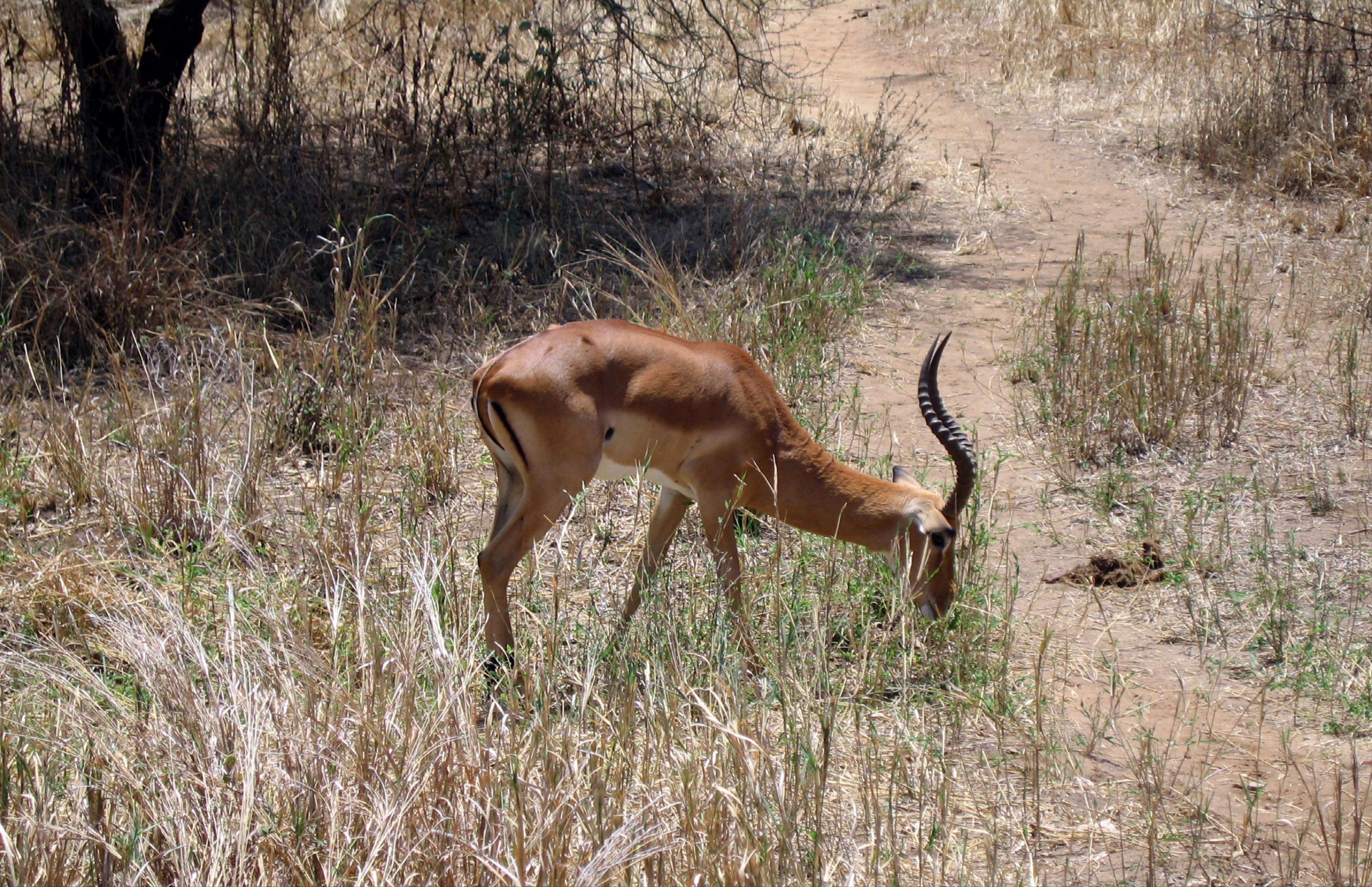
Life is good for this impala as long as he escapes being eaten. -- Photo by Pat Bean

Journeys

Life is full of pitfalls, and life is not fair.

I think I always knew about the booby traps, but my Pollyanna-brain took much longer to absorb the unfairness.

While I still believe that working hard is the way to fulfill one’s dreams, I now have learned to accept that we can’t always make our dreams come true – or always win an unfair lawsuit filed against us.

Life throws wicked curve balls at all of us.

Perhaps, after saving up for years to buy the home of one’s dreams, the spectacular lake view is obscured when a two-story residential development moves in next door.

Or a beloved child is killed in a car accident by a drunk driver. Or one’s career as a dancer is ended by a serious injury.

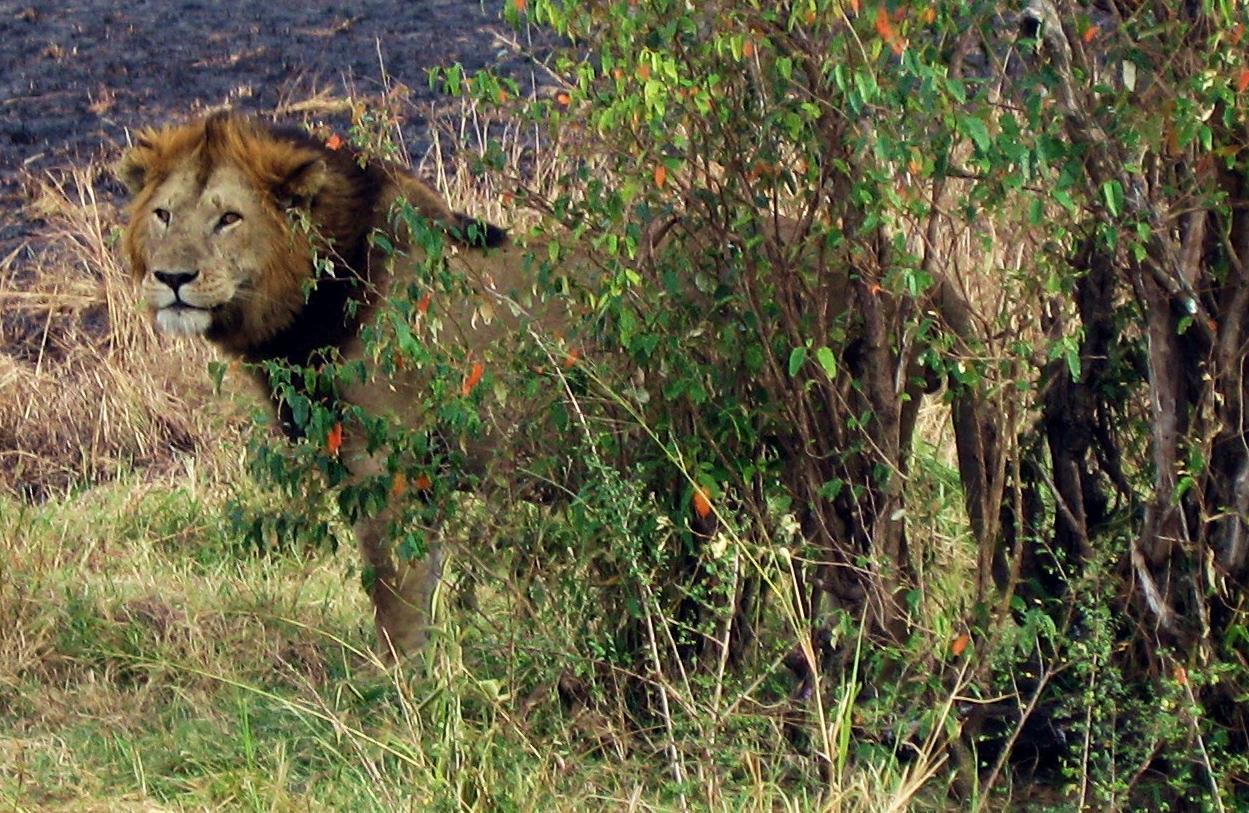
This lion has no fear of the impala he wants for dinner, but somewhere another male lion might be wanting to take him on. -- Photo by Pat Bean

Or, as has become common these days, one loses their job and can’t find another that pays half as well.

Rare, if not non-existent, is the person who’s made it to my old-broad age who hasn’t suffered some tragedy in their lives.

The wise among us grieve, and then move on the best we can.

My 2007 African safari reinforced this hard rule imposed on all by Mother Nature.

Life is not fair, but it still can be good

Read Full Post »

“Originality exists in every individual because each of us differs from the others. We are all primary numbers divisible only by ourselves.” – Jean Guitton

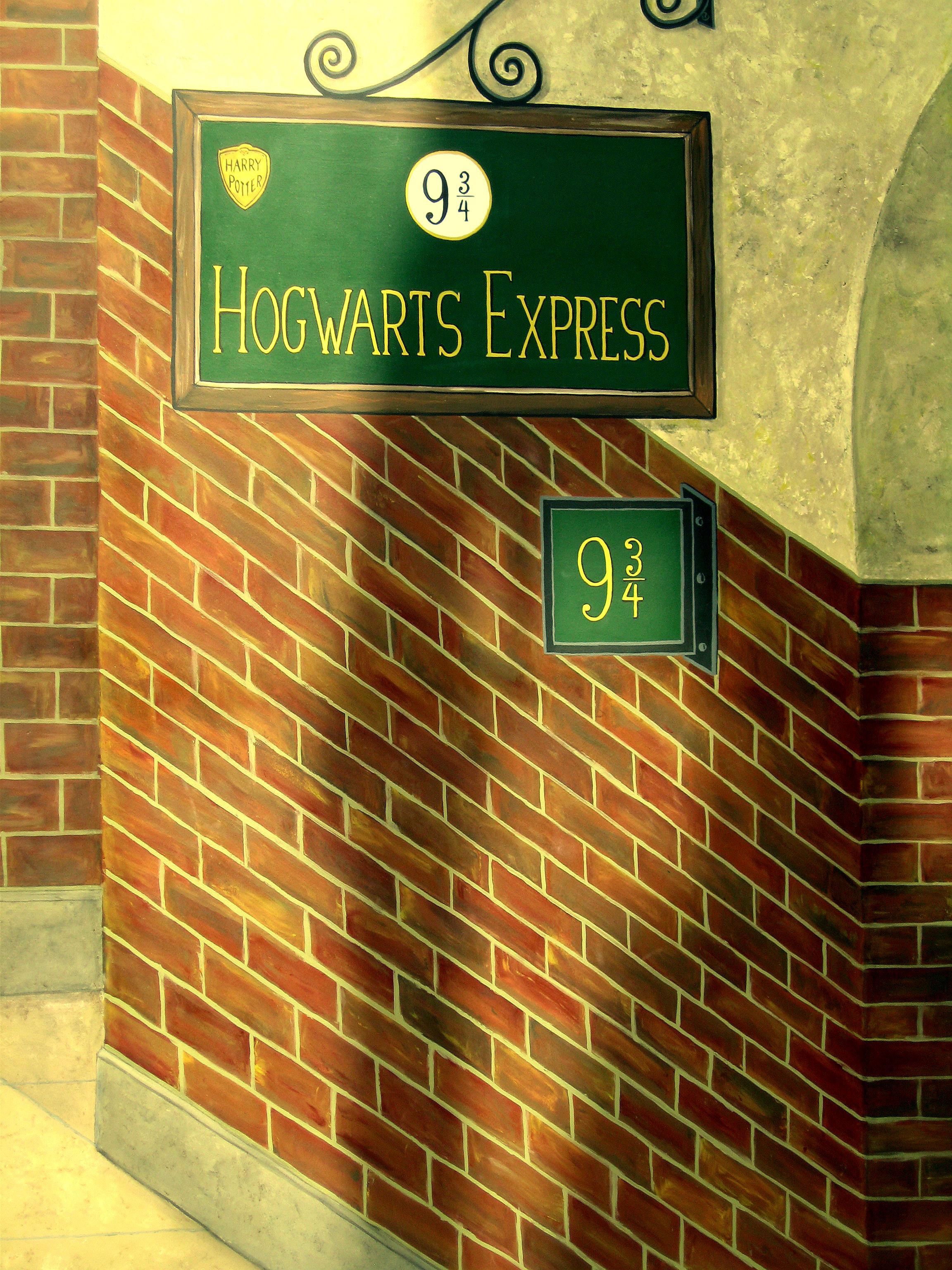
J.K Rowling added a new number to the world with her Track 9 3/4 to Hogwarts. It's a number Harry Potter fans are not likely to forget. Union Station in St. Louis, Missouri, has a wall depicting the fictional track. I wonder how many people have tried walking through the wall. Just for fun, of course. -- Photo by Pat Bean

By the Numbers

Some numbers stick in our brains.

Your birth date for one. December 25 for another, which as a kid takes way too long to come around, but which comes around faster each year once you’re an adult.

Perhaps you believe, because your grandmother said it was so, that seven is lucky and 13 is not.

Telephone numbers used to be important things that clogged up my brain, but cell phones remember them for me these days. I barely can recall my own number.

But I haven’t forgotten the times table I learned in school, all the way up to 12 times 12. Kids these days use calculators instead of brain space to do the math. I guess it’s necessary because of how much more they have to learn.

The exact number of bird species I’ve seen is stored in my little gray cells, while others keep track, to the penny, of the amount they have in their bank accounts. I’m satisfied with a $10 difference in what I think I have and what the bank says I have.

I check the numbers almost daily, however, to make sure my accounts have not been hacked, and to decide if the bottom line number is large enough for another tank of gas for the road.

The most important number currently in my brain, however, is the number of days before my son comes home from Afghanistan. It’s finally down to about 30.

Whats your number?

“A good decision is based on knowledge and not on numbers.” – Plato

Read Full Post »

Delicate Arch at sunset. -- Photo courtesy Wikipedia

 “It is foolish to postpone enjoyment of your ordinary life until you are more successful, more secure, or more loved than you are today.” Timothy Ray Miller.

Balanced Rock can be seen in the opening scene of Indiana Jones and the Last Crusade. -- Photo by Pat Bean

Red Rock Wonders  

I’ve taken the short hike around Balanced Rock in Arches National Park every time I’ve visited this fantastic land carved by Mother Nature. The red-rock formation of a 55-foot tall egg-shaped object sitting off-balance on a 100-foot tall pedestal intrigues me.

I guess it also intrigued Steven Speilberg because he used it in his opening scenes of “Indiana Jones and the Last Crusade,” which is my favorite of the four tall Jones’ tales.

When I lived in Utah, Arches was only a four-hour drive away from my home. Often, on early Saturday mornings, I would throw an overnight bag together, and just take off down the road. And it wasn’t unusual for that road to end at Arches.

Almost always, the first order of my visit would be to take the short loop around Balanced Rock before choosing another trail or two to hike.

Delicate Arch was occasionally one of these. It’s a three-mile round-trip hike that starts out on a well-worn trail that dissolves into a mild scramble over slick red rock and ends beneath a formation that looks sort of like a pair of cowboy chaps.

This free-standing arch might actually be the most photographed one in the world. I was fortunate enough to stand beneath it for the first time in the early 1970s, when I had the trail and the view mostly to myself.

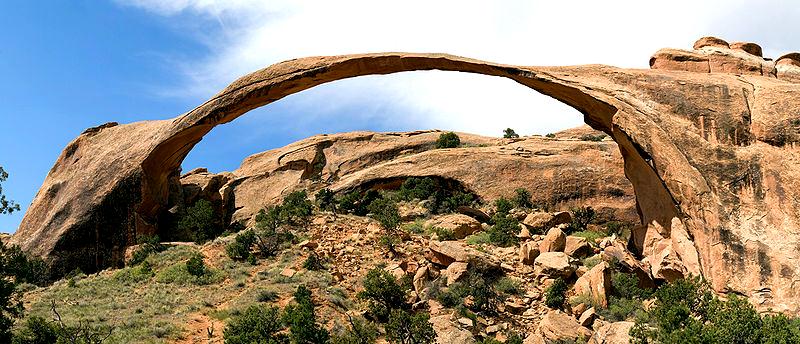
Landscape Arch -- Photo courtesy Wikipedia

The arch’s fame, as Utah’s own personal symbol, however, has made it a very popular hiking venue.

Another popular trail in the national park is the one that takes you to Landscape Arch, the longest natural arch in the park. You can’t stand beneath this one as you once could, however. The Park Service only allows you to ogle this arch at a distance because three huge slabs have fallen from it in recent years.

The truth is all three of these formations – Balanced Rock, Delicate Arch and Landscape Arch – will one day be overpowered by gravity, just as New Hampshire’s “Old Man of the Mountain” fell from his high perch on Canon Mountain in 2003. I missed seeing him by three years.

Hopefully Arches National Park’s wonders will still be around for many years – although if seeing them is on your bucket list, sooner might be better than later.

 “You may delay, but time will not.” – Benjamin Franklin

Read Full Post »

“At the entrance, my bare feet on the dirt floor, here, gusts of heat; at my back, white clouds. I stare and stare. It seems I was called for this: to glorify things just because they are.” – Czeslaw Milosz


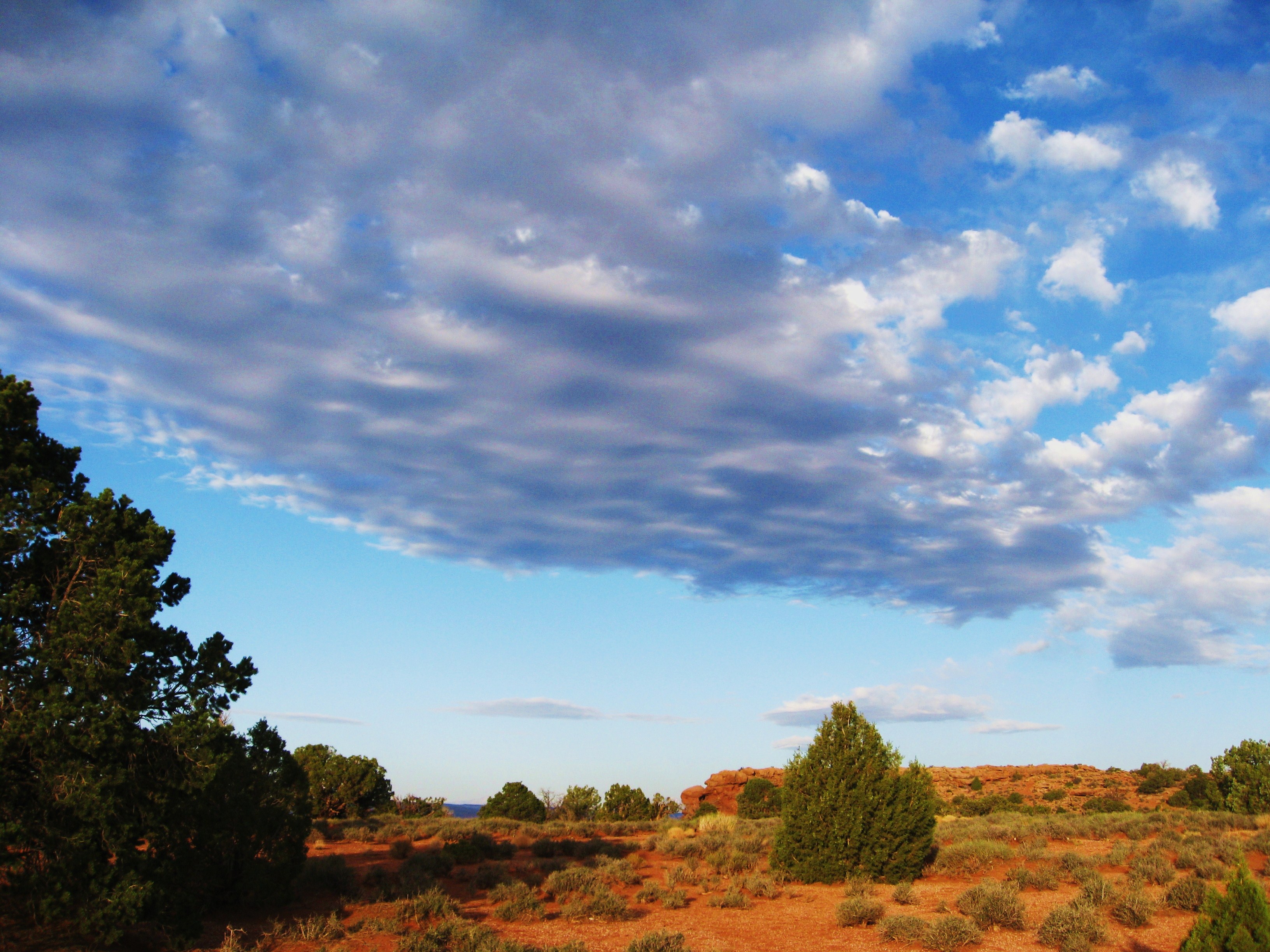
There could be no better place than Canyonlands National Park's Island in the Sky for cloud watching. -- Photo by Pat Bean

I love taking landscape photos with my Canon digital  pocket camera And I find that sometimes the focus of my photos have more to do with the clouds above than the land below. Here are two photos, taken during visit to Utah’s Canyonlands National Park, Island in the Sky that fit this category. Wouldn’t you agree. 


A sky full of clouds above Whale Rock in Canyonlands National Park. -- Photo by Pat Bean

 “Nature is a mutable cloud that is always and never the same.” Ralph Waldo Emerson


Read Full Post »

“Home is the place where it feels right to walk around without shoes.” – Unknown

The Coronado Museum in Liberal Kansas today. It began life as a Sears and Roebuck mail order home. -- Photo by Pat Bean

Travels With Maggie

On my way to Idaho to escape the Texas heat for the summer, I visited the Coronado Museum in Liberal, Kansas. It was so named because Vasquez de Coronado traveled through the area in 1541 in search of the fabled Seven Cities of Gold. He and his band of soldiers left behind a few trinkets, which are now on display at the museum

While the exhibits were interesting, the tidbit that intrigued me was the fact that the 1918 building housing the museum was ordered from a Sears and Roebuck Catalog. The popular mail-order business sold hundreds of these between 1908-1940, offering 150 different models to choose from.

It was the second such building I had encountered in my travels. The first was a historic farm house in Battle Ground, Indiana, adjacent to Prophetstown State Park.

That Indiana home, the Hillrose model, came complete with all electrical and plumbing fixtures, and had been shipped by rail to the site, at a cost of $6,880. For tourist purposes, meaning dollars, that house had been recreated at a cost much exceeding the original.

What got me thinking about these homes were two things. First, the main topic of conversation on my Story Circle Network chat group the past week has been the green benefits of smaller, older homes vs larger, newer ones.

One of the mail order homes offered by Sears and Roebuck between 1908 and 1940. -- Illustration courtesy of Wikipedia

Having once lived in a small home built in 1912 that had thick walls and real wood construction – and low utility bills, I weighed in on the side of smaller and older. While not exactly small, the Kansas mail-order former home and now a museum looked as if it had stood the test of time.

The second thing that got me thinking about Sears and Roebuck homes was a great mystery writer, Blaize Clement, whom I discovered a couple of weeks ago. Her heroine’s grandparents, and now her brother, lived in a Sears Roebuck mail-order home. The fictional home was mentioned in all five of her books, which I gobbled up the past two weeks.

It’s sort of funny how when once you learn something new, you come across it everywhere. It makes you wonder why it’s only now come to your attention.

Has that kind of thing ever happened to you?

Read Full Post »

 “Nothing great in the world has been accomplished without passion.” – Georg Wilhelm Hegel

Gray partridge -- the pair disappeared too quickly for me to get a photo of them, so thanks to Wikipedia for this one.

Travels With Maggie

I was on the phone with my daughter in Arkansas when I saw two quail-like birds trot across the manicured lawn beside my RV.

I quickly cut the call short, and rushed over to the window for a better look. I knew if I went outside my RV they would quickly disappear. As it was they pretty much did that anyway, although not before I had a quick study.

They were short and plump, gray and brown, and sported a rusty-red face and throat design. I suspected they belonged to the quail or grouse family of birds that spend more time on the ground than in the air.

I was right, which is a clue to how far I’m come since becoming a birder 12 years ago when I couldn’t tell a gull from a tern or a swallow from an oriole.

Back then, I spent many hours thumbing through an entire bird book just to identify one species, or to tell a ruddy duck from a mallard. Today I quickly narrowed the possibilities, and with the help of my National Geographic “Field Guide to the Birds of North American, soon decided the birds were gray partridges.

Maggie and I daily stroll Lake Walcott's many paths, always finding new wonders of Mother Nature. -- Photo by Pat Bean

The guide’s range map, which let me know this partridge could be found in Southern Idaho, and the bird’s facial color,  were the deciding factors. Later, when I mentioned the sighting to a park worker, he told me gray partridges were commonly found here at Lake Walcott State Park.

I was an ecstatic birder. The gray partridge was a life bird for me, my 697th species.

Birding, as a passion, came at exactly the right time of my life. My journalism career was nearing an end, and I was planning for a traveling retirement. Chasing birds not only gave me a new interest in life, it fit in perfectly with my upcoming life as a vagabond.

While you can see robins and red-tailed hawks everywhere, in North America you can only see a Florida scrub jay in one small parcel of land in Florida, or a white-tailed hawk only in the Rio Grande Valley of Texas, or an elegant trogan in Southeast Arizona.

I still have a long way to go to see all of North America’s nearly 1,000 bird species, and even farther to go to see the world’s nearly 10,000 species. But that’s OK, because there will always be birds to chase.

Learning about birds, and boy is there a lot of fascinating stuff to learn, has also been great exercise for my brain. But the most important word here is passion.

While of course there’s the male-female sex thing, it can also mean anything in life that moves us. Adding birds to my passion, along with the passions I have for family, writing, art, reading and travel has made my life richer.

If not a gray partridge, what’s your passion?

Read Full Post »

“Spring’s last-born darling, clear-eyed sweet, Pauses a moment with white twinkling feet, And golden locks in breezy play, Half teasing and half tender, to repeat her song of May.” –Susan Coolidge

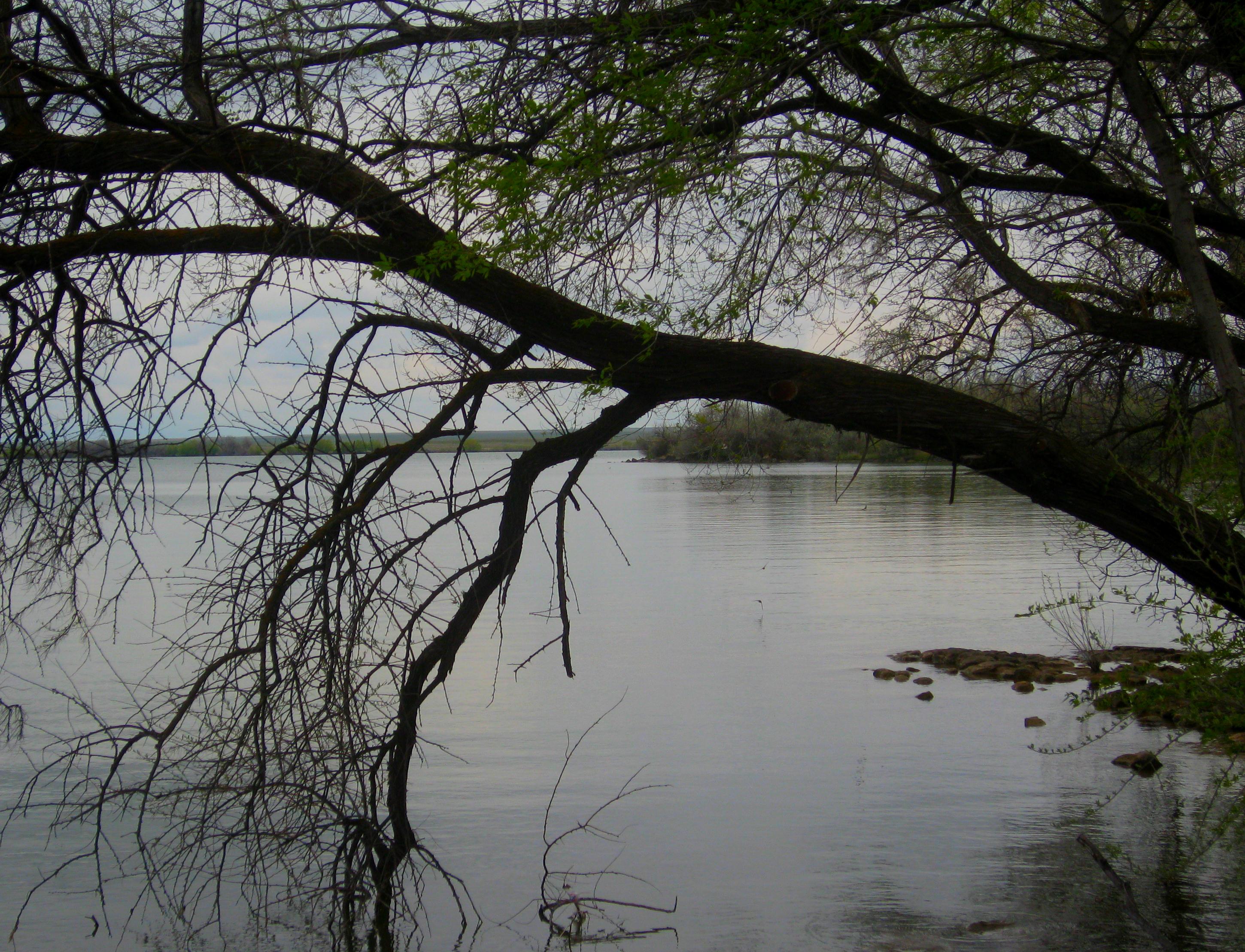
Looking out over Lake Walcott on a cool day through tree branches that are just now beginning to green up. -- Photo by Pat Bean

Travels With Maggie

Today is the last day of May, and supposedly summer should be on the way. In fact, it was already being felt mid-April when I left my family behind in Texas, where yesterday they had temperatures in the 90s.

Here in Southern Idaho, yesterday’s temperatures were only in the 40s, but the weather gurus say it’ll be in the 60s today.

I think the birds, who have mostly been staying sheltered during the past few days of cold, wind and rain, might have heard the news as well. I was awakened by their blaring symphony outside my RV.

Barn, rough-winged, violet-green and bank swallows are making the landscape outside my window look as if it’s full of moving polka dots. Bright orange-chested robins are courting and building nests. Canada geese are already raising goslings. Western grebes are dancing on the lake. Common nighthawks are circling overhead in the evenings.

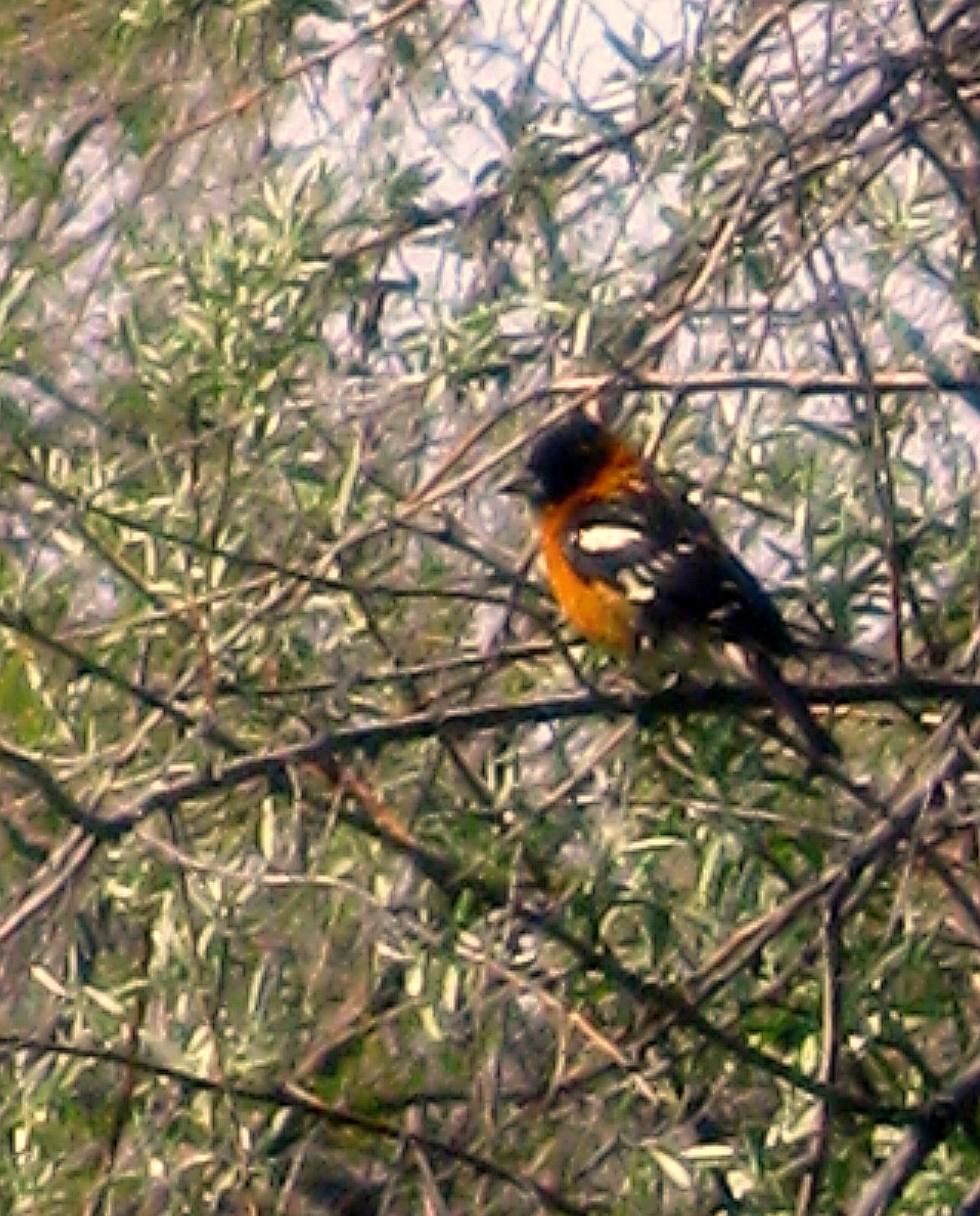
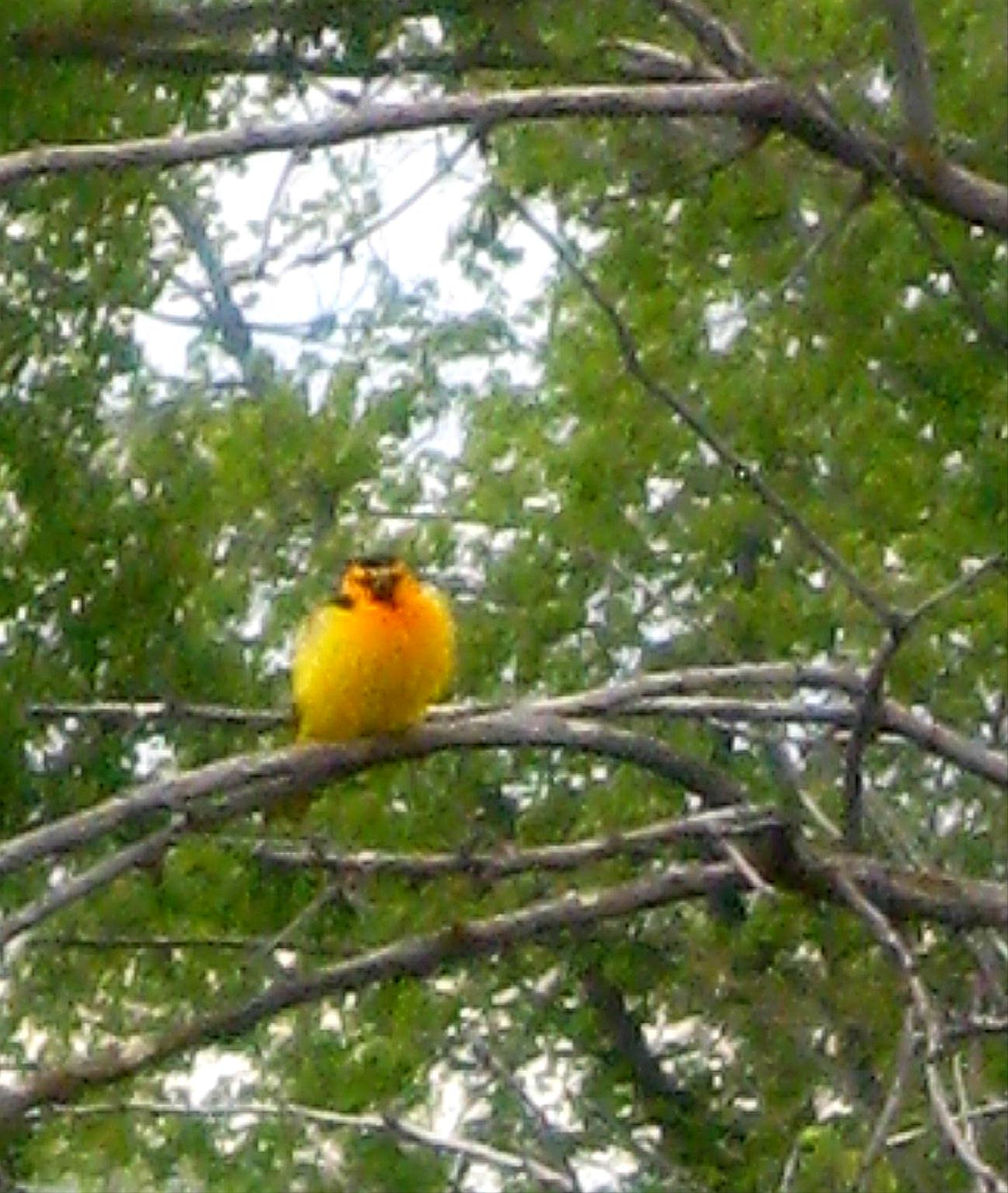
American goldfinch have already emptied my thistle bag twice. Killdeer are loudly squealing on the ground as they lead trespassers away from their nests in the grass. Starlings are going in and out of a hole in the self-pay kiosk outside my RV. Mourning doves are gobbling up the birdseed I threw on the ground. And brightly colored Bullock’s orioles are preening their puffed-out feathers.

I’m a happy birder.

It’s also been a delight the past two weeks to watch spring, which everyone says is quite late this year, come out of hiding.

A Bullock's oriole outside my RV in a cottonwood tree with his feathers all puffed up to ward off yesterday's wet coolness. -- Photo by Pat Bean

While the process happened almost overnight in Texas before I left there, the cool weather here has caused the change to take place in slow motion. It’s been a delight to be able to watch it in such detail.

Daily, I’ve seen leafless tree branches green up, beginning to hide the nests being built there by stick-transporting birds. I’ve watched as dainty lavender and yellow wildflowers have slowly peeked up through the grass, while the dandelions that came before them have shed their blossoms and are now scattering their puffy white seeds.

And now I’m going to walk Maggie and see what other wonders I’ll discover this last day of May. Life is good.

Read Full Post »

« Newer Posts - Older Posts »