Feeds:
Posts
Comments

Posts Tagged ‘memories’

            “In three words I can sum up everything I’ve learned about life: It goes on.” – Robert Frost

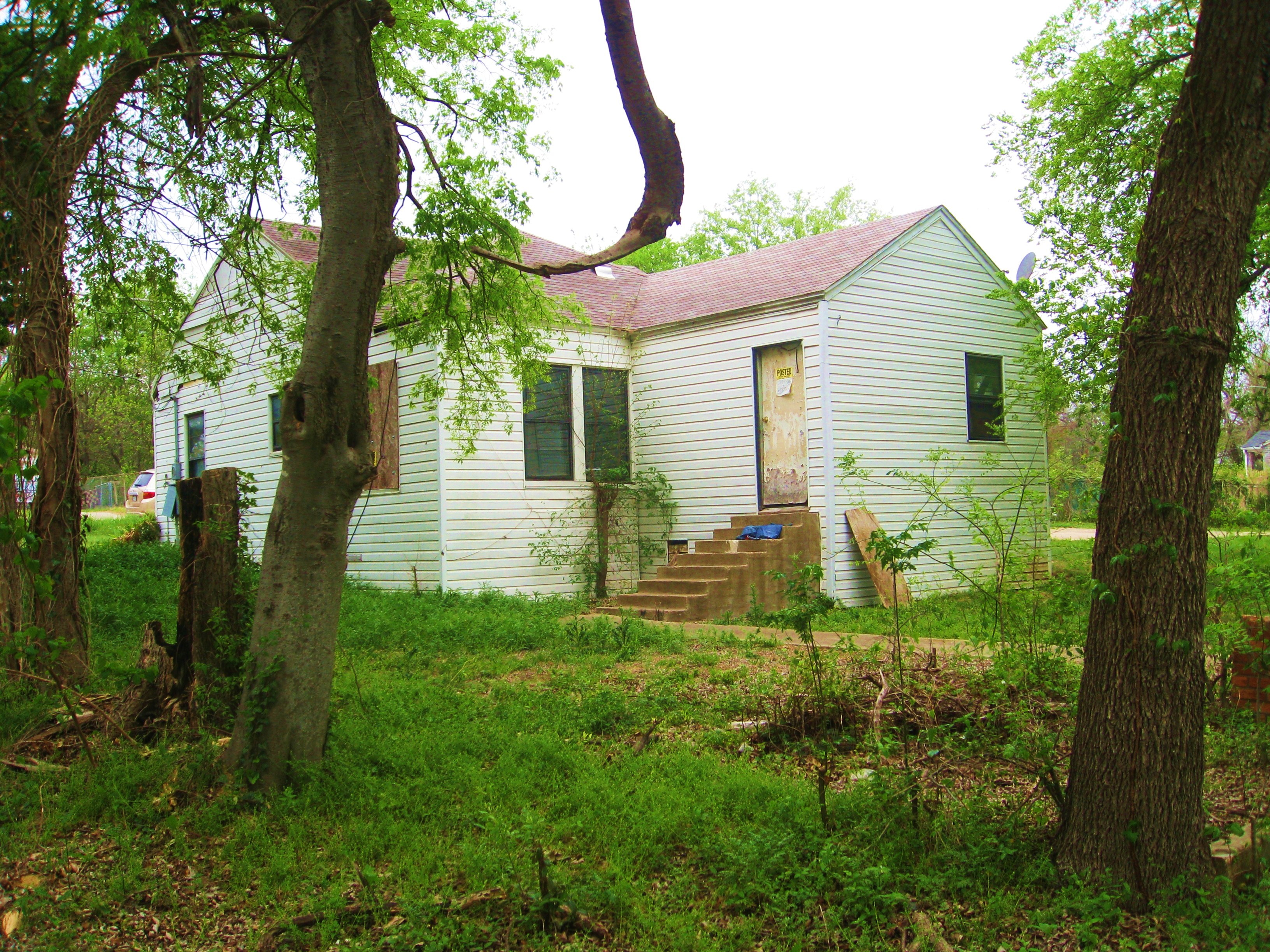
Part of my everyday Sunday life was sitting on the back steps of my grandmother’s home early in the morning watching her wring a chicken’s neck so we could have the best fried chicken in the world for dinner. It spooked me the way the headless body of the chicken would flop around. My grandmother’s house on the outskirts of Dallas is now condemned. — Photo by Pat Bean

Mine from the Ages of 3 to 11

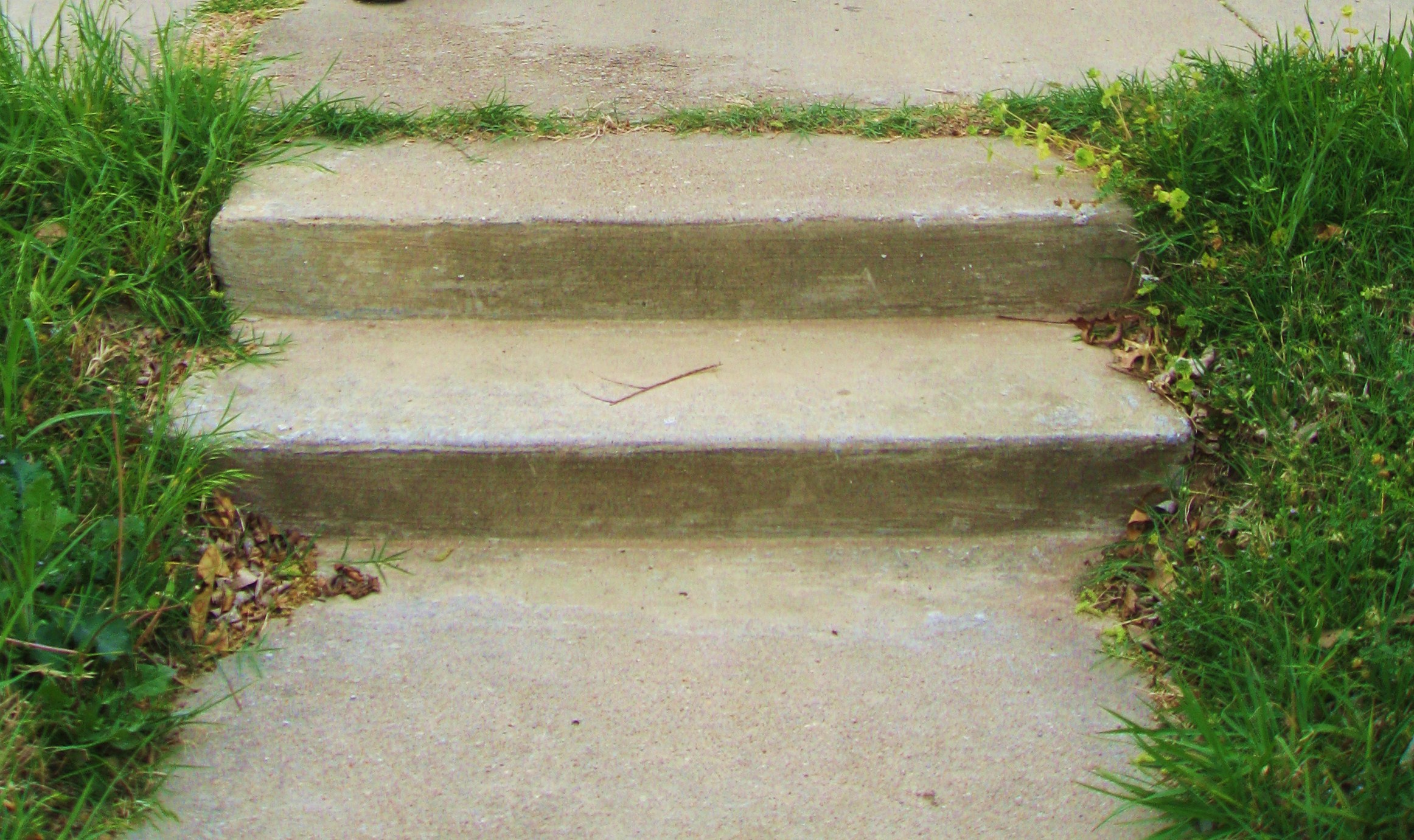
These are the steps I ran up every week day to catch the school bus. I tripped on them once and chipped a tooth, which the dentist said was why it finally fell out when I was in my 60s. — Photo by Pat Bean

When I was 11 years old my grandmother, the only person I thought loved me – of course I was wrong – died. My whole world then changed, and it wasn’t for the better.

I recently searched out my grandmother’s old home. As Robert Frost said, life had moved on. But the memories of my everyday life as it was back then are still etched into my soul.

“Life is what happens while you are busy making other plans.” – John Lennon


This is the tree in the next door neighbor’s yard that I climbed most everyday. I loved this old tree, which back then was young and perfect. The house on the right was a corn field. — Photo by Pat Bean

          “Any idiot can face a crisis – it’s day to day living that wears you out.” – Anton Chekhov .


Read Full Post »

 “What makes a river so restful to people is that it doesn’t have any doubt – it is sure where it is going, and it doesn’t want to go anywhere else.” – Hal Boyle

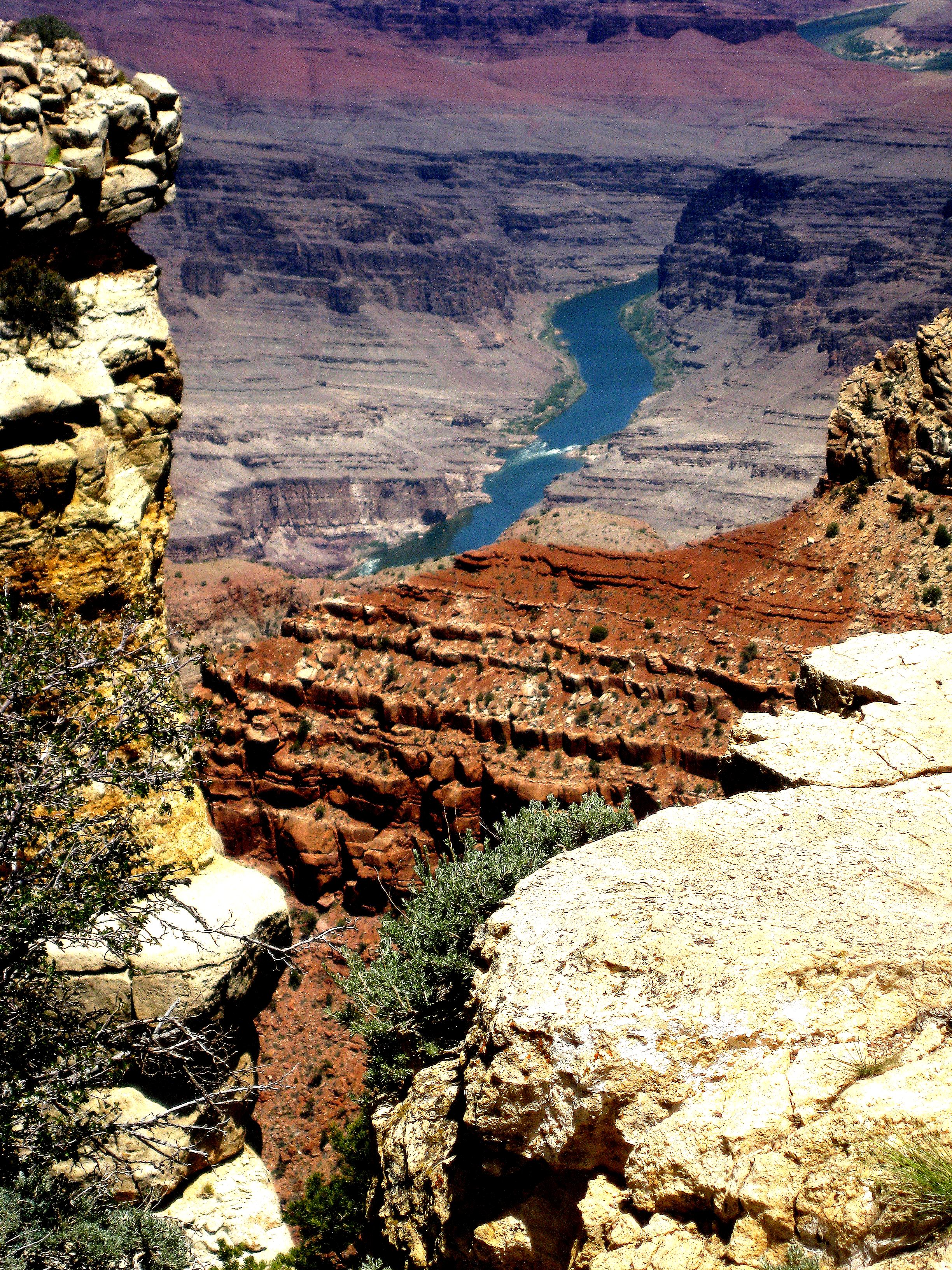
A mile below me flowed the Colorado River — and in it flowed a treasure chest of my memories. — Photo by Pat Bean

Memories of the Canyon Floor

If I could see the rapid from a mile away, it had to be one of the big ones. I wondered which? — Photo by Pat Bean

While there’s no bad view of the Grand Canyon, I must admit that my heart beat a little faster whenever the viewpoint allowed me a peak at the Colorado River a mile below.

I rafted that same river twice, once in 1991 when I paddled my way through it in a small six-man raft, and once in 1999, when I was oared through it in a larger raft by someone else’s hand.

In all, I’ve spent a total of 32 days at the canyon’s bottom. The first trip ranks No. 1 of all my adventures, including an African Safari (No. 2) and jumping out of an airplane (No. 3). Yes, I know, I’m an adrenalin junkie, or at least I was.

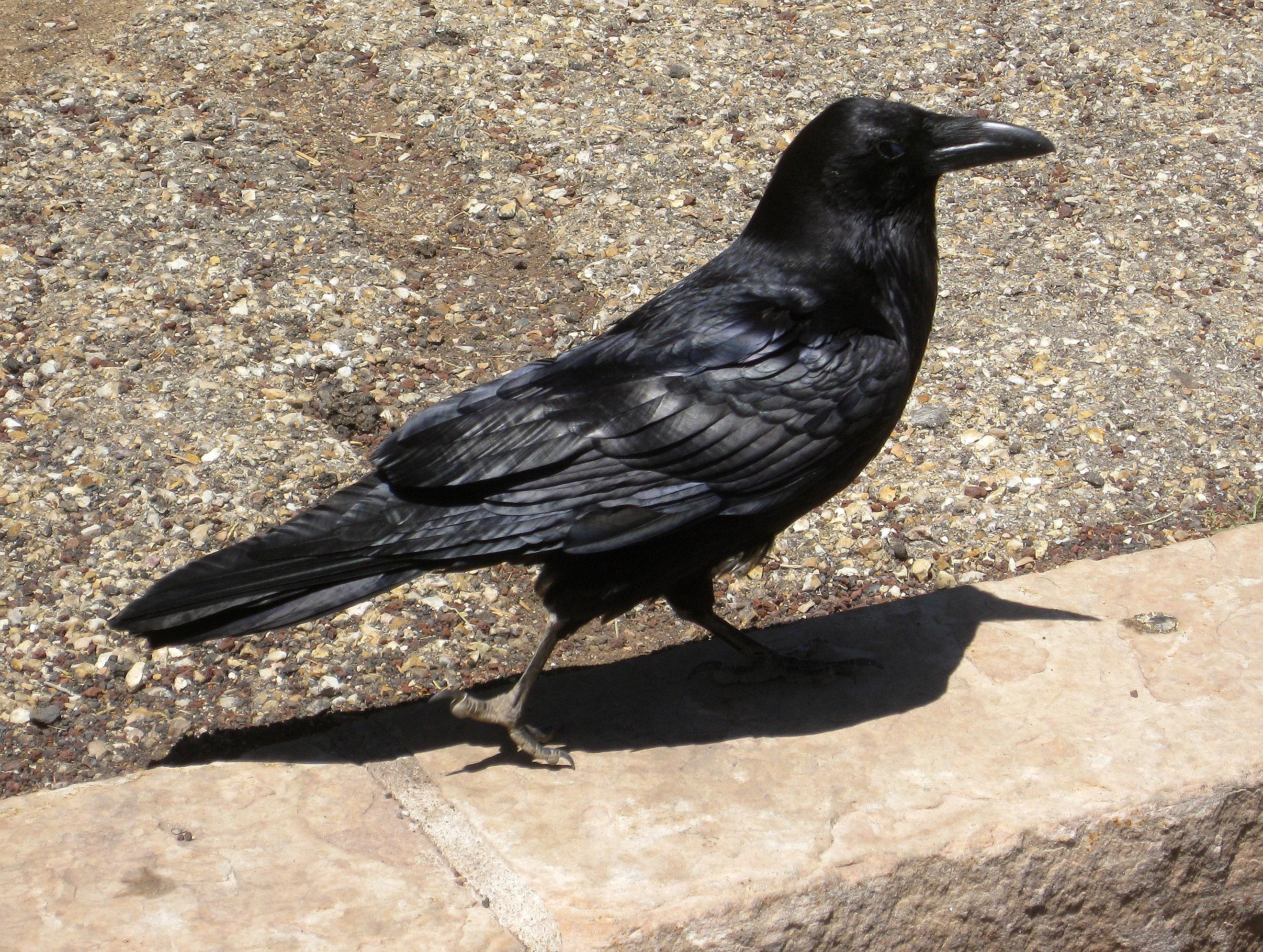
Ravens haunted every overlook where I stopped to view the canyon this day, just as they had haunted every camp site on the river below. This bold one that didn’t move off at my approach reminded me of the one that had stolen my tube of toothpaste on one of my Colorado River rafting trips through the Grand Canyon. — Photo by Pat Bean

I’m just as happy these days going for a quiet canoe ride on a gentle river – or doing as I was this day, stopping at every overlook along the Grand Canyon’s Desert View Drive.

Each time my stop included a view of the river, memories of the time I spent on it flooded out of my memory bank to be relived.

Once again I was holding onto the paddle boat from the water side in terror after Granite Rapid claimed me for its own. Or I was lying on my back on a beach, staring up at a slim sliver of sky watching the stars drift past.

I remembered awakening to the song of a canyon wren, and drinking in the peace of the silence that always marked the first half hour of our daily time on the river.  I emerged at the end of both 16-day trips a different person than the one who began it. More peaceful, more knowing who I was, more understanding what is important in life.

Today, that was simply spending time with the south rim of the Grand Canyon.

Bean’s Pat: http://thismansjourney.net/ Rhythm of the Waves. I love Galveston, and wave watching.

 *This pat-on-the-back recognition is merely this wandering/wondering old broad’s way of bringing attention to a blog I enjoyed – and thought perhaps my readers might, too. June 7, patbean.wordpress.com

Read Full Post »

 “We all have our time machines. Some take us back, they’re called memories. Some take us forward, they’re called dreams.” — Jeremy Irons


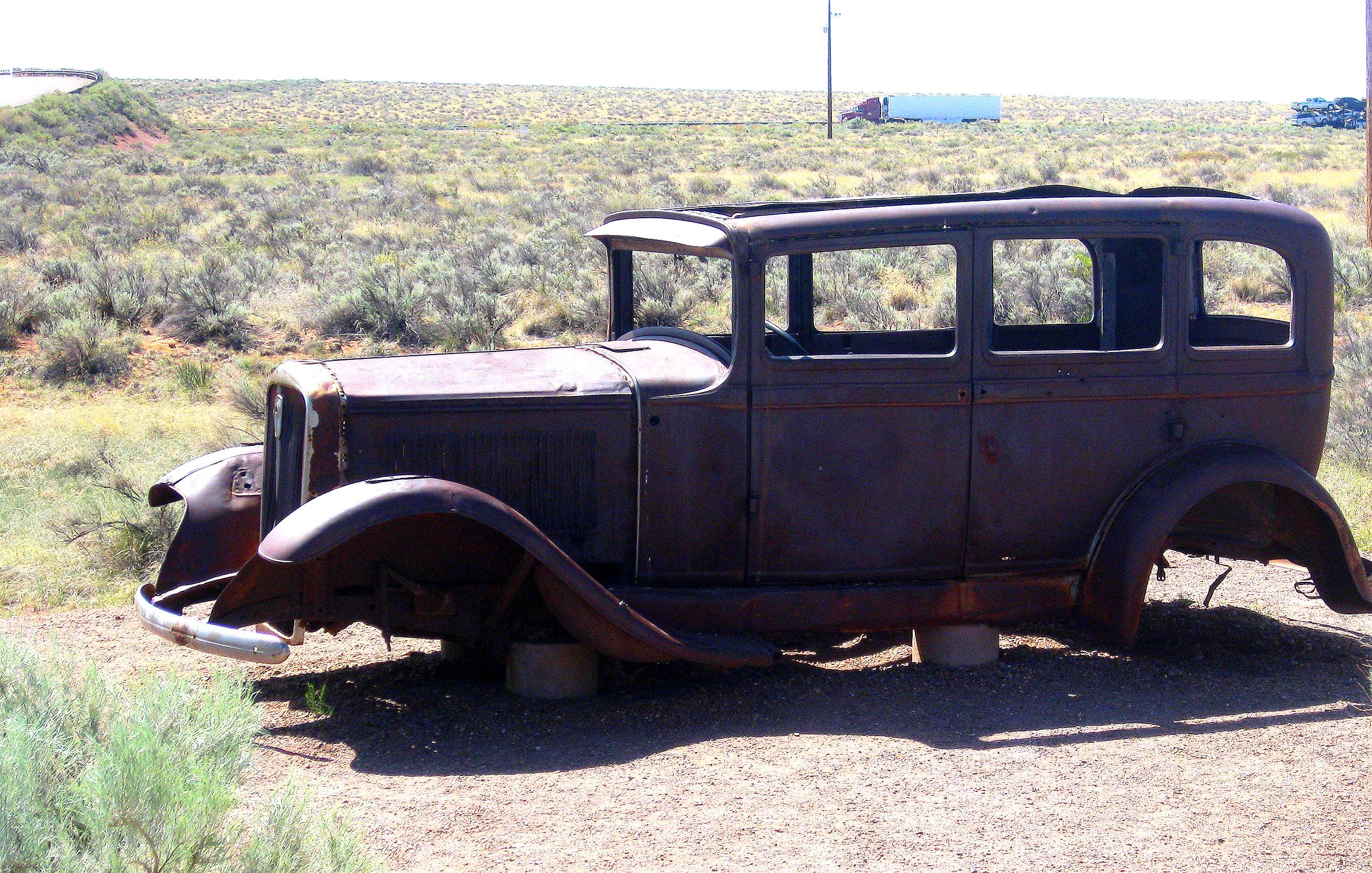
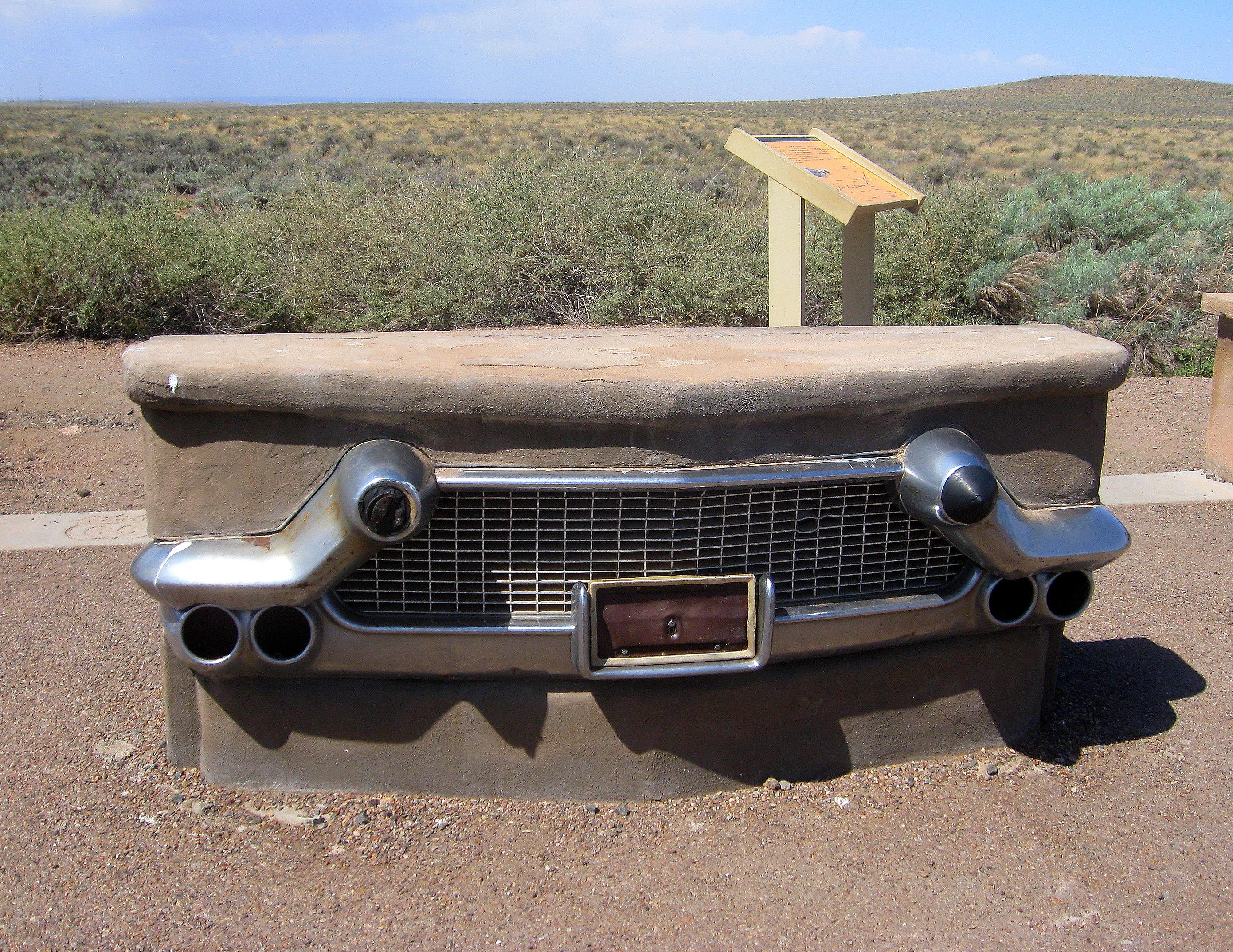
This old junker is part of the Route 66 Memorial located in the Petrified Forest National Park. Note the passing semi on Interstate 40 in the background. — Photo by Pat Bean

You Can’t Get There From Here

As I continued on the park road after leaving the restored Painted Desert Inn and the mystery of the missing 200 million years’ unconformity, I found myself back at Interstate 40, but with no access to it.

This wandering old broad wonders how many of my readers traveled this road in its heydays. — Photo by Pat Bean

Located in sight of the freeway’s roaring traffic of semis and automobiles with occupants in a rush to get some place, I came upon a rusted, wheel-less relic of a different age. Like the A-Dome in Hiroshima, the only building remaining after the city’s bombing, this junker was a reminder of what once was.

Route 66 lives on only in memories, and bits and pieces of a route that truly takes one nowhere these days.

This tickled my funny-bone. — Photo by Pat Bean

I didn’t have the same degree of sadness in my heart as the day I stood before the A-Dome in Japan, but I wasn’t jumping up and down for joy either. Route 66 is a part of my past, a road that took this Texas flat-lander to magical places where there were mountains when I was only 14.

But then I thought of all the many places that today’s highways have taken me in my life. In the eight years that I have been a full-time RV-er, I’ve traveled this beautiful country called America from sea to shining sea. And more than once.

With this in mind, I gave a second look to this Route 66 memorial standing in front of me. And I laughed at the absurdity of encasing the front section of an automobile in cement. And this wasn’t the first such one I had seen. There had been similar encased old cars in the Albuquerque aquarium I visited, and in the Auto Museum in Santa Rosa.

Yup! Route 66 may be gone, but it certainly isn’t forgotten.

Bean’s Pat: Egret and Ibis http://tinyurl.com/cwefngs My kind of  poetry.

*This award is simply this wandering/wondering old broad’s way of bringing attention to a blog I enjoyed – and thought perhaps my readers might, too.

Read Full Post »

Here's what my old manual Remmington looked like. Someone on e-Bay wants $299 for its memories. Mine are worth a whole lot more, but I don't need to spend $299 to recall them.

 Mark Twain, according to Wikipedia, claims that he was the first important writer to present a publisher with a typewriten manuscript. It was the 1886 manuscript for “The Adventures of Tom Sawyer.” Historian Darryl Rehr challenged the claim, claiming it was Twain’s “Life on the Mississippi” written in 1883, that was the first.

Once Upon A Time

I taught myself to type on an old Remington manual typewriter. I then got a job as a Western Union typist – I typed up telegraphs from people who called on the phone to send one. My biggest thrill was the day Tennessee Ernie Ford was on the other end of the line.

A familar happening when I typed on my old manual Remington

My typing speed went from 45 words a minute to 120 words a minute. But the job only lasted a few months before I quit to become barefoot and pregnant for what seemed like an eternity.

It was in the middle of my seven consecutive years of changing diapers that I decided I wanted to be a writer. For the next few years I banged out terrible fictional prose and dookie poetry on that old Remington. That’s how you began to be a writer.

Then I stuck into the back door of a small newspaper as a darkroom flunky, and over the next four years worked my way up to being the paper’s star reporter. I thought of myself as a cross between Lois Lane and Brenda Starr.

Eleven years later, when I was a reporter at the Fort Worth Star-Telegram, I typed up my first story on a computer. I hated it – for all of two weeks.

At home, however, I was still typing away on that old Remington. But as the computers at work got better and better, I finally gave up my Remington for a home computer. I don’t question that the writing was easier and faster, but to this day, I still miss my old Remington.

Remember changing out typewriter ribbons, and making carbon copies. I suspect only those of us with more years behind us than ahead have such memories.

There was something extremely gratifying about manually slamming the carriage back at the end of each sentence. Then there was the ability to yank a piece of paper, containing nothing but meaningless dookie, out of the machine. The ritual then was to crumple it into a ball and toss the wad into a nearby waste basket.On especially bad writing days, the basket would be overflowing and the area around it a jungle of paper balls.

One simple does not get the same physical release of frustration from merely using a finger to hit the delete button.

The truth is however, that I don’t want to go back. Couldn’t even if I wanted, but it sure is nice to have memories. And that old Remington typewriter, which eventually was donated to a charity thrift store, created lots of them.

Too bad I didn’t keep it. I think I paid $7.50 for it at a garage sale in the early 1960s. I noted today that one similiar to it, if not the exact model, was listed for a $299 minimum bid on e-Bay.

Bean’s Pat: Wistfully Wandering http://tinyurl.com/836mqtu Ditto what she said. A blog for those with wanderlust in their souls. Be sure and check out her first 25 reasons, too.

Read Full Post »

“What can you ever really know of other people’s souls – of their temptations, their opportunities, their struggles? One soul in the whole creation you do know: and it is the only one whose fate is placed in your hands.” – C.S. Lewis

Journeys: Remembering My Youngest Brother

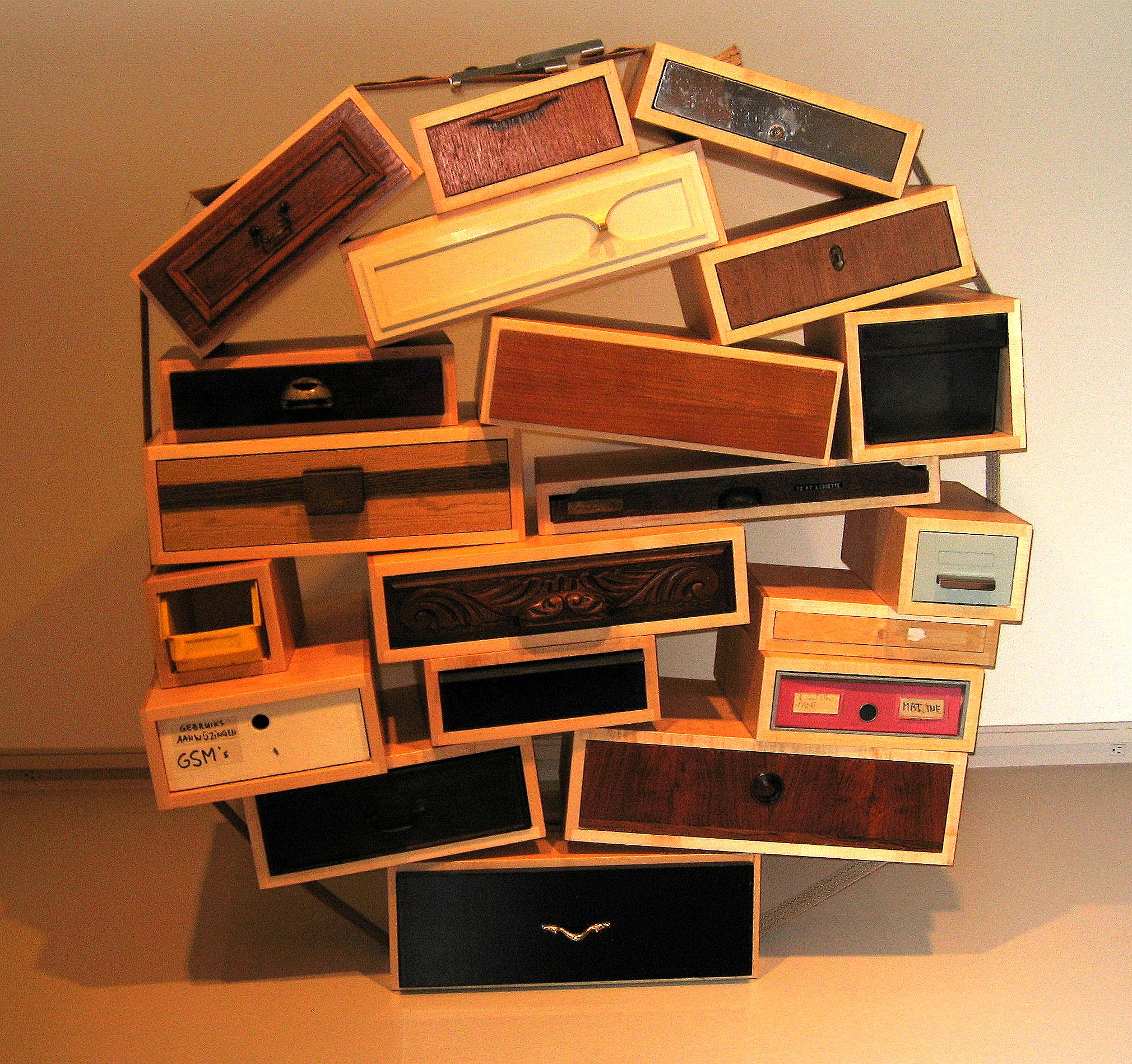
This piece of drawer sculpture I discovered at the St. Louis Museum of Art fascinated me. I think we humans are like these drawers, each different and each filled with different aspirations, dreams, prejudices, needs and likes and dislikes. -- Photo by Pat Bean,

Richard, my youngest brother, was born when I was 12 years old. It was a difficult time for our family, which consisted of an angry mother, a jovial father who spent and gambled his paycheck away before he came home on Friday nights, the newborn infant, six and seven-year-old brothers, and me.

We three oldest siblings had learned how to survive. We stayed out of the way and we were each straight A students. I married at 16 to escape, and my two oldest brothers became self-supporting at very young ages.

Richard, meanwhile, brought home a lot of Fs and barely got through school. He was a pretty boy with blond curls who never grew as tall as my 5-foot-five-inch frame.

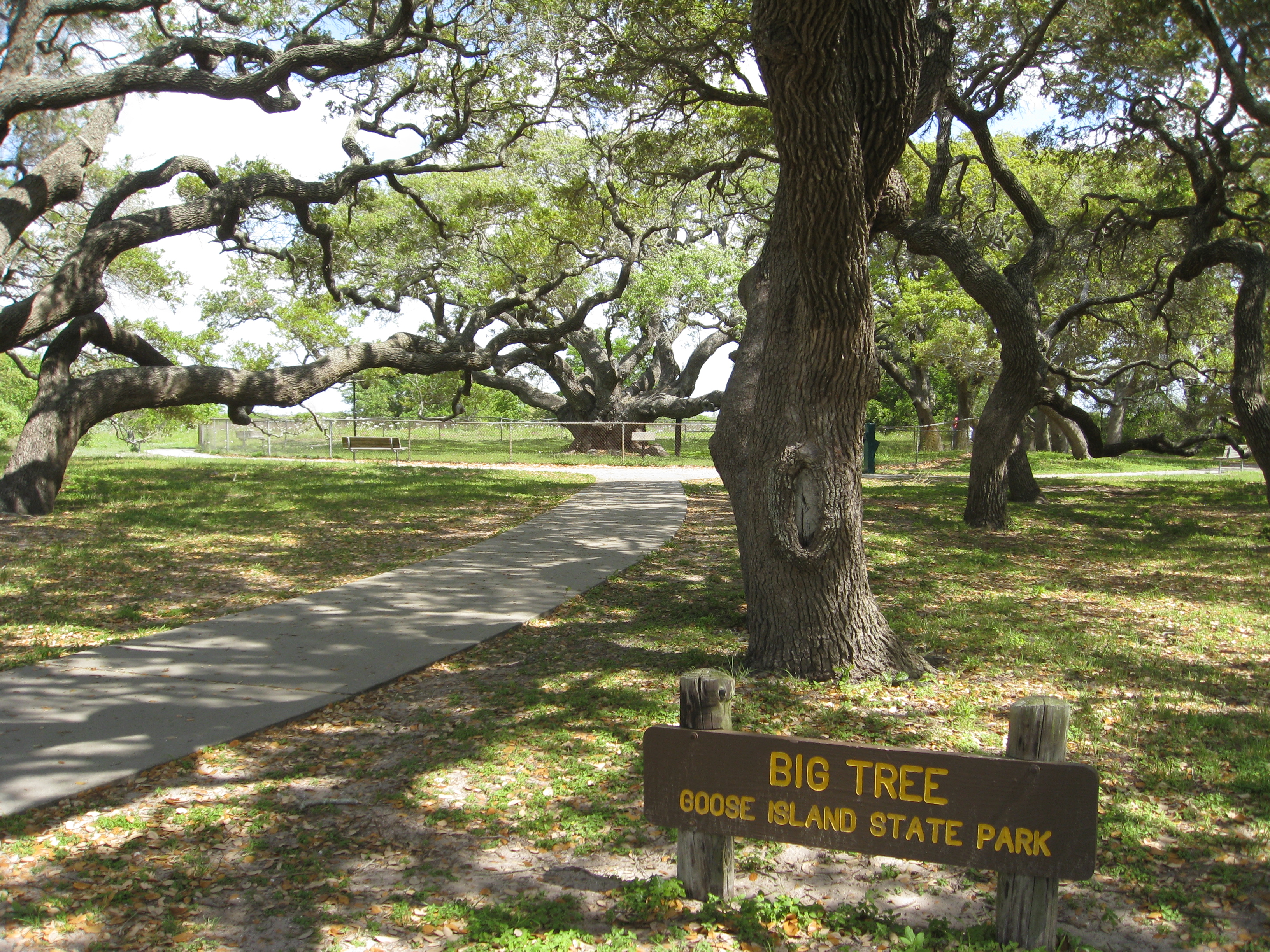
Live oak trees toggle my imagination. Their trunks and limbs lean and curve all over the place, yet each tree, in its own special way, is perfect. -- Photo by Pat Bean

He always had to look up to me, and he did it in more than a physical way. As a youth, he spent summers with my family, fitting in quite nicely with my own children who were just a few years younger than him.

After high school, Richard joined the Air Force, but didn’t complete his years of committed duty. I don’t know the circumstances, but at some point I recognized that Richard was gay, and that he was an alcoholic. It wasn’t a good time to be gay, and the alcoholism made him foolish and put him in places where he often got beat up.

I picked him up from a hospital a couple of times, and once from jail, where he had been taken for public intoxication. He had been beaten up that time, too. Yet Richard was always pleasant and grateful to everyone who came his way.

He would often disappear, sometimes for a year at a time , before turning back up on my mother’s doorstep. By this time our father had died, and my mother was less angry, although she never failed to give Richard a good tongue-lashing for his failings. .

My brother never defended himself, or retaliated. I, a feisty child from birth, wondered how he stood it. Those tongue lashings had been the reason I had left home at such a young age.

After one final disappearance, Richard moved in with Mother, who at this point was living in a senior-citizen complex. The two of them actually lived a peaceful life for a couple of years, during which Richard kept a job at a fast-food place for longer than he had kept any job, and dutifully paid his portion of the rent.

No one, not even my mother, knew at this point that her son and my brother had contracted AIDS. Richard would never even admit to himself, I think, that he wasn’t heterosexual like the rest of us.

I didn’t find out that my brother had this devastating disease — which was before medical advances took AIDS from being a death-degree sentence — until he lay dying in a hospital. I wasn’t even in time to see him one last time. He was only 35 when he died.

So why, I was asked, do I believe  he was the best of us four siblings?

It’s simple. I never heard him say a single bad thing against anyone. And I never heard him make a single judgment against anyone. I know no other person of which I can say the same.

Bean’s Pat: The Laughing Housewife: I Hope Bella Remembered to Shave. http://tinyurl.com/89oaqhm I have never watched a “Twilight” TV episode or movie, but this blog had me laughing so loudly that I got a disdainful shushing look from my canine traveling companion, Maggie

Read Full Post »

I remember sitting on these back steps eating praline candy my grandmother made from pecans I had picked up off the ground. I ate so much I got deathly sick and have never liked praline candy since. -- Photo by Pat Bean

“The richness of life lies in memories we have forgotten.” — Cesare Pavese

Journeys

When I was three years old, my grandfather died. My father took it as an invitation to move our family of three into my grandmother’s house. We stayed there for eight years, moving only after my grandmother died.

Those years weren’t a happy time in my life. My mother and grandmother did not get along; and my father was a good-timing Charlie who left the house early, came home late and almost always gambled his paycheck away.

My life was squeezed between the petty bickering of my mother and grandmother, and my mother’s shrill voice berating my father when he was home. My dad never fought back, and because of this I erroneously considered him the hero and my mother the villain of the family.

Into this chaos came two younger brothers demanding my mother’s attention, and making me feel even more unwanted and unloved. It was with great glee when I could put this past behind me, although of course, as we humans so often do, I created another kind of chaos for my own children.

Mostly dead now, this large tree in the neighbor's yard was an ideal one for climbing, and I spent many an hour nestled among its branches. -- Photo by Pat Bean

I’m not sure why, but this time when I was visiting Dallas, I had a deep-seated urge to find the home of my youth, the one in which my grandmother taught me how to cook, the one where my mother sewed me a beautiful blue flowered dress from a flower sack, the one where I had a faithful canine companion named Blackie, and the one that had a large swing set in the backyard on which I played circus trapeze artist.

My oldest daughter drove, and together we found my grandmother’s house, where it still languishes, dilapidated and condemned, in the small Dallas suburb of Fruitdale.

Of course there are differences. There is no lush gardenia bush, whose fragrance still haunts me, beside the front door. Two houses now sit where my mother had attended a large vegetable garden. And houses now stood in the large cornfield across the street, from which I remember my dad sneaking into at night to bring home a few ears for supper.

I suddenly remembered how we all laughed, even my mother, as we ate old Miss Hallie’s corn slathered with homemade butter. Strange, I thought, what a difference 50 years had made in the memories that now seemed important.

Read Full Post »

« Newer Posts