Feeds:
Posts
Comments

Posts Tagged ‘Idaho’


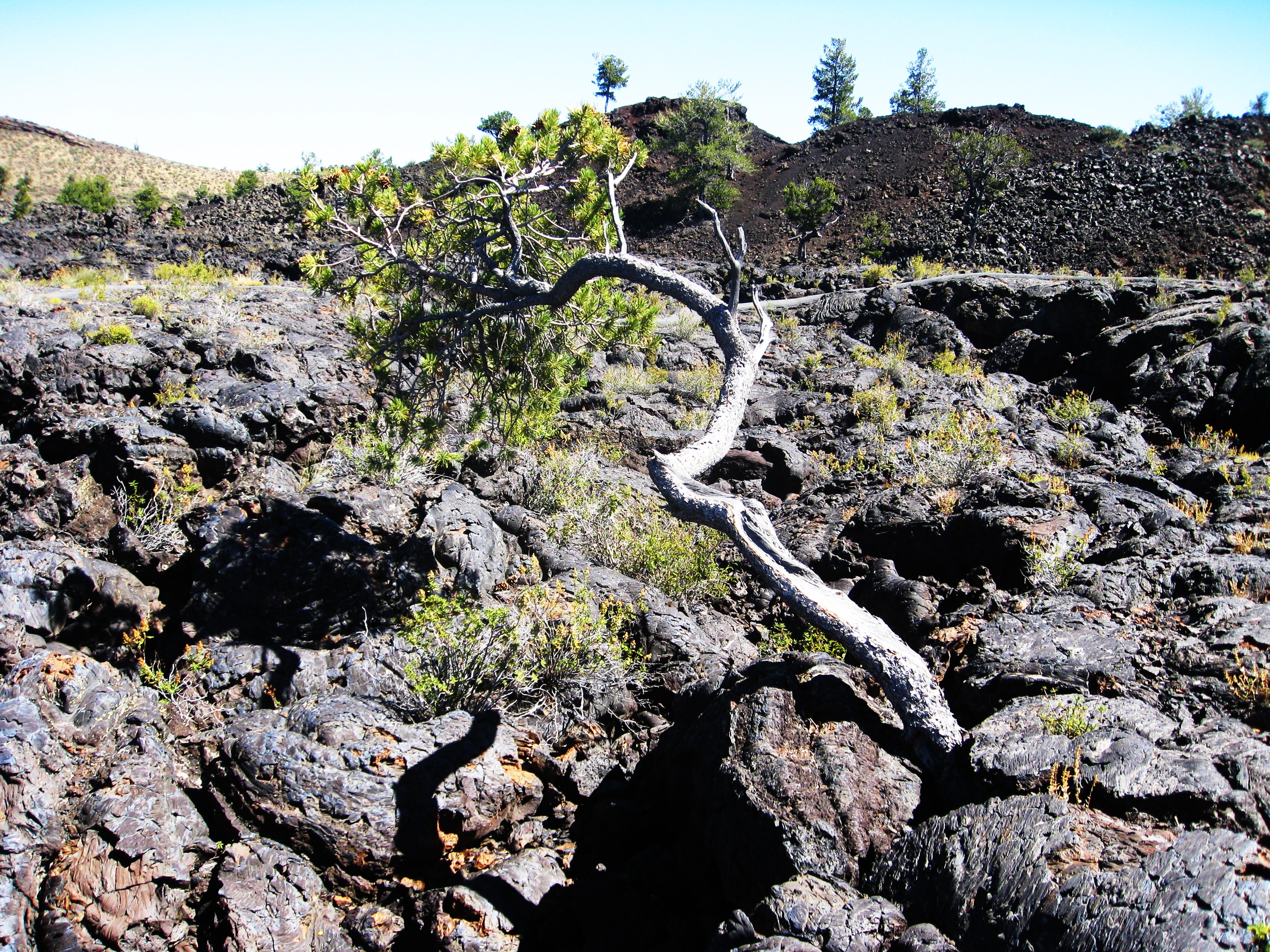
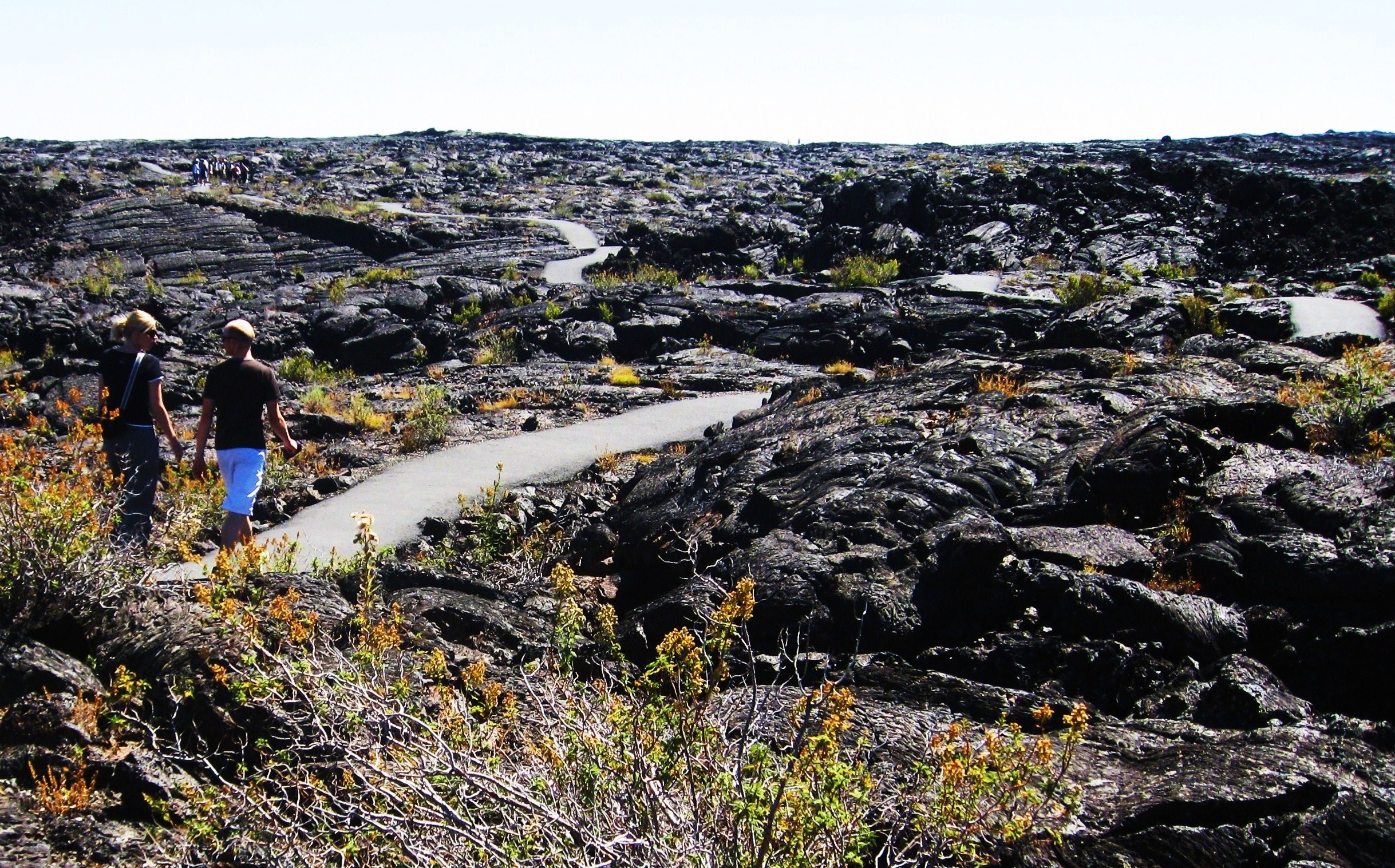
Trails through Craters of the Moon National Monument take one through a dark, angry landscape. Photo by Pat Bean


Volcanoes are one way the earth gives birth to itself.” — Robert Gros


The huge lava field that spreads out across Southern Idaho’s Snake River Plain was thought to resemble the moon’s surface, hence when the area was designated a national monument in 1924 it was called Craters of the Moon.

While the name remains today, Neil Armstrong and Buzz Aldrin’s two-hour walk on the moon’s surface 45 years later showed it was nothing like the moon’s surface. The name stuck, however, just as Junior remains Junior to his parents even when he’s 65 years old.

As I walked across the rugged blue-black lava flow on trails that took me into a world far removed from my daily existence, I couldn’t help but compare this adventure with my recent visit to Mount St. Helens.

Yet even in this harsh landscape, life manages to exist. -- Photo by Pat Bean

The lava that covers the landscape for miles at Craters of the Moon is between 2,000 and 15,000 years old. Yet the scars it has left on the land looked younger than those caused only 30 years ago when Mount St. Helens erupted. Mother Nature has gentled the scars created by the Washington volcano with new grass, wildflowers and trees. While life certainly exists at Craters, it’s a place where the land shouts of volcanic action.


Less than two hours away from Lake Walcott State Park, where I was a volunteer campground host, the monument’s strange landscape had called out to me to visit. I answered but found that the dark rugged landscape agitated me. Where viewing St. Helens had been a calming experience, Craters of the Moon, with its twisting, roiling turmoil of anger still visible, reminded me too much of the world we live in today.

A sobering thought pushed itself to the forefront of my brain, telling me that both these dormant volcanoes will probably flow and blow again. As beautiful and as calming as Mother Nature can be to me, I was forced to admit she does have her destructive moods. Sadly, so do we humans.

Read Full Post »

 “In wilderness I sense the miracle of life, and behind it our scientific accomplishments fade to trivia.” — Charles A. Lindbergh.

My morning visitor -- Photo by Pat Bean

Travels With Maggie

Midges and flies, but thankfully not blood-sucking mosquitoes, were an almost a constant human nuisance during my stay at Lake Walcott. A few even found their way into my RV, which was sad. While I’m very respectful of wildlife, even bugs and snakes, once a wild critter intrudes into my home, it usually ends up being a dead critter. A cute little field mouse discovered this when it nibbled on the tasty peanut butter I had spread on a mouse trap after I had spotted it scooting across my narrow floor.

 But bugs and mice are part of the circle of life. And if you’re a birder you have to appreciate them. These fast-breeding creatures make it possible for the existence of the slower breeding feathered flyers that amaze me. I saw this almost daily at Lake Walcott as the midges provided a tasty meal for a dawn and dusk parade of circling nighthawks flying overhead.

And while they didn’t make a personal appearance, I’m sure the great horned owls that hoo-hoo-hooed me awake each morning dined elegantly on some of the field mice I occasionally saw scampering through the sagebrush. During my

Common nighthawk -- Photo by Mark B. Bartosik

 earlier spring visit to the park, I had been honored to spot a great horned owl nest that had a couple of tiny heads poking above its jumbled wall of sticks. The park is full of huge, magnificent cottonwood trees that I knew from past sightings were favorite nesting spots of these silent flying night hunters.

 One morning I woke to find a four-legged critter poking around my campsite, one that has included human handouts as part of its menu plan. It was a raccoon, whose photo I took from my dining room table while drinking my morning coffee. While he didn’t get any tasty tidbits from me, I saw evidence of his dining habits in the wake of trashed tin garbage cans most mornings.

 When Maggie finally noticed our visitor, she barked excitedly. The raccoon appeared familiar with such nonsense. It merely stared for a moment at our RV, then slowly sauntered back into the brush behind the campground. I hoped he found something tasty out of the trash can I later picked up on my morning walk through of the campground.

Read Full Post »

Sunset at Lake Walcott -- Photo by Pat Bean

 
 “What a joy it is to feel the soft, spring earth under my feet once more, to follow grassy roads that lead to ferny brooks where I can bathe my fingers in a cataract of rippling notes, or to clamber over a stone wall into green fields that tumble and roll in riotous gladness.” Helen Keller
 
From Twin Falls, it was just 58 miles to Lake Walcott State Park, where I would spend the next seven weeks. I arrived in the early evening and found the campground full, except for my host site, where a thoughtful park ranger had blocked it off with sawhorses to keep it vacant for my expected arrival.

Broad-tailed hummingbird

After hooking up, Maggie and I took one of the park’s paved trails down to the lake where a pair of western grebes floated gracefully on the water. I would see this same pair almost every day I was at the park. On the walk back to the RV, I watched a magnificent sunset turn the clouds a rosy pink, at times framing a full moon.

I awoke the next morning to an orange and purple sunrise and three broad-tailed hummingbirds playing king of the  mountain at the hummingbird feeder I had put out when I hooked up. The sunrise, which changed in intensity and colors to accommodate the weather, and the hummingbirds, which some days numbered up to eight, joined my cream-laced coffee and e-mail check morning ritual. 

Sunrise at Lake Walcott -- Photo by Pat Bean

By the time Maggie, who sleeps in until at least 9 a.m., woke and demanded a walk, we took it beneath fluffy white clouds floating in a robin’s egg blue sky. Western kingbirds, robins and western peewees kept us company as we walked through the campground, and then beside the lake to watch the western grebes. 

How could I do anything but look forward to my next 49 days. If home is where the heart is, I was there.

Read Full Post »

Shoshone Falls near Twin Falls, Idaho

“I long, as does every human being, to be at home wherever I find myself.” — Maya Angelou

They say you can’t go back home again. Of course you can. It’s just that nothing will be the same. Both people and cities change. Friendships, however, can be more durable. My stop for lunch in Twin Falls, Idaho, this day proved this.

While the huge Rose of Sharon bush, that had grown in my front yard and whose blooms I had treasured during the two years I lived in this Magic Valley city no longer existed, the bond between me and my friend, Kris, was as strong as ever. Over sandwiches at a new restaurant on Blue Lakes Boulevard, where businesses had expanded all the way from the city center to the edge of the Snake River Gorge since I moved away, she and I picked up just where we had left off 25 years ago.

 While we usually only see each other about once every three years, and seldom communicate between times, it always feels as if we had just talked the day before when we do finally get together. . I think people who have such friendships understand this miracle that time and distance can’t erode. I’m not sure how to explain the phenomenon to others.

 Kris is the person whose rough laughter cheered me when I was down or had made a fool of myself. Kris is also the person I nearly drowned when first learning to white-water raft. It happened on a section of the Snake River between Haggerman and Bliss before I knew that turning off the area’s irrigation water turned this stretch of water into a white water torrent that would capsize my small raft.

Fortunately all of us in the boat this day survived – although we had a five-mile walk back to our vehicles after the raft continued on down the river without us. Incidents like this can either destroy or strengthen friendships. I’m so glad for the direction ours took.

 While I always enjoy revisiting nature’s wonders in the Magic Valley – Shoshone Falls, The Snake River Gorge, Thousand Springs – it’s friendship that keeps me going back. It was the motivating factor this time for my choice of a driving route through Idaho.

Read Full Post »

Oregon Trail marker -- Photo by Pat Bean

 “When you start over these wide plains, let no one leave dependent on his best friend for any thing; for if you do, you will certainly have a blow-out before you get far.” John Shively, 1846.

Looking across at the third of the three islands Oregon Trail travelers used as a stepping stone to cross the Snake River. -- Photo by Pat Bean

Travels With Maggie

 Once my RV had four operable wheels again, my journey continued to follow in the same footsteps as those of the 400,000 hardy souls who took the Oregon Trail west to a better life. Having read about some of their harrowing adventures, I knew my flat tire was nothing to whine about.

 Travelers along this mythical 2,000-mile scenic byway that began in Kansas and perhaps included a float on the Columbia River for the final leg, had only ruts of earlier travelers to follow. I call the trail mythical because there were places where early traces of this roadless way west disappeared. With my complete lack of a sense of direction, I would have probably ended up my journey on the shore of the Atlantic Ocean instead of the Pacific.

 I thought about these rugged ancestors as Maggie and I comfortably traveled in air-conditioned comfort to Three Island Crossing State Park in Idaho. It was 203 miles from where I had my flat to the night’s destination. I made it, including a few sight-seeing stops, in about five hours. I wondered how many days it took the mid-1800s’ travelers.

 Three Island park is located at a favored Snake River crossing of the Oregon Trail travelers. It was a place where they could use three small islands as stepping stones to make the crossing just a tiny bit safer. The trail, however, continued west on both sides of the river until Fort Boise. While crossing it meant an easier route ahead, some chose not to take the risk, especially if the river was running high and fast.

As a former river rat who rafted the Snake River in both Idaho and Wyoming, and who took a few dunkings while doing so, I can personally attest to the wiseness of this decision. I, fortunately, had a very good life jacket to save me the times I was eaten by the Snake’s fury, something the pioneers did not have.

Idaho State Park illustration of Three Island Crossing

 In 1869, Gus Glenn constructed a ferry to take wagons and freight across the river, an enterprise that is responsible for the town – Glenns Ferry – which now sits at this spot beside the Snake River. The ferry also made the lives of those traveling the Oregon Trail a bit easier. You can read all about Gus and his ferry at the Glenns Ferry Historical Museum in town, and all about the Three Island Crossing at the park’s museum.

 I visited both the next morning before heading on down the road, thankfully paved with well-marked signs to keep me heading in the right direction.

Read Full Post »

Travels With Maggie

Laughter not only makes the journey endurable and even enjoyable, it also helps keep us healthy.” — Joyce Meyer

 Seventeen female volunteers and staff workers from Farragut State Park met this week for dinner and drinks at the Floating Patio. The small bar and restaurant sits atop Lake Pend Oreille in the tiny tourist town of Bayview. Idaho.

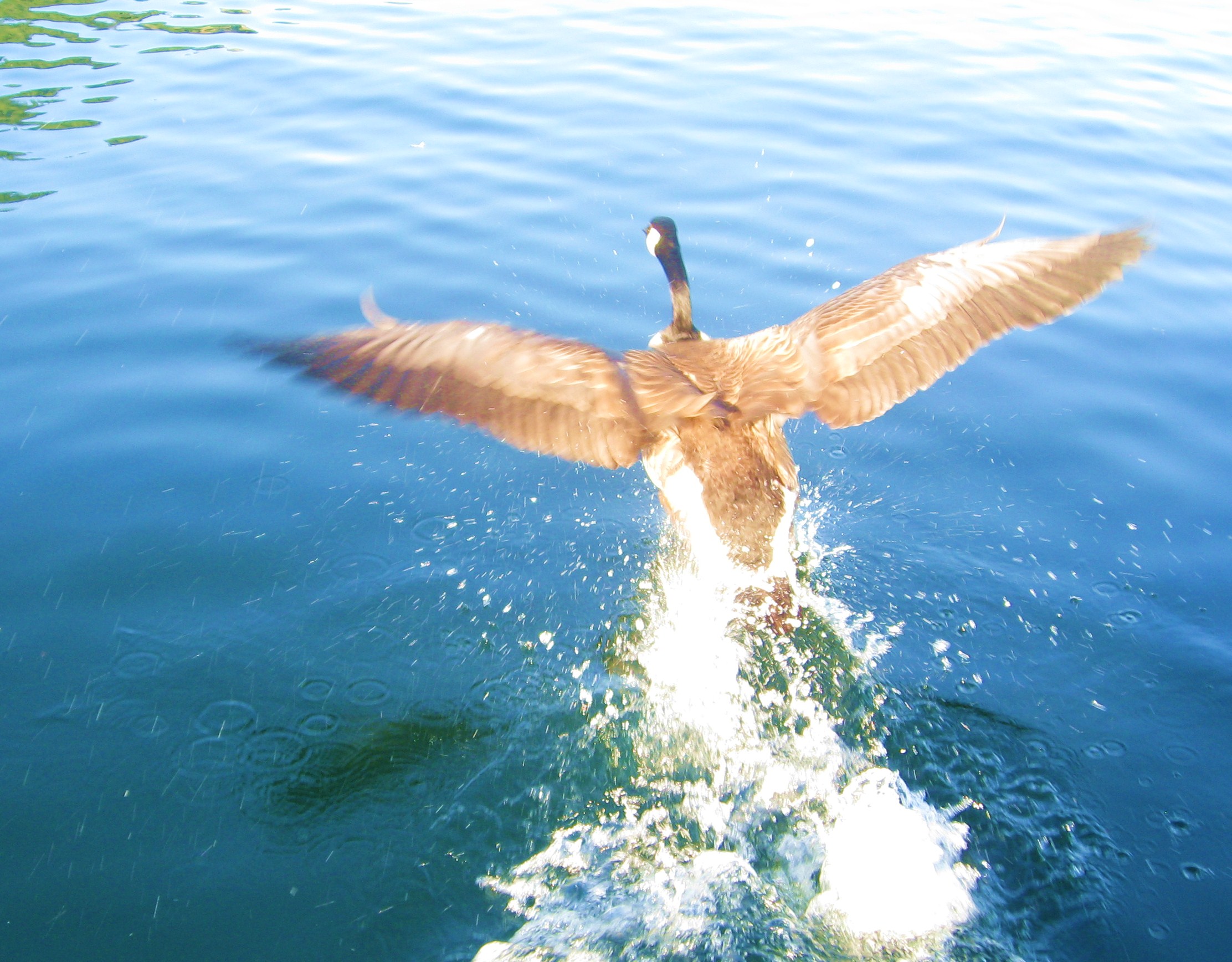
A Canada goose takes off in front of our pontoon boat ... Photo by Pat Bean

The deep blue, 65-mile long lake’s name is a sure give away of who’s a local and who’s a tourist just passing through. It’s pronounced Pon-da-ray, which is sort of French for ear, or so I’ve been told, not Pend-o-rye-ly, as I called it before I was corrected.

I’ve learned that when a group of females get together – be they giggling teenagers to wrinkled and post menopausal old broads – irreverent laughter often rules.
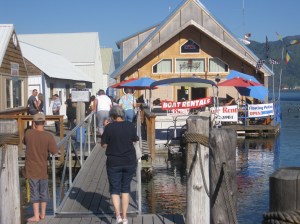
Heading into the Floating Patio for Drinks and Dinner ... Photo by Pat Bean

 So it was this night as we drank our wine and Diet Cokes, snacked on pre-dinner popcorn and then ate our hamburgers, chicken Caesar salads or barbecue specials. Without boyfriends or husbands to please, compete with, impress or cater to, women often lose their inhibitions of proper-ness. Men, I think, do the same when women are not present. It has nothing to do with liking or loving the opposite sex, it just feels good once in awhile to be in a group that best understands you.

The laughter and camaraderie we shared getting to know one another better during the meal continued as we boarded two pontoon boats for a cruise of the lake. Ours was captained by Scott Bjergo, owner with his wife of Floating Patio Boat Rentals and Bayview Merc. You can reach him at bayviewboatrentals.com.

Shoreline reflections paint the lake's canvas ... Photo by Pat Bean

 I asked because I was impressed by Scott, who put up with our female kidding of him being the boy toy on the boat, and because I thought of how great it would be to spend a day on the water with friends and loved ones. You might think the same if you’re ever in Idaho’s panhandle just 100 miles away from the Canadian border.

I was truly looking forward to the boat ride. Being on the water makes me giddy. It’s a comfortable feeling of both awe and belonging. I sometimes wonder if its my ancestral cells calling to me.

The avid bird-watcher in me also got a treat when a gaggle of geese led our pontoon boat away from the Floating Patio. They floated ahead of us so close I was afraid our boat was going to run over them. One in particular was slow to get out of the way, but finally took a running, flapping scramble into the sky. Droplets of water from its spray hit me as I leaned out to snap a photo of the awkward aerial takeoff and then its graceful flight as its wings caught the air.
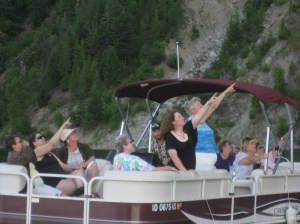
Women on the second boat excitedly point out the mountain goats high on the escarpment. ... Photo by Pat Bean

 Long evening shadows of color from sailboats, trees, cliffs and houses painted the dark water. Pend Oreille, is over 1,000 feet deep in places, which makes it an excellent spot for the Navy’s testing of submarines, albeit miniature unmanned ones that could have even now been passing beneath us. We passed by the Navy’s lake facilities, both onshore and lake anchored, where the testing is done.

 The highlight of the evening aboard the boat would have to have been the sighting of the mountain goats on the steep

 glacial carved escarpment surrounding the lake. After a few white rocks fooled us, we finally got a glimpse of four of the goats near the top heading upward. We had missed a closer view of them coming down to the water to drink. The goats were too far away for my camera to capture them, but I did get a photo of the passengers in the other boat as the women excitedly pointed at the animals.

 The evening ended all too soon, with everyone heading back to the park, most to loved ones of the opposite human sex. Maggie, my faithful cocker spaniel travel companion was waiting for me to tell her about my ladies’ night out. And I did. She’s been my soul mate for the six years I’ve been traveling the country in my RV.

It’s always ladies night out for the two of us.

Read Full Post »
“Climb the mountains and get their good tidings. Nature’s peace will flow into you as sunshine flows into trees. The winds will blow their own freshness into you, and the storms their energy, while cares will drop off like autumn leaves.” … John Muir

"Rite of Passage" sculpture at Farragut State Park ... Photo by Pat Bean

 He’s called Mack.  He’s the “Rite of Passage” sculpture that sits outside the Museum at the Brig at Farragut State Park, and he represents the 293,381 sailors trained here during World War II.

 I had no idea the park was a former naval base when I accepted an opportunity to volunteer here. I quickly jumped at the offer based on the park’s Idaho Panhandle location. I spent last summer in Texas wilting from too many hot humid summer days and I had no intention of repeating the foolish action.

 I chose well. Today will be my first 90-degree day, and without my native state’s humidity I’m still quite comfortable, although I’ll probably turn on my air conditioner when the sun hits my RV later in the day for a couple of hours. The rest of the time, my campground site is well shaded.

I’m rather fond of Mack. Possibly because my daughter spent 10 years in the Navy, serving in the Gulf War, and possibly because yesterday my son, a career Army man and Blackhawk helicopter pilot, was deployed to Afghanistan. It’s nice to know people care enough about our military sons and daughters to create a work of art memorializing them.

Apple blossoms

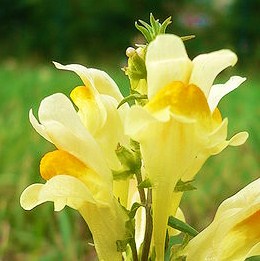
Butter and eggs' blossoms

 Meanwhile, sitting here in such a tranquil setting where butter and egg, two-toned yellow blossoms color the landscape beneath the pink flowers of an apple tree and robins raise their babies, it’s hard to imagine the ugliness of a battle field. Sadly I know that most people don’t want to imagine that scene. Perhaps if more people would, an end to war would come sooner.

 I’m a flower child. I want peace. When I was younger I believed I might live to see such a day. I now know I won’t. All I’m left with believing is that perhaps my grandchildren will – and hoping that my son returns safely from Afghanistan.

Read Full Post »
Hungry mouths

Growing a little

Photos by Pat Bean  

“It may be hard for an egg to turn into a bird: it would be a jolly sight harder for it to learn to fly while remaining an egg. We are like eggs at present. And you cannot go on indefinitely being just an ordinary, decent egg. We must be hatched or go bad.” C. S. Lewis

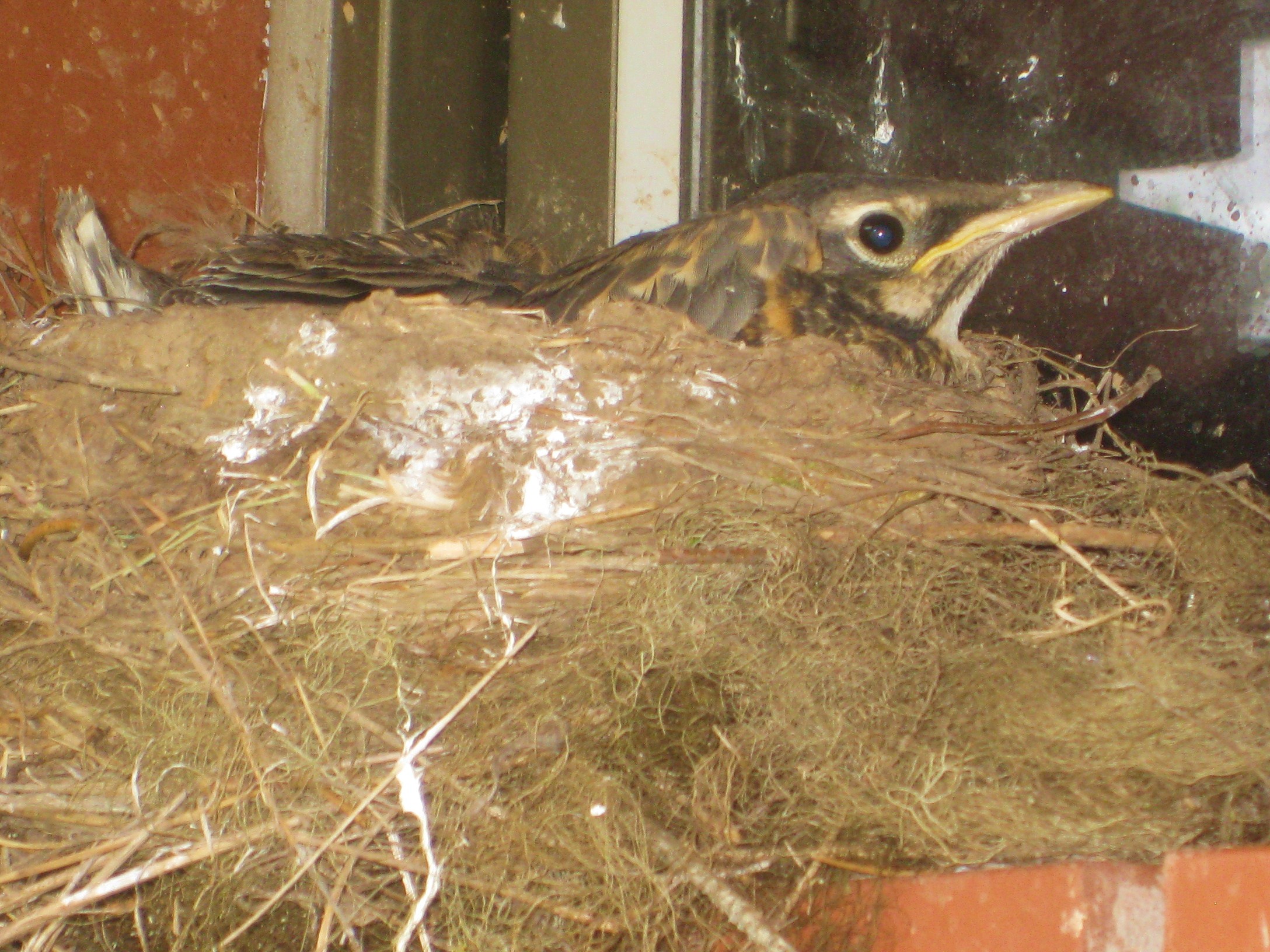
From helpless and naked to spouting feathers for flying in only two weeks at Farragut State Park

"Mama we're hungry"

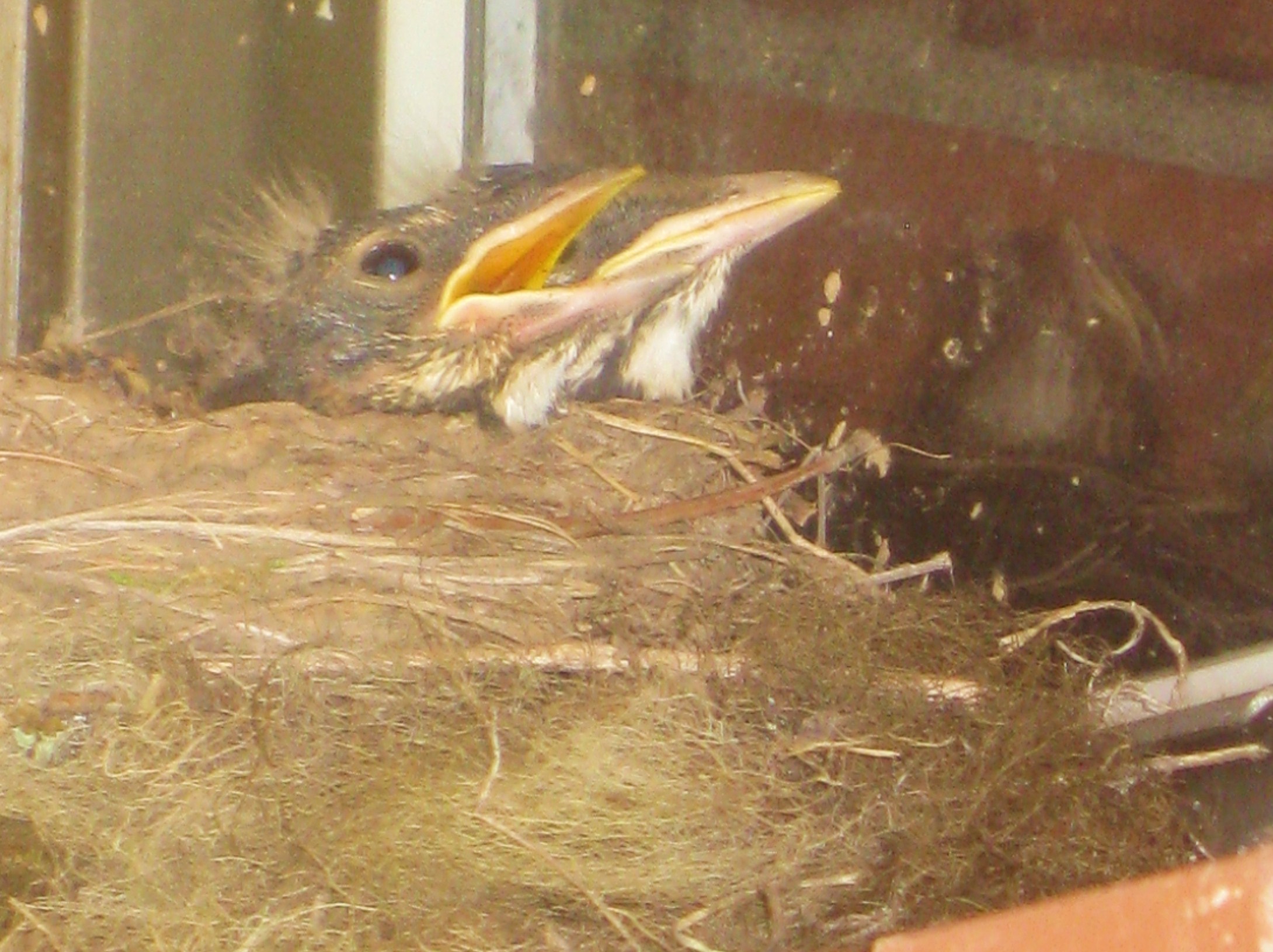
The good-mother robin I’ve been watching the past few weeks is now raising three chicks. The first time I visited her after they had hatched, she dive-bombed me. After quickly snapping a photo I left the scene. The second time I came, she sat on a tiny tree four feet from the nest and gave me a concerned, dirty look. The third time, she sat on the same tree, but seemed more peaceful.

Her growing chicks mouths were about all I could see at first. The birds are born naked and helpless, depending completely on their parents for warmth and nourishment. They now have feathers and look almost ready to leave the nest, a process that takes only about 13 days. It’s been an awesome joy daily watching this transformation.

I suspect this is my mother robin’s second brood of the year. When I first discovered her nest a fallen portion of an earlier nest beneath it contained remains of an empty egg shell that appeared to have hatched. Robins can raise three broods in a good year, and can live up to 14 years – if Mother Nature is kind to them.

It's getting a bit crowded in the nest

Most, however, don’t survive beyond about 7 years, and only about 40 percent of chicks reach adulthood. Magpies find baby robins quite tasty, as do snakes, cats and many other predators.

Considering this mother robin’s attentive care, I suspect her babies may have a higher percentage rate. And whether that’s true or not, the optimist in me will continue to believe it to be so.

Read Full Post »
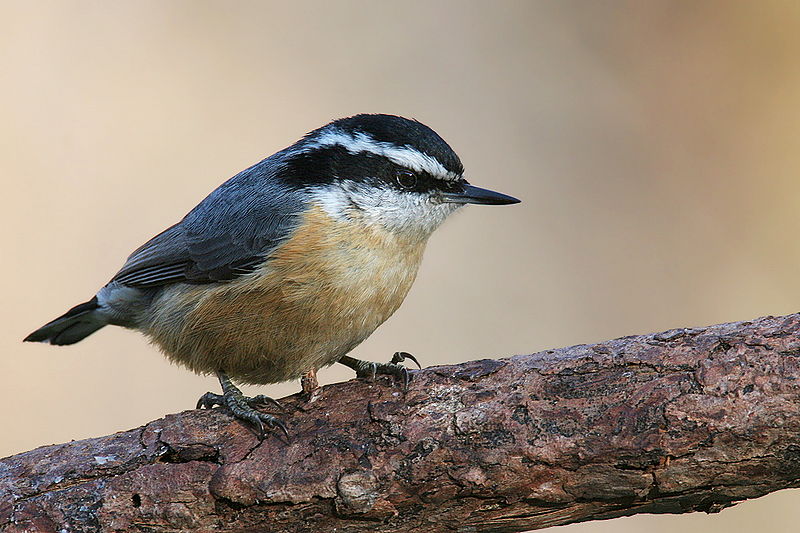
 

Red-breasted nuthatch ... Wikipedia photo

“To feel keenly the poetry of a morning’s roses, one has to have just escaped from the claws of this vulture which we call sickness.” Henri Frederic Amiel.

Farragut State Park

My arrival at Farragut State Park, a former naval base where nearly 300,000 sailors were trained during World War II was greeted by rain, more rain and then bronchial sickness. For two weeks straight, neither the rain nor my cough let up. Here I was in the beautiful Idaho Panhandle, my RV sitting in the middle of a majestic Douglas Fir and Ponderosa Pine grove, and all I could do was stare out the window at it. I didn’t even have Internet which, by the way, is the reason my normal Monday and Friday blogs have been irregular lately.

Thank goodness I at least had birds to keep me company. The morning after my arrival, before I got sick, I had put out bird seed and a hummingbird feeder. It didn’t take my feathered friends long to find the resources. The robins and dark-eyed juncos, both ground feeders, arrived first. A Black-chinned hummingbird claimed the hanging nectar.  Then came the chickadees, both chestnut-backed and mountain species.  They dee-dee-deed for me as they flittered among the trees every time the rain let up for a little bit.

Mourning doves then showed up, as did western bluebirds and a tree-clinging red-breasted nuthatch that nimbly went up and down the trunk of the fir tree closest to my motor home. It was my favorite.

But today, the sun is out and my cough is gone. So if you’ll excuse me, after posting this blog from Ralph’s Cafe in Bayview that sits just outside the park, I’m going to go for a hike. The vulture of sickness has flown away.

Read Full Post »
“There is an eagle in me that wants to soar, and there is a hippopotamus in me that wants to wallow in the mud.” — Carl Sandburg

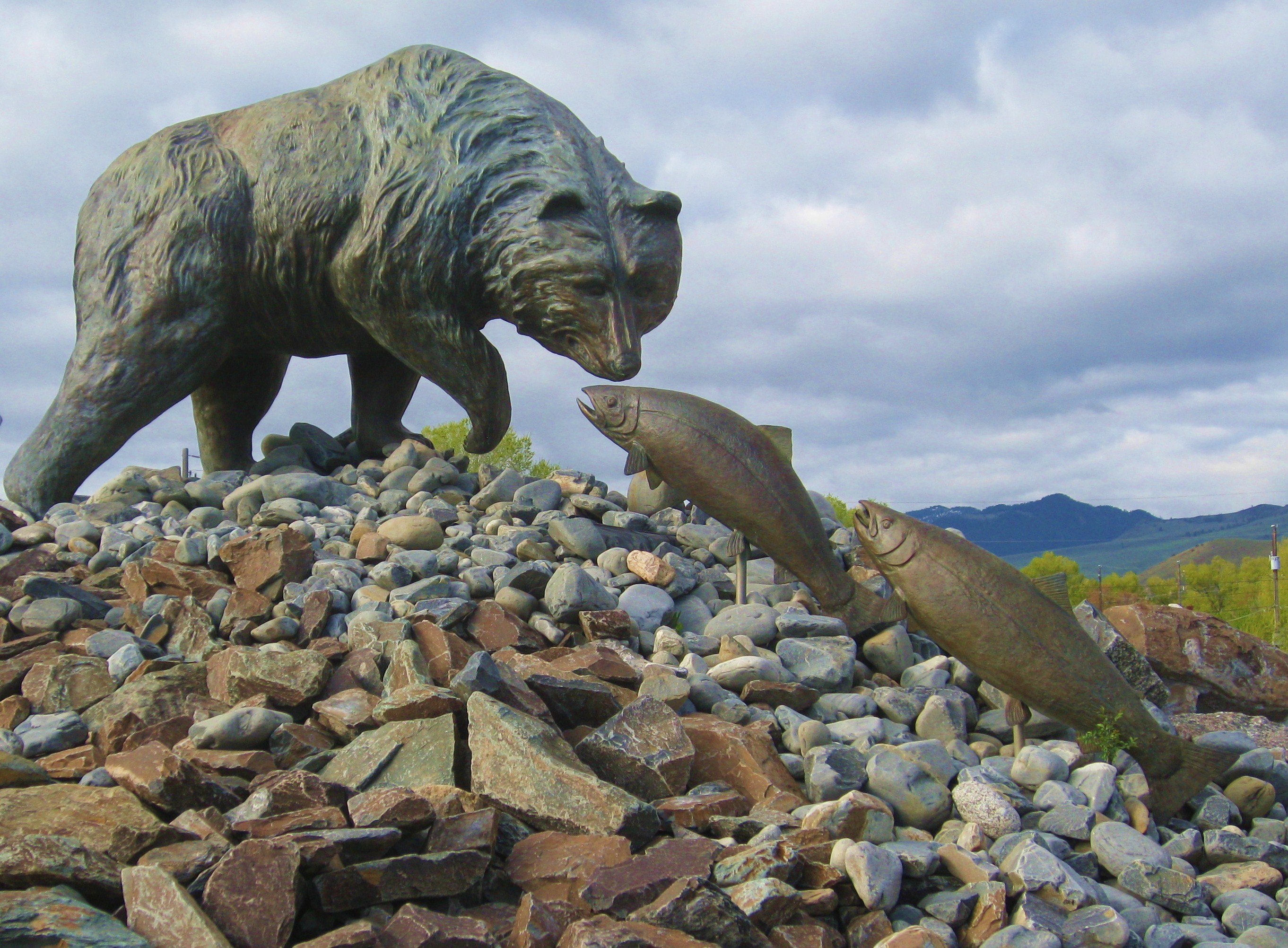
Although I saw no bear or fish, this majestic sculpture I left behind in Salmon, Idaho, was a fair representation of the wild and mostly secluded landscape my journey took me on this day. -- Photo by Pat Bean

My drive the next day was awesome. Not only did it take me through spectacular scenery it treated me to the sight of two bald eagles soaring against a cliff backdrop that heightened the details of their flight. Two adults, white heads glistening in the sunlight, flew before me, their magnificent wings stretched out gathering in the wind.

I understand the reasoning of Ben Franklin, who wanted the turkey to be this country’s national emblem because the bald eagle is a scavenging thief. But had he, I wondered, ever seen their majesty as I had this day. Not even the day I counted 149 bald eagles sitting around on the ice and in trees at Farmington Bay in Utah a half dozen years ago could compare.

The sighting came outside of Missoula, Montana, on Highway 90 through the Lolo National Forest.

Earlier in the day, I had driven for a ways along the Salmon River, bringing to the forefront grand memories of a raft trip I had taken down it through the Frank Church River of No Return Wilderness Area. While I’m always reminding myself to live in the present and not the past, these memories, I decided, were part of this day and it was right to acknowledge them.

Leaving the Salmon River behind, I entered the Bitterroot National Forest and its poetic inspiring landscape.  Winding rivers, snow-capped mountains, roadside deer, purple, blue and yellow wildflowers. The entire 140-miles from Salmon to Missoula on Highway 93 were designated scenic byways.

Normally I would have stopped in Missoula, but storms were predicted for the next day and so I drove on, intending to reach my destination at Farragut State Park in the Idaho Panhandle, still almost 200 miles away by mid-afternoon. While it was indeed a long day’s drive for me, the sight of the eagles had vanished any weariness. It was as if I had a pair of bald eagles cheering me on the entire rest of the journey.

Read Full Post »

« Newer Posts - Older Posts »