Feeds:
Posts
Comments

Archive for the ‘Travel’ Category

The Big Hole River accompanied me on my drive this day...

The Big Hole River accompanied me on my drive this day…

            “It is better to travel well, than to arrive.” Buddha

And I stopped at the Nez Perce Battle Ground -- and noted all the signs along the drive that announced "Mushroom Buyer." ... A Page from my journal

And I stopped at the Nez Perce Battle Ground — and noted all the signs along the drive that announced “Mushroom Buyer.” … A Page from my journal

Memories of a Non-Wandering Wanderer

            Today’s drive found me driving beside the Big Hole River, a 153 mile-long Montana waterway that is famed for its fly-fishing opportunities, with trout being the best catch of the day. But humans aren’t the only ones to fish the stream.

A successful catch by this female belted kingfisher. The males don't have the rust-colored belly band. -- Wikimedia photo

A successful catch by this female belted kingfisher. The males don’t have the rust-colored belly band. — Wikimedia photo

I noticed a bird sitting on a limb hanging over the water, and stopped to investigate. My heart leaped into my throat when I identified it as a belted kingfisher, the first of its species for my life bird list. I’ve seen hundreds of these kingfishers since that day, but this one will always be a vivid image in my mind.

It was a good day for birds. In addition to my lifer, I also saw cliff, barn and bank swallows, a peregrine falcon, common mergansers, Brewer’s blackbirds and ospreys with babies.

The birds might have been attracted by all the grasshoppers swarming about. At one point, I drove through a cloud of them , many of which left their bodies embedded on my windshield, and everything else as well. I had to find a car wash in the first available town before I could continue my journey in peace.

The day also came with a visit to the Big Hole Nez Perce Battle Field, where on Aug. 9, 1877, U.S. Army soldiers attacked a sleeping Indian Village. It was a big loss for both sides. The soldiers lost 29 men with 40 wounded, while 89 Nez Perce were found dead, mostly women and children. I could almost feel the anguish as I walked the grounds.

In Kalispell, I spent the night at the historic Grande Hotel. It had been a busy day, and I slept soundly.

Blog pick of the Day. Check it out.

Blog pick of the Day. Check it out.

Bean Pat: The Iris and the Lily http://tinyurl.com/h6tc8b8 I’m a sucker for butterflies.


Read Full Post »

  There are grander and more sublime landscapes – to me. There are more compelling cultures. But what appeals to me about central Montana is that the combination of landscape and lifestyle is the most compelling I’ve seen on this earth. Small mountain ranges and open prairie, and different weather, different light, all within a 360-degree view. Sam Abell

Page 1 of my Alaska trip journal.

Page 1 of my Alaska trip journal.

Non-Wandering Wanderer Memories

Yesterday I came across the journal I kept during my 30-day journey from Ogden to Alaska, most of which was driven on the Alaskan Highway. I thought I would blog about the trip this November as my time is precious – I’ve signed up to do NANO – that is write a 50,000 word novel in 30 days. I’m writing a bird memoir, and when I did the Alaska trip, I was just beginning my late-blooming bird-watching passion.

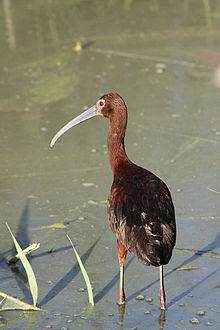
A white-faced ibis was the first bird on my Alaska trip birding list.

A white-faced ibis was the first bird on my Alaska trip birding list.

On the first day of my 2001 Alaskan adventure, I drove from Ogden, Utah, to Dillon Montana. It was July 27.

Like Ogden, where my journey began, Dillon is a railroad town. It was founded in 1880 by Union Pacific Railroad President Sydney Dillon, hence its name. Its location was selected because of its close location to gold mines then in the area, the first of which was discovered in 1862. And because of its large sheep-ranching community, Dillon, which was incorporated in 1884 and has a current population of about 4,000, was once the largest exporter of sheep wool in Montana.

The odd fact I still recall, because of research I had done prior to my journey, is that a circus elephant named Old Pitt was struck by lightning in the town in 1943, and was buried at the fairgrounds.

While I don’t remember too much else about the town, where I slept that first day on the road, I still have memories of my excitement about the coming month. And of course the birds I was going to see along the way.

Blog pick of the Day. Check it out.

Blog pick of the Day. Check it out.

Bean Pat: Pit’s Fritztown News http://tinyurl.com/z64x46l One of my favorite bloggers, who writes from Fredericksburg, Texas. Today he’s talking about Day Zero of a road trip that appealed to me, and seemed to go with my Day 1 of my trip to Alaska, which of course started with my own Day Zero.

Read Full Post »

James Bond Island == Wikimedia photo

James Bond Island == Wikimedia photo

“Once you have traveled, the voyage never ends, but is played out over and over again in the quietest chambers. The mind can never break off from the journey.” – Pat Conroy

James Bond Island

            I was scanning through photos of what someone described as the most beautiful places on earth – dreaming over pictures of exotic places has been something I do frequently ever since I stopped wandering full time – when I came across one titled James Bond Island.

I recognized the place immediately as one of the settings for the James Bond movie, “The Man with the Golden Gun.” I had read Ian Flemming’s Bond books before JFK made them popular by saying they were his favorite books, and have seen every James Bond movie, even though most had little to do with the books.

But I had no idea where the actual island used in the film was located. So I did some research on the Internet, which provided a quick answer to this non-wandering wanderer’s curious mind.

Bartolemeo Island in the Galapagas with its its Pinnacle Rock near the center of this photo. If you watch Master and Commander, you can see the scene again. -- Photo by Pat Bean

Bartolomeo Island in the Galapagos with its Pinnacle Rock near the center of this photo. If you watch “Master and Commander,” you can see the scene again. — Photo by Pat Bean

The island, until the release of the movie in the mid’70s was unknown as Khao Phing Kau, in Thailand. It became a tourist attraction following the movie, and is most recognizable because of a 66-foot tall islet called Ko Taou that sits just 130 feet away from shore.

In 1981, the island became part of the newly established Ao Phang Nga Marine National Park. I wished I had seen it in person, but armchair travel is the next best thing.

Meanwhile, the morning’s at-home expedition brought to mind another movie, “Master and Commander,” which contained a setting I had visited. It was Bartolomeo Island in the Galapagos. And I took the photo on the left when I was there.

I would also classify it as one of the most beautiful places on earth. But then if I made such a list, it would probably be long enough to encircle the earth. And that brings me to one of my favorite travel quotes:

“We live in a wonderful world that is full of beauty, charm and adventure. There is no end to the adventures we can have if only we seek them with our eyes open.” – Jawaharial Nehru

            Bean Pat: A wee bee http://tinyurl.com/hyx5mp5 I love these photos, and they remind me of how important bees are to the environment.

Read Full Post »

             “We live in a wonderful world that is full of beauty, charm and adventure. There is no end to the adventures we can have if only we seek them with our eyes open.” Jawaharial Nehru

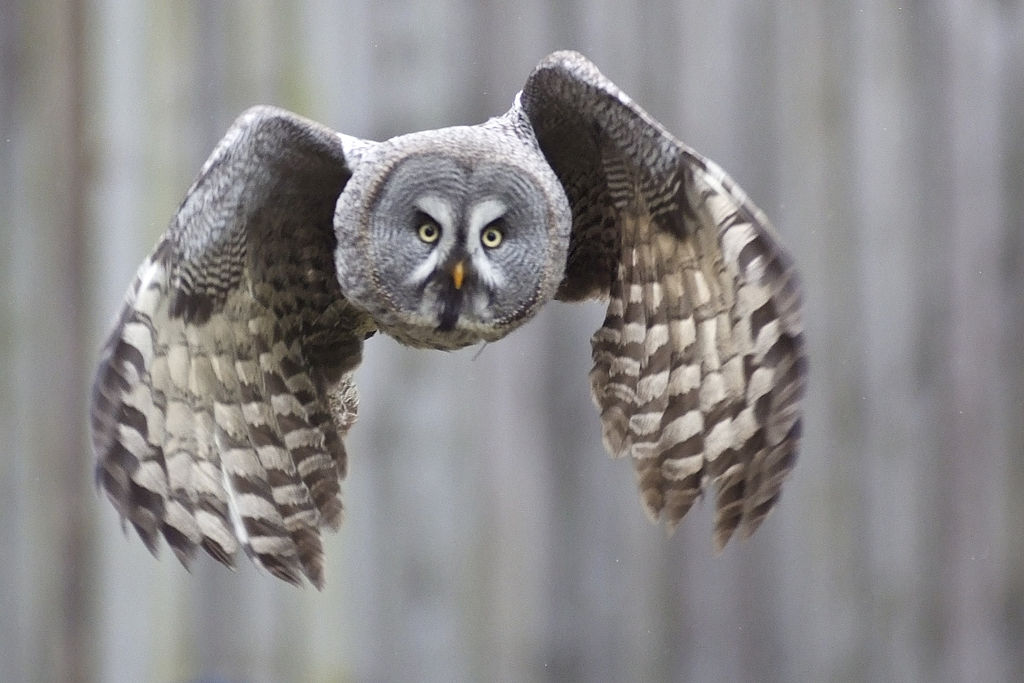
Great gray owl in flight. -- Wikimedia photo, Arne List.

Great gray owl in flight. — Wikimedia photo, Arne List.

Feeding my Wanderlust

            I’ve had wanderlust in my soul since reading “I Married Adventure” by Osa Johnson when I was 10 years old. Going on an African Safari in 2007, and finally seeing the wildlife she so vividly describes in her book, was the fulfillment of a life-long dream, as was traveling the United States from border-to-border and coast-to-coast for nine years in a small RV.

Great gray owl, Ontario, Canada. -- Wikimedia photo

North America’s largest owl, the great gray owl in Ontario, Canada. — Wikimedia photo

While my traveling days are not over, they are currently put on hold because of age and lack of deep pockets. I compensate by reading travel blogs and books. I also read a lot about birds, as birding is a late-blooming passion that addicted me at exactly the right time in my life.

Both birding and my wanderlust came together when I picked up Neil Hayward’s book Lost Among the Birds: Accidentally Finding Myself in One Very Big Year. The passage I was reading this morning was Neil’s account of chasing a Connecticut warbler in Sax Zim Bog. The name stopped me cold, tickling and delighting my wanderlust the same as hearing the names of places like Timbuctoo, Shangri-La and Zanzibar.

So of course I had to find my atlas, and then explore the Internet to learn more about the bog. The exotic sounding place is about 300 square miles of not just bog, but also aspen uplands, rivers, lakes, meadows, farms and a couple of towns in Northern Minnesota. Neil, doused liberally with mosquito repellant, visited a quite boggy patch of Sax Zim to successfully find his target bird, allowing me to follow him along in my armchair without getting bitten.

My bonus for taking the journey with Neil, followed by my online research, was to discover a You Tube video of a great gray owl sighting in Sax Zim Bog. It was so beautiful I almost cried. Sadly this bird is not on my life list of over 700 birds. But who knows what the future may hold?

Bean Pat: Great gray owl sighting at Sax Zim Bog http://tinyurl.com/gopkqt7 I hope this video thrills you as much as it did me.

Read Full Post »

Photo Challenge

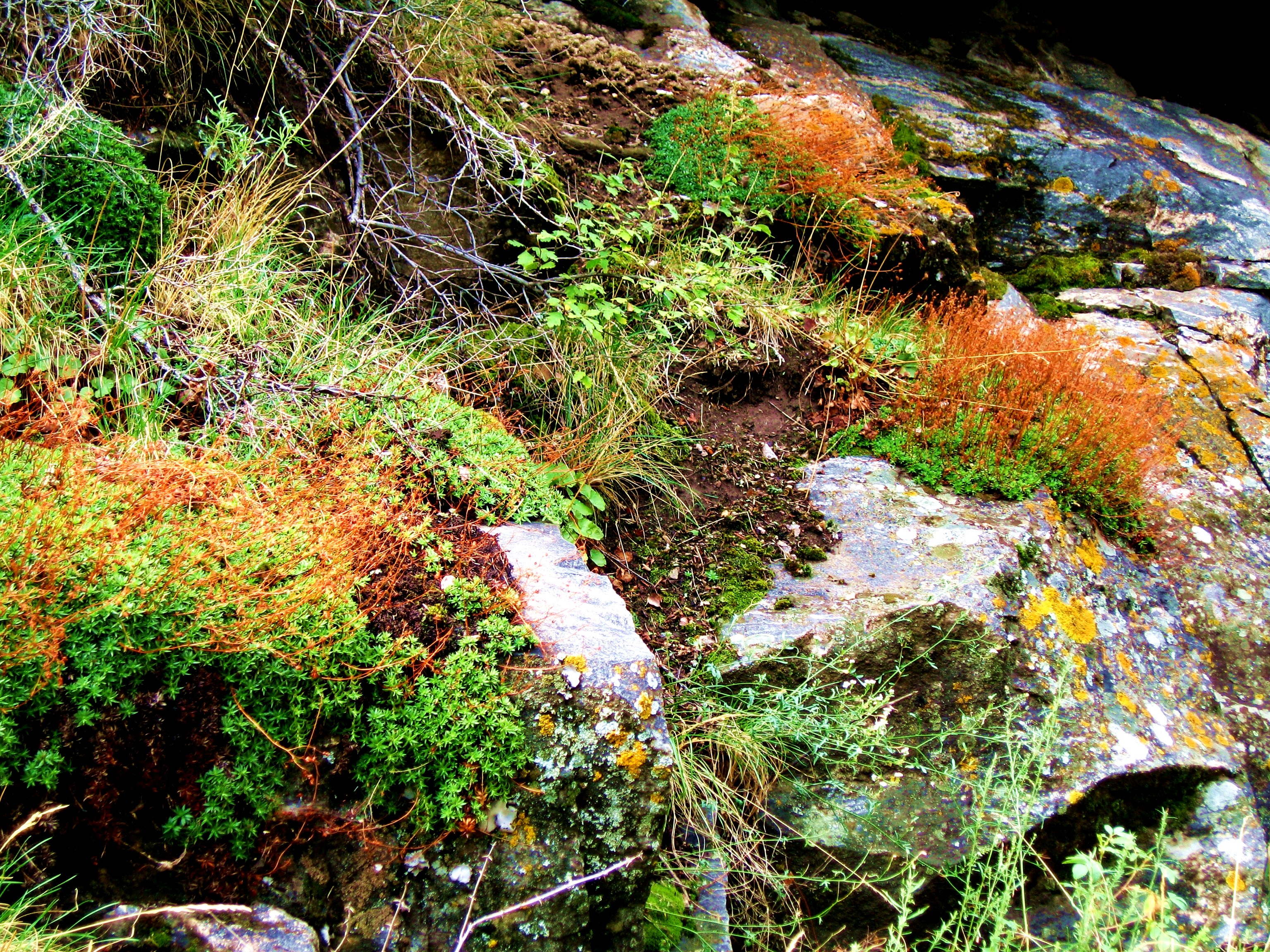
A small patch of bank beside the Gunnison River in Colorado. -- Photo by Pat Bean

A small patch of bank beside the Gunnison River in Colorado. — Photo by Pat Bean

Details

Every man’s life ends the same way. It is only the details of how he lived and how he died that distinguish one man from another. Ernest Hemingway

Read Full Post »

“The reason life works at all is that not everyone in your tribe is nuts on the same day.”― Anne Lamott

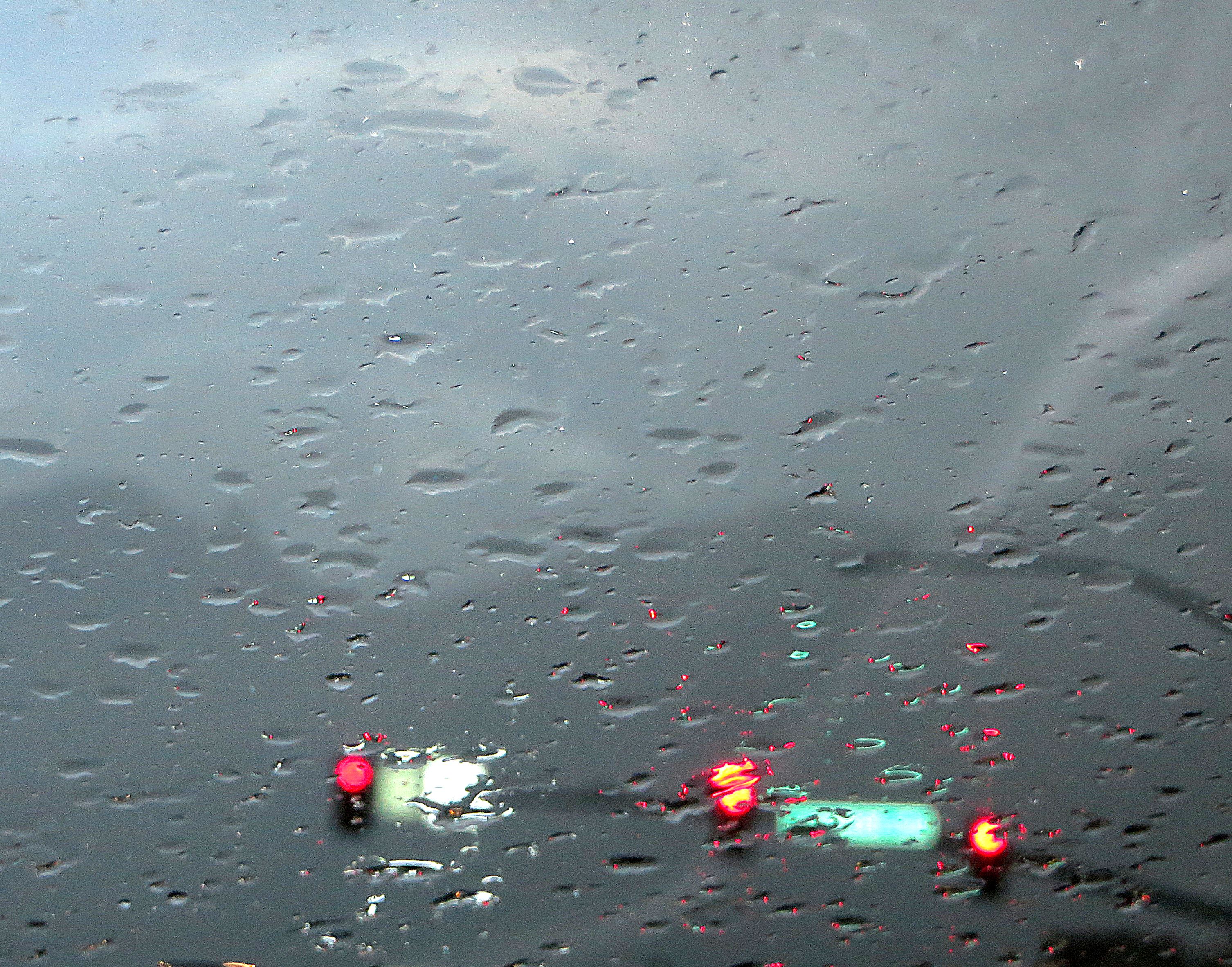
This was the rainy day view through the windshield of my car when I left Tucson a week ago.  -- Photo by Pat Bean

This was the rainy day view through the windshield of my car when I left Tucson a week ago. — Photo by Pat Bean

It Falls on All of Us

The above photo was taken through the windshield of my car, at the corner of Swan and Sunrise in Tucson, a week ago. Although the photo doesn’t pick them up, I could faintly see the silhouette of the Catalina Mountains directly ahead through my swishing wiper blades.

But that doesn't mean you cant see scissor-tailed flycatchers in the rain -- and you don't want to miss that. -[ Photo by Pat Bean

But that doesn’t mean you can’t see scissor-tailed flycatchers in the rain — and you don’t want to miss that. — Photo by Pat Bean

         It was still raining 450 miles later when I pulled into the Whitten Inn in isolated Van Horn Texas, where I would spend the night before driving another 450 miles to Austin, Texas. This day, the sun came out, and I was even rewarded with a few patches of Texas bluebonnets whose blooming had peaked a couple of weeks ahead of my arrival.

After a marvelous, fantastic, awesome four days in Austin mingling with 100 writing sisters, I left Sunday afternoon to drive to my oldest daughter’s home in Dallas. I didn’t take a picture of my leave taking this time, but the top photo – minus the unseen Catalina Mountains – will work perfectly.

Some days we have rain, and some days we have sun. I don’t know about you, but I try to get on with my life whatever the weather.

Bean Pat: Hasty Words http://tinyurl.com/htdt9za For Real? This blog should give you lots to mull over.

Read Full Post »

“Traveling is a brutality. It forces you to trust strangers and to lose sight of all that familiar comfort of home and friends. You are constantly off balance. Nothing is yours except the essential things – air, sleep, dreams, the sea, the sky – all things tending towards the eternal or what we imagine of it.” –  Cesare Pavese 

I don't drive at night, but I do like to be on the road in time to catch the sunrise. I caught this one on my last road trip to Texas. = Photo by Pat Bean

I don’t drive at night, but I do like to be on the road in time to catch the sunrise. I caught this one on my last road trip to Texas. = Photo by Pat Bean

Upcoming Road Trip

            I just started reading A Way to See the World by Thomas Swick, who begins the book by explaining how he became addicted to travel while still a teenager. It’s kind of how I begin my just completed travel book, Travels with Maggie.  

Pepper and I didn't see any rattlesnakes at this rest stop on one of our trips to Texas to see family, but in an unmanicured area just beyond the building, she got into a nest of burrs that took me a good half hour to pick out before we could continue on our way. Photo by Pat Bean

Pepper and I didn’t see any rattlesnakes at this rest stop on one of our trips to Texas to see family, but in an unmanicured area just beyond the building, she got into a nest of burrs that took me a good half hour to pick out before we could continue on our way. Photo by Pat Bean

          While our stories are quite different, both of us clearly have a gene of wanderlust in our souls that made itself know at a young age.     As I’m reading Swick’s book, it gets my mind thinking about my upcoming road trip to Texas for a writer’s conference. It’s a 900-mile adventure over familiar territory, so I know I’m going to have to look at the roadside landscape with fresh eyes.

But then that’s one of the best things about travel, at least for me. I just can’t wait to get on the road again,” as Willie would say.

Or as Robert Louis Stevenson said: “For my part, I travel not to go anywhere, but to go. I travel for travel’s sake. The great affair is to move.”

And I’m going to follow the advice of Molsih Eddin Saadi, who believes we should use our eyes when we travel: “A traveler without observation is a bird without wings.”

Blog pick of the Day. Check it out.

Blog pick of the Day. Check it out.

Bean Pat: More Travel Quotes: http://tinyurl.com/3p8msma I love them all.

Read Full Post »

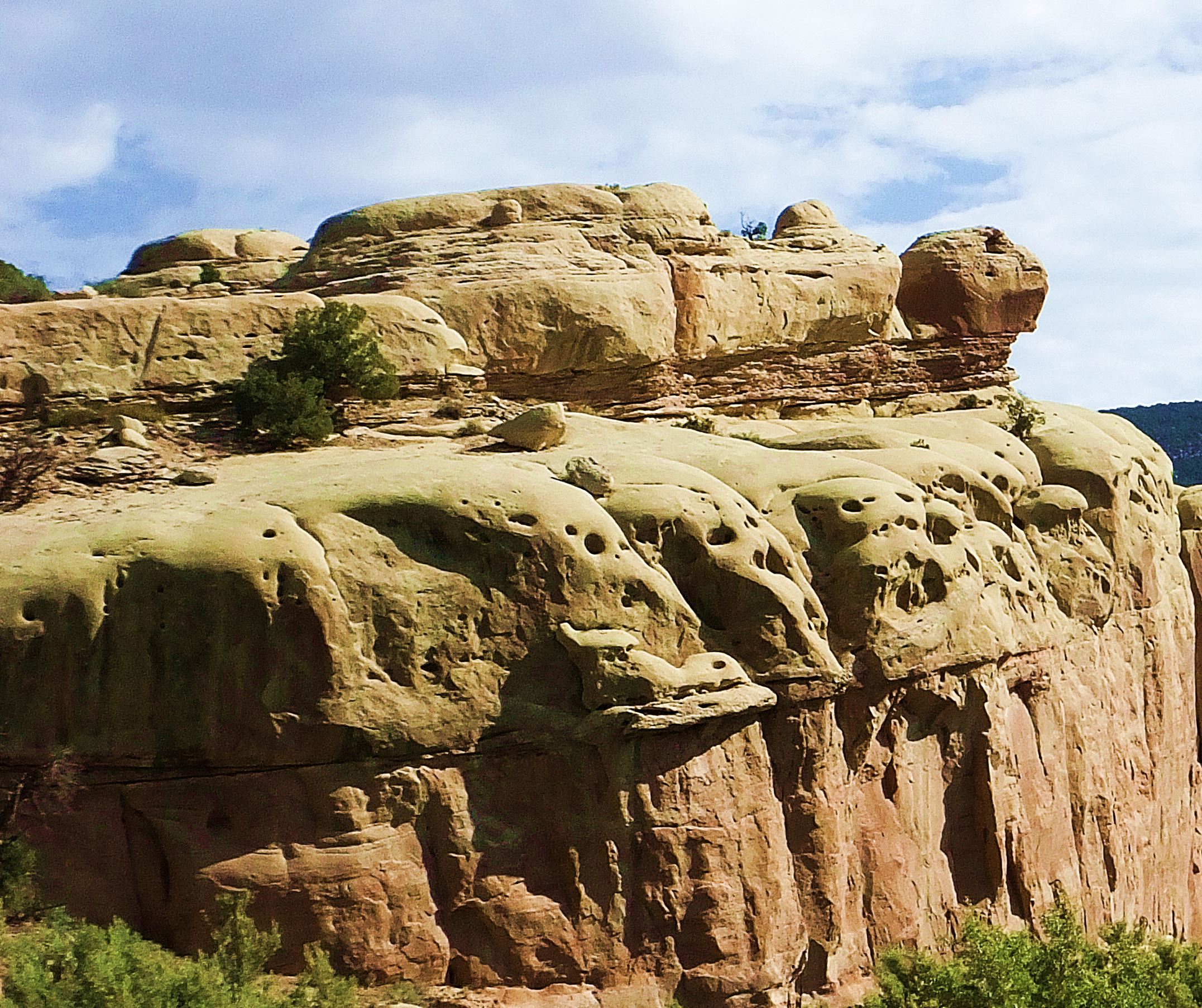
Turtle Rock at Dinosaur National Monument in Utah.

Turtle Rock at Dinosaur National Monument in Utah.

            “The world is big and I want to have a good look at it before it gets dark.” – John Muir


A Turtle and a Lizard

One Saturday morning back in January of 1999, I woke up at o-dark-hundred feeling lazy and bored after a heavy-duty work week. My first inclination, as I noted in my journal that morning and reread for the first time this morning, was to turn over and go back to sleep. That, however, was quickly followed by the words “road trip” jumbling around in my brain.

Lizard petroglyph at ; Dinosaur National Monument, Utah

Lizard petroglyph at ; Dinosaur National Monument, Utah

Knowing which of those two thoughts would reinvigorate me more, my then canine companion Peaches and I set out on a day trip to Dinosaur National Monument, a mere 250 miles away from my Ogden, Utah, home. .

We left in time to see what I think is the most magical moment of the day, those seconds between night and dawn when the world is all gray and silvery and the world recatches its breath – and so do I. But we missed it because of the bright street lights on Harrison Boulevard as we exited the city. I was disappointed, but I consoled myself by knowing the day was young and there were still magical moments ahead that I wouldn’t miss. It’s the same feeling I have at the start of any road trip – and I’ve never been disappointed.

Among the sights I recorded on the drive to the dinosaur quarry were a farmer feeding his cows, snow in Echo Canyon and ice fishermen out on Strawberry Reservoir. I stopped in Heber for breakfast, where I was waited on by a grandmotherly woman who sweetly called me honey. Her words took me back to my Southern-raised origins.

There was more snow after Heber, but the road was mostly a sandy slush as the snowplows had already been out. I passed a guy rubbing snow on his car’s windshield to clear it, and was thankful my wipers and windshield fluid were keeping mine clean. The windshied fluid, however, ran out just as I was coming into Duchesne, where thankfully I stopped at a gas station and replaced it so I could see clearly again.

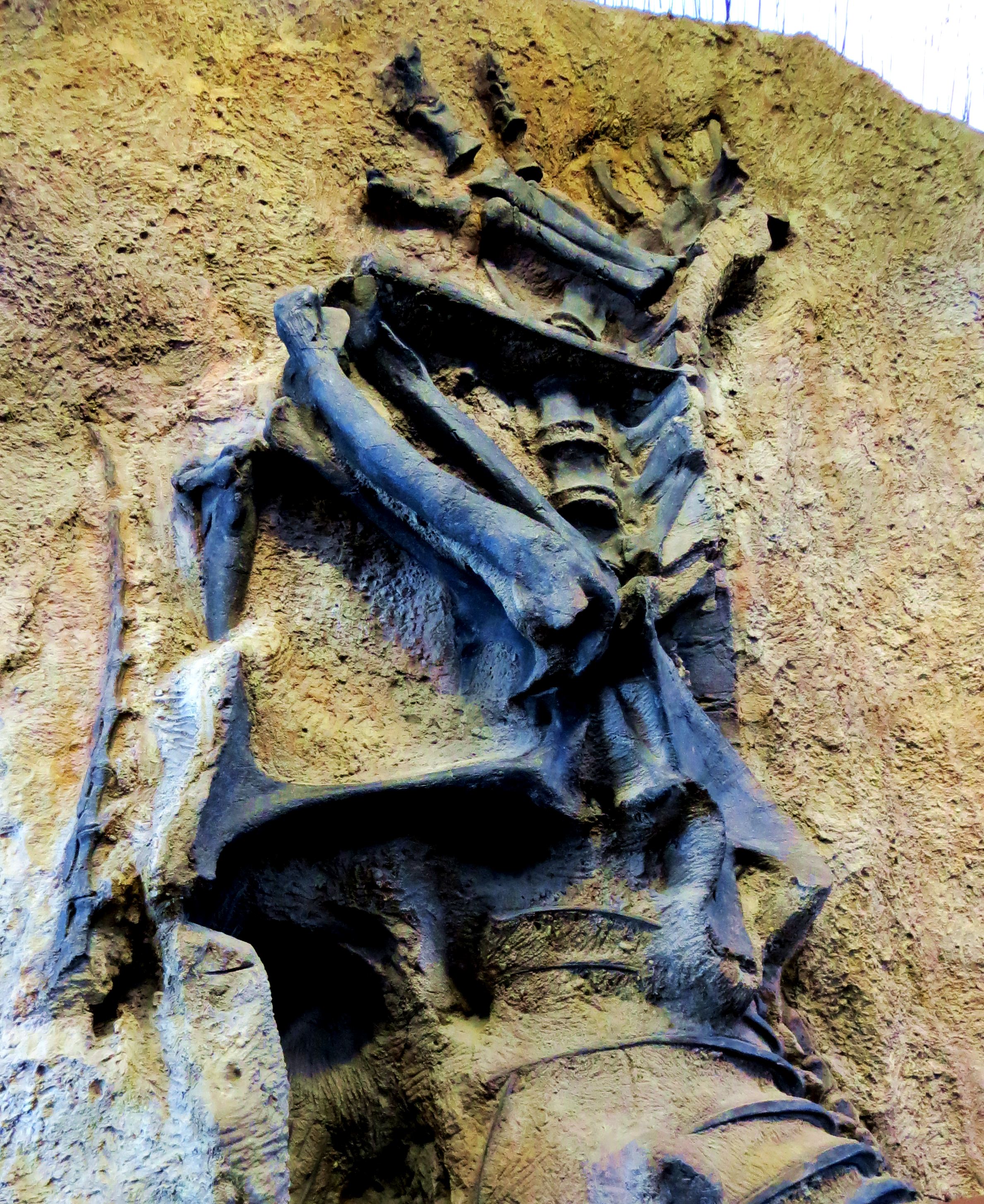
Just a few of the 1,500 or so dinosaur bones on display at the monument's enclosed quarry exhibit.  -- Photo by Pat Bean

Just a few of the 1,500 or so dinosaur bones on display at the monument’s enclosed quarry exhibit. — Photo by Pat Bean

After Duchesne, it was sunny and bright all the way to the Dinosaur Monument, which was located east of Roosevelt. On arriving, I didn’t spend too much time looking at the actual bones of dinosaurs exposed by diggers in the quarry. I was more in the mood to explore the 10-mile Tilted Rocks Road, which is rife with petroglyphs and pictographs, and scenic views of Split Mountain, which a few years earlier I had rafted past on the Green River.

It was memories of a quick drive on this stretch many years earlier that had been in my mind as destination for this morning’s spur-of-the-moment road trip. And this time, as I had not earlier because someone else was in charge, I was able to leisurely enjoy the drive at my own pace. I stopped often to get closer up views of the wall paintings and landscape. I saw mule deer, rabbits and visited a shelter site that may have first been used over 9,000 years ago.

The views of Turtle Rock and the Lizard on the Rock were two of my favorite sightings. They held the magic for me that made up for missing the gray still seconds between day and night.

I didn’t pull back into my driveway until well after dark, and after encountering more snow in the mountains. It had been an invigorating road trip, and I didn’t feel lazy or bored anymore; nor did Peaches, who enjoyed a good romp in the snow on our return drive.

Blog pick of the Day. Check it out.

Blog pick of the Day. Check it out.

Bean Pat: Glenrosa Journeys http://tinyurl.com/htmsjfj Do a bit of bird watching with Candace.

Read Full Post »

Through my windshield: Somewhere in New Mexico on one of the better stretches of road. -- Photo by Pat Bean

Through my windshield: Somewhere in New Mexico on one of the better stretches of road. — Photo by Pat Bean

“One way to get the most out of life is to look upon it as an adventure.” – William Feather

Snow and Ice Adventure

            I left Dallas the day after Christmas, after three weeks visiting my scattered Texas family. It was a quiet, cold overcast morning with 950 miles of interstate driving ahead of me. I hate freeway driving, but I needed to get home by the 27th because my Tucson daughter was having surgery on the 28th.

To make the drive go faster, I listened to an audible version of Ken Follett’s “Edge of Eternity,” which is the third of the author’s Century Trilogy, and which covers the period of the 1960’s through the ‘80s. Those are years I lived through, so the book was a refresher history course for me of the Berlin Wall, the Cuban Missile Crisis and Civil Rights issues.

Not too far from my daughter's Rowlett home.

Not too far from my daughter’s Rowlett home.

About 5 p.m., I pulled into Van Horn, Texas, and checked into a $47 a night Motel 6 – and immediately regretted my economy decision. About 7 p.m., as I was lying on the bed (on my own blanket) watching TV, the electricity went out. It flickered on and off for another hour then blacked out altogether. I blamed the cheap motel until I got up a bit later and opened the window curtain to see if I could let in some light. My car, parked right outside my door, had about 10 inches of snow on it — and the entire town was blacked out.

The next morning I learned of the Texas tornados, and that one had sat down just two miles from my daughter’s home — where my return to Arizona journey had started. Thankfully all my Texas family was OK, although sadly other families were not so fortunate.

Since I needed to get home, I got on the road early – well, after a half hour of scrapping ice and snow off my car without the proper tools and no gloves. For a while the roads were clear, but somewhere before I hit El Paso, snow began to fall. And somewhere after El Paso, the roads turned to ice. At one point I was following a snowplow, and at another traffic slowed to 10 mph, or even stopped completely a time or two.

Cayenne in El Paso, after I cleaned her up in Van Horn and before the nasty New Mexico snow and ice. -- Photo by Pat Bean

Cayenne in El Paso, after I cleaned her up in Van Horn and before the nasty New Mexico snow and ice. — Photo by Pat Bean

On the sides of the road were many stuck and wrecked cars and semis, whose drivers I assumed didn’t know the first rule of getting from one place to another on ice. Drive as if you have no brakes because you’re going to lose control of your vehicle when you apply them.

With 25 years of Northern Utah winter driving behind me, I felt reasonably confident I would make it through, and so I decided to take William Feather’s advice and consider the day an adventure.

It worked. I forgot about making time and my stress level dropped significantly – and I even made it home before dark. You don’t get many adventures like this at my age.           

Blog pick of the Day. Check it out.

Blog pick of the Day. Check it out.

Bean Pat: Pelicans http://ghostbearphotography.com/pelicans/   One of my favorite bloggers hates birds, but loves pelicans. I love his photos.


Read Full Post »

, whn contc

The first aspens I saw were off in the distance, where their golden deliciousness stood out in contrast to the dark evergreens -- Photo by Pat Bean

The first aspens I saw were off in the distance, where their golden deliciousness stood out in contrast to the dark evergreens — Photo by Pat Bean

“Willows whiten, aspens quiver, Little breezes dusk and shiver” – Alfred Lord Tennyson

“Late in August the lure of the mountains becomes irresistible. Seared by the everlasting sunfire, I want to see running water again, embrace a pine tree, cut my initials in the bark of an aspen, bet bit by a mosquitos, see a mountain bluebird, find a big blue columbine, get lost in the firs, hike above timberline, sunbathe on snow and eat some ice, climb the rocks and stand in the wind at the top of the world on the peak of Tukuhnikivats. – Edward Abbey            

Aspens at Last

            Jacob Lake, a tiny community that sits at the junction of Highway 89A and State Road 67 and which is the turnoff to the North Rim of the Grand Canyon, sits at an elevation of 8,000 feet.   I had expected to see aspen trees by this elevation, but none came into my view, although I usually began seeing these scarred, white-trunk trees around 7,000 feet. Of course that was when I lived in Utah, and now I’m in Arizona.

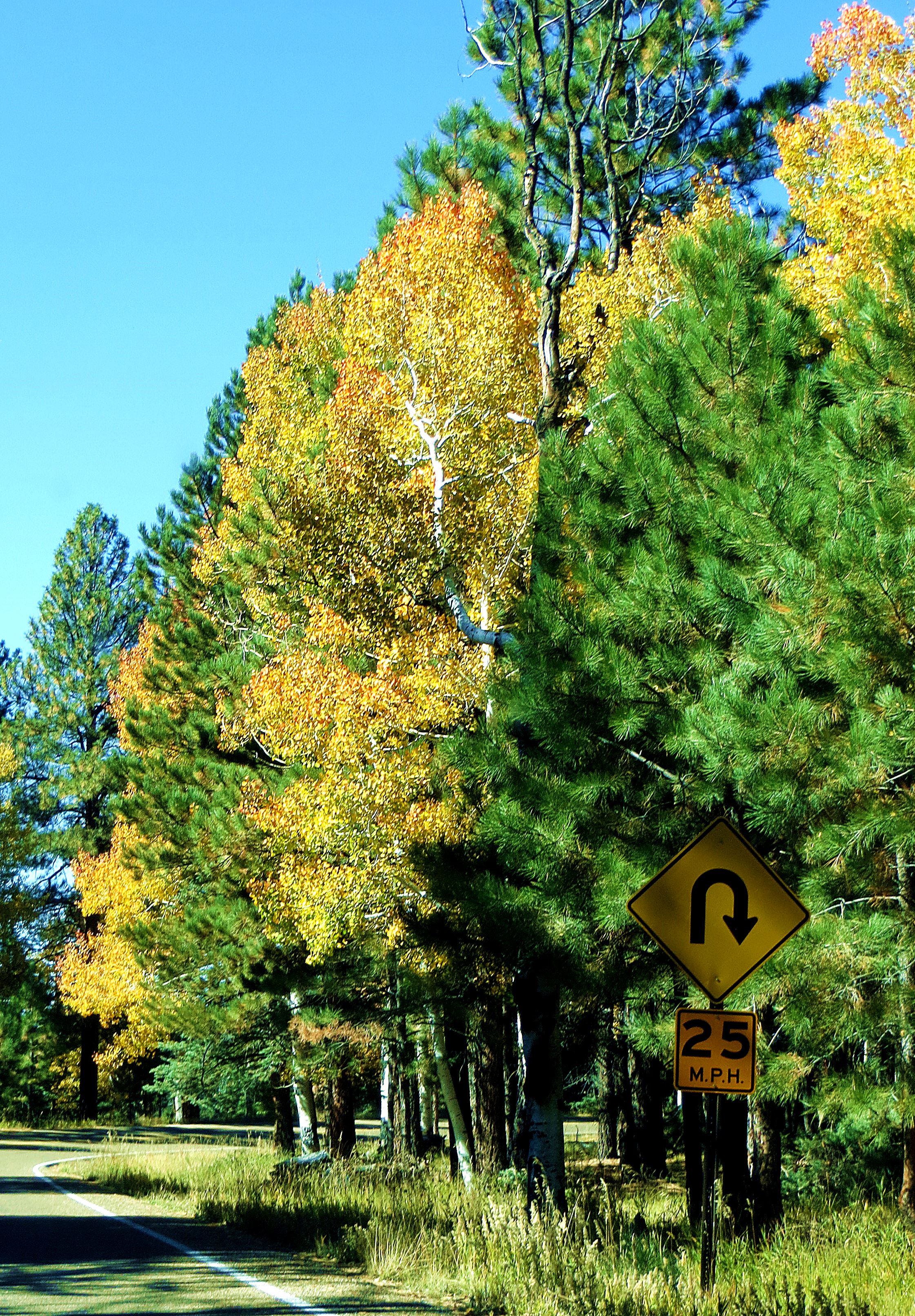
The second grove of aspens was right next to the road. I stood beneath this one and let it sing to me.

The second grove of aspens was right next to the road. I stood beneath this one and let it sing to me. — Photo by Pat Bean

Still hopeful that the goal of this particular road trip, to see aspen trees in their golden autumn colors, would be met, I took the turnoff  for the Grand Canyon. There was still 44 miles to go before I reached the rim of what many people consider to be one of the seven natural wonders of the world, so there was still time for this road trip’s mission to be accomplished.

And it was – although I was closer to Grand Canyon National Park than I expected before the landscape began to be dotted with patches of yellow that challenged the color of the sun. I was delighted.

Aspen trees gown in colonies from a single seedling that sends up its children through the earth into the sunlight. If you look closely, you’ll see how similar each tree in close proximity looks like its neighbor; and how different they look from a nearby patch of aspens that also hover close together with roots and branches entangled.


Near the top of the North Rim of the Grand Canyon. -- Photo by Pat Bean

Near the top of the North Rim of the Grand Canyon. — Photo by Pat Bean

Until its death, only the mother tree can send up new seedlings. Then another tree takes its place. It has to do with some chemical or such that the mother tree sends out as a birth control pill to the other trees, is how it was once explained to me. While an aspen tree can live only up to about 150 years, there is one large aspen grove in Utah near Fish Lake that is 80,000 thousand years old. Just thinking about this sends shivers through by brain neurons.

As I stopped to stand beneath one of the aspen groves, I was reminded that not only are these trees pleasing to the eye, but to the ear as well. The breeze rippling through their coin-sized leaves sent a pleasing melody into the air. The aspens sang for me.


Blog pick of the Day. Check it out.

Blog pick of the Day. Check it out.

Bean Pat: Life’s Purpose   http://tinyurl.com/ocjqsok  Why limit yourself to one passion. As a person who has many passions, this blog appealed to me. Even though I know that it’s the people with only one passion who may accomplish the greatest things in life. But oh what they miss.

Read Full Post »

« Newer Posts - Older Posts »