Feeds:
Posts
Comments

Archive for the ‘Nature’ Category


Each sunset makes yet another mark on the calendar of our lives. I don't want to miss a single one. -- Photo by Pat Bean


The illimitable, silent, never-resting thing called Time, rolling, rushing on, swift, silent, like an all-embracing ocean-tide, on which we and all the universe swim like exhalations, like apparitions which are, and then are not.” — Thomas Carlyle

Travels With Maggie

As I typed the date in my journal this morning, I wanted to scream. Where in Hades has two months of the year gone already?

Time, as someone who no longer has to spend a third of it making a living, is my friend. But time, as someone who has less of it ahead than behind, is my enemy. This latter is true for both me and my dog, Maggie, who sadly at 13 most likely has fewer days ahead of her than I do.

Just the thought of losing her brings tears to my eyes. But that’s the reality of loving something. Maggie won’t be the first pet I’ve lost. And if Father Time is kind to me might not even be the last.

One day bare twigs, the next day bursting with color. -- Photo by Pat Bean

The pain of loss, however, is outweighed by the richness my feline and canine companions have added to my life over the years. I truly believe Alfred Lord Tennyson’s words: “Tis better to have loved and lost than never to have loved at all.” I’m sure he was speaking about human relationships, but those count in my book, too.

I was thinking on this during this morning’s walk when I came upon a patch of purple. A lilac bush – which Maggie and I have passed daily while waiting for winter to end so we can get back on the road – appeared to have budded overnight.

It was another example of how time, which once moved slow as a snail when I was a child awaiting Christmas, is now going 200 miles-per-hour in a 20 miles-per-hour school zone.

I can’t slow Father Time. All I can do is go along for the ride. Getting off and standing still is not an option for Maggie and me.
Read Full Post »


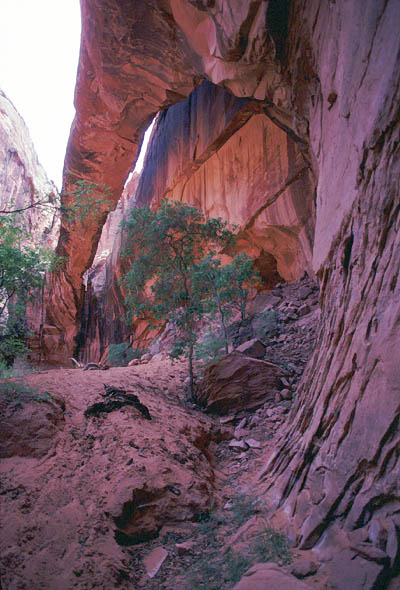
Morning Glory Natural Bridge -- Photo by Jay Wilbur

“I still find each day too short for all the thoughts I want to think, all the walks I want to take, all the books I want to read and all the friends I want to see.” John Burroughs  

Travels With Maggie

 I learned about Negro Bill Canyon Trail at the visitor center in Moab, Utah, where I asked if there was a good hiking trail on which I could take my dog.

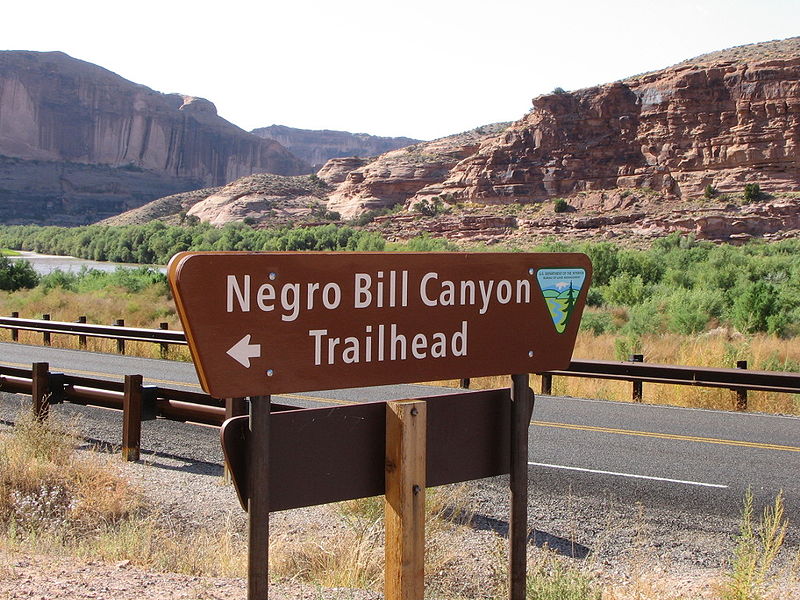
Moab is located adjacent to Arches National Park that has fantastic trails, but dogs are not allowed on them. The kindly desk clerk directed me to take Highway 191 north to Highway 128, which parallels the Colorado River, and then to look for a small parking area at the trailhead after about three miles.

It was easy to find and soon my dog and I were hiking up a narrow canyon trail that weaved across a small stream.

My hiking companion at the time was not Maggie. It was Peaches, a beautiful golden cocker spaniel who was then 15 years old. Since this was my first significant hike since foot surgery, the dawdling footsteps of her four legs and my two legs were perfectly matched.

It was actually a great pace as the trail, with its tinkling stream, red rock walls, willow groves and other wonders of nature, deserved adequate time to be properly admired. After about two miles, the trail forked. Peaches and I took the path veering to the right, which went about another half mile before ending at Morning Glory Natural Bridge, a 75-foot tall, 243 foot arch span overseeing an alcove.

Here, in this grand and peaceful setting, with a canyon wren serenading us, Peaches and I ate a leisurely lunch from my small backpack before heading back. It was the last hike Peaches and I took together.

Negro Bill Canyon Trailhead sign off Highway 128 with the Colorado River flowing past on the far side of the road.

The next time I hiked the trail, I had Maggie, a black cocker spaniel whom I had rescued from a life of abuse. She had been a year old at the time, and from her actions on the trail I realized this was probably her first off-pavement walk, certainly her first time to cross a stream. She either had to be coaxed or carried across. .

While she never became the great hiker Peaches was, Maggie’s now quite eager to get off the beaten path. In that, she and I are alike.

*Negro Bill Canyon is named after William Granstaff, a cowboy who ran cattle in the canyon in the late 1870s. While the name is not exactly politically correct, it’s more so now since the name was changed from the original “N” word.

Read Full Post »

One of the lesser goldfinches Maggie and I saw on our morning walk. -- Photo by Pat Bean

Our greatest strength as a human race is our ability to acknowledge our differences, our greatest weakness is our failure to embrace them.” — Judith Henderson

 Travels With Maggie

 Some days I wake up eager to write on a topic that burned itself into my brain as I slept, usually because the subject was on my mind before I went to bed. I consider these good days.

 On others, I wake brain-dead, wondering what in the heck I’m going to write about. This morning was one of these.

 Some days, Maggie sleeps in until 10 a.m. Others, like this morning, she wakes up early and immediately demands that I take her for a walk. Yes. I know. My children already have informed me that my canine companion bosses me around.

 But I welcomed her demands this morning, knowing that walks fertilize my brain. The birds clinging to a thistle finch bag feeder we passed did the rest.

I jumped to the conclusion that they were American goldfinches, which are extremely common all across the country. A closer inspection of the birds through binoculars, however, and I discovered my mistake. I was looking at lesser goldfinches, whose range rarely extends farther east than my current location in Central Texas.

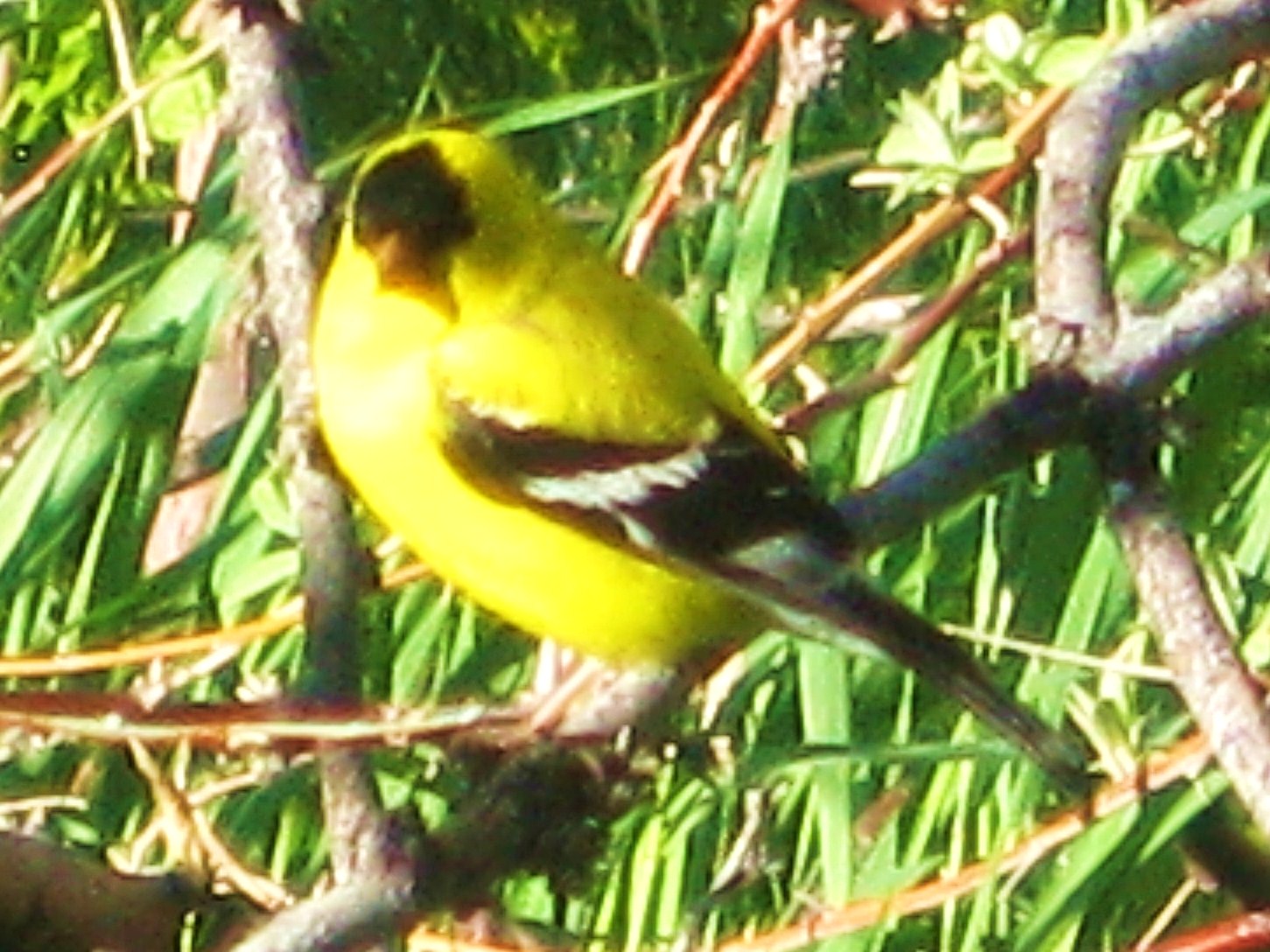
An American goldfinch -- Photo by Pat Bean

 The adult males of both species are brilliant yellow and black (females are duller and in the case of the lesser more green than yellow), but the lesser has a black head and back, while the American only wears a black cap and has black wings that contrast with a yellow back. Both species are beautiful birds.

 And that got me thinking about the assumptions people make when confronted with differences in general. I suspect that erroneous assumptions, like my confusion as to which goldfinch I was seeing, are way too common. And just like my goldfinches, most of our assumptions usually have nothing to do with right or wrong.

One kind of beauty, one color of skin or one way of thinking may be no better or no worse than another kind of beauty, a different color of skin or a second, third or fourth way of thinking.

I suspect the world could do with fewer assumptions and more appreciation of differences. What do you think?

Read Full Post »

A front-yard daffodil tells us spring is not too far way. -- Photo by Pat Bean

“I wandered lonely as a cloud

That Floats on high o’er vales and hills,

When all at once I saw a crowd

A host of golden daffodils;

Beside the lake, beneath the trees,

Fluttering and dancing in the Breeze.”

   — William Wordsworth.   

I saw my first daffodils for the year yesterday. Five golden blooms had popped themselves up beneath a juniper tree.

“Quick. Take a picture. Before the deer eat them,” said my daughter-in-law, Cindi. “And then e-mail it to D.C.” The daffodils were still there this morning, however. The deer were evidently satisfied with the corn she put out for them. Like me, she worries about the neighborhood deer because development in this once rural area is destroying all their habitat.

D.C. is my son, the one who never wants a thermostat to drop beneath 78, but who is currently in Afghanistan, at a place where a frigid winter is still very much in charge of the landscape. While a picture of a daffodil might not warm his body, hopefully it will warm his spirit.

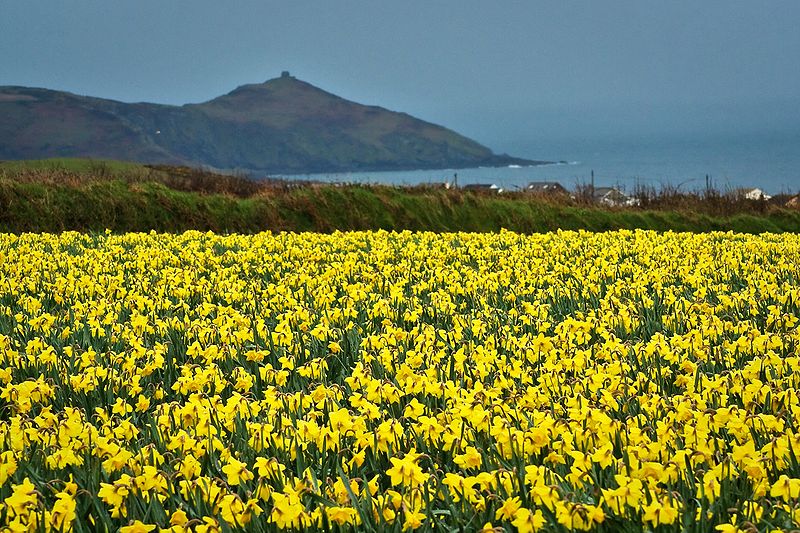
A field of daffodils in Cornwall, England -- Photo by Mark Robinson

Daffodils do that to people. It’s as if the energy that pushes up daffodils – sometimes through several inches of snow – is transferred from the golden petals to the human soul.

Camden, Arkansas, where my youngest daughter lives, hosts an annual Daffodil Festival, with this year’s event scheduled March 11-12. You might want to catch it if you’re anywhere nearby. If not, perhaps you can attend one of these other daffodil events:

       Annual Daffodil Parade, Puyallup, Washington, April 9

       Meriden, Connecticutt, Daffodil Festival April 30-May 1

       Gloucester, Virginia, Daffodil Festival, March 26-27

       Junction, Oregon, Daffodil Drive Festival, March 12-13

       Nantuckett Island, Massachusetts, Daffodil Festival Weekend April 29-May 1

       Fremont, North Carolina, Daffodil Festival, March 26

I could continue on for a while, but you get the idea. I’m not the only one who thinks daffodils are worthy of notice.

Have you seen your first one this year yet?

Read Full Post »


Hundreds of cedar waxwings swooped from the sky and landed in the tree tops as Maggie and I walked past them this morning. -- Photo by Pat Bean

 “Happiness isn’t getting what you want, it is wanting what you got.” Garth Brooks

 Travels With Maggie It’s cool, damp and overcast here in Central Texas this morning. No sliver of golden sun, or even a rose-tinted cloud to brighten the day.

 The birds, however, seem to love it.

 I watched a pair of northern cardinals, a scarlet male and a yellow and red female, chase each other around a row of cedar trees outside my RV. A chatty mockingbird watched the courtship from a utility line above the trees, then flew off, perhaps in search of its own soul-mate.

The cardinals’ splash of color helped make up for the missing sunrise. But it wasn’t until later, after my dog, Maggie, finally woke and demanded her morning walk, that the day truly seemed cheery. Hundreds of cedar waxwings swooped down and settled in the tops of several trees our walk took us past.  Immediately they began calling back and forth among themselves, filling the air with bird twitter.

Cedar Waxwing -- Photo by Ken Thomas ( http://kenthomas.us/ )

 The light was such that the birds seemed little more than dark blobs against a gray sky. A look at them through my binoculars added a bit of their color, but my knowledge and imagination had to add the rest.

Cedar waxwings are striking birds with fancy crests, rosy-brown heads and yellow bellies. Red splotches on their wings, yellow on their tail tips and a black mask across their eyes make them look as if they’ve dressed in their best feathers for a masquerade ball.

 They’re actually the partying kind. I can’t recall ever seeing just one cedar waxwing.

 These birds only visit Texas in the winter. They migrate north for the summer. Smart birds. Come warmer weather, Texans will be yearning for a cool, damp, overcast morning like today.

Read Full Post »


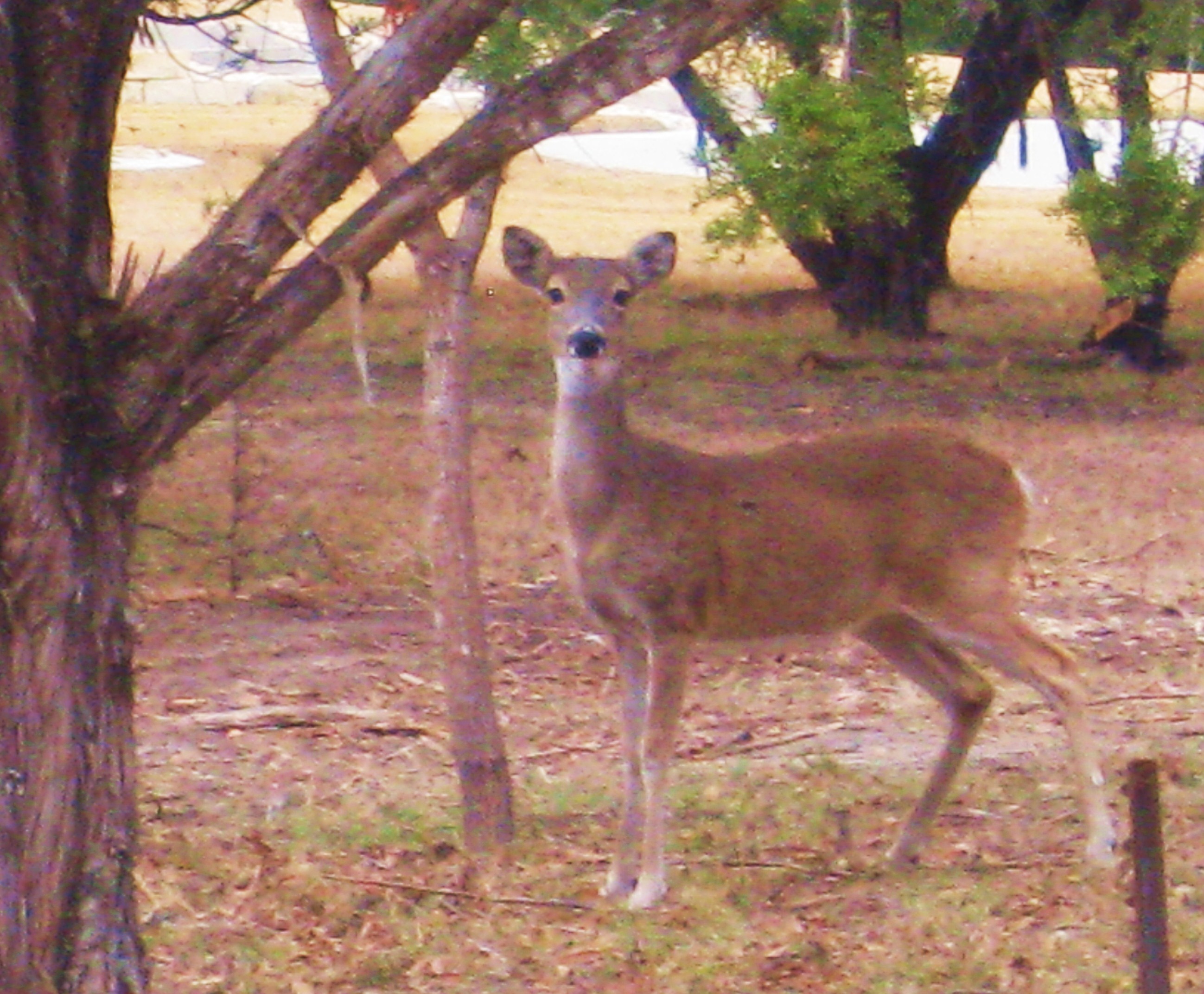
Have you ever taken the time to look into a deer's eyes. Perhaps you should. -- Photo by Pat Bean

”  Though it sounds absurd, it is true to say I felt younger at sixty than I felt at twenty.” — Ellen Glasgow, “The Woman Within”  

Travels With Maggie

 There have been many thrilling minutes in my life. When I was young, I watched my babies breathe in and out as they lay asleep, and felt the grasp of their tiny hands around my fingers. Each of their achievements – from taking their first steps to bringing home their first paycheck, made my heart sing with joy.

After my babies had flown the coop, I was free to chase other thrills, like rafting the grand canyon, going on a safari in Africa, and even jumping out of an airplane. It would not be unfair to say that I’m a bit of an adrenalin junkie.

But when I took my dog Maggie on her walk this morning, I felt more alive than I think I have ever felt before.

The sky was full of puffy rose and lavender tinted clouds that let one know the sun had risen even if it wasn’t visible this overcast day. A cool breeze stirred the hair on my bare arms, but I wasn’t cold. The caress on my skin felt like a gentle lover’s touch, one I never wanted to stop

The purple buds on this mailbox cactus appear to be straining for warmer weather so they can burst forth in joyous blooms. -- Photo by Pat Bean

.

I wasn’t alone in my enjoyment of the moment. The coolness gave Maggie, now 13, a briskness to her steps that, like mine, have begun to slow. She walked with ears flapping in the wind, and her short cocker-spaniel tail, straight up, a signal to the world that she’s in charge.

I was vividly aware of everything around me, the cedar waxwings crowding the leafless branches of an oak tree, the straining purple buds on a huge cactus in a mailbox planter, the eyes of a deer staring at me as I approached and a single dandelion in a winter brown yard.

In my younger days, I would have probably only seen the deer, and even then would not have taken the time to look into its eyes and make the connection I did this day.

While a few of the older female writers I’ve been reading lately, like Diana Athill in “Somewhere Toward the End,” spend too many of their words bemoaning what age has taken from them, I have nary a complaint.

With age has come acceptance of myself, deeper understanding of how the world works, and the wisdom to know that the simply things in life can be as thrilling as getting to the top of the mountain.

Read Full Post »

Green Jays at a feeder in Bentsen State Park in the Rio Grande Valley. -- Photo by Pat Bean

 “Hear! Hear!: screamed the jay from a neighboring tree, where I had heard a tittering for some time, “winter has a concentrated and nutty kernel, if you know where to look for it.” — Henry David Thoreau, 28 November 1858 journal entry.

 Travels With Maggie

 I was sitting here in my RV, currently parked in my oldest son’s Central Texas driveway, pondering what to write about on my travel blog this morning. The answer came to me when my daughter-in-law, Cindi, brought me an article about colorful birds that she had clipped from the Killeen Daily Herald.

 She had been awed by the photo of a green jay that accompanied the story, and knew that this avid birder would probably be awed as well. It was a bird she had never seen, and had no idea that it was quite common in Texas’ Rio Grande Valley, where South American birds hang out in the winter. 

An Altamira oriole lights up a tree branch in the Rio Grande Valley. -- Photo by Pat Bean

 If you want to see colorful birds and escape from cold weather as well, this is the place to go. Thousands of RV dwellers spend entire winters here, cozily hooked up in towns like Harlingen, Welasco, Padre Island and Brownsville.

I’ve spent a few winter weeks there myself, always coming away with new birds for my life list. This southern tip of Texas is home to Laguna Atacosa National Wildlife Refuge, where I saw my first aplomado falcons; Estero Llano Grande State Park, where last year I got my first tropical kingbird and pauraque; Santa Ana State Park where my first great kiskadee called to me from an overhead branch; and the World Birding Center at Bentsen State Park in Mission, where green jays abound at bird feeders scattered about the park and flame-colored Altamira orioles decorate the trees like Christmas lights.

 While you might not take notice of all those plain little brown birds in your backyard, the colorful ones you’ll see in the Rio Grande Valley just might amaze you.

My favorite hangout when visiting the area is the 1015 RV Park in Welasco. It’s not fancy and the sites are small, but it’s inexpensive and within easy walking distance of Estereo Llano Grande State Park, where I spent most of my time anyway.

 It’s one of those numerous Rio Grande Valley places where the birds hang out.

Read Full Post »


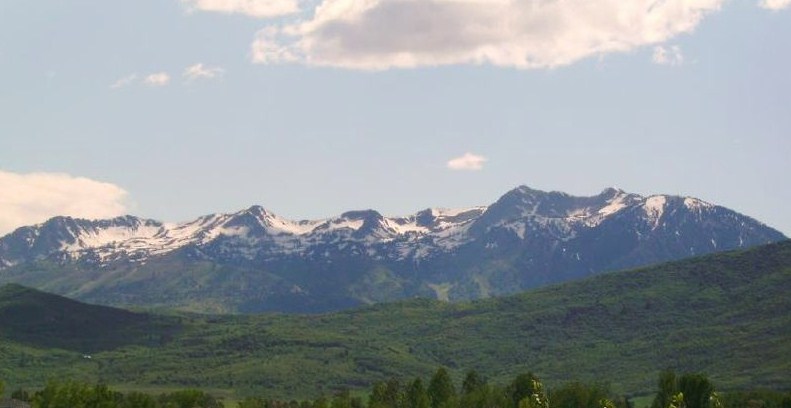
Mount Ogden as seen from 25th Street in Ogden, Utah. -- Photo by Pat Bean

“Climb the mountains and get their good tidings. Nature’s peace will flow into you as sunshine flows into trees. The winds will blow their own freshness into you, and the storms their energy, while cares will drop off like autumn leaves.” — John Muir

Travels With Maggie

I was born in Dallas, where the highest landmark around was a skyscraper. My first view of a mountain didn’t happen until I was 14, when my aunt and uncle took me on vacation with them to Sequoia National Park in California.

The high peaks, some still snow-covered although it was mid-summer, called out to me: You belong here, this is home. But it took another 10 years before I would visit them again, and just about as long again until I finally lived in their shadows.

I tell everybody that the only thing I miss since I sold my home, and got rid of possessions so I could live my dream of traveling the country in a 22-foot long RV, is my bathtub. That’s almost true. I miss the daily presence of the mountains, and one in particular more than any other.

Mount Ogden as seen from the backside. The far right peak was the start of the men's downhill ski race for the 2002 Winter Olympics.

Mount Ogden, which stretches 9,570 feet toward the sky, was my backyard for over 20 years. I climbed the 10-mile round-trip to its top several times with Maggie’s predecessor, a blonde cocker spaniel named Peaches. She had 10 times more energy than Maggie ever did, but so did I in those days.

I learned to ski on Mount Ogden when I was 40. Her trails offered me peace after a stressful day as a newspaper city editor and land issue fodder for stories when I was the paper’s environmental reporter.

While she blocked me from enjoying sunrises, the golden glow cast on her by the sun sinking in the west frequently warmed my heart. She provided me with birds to watch, wildflowers to smell and, rippling streams that serenaded me on hikes.

Mount Ogden’s Snowbasin ski resort was also home for all the 2002 Winter Olympic downhill events. I walked the steep runs created for them with presidential candidate Mitt Romney, who was then president of the Salt Lake Organizing Committee for the Olympics. Once, very slowly, I even skied the lower section of the women’s downhill run.

On first seeing Mount Ogden again, which I’ve done at least once yearly since going on the road seven years ago, she brings tears to my eyes, just as if she were my own mother whom I hadn’t seen for a long time. In a way that’s what she is.

Good mothers nurture their children. And Mount Ogden nurtures me.

Read Full Post »

The view through Mesa Arch -- Photo by Pat Bean

A close up view through Mesa Arch -- Photo by Pat Bean

“I see my path, but I don’t know where it leads. Not knowing where I’m going is what inspires me to travel it.” — Rosalia de Castro

Travels With Maggie

The trail to Mesa Arch seems too short and too gentle for the magnificent reward it gives hikers. Midway in the half-mile loop is a window to the La Salle Mountains 35 miles away, and a view of the Colorado River 1,000 feet below.

Although you may have never hiked the trail, you’ve probably unknowingly seen the arch, which stands on a ridge edge in the Island in the Sky section of Canyonlands National Park. It is a favorite subject for photographers and is a common image found in outdoor magazines, like National Geographic Adventure, and on post cards and T-shirts.

A view of the La Salle Mountains over the top of Mesa Arch. -- Photo by Pat Bean

All the guide books say the best time to hike this half-mile trail is sunrise, and photos I’ve seen of it in this light are magnificent. Sadly, I’ve never seen it at this time of day, and my photographs lack the brilliance of the morning sunrise. Even so, it was a view I would not have wanted to miss.

Actually, there were many other views I wouldn’t have wanted to miss in this Southern Utah Park, especially the Island in the Sky section, which is so aptly named. Sticking up over 1,000 feet from the terrain below, this sandstone mesa offers 360-degree views of the terrain below.

In addition to the Mesa Arch Trail, there are plenty of  not-so-short and not-so-gentle hikes for the more adventurous. I’ve done a few, all with scenic beauty around every turn. I hope you have, or will, walk some of those paths. You should have plenty of energy left to do so after you visit Mesa Arch.

Read Full Post »

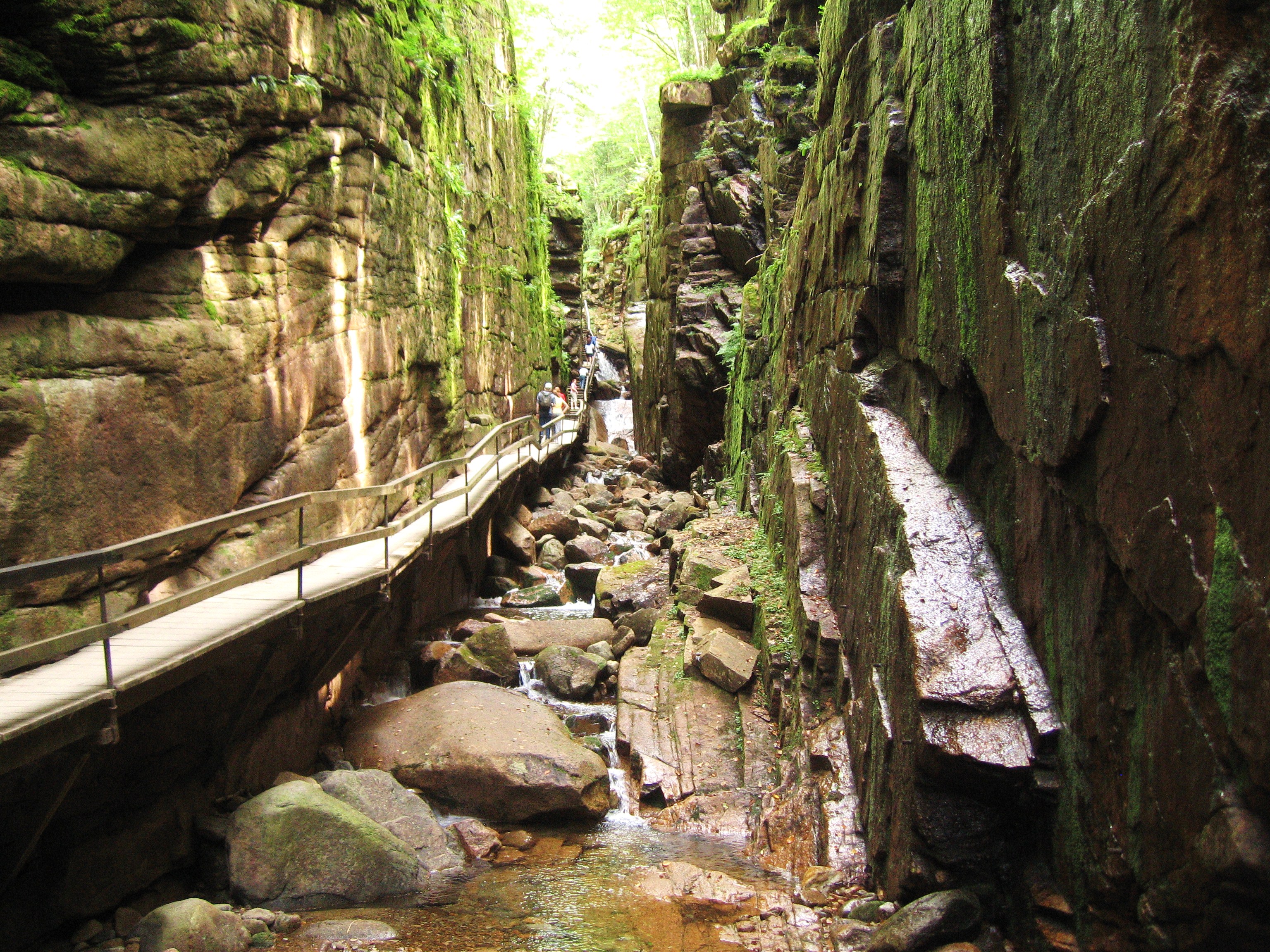
A wooden walkway anchored to moss covered rock walls keep your feet dry on the Franconia Notch Flume Gorge Trail. -- Photo by Pat Bean

“It is only when we silence the blaring sounds of our daily existence that we can finally hear the whispers of truth that life reveals to us, as it stands knocking on the doorsteps of our hearts.” — K.T. Jong.

Travels With Maggie

 Yesterday I took you on a summer day hike in the shadow of Wyoming’s Grand Tetons. Today I’ve decided we should take a fall walk up Flume Gorge in New Hampshire’s White Mountains.

The trail begins in Franconia Notch State Park. You have to pay $12 to access it, but I doubt you’ll regret the expense.

After crossing over the the Pemigewasset River, the path begins its ascent up the flume, a geologic wonder created from molten rock deep below the surface millions of years ago. The rock cooled, fractured and was eventually exposed by the forces of erosion.

The narrow gorge section of the trail consists of a series of bridges and steps anchored to steep moss-covered walls below which flows a rippling stream. The final section of the trail requires squeezing past a torrent of plunging water known as Avalanche Falls, an appropriate name because the falls was created in 1883 after a storm washed away a huge overhanging boulder.

The water level in the stream bed below the trail was low the fall day I hiked this scenicl trail. -- Photo by Pat Bean At the top, hikers can either take a shortcut back to the visitor center or continue on to Liberty Gorge, where another cascading stream makes its way down to the Pemigewasset River.

I continued onward, along with about half of the dozen or so hikers who had made it to the top the same time as me. While they set a fast pace on the trail, I dawdled, taking time to identify the birds and flowers and to photograph the beauty around me.

The result was that I soon had the path to myself. Miraculously it continued that way. I slowed my pace even more, drinking in the tranquility of nature’s whimsies right down to my little toes. Hug-able trees, fragrant flowers, a mysterious dark pool, water singing as it splashed playfully about, and scattered glacial rocks, one as large as a cabin with an interpretive sign to denote its importance.

“Life is good,” I told Maggie when I finally returned to my RV. Dogs weren’t allowed on the trail.

She wagged her tail and asked: So where’s my treat?

I gave her two

Read Full Post »

« Newer Posts - Older Posts »