Feeds:
Posts
Comments

Archive for the ‘Nature’ Category

Coke from the bottle is how we were always served it in Africa, and it tasted so much better than it ever did in America. -- Photo by Kim Perrin

All the pathos and irony of leaving one’s youth behind is thus implicit in every joyous moment of travel: one knows that the first joy can never be recovered, and the wise traveler learns not to repeat successes but tries new places all the time.” – Paul Fussell
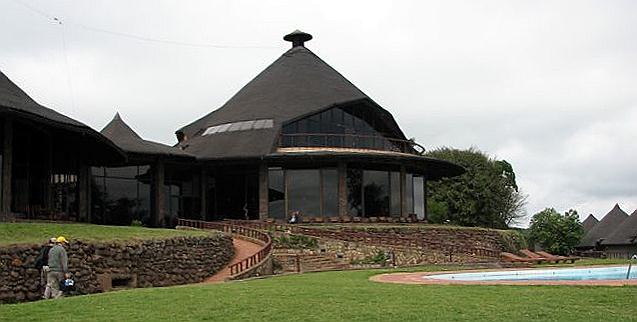
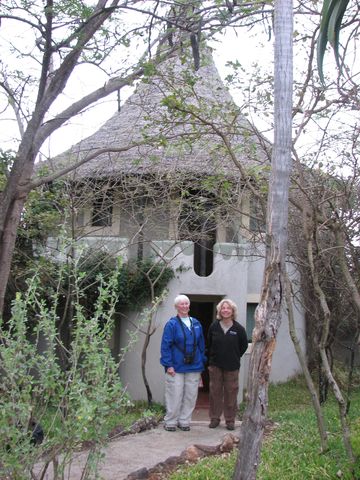
Ngorongoro Sopa Lodge's main building. Our suite was at the end of a long row of rooms barely visible on the right. -- Photo by Kim Perrin

African Safari:

Besides having a marvelous morning visiting the site where human life may have begun, and dancing with the Maasai women in the afternoon, I still had time to watch for birds – and to add another dozen birds to my life list.

Bilal was happy because I had seen more than the 100 new life birds that he had promised he would find for me. Of course I was pleased, but I kept telling him I wanted 200.

“No, no,” he said. “I only promised 100.”
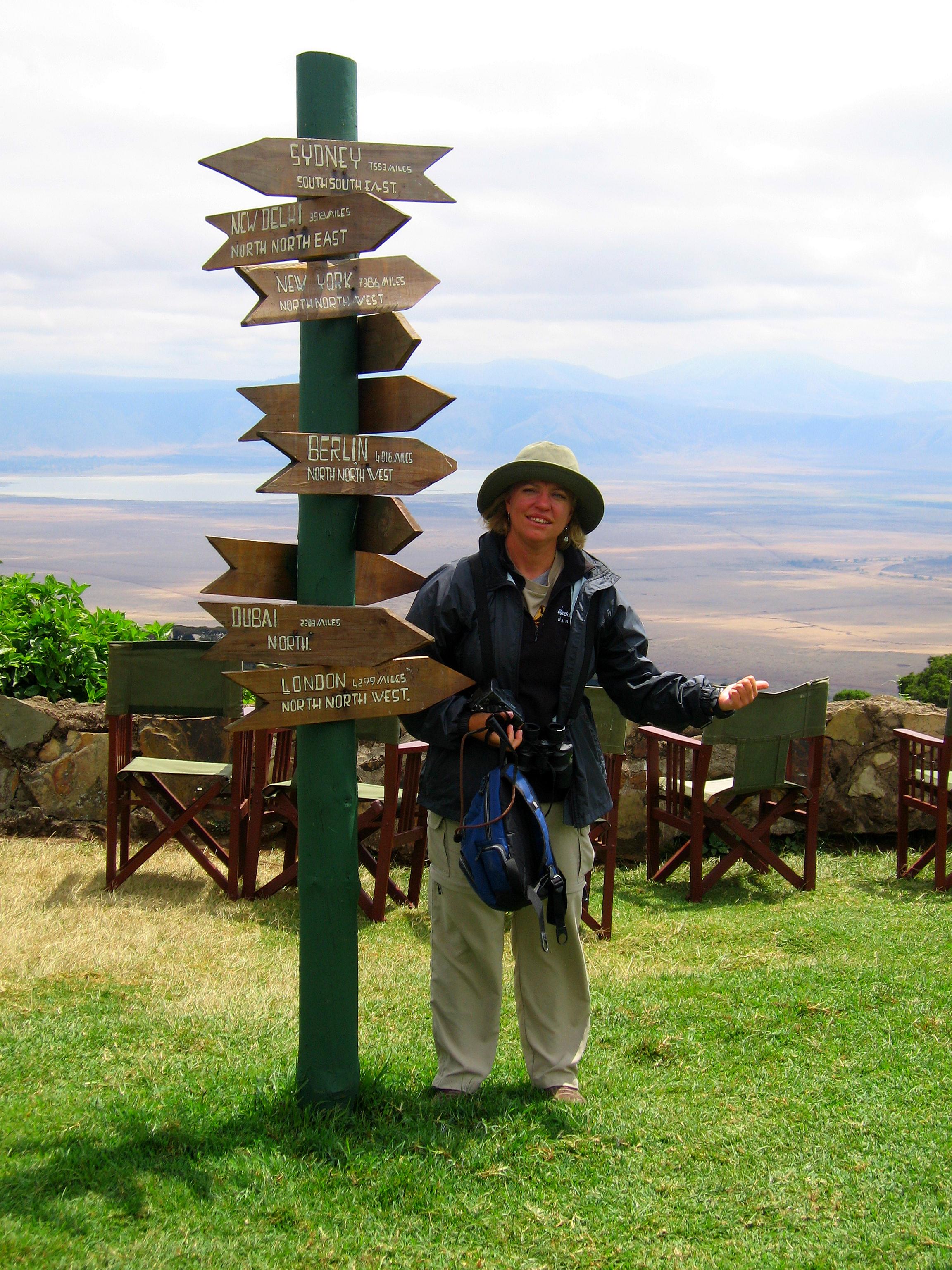
Kim hamming it up in front of a mile-marker on the lawn of the Ngorongoro Sopa Lodge that overlooks the Ngorongoro Crater and its vast herds of wildlife. -- Photo by Pat Bean

. We ended our day at the Ngorongoro Sopa Lodge, which sat on the rim of the Ngorongoro Crater, with each of its suites having a glass-enclosed porch for wildlife watching.

We were told when we arrived at the lodge that buffalo were in the area and that we shouldn’t wander. As an extra precaution, a guard walked us to and from our rooms. His weapon, however, was just a thick night stick. Kim and I saw only two guns our entire stay in Africa.

As we did each night, we dressed for dinner, and had a nice rum and Coke to go with it. The Cokes, which came in bottles, were much better tasting than the ones we get in America. While we never had more than a couple of selections of meal choices, I was never served anything I didn’t like.

Cardinal woodpecker

 Of course we were not eating standard African fare. The five-star luxury lodges that were part of our arranged safari had gourmet cooks I’m sure. Dinners always began with a delicious soup, then a main entree that was often beef, and usually something chocolate for dessert.

It was a far cry from the bologna sandwiches, faded canvas tent and quilt sleeping bags that were part of my very first traveling adventures.

Bird Log of New Lifers: Northern anteater chat, yellow-rumped seedeater, black-lored babbler, Kendrick’s starling, common drongo, cardinal woodpecker, grey-headed sparrow, Speke’s weaver, green-capped eremomela, white-throated robin shining sunbird, cape robin chat, Aug. 24, 2007, Serengeti and Ngorongoro Crater.

Read Full Post »

 “There is just something spectacular about seeing wildlife in its natural environment that thrills us … Arun Kejriwai

We were too late to catch our leopard up in a tree, but I couldn't resist sharing this Wikipedia photo of this magnificent one out on a limb.

African Safari: A Day to Remember

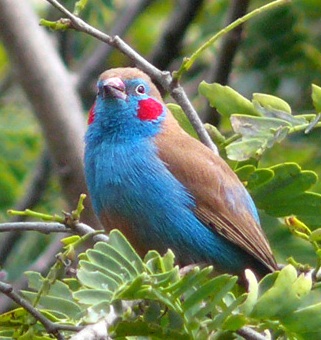
I welcomed my first morning in the Serengeti from the balcony of our spacious Sopa Lodge suite, breathing in Africa’s morning light that left me eager to start the day. Red-cheeked cordon bleus – what a strange name for a bird – welcomed the morning with me.

After breakfast, and more great African coffee, Bilal picked Kim and I for a full day of wildlife viewing.

Red-cheeked cordon bleu

The day’s fantastic wildlife started as we exited the lodge compound’s gate – beginning with a green wood- hoopoe (another strange bird name) and a troop of baboons that included several babies being lugged around on an adult’s back – and never let up.

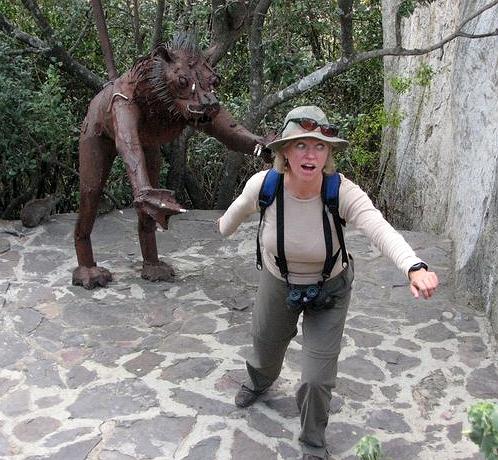
We saw impalas, water buffalo, hippos, lions, cheetahs, ostriches, dik-diks, zebras, wildebeest, Nile crocodiles and of course many species of birds – all before we stopped for a nature hike in a developed tourist area where the wildlife were sculptures, well except for the monkeys, one of which tried to steal Kim’s box lunch.

Kim being funny during our nature walk among the wildlife sculptures. -- Photo by Pat Bean

After lunch, I wandered around doing my usual bird hunting until Kim came rushing up telling me to come quick.

Back at the Land Rover, Bilal said “Come on mama,” and then we were off on yet another wild ride.

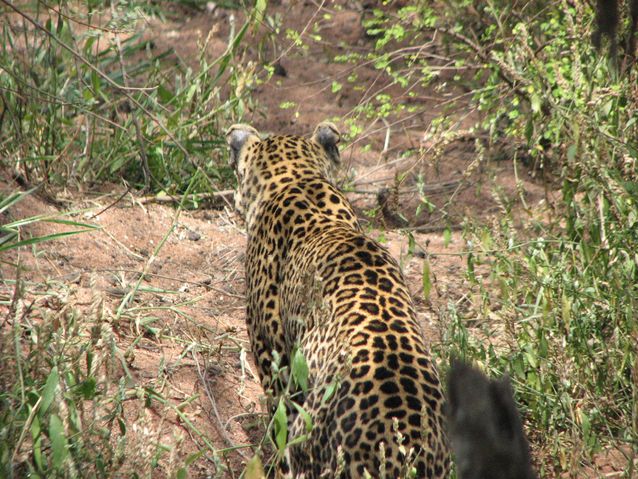
This time we were racing toward a leopard sighting, which Bilal had learned about while talking Swahil on his radio with other guides. We weren’t the only racers. Only about one in five visitors to Tanzania are lucky enough to see a leopard, we had been told.

Our leopard intently watching a Grant's gazelle. -- Photo by Kim Perrin

It was like a traffic jam at the sighting site when we got there, and learned the leopard had just jumped out of a tree and disappeared.

Then suddenly, as all binoculars were turned toward the distant landscape trying to find the animal, it walked right in front of our Land Rover. Our spot in the traffic turned out to be the best one for leopard watching.

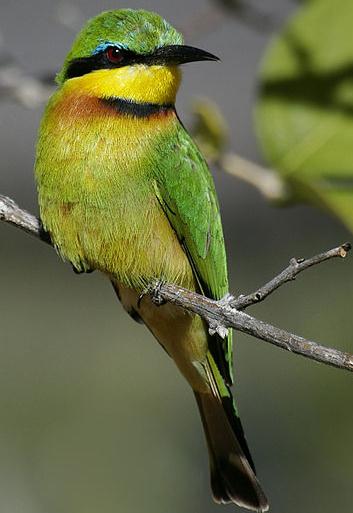
Little bee-eater

Ignoring all the human fuss going on around it, the leopard stayed in the area for the next 30 minutes or so, patiently stalking a Grant’s gazelle. The gazelle finally spotted it, however, and was off and running, while the leopard simply slunk out of sight.

For once, I forgot to look for birds.

Bird Log of New Lifers: Red-cheeked cordon bleu, green wood-hoopoe, red-billed oxpecker, spotted redshank, brown snake eagle, lilac-breasted roller, black crake, sooty chat, blue-capped cordon bleu, speckled-fronted weaver. Verreaux eagle owl, Hilderbrandt’s starling, speckled pigeon, grey-capped social weaver, purple grenadier, lesser masked weaver, wood sandpiper, yellow-breasted apalis, white-headed vulture, hoopoe, little bee-eater, white-bellied bustard, bare-faced go-awaybird, white-browed coucal, Aug. 24, 2007, Serengeti National Park, Tanzania.

Next: Swahili

Read Full Post »

Common mullein just starting to blossom -- Photo by Pat Bean

“Oh, grey hill,
Where the grazing herd
Licks the purple blossom,
Crops the spiky weed!
Oh, stony pasture,
Where the tall mullein
Stands up so sturdy
On its little seed!”
– Edna St. Vincent Millay

Travels With Maggie

Beautiful walk this morning here at Lake Walcott, where the mullein’s tall stalks are just beginning to fill with yellow blossoms.

As the weather has turned warmer – although not into the triple digits my family and friends back in Texas have been enduring – things have become to pop out. I see something new every morning when I take my walk with Maggie.

Mullein with the park and lake in the background. -- Photo by Pat Bean

This morning was especially nice, and so I decided to take a break from my African Safari to share it with you.

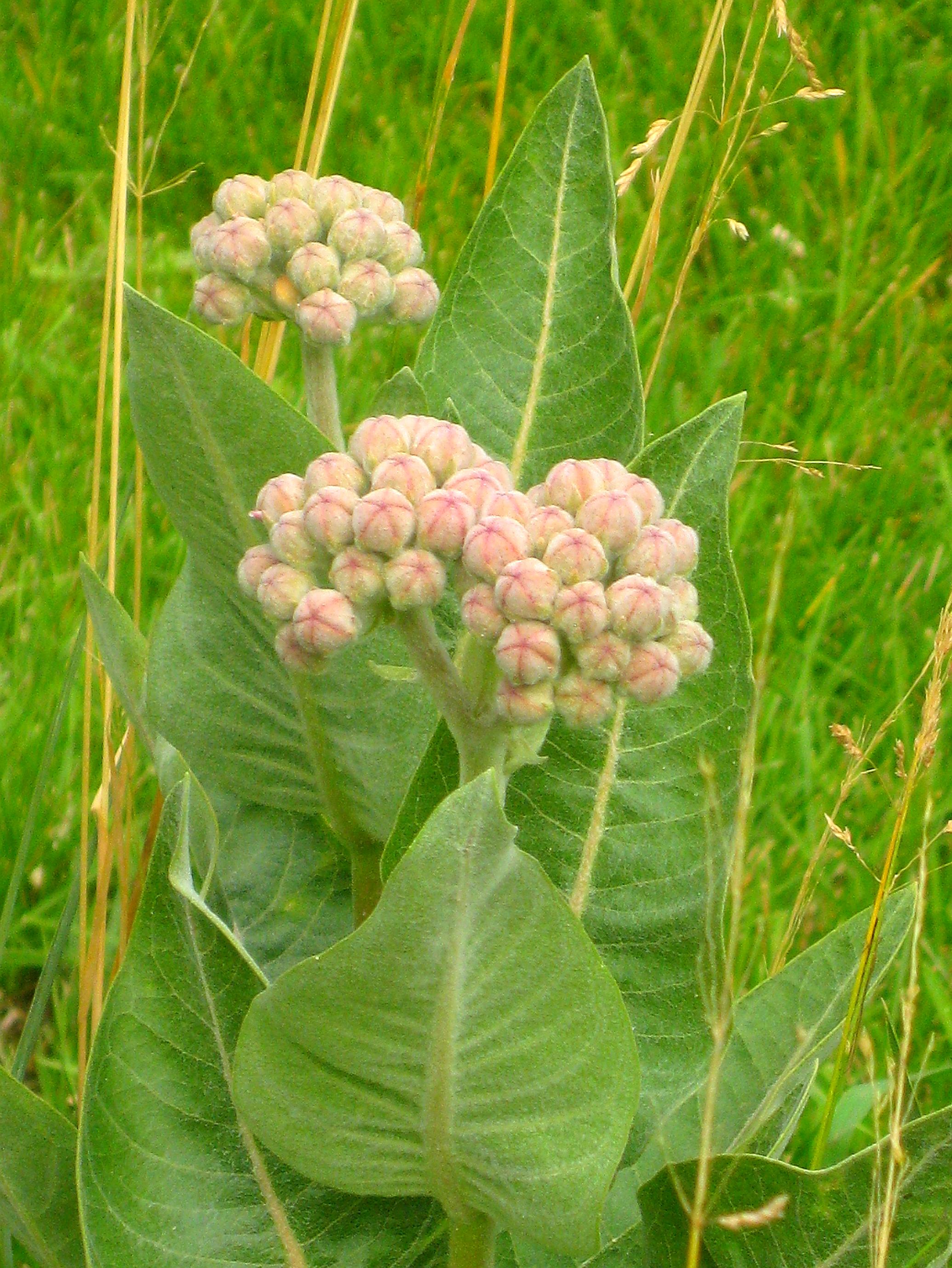
I’m not sure what the wildflower below is, although I think it may belong to the onion family. Perhaps one of you wildflower experts can identify it. I hope so because I really do like to know the proper names of things.

Meanwhile I’ll be back later today with more recap of Kim and my African Safari adventures.

Who can name this plant? -- Photo by Pat Bean

Read Full Post »

 “Adventure is a path. Real adventure – self-determined, self-motivated, often risky – forces you to have firsthand encounters with the world. The world the way it is, not the way you imagine it. Your body will collide with the earth and you will bear witness. In this way you will be compelled to grapple with the limitless kindness and bottomless cruelty of humankind – and perhaps realize that you yourself are capable of both. This will change you. Nothing will ever again be black-and-white.” – Mark Jenkins

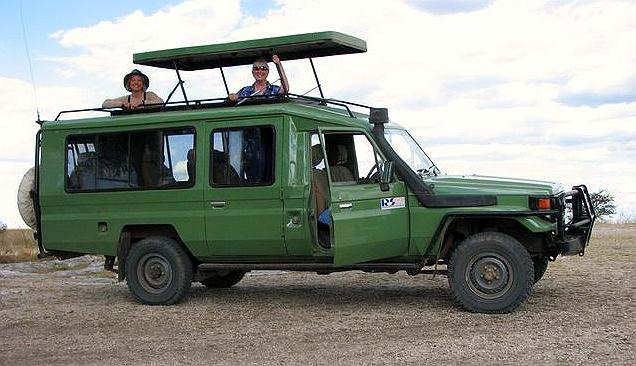
Bilal always had our Land Rover swept and washed when he picked up us each day for our wildlife adventures. Above are Kim and I in our regular wildlife-watching positions. -- Photo by Bilal

African Safari: Afternoon in the Serengeti

Mating lions -- Photo by Kim Perrin

Bilal picked us up after lunch for an afternoon game drive in Serengeti National Park, one of the largest wildlife refuges in the world.

Meaning endless plain, the Serengeti is spread out over 5,700 square miles and ranges in elevation from 3,120 to 6,070 feet. The park provides habitat for over 500 birds and hundreds of mammal species. USA Today lists it as one of the seven wonders of the modern world.

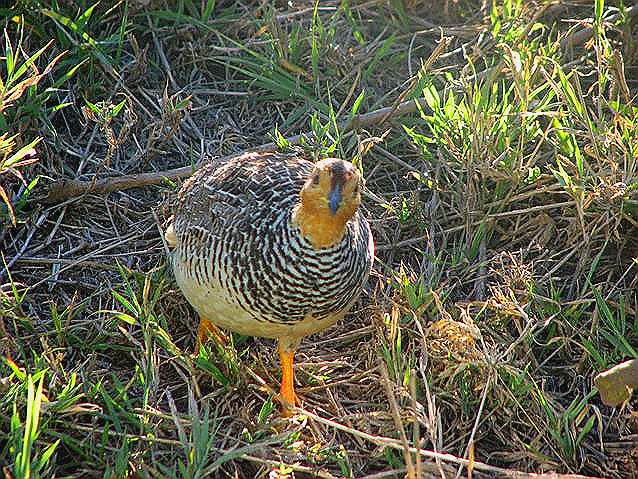
A Coqui francolin posed for us beside the road. -- Photo by Kim Perrin

A Coqui francolin posed for us beside the road. -- Photo by Kim Perrin

It was with great anticipation that Kim and I looked forward to seeing it. And Bilal, with his knowledge of where to find animals didn’t disappoint us.

Our list of mammal sightings included Thompson’s and Grant gazelles, hartebeests, topi, waterbuck, elephants, giraffe, cheetahs, baboons, zebras, lion, and of course lots of birds, including many of those already one my life list and new ones to add to it.

Because I often saw birds before other wildlife, the running joke soon became "Oh, there's an animal beneath that bird." In this case it's a water buffalo with an yellow-billed oxpecker on its back. -- Photo by Kim Perrin

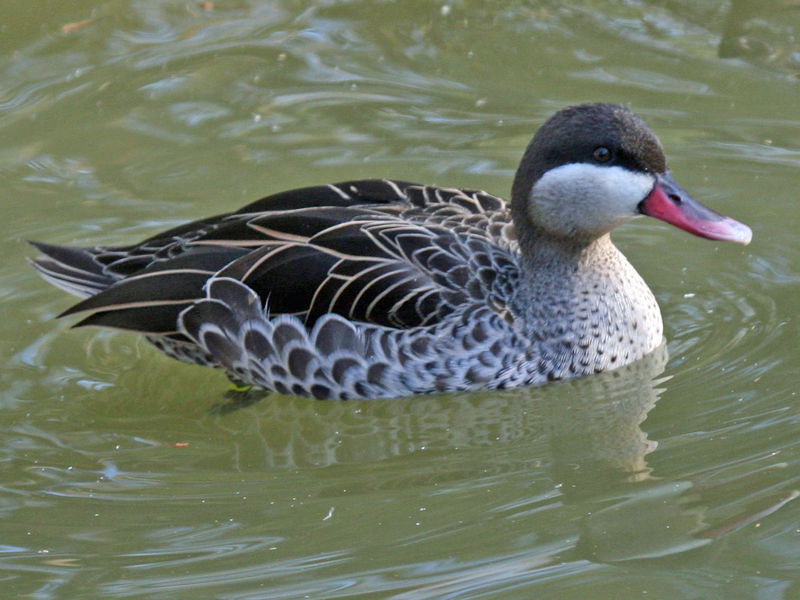
One of our stops was even at a small lake where we saw quite a few water birds, including a family of cute red-billed teal.

On the grasslands, we watched a secretary bird stomp across the plains, then stop to wrestle with a snake of some kind, its favorite meal.

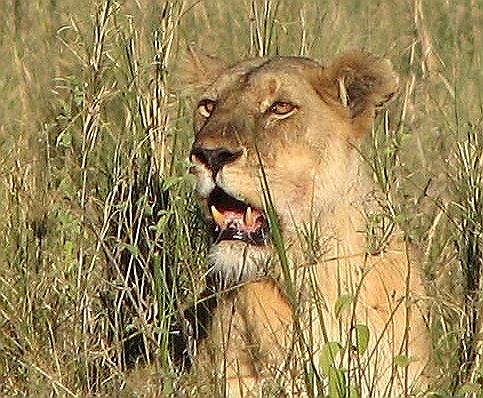
One voyeur viewing was of a pair of lions mating, which Bilal said they would do every 15 minutes or so for about three days. There was a lot of quiet ignoring in between the love sessions, and a lot of snarling during it.

Lion dads, while sometimes aloof around young cubs, do stick around to help protect them after they are born. Cheetah dads, meanwhile, go AWOL and leave all the raising of his offspring, to mom. Most of the cheetahs we saw this day, and for the remainder of our safari, had three or four young ones in tow.

Red-billed teal -- Wikipedia photo

Meanwhile, it continued to amaze me at how the animals acted as if our Land Rover was no threat. Of course we weren’t. Bilal said they just considered us a metal beast that wasn’t good to eat – thankfully.

Way too soon it was time to head back to our lodge for the night, where after dinner in the main lodge, we were walked back to our rooms by a guard. He told us to sure and keep our balcony doors closed against a baboon invasion.

Sleep that night, beneath mosquito netting in our luxurious two-bed suite, was accompanied by a hyena chorus, while our morning wake-up call was served up by howling baboons. It was all awesomely different from our regular routines – and we loved it.

Bird Log of New Lifers: Ruppell’s long-tailed starling, red-necked spurfowl, African white-backed vulture, Coqui francolin, red-billed teal, three-banded plover, Kttlitz’s plover, four-banded sandgrouse, little stint and little grebe, Aug. 23, afternoon drive in the Serengeti.

Next: A feminist conversation with Bilal.

Read Full Post »


It's easy to see that giraffes are what help give the umbrella acacias their shape and name. -- Photo by Kim Perrin

“Each day I live in a glass room unless I break it with the thrusting of my senses and pass through the splintered walls to the great landscape.” – Mervyn Peake

African Safari: Runners, Wildlife and Thorns

When I travel from place to place in my native America, I try extremely hard never to get on a boring freeway. In Tanzania, Kim and I never had to worry about our driver, Bilal, taking such a wide interstate from place to place. There were none, or at least none in the areas we traveled.

We were lucky if the roads were paved. Their roughness prompted Bilal to joke that along with being our driver, he was giving us a free massage.

Which was perfectly fine with me. The bouncy ride was part of the adventure. And the slower we were forced to go, the more time it offered for sightseeing.

And there was plenty to see this morning as Bilal transported us from Lake Mayara’s Serena Lodge to the Sopa Lodge in the Serengeti. The drive took us from wide-open Wyoming like scenery through a misty jungle that brought images of Jurassic Park floating though our brains.

Wildebeest and morning mist on the Ngorongoro Crater escarpment. -- Photo by Pat Bean

One of the populated areas we passed through was Karatu, which Bilal told us was the home of many great marathon runners. Watching the area’s slim, black men brought to mind images of the Boston marathon and other long-distance races I had seen in which racers with such physiques were always frontrunners.

The misty jungle scenery came near the top of the Ngorongoro Crater, which was formed seven million years ago when the land was pushed up by volcanoes, then collasped. At the crater overlook, a Maasai salesman was immediately upon us, but Bilal suggested that we wait to shop somewhere that would benefit an entire Maasai community.

This hungry simba had his eye on a tommy (Thompson's gazelle). -- Photo by Kim Perrin

Zebra, cheetahs, lions, gazelles, monkeys, giraffes, gazelles, and other African wildlife were also on the sightseeing agenda this morning. We lingered the longest to watch a mother cheetah with four young cubs that stayed mostly hidden in the grass while the mother kept a look out.

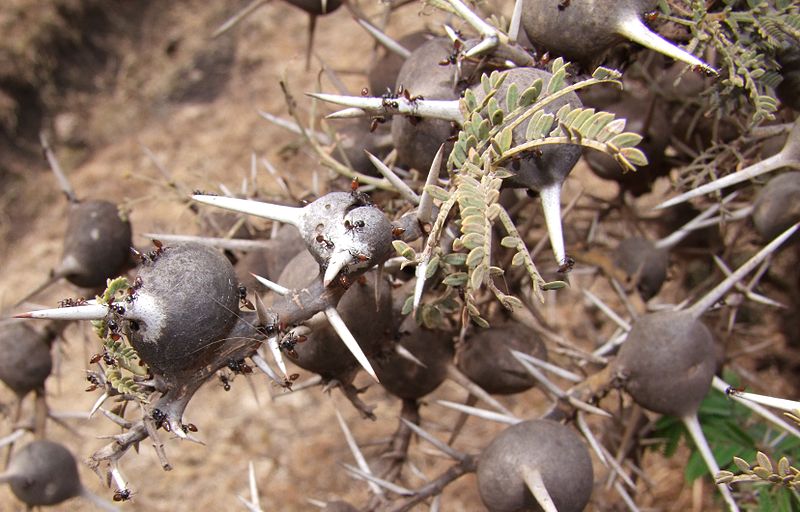
Bilal stopped to show us the whistling acacia tree, on which grow hollowed nodes favored by ants. The ants create holes in these bulbous growths and when the wind blows over them the produce a whistling sound.

Despite the thorns, giraffes find this plant a delectable meal.

Whistling acacia

I found this information fascinating, but once again, our sight-seeing put us behind schedule. And so Bilal again put the pedal to the metal to get us to the Serengeti lodge in time for our scheduled lunch. Kim and I just hung on – and smiled.

Next:  The Homeless Maasai

Read Full Post »

Slow down and enjoy life. It’s not only the scenery you miss by going too fast – you also miss the sense of where you are going and why.” – Eddie Cantor

Lake Manyara sunset was the first of many Africa gifted Kim and I. -- Photo by Kim Perrin

African Safari: Lake Manyara Continued

I know I said we were going to drive to the Serengeti today, but I decided to linger a bit longer at Lake Manyara to share some of Kim’s photos with you.

She took hundreds, if not thousands, compared to my relatively few, and sent me a slide show of the best of them shortly after we returned from Africa. But they were in a format that I couldn’t download onto my computer.
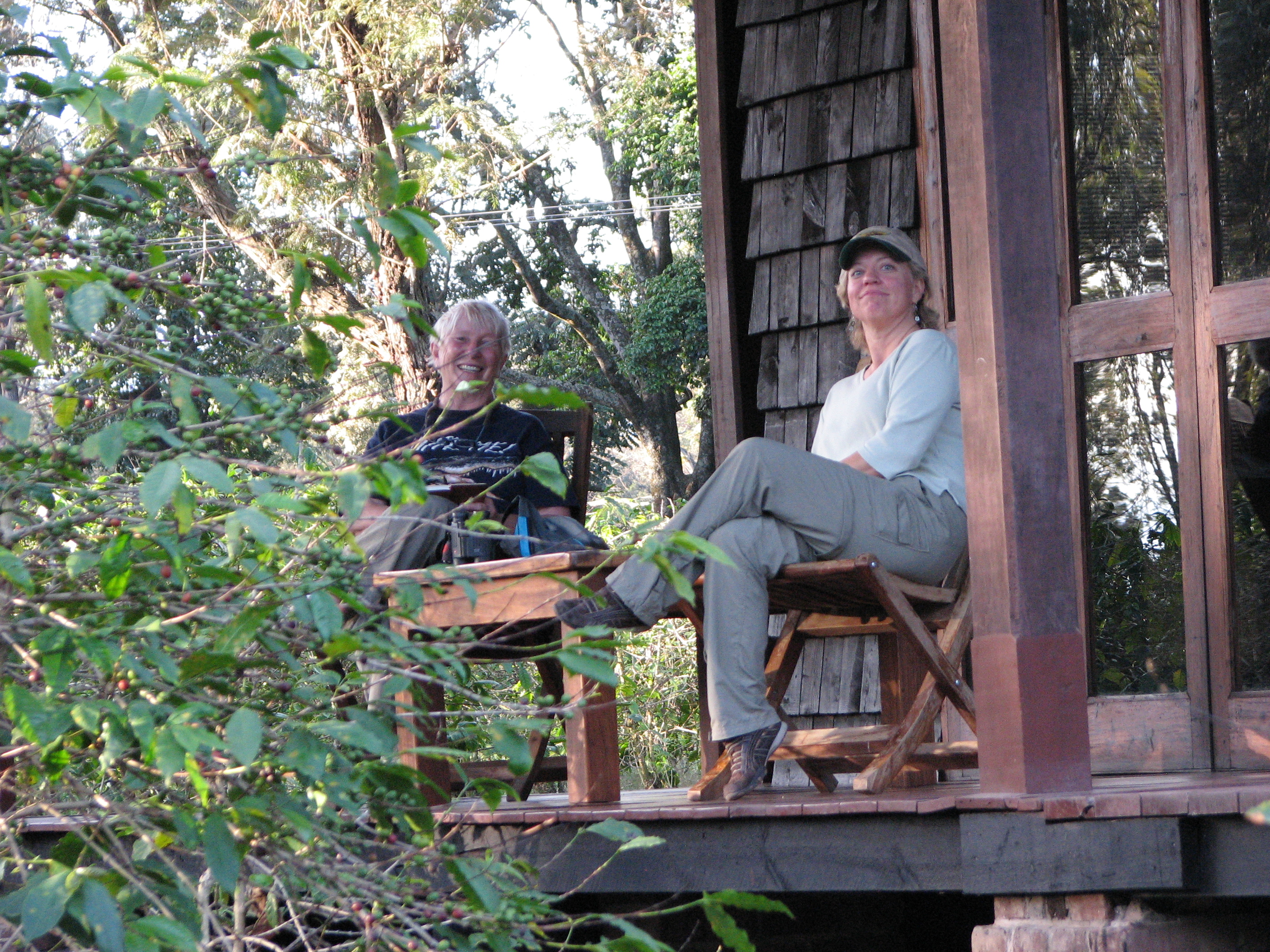
Kim and I in front of our Serena Lodge rondeval. -- Photo by Kim Perrin, using timer and tripod

An orchid growing around the lodge. -- Photo by Kim Perin

Finally, last night, she found a way to send me the originals that I can copy and use for this recap of our 2007 African safari. It would seem a shame to waste her efforts, and all my efforts downloading them this morning, to skip showing you at least a few of them.

I hope you enjoy. And tomorrow, I promise, we’ll drive to the Serengeti.

In addition to lions and elephants, Kim and I also took time for smaller things, like this awesome chameleon we watched as we ate our lunch. -- Photo by Kim Perrin

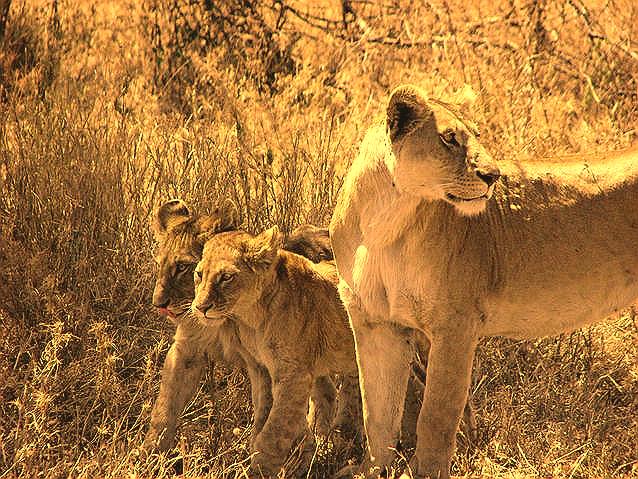
A mama lion and two cubs in Lake Manyara National Park. — Photo by Kim Perrin
 

Read Full Post »

 A Wild Race to Lake Manyara’s Park Gate

This was our first truly close-up look at an elephant. There would be many more before the trip ended. -- Photo by Pat Bean

“…nature has ceased to be what it always had been, what people needed protection from. Now nature tamed, endangered, mortal, needs to be protected from people.” – Susan Sontag

African Safari: The Ugly Poaching Business

There is no nighttime wildlife viewing in Tanzania’s national parks. That’s when the poachers come out, Bilal told us.

It used to be, he said, that the poachers made war on the park rangers, but now the park rangers are shooting back. And Tanzania doesn’t want tourists caught in the crossfire.

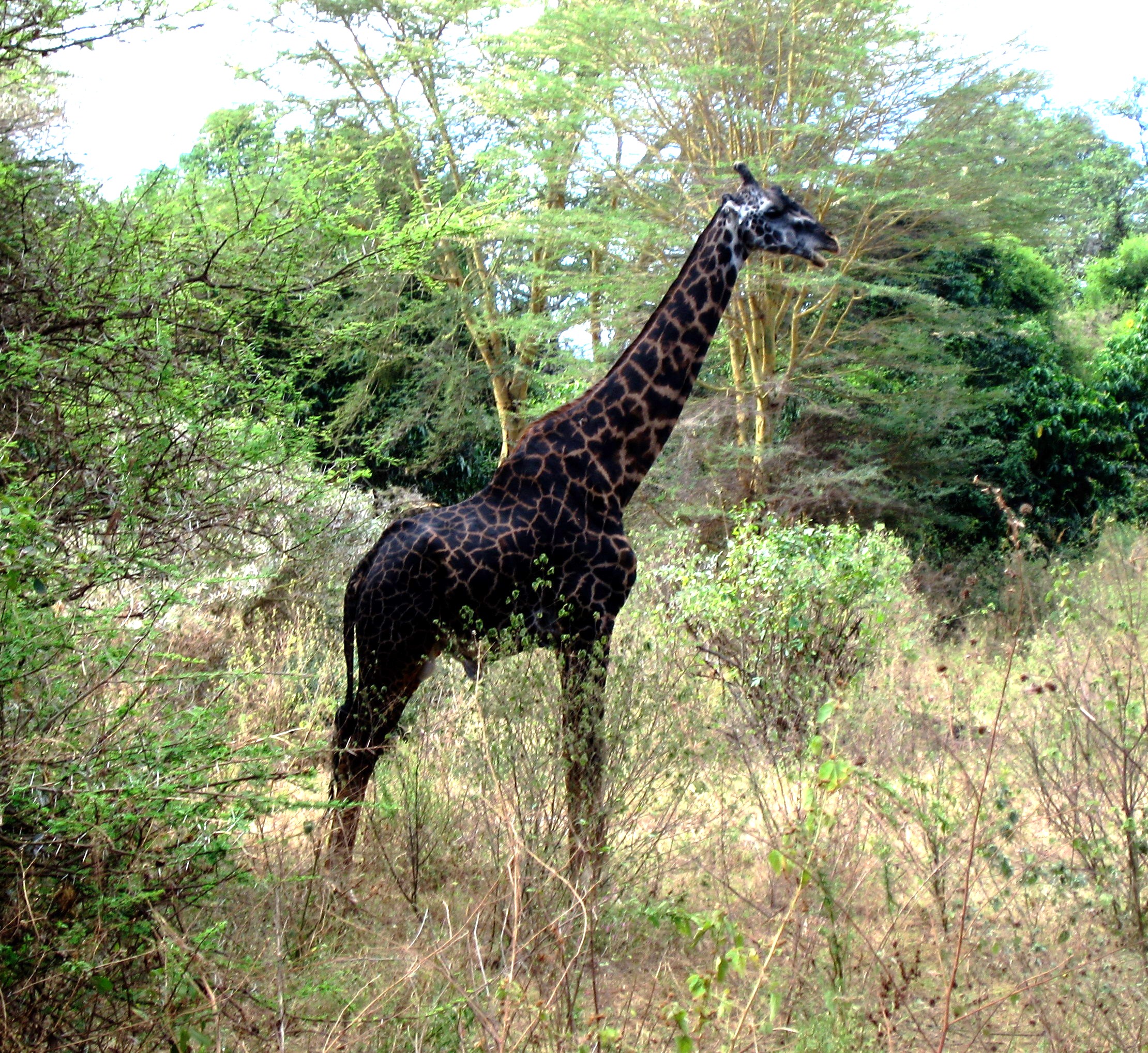
This is a Masai giraffe, the largest of the several subspecies of giraffe found in Africa. It is a bit darker than the other subspecies, has jagged spots and tuft of hair on its tail. -- Photo by Pat Bean

But despite the government’s crackdown, according to several recent news articles that I’ve read, poaching is still a major problem in Tanzania, as well as some other African countries, and in some areas is even increasing.

What Tanzania’s official crackdown on the illegal activity meant to us in 2007 was that the park closed its gates at 6:30 p.m. – and there was a big fine for not checking out of it by that time.

Perhaps because of some great last-minute sightings of an elephant dusting herself off and a mother giraffe with a young one that were too terrific to pass up, Bilal may have lost track of time. That was one of the great things about our guide. He always seemed as excited at watching wildlife as we were – well unless it was small, nondescript birds.

Anyway, all of a sudden Kim and I found ourselves being

Yellow-billed oxpeckers. We would see these on the backs of giraffes and water buffalo. -- Wikipedia photo

bounced around in the back of the Land Rover, holding on tightly but with grins on our faces, as a worried Bilal put the pedal to the metal in a race to get back to the entrance before the deadline. It was a deliciously wild ride that added a touch of adventure to our already full day.

We made it with two minutes to spare, and we could audibly hear Bilal exhale a sigh of release, and see the smile return to his face.

He slowed down for the drive back to our Lake Manyara Serena Lodge, and stopped to let us photograph our first spectacular African sunset.

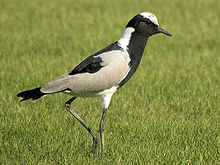
Blacksmith plover: We would see many of these during our drives across Kenya and Tanzania's grasslands. -- Wikipedia photo

I’ve heard artists and photographers talk about Africa’s great light, and now I was getting to see it for myself.

What a great day.

Bird Log of New Lifers: Little egret, white stork, sulphur-breasted bush shrike, common bulbul, tawny eagle, white-rumped swift, emerald-spotted wood dove, blacksmith plover, grey-headed kingfisher, Egyptian goose,

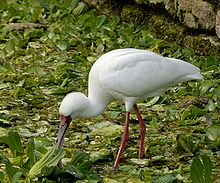
African spoonbill -- Wikipedia photo

black-headed gull, grey-headed gull, great cormorant, lesser flamingo, great white pelican, yellow-billed egret, yellow-billed stork, black-winged stilt, African spoonbill, pied avocent, two-banded courser, southern ground hornbill, yellow-billed oxpecker, fish eagle, long-tailed fiscal, silvery-cheeked hornbill, crowned plover, marsh sandpiper, Hilderbrant’s francolin, helmeted guinea fowl, dark-capped yellow warbler, great reed warbler, cliff chat , August 22 afternoon drive in Lake Manyara State Park.

Next: Drive to Serengeti National Park

Read Full Post »

Overview of Lake Manyara -- Wikipedia photo

There are no foreign lands. It is the traveler only who is foreign.” – Robert Louis Stevenson.

African Safari: A Morning of Firsts

These tall fellows that eat leaves shape the acacia trees so they look like umbrellas. -- Photo by Pat Bean

Our morning agenda, according to the carefully arranged plans detailed in the booklet of our journey prepared by the African Adventure Company, was a two-hour drive to the Serena Lodge at Lake Manyara for lunch.

Such a terse description now seems obscene.

On our way there, we saw our first lions, a mating pair, which made the sighting more special, even if it also made us voyeurs. We also got our first view of giraffes and cheetahs, the later being a mom with three youngsters.

New life birds, meanwhile, were coming into view so fast that I truly couldn’t keep

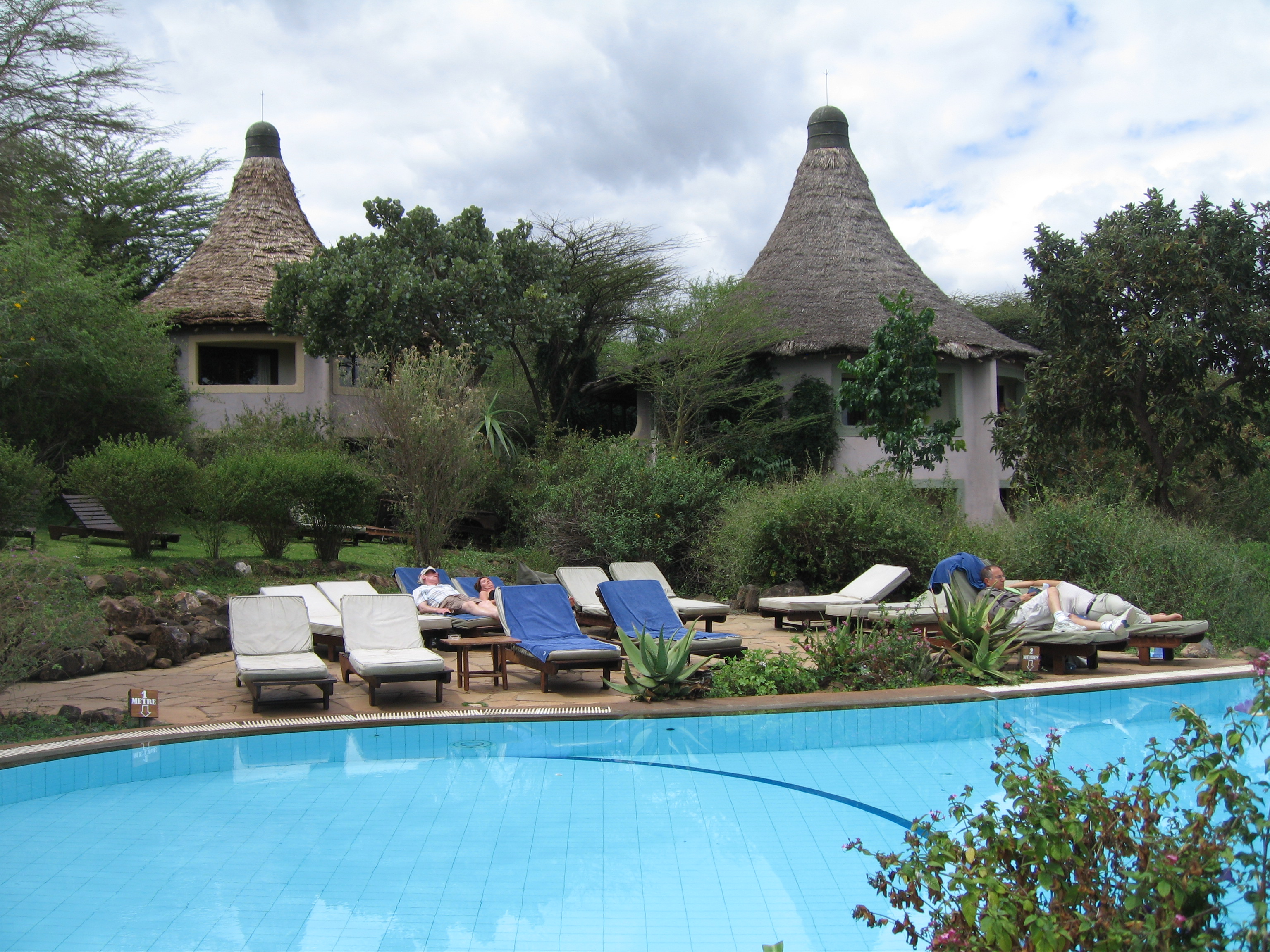
The Serena Lodge as viewed from the compound's pool. -- Photo by Pat Bean

up with identifying them. Bilal helped, but I later realized that while he was great at putting a name to the larger and more common birds, he was not quite as good at the smaller, obscure birds of interest only to crazily addicted birders like myself.

Lake Manyara, located along an escarpment of the great rift, and called “the loveliest … setting in Africa” by Ernest Hemingway, provides habitat to over 400 bird species, including marabou storks, which when I saw a flock of them in some overhead trees thought were the ugliest birds I had ever seen.

White-headed buffalo weaver -- Wikipedia photo

They were hanging about an outdoor market just outside the Serena Lodge compound. As we passed it, my attention was taken away from the birds to an exhibit of colorful African paintings. When I expressed interest in them, Bilal quickly cautioned us not to visit the market unescorted.

As we passed through a fence and guards to get to our accommodations, I realized that our safety was important not just to Bilal, but the country’s entire tourist interests. Harm to any one safari participant would mean bad publicity for business.

As beautiful as this superb starling is, it soon list its glamour because it was so common. We saw them everywhere. -- Wikipedia photo

The Serena Lodge, where we were to spend the night, was owned by India businessmen and staffed by local natives – as were most of the places we stayed at during our trip. It was a grandiose eye-popper.
Our rooms were circular, situated in tall, white-washed roundavels with thatched roofs. The structures sat on a cliff that provided panoramic views of the landscapes and wildlife below. A large swimming pool went right up to the edge of the escarpment.

Taita fiscal -- Wikipedia photo

Lunch was served in an outdoor setting, with birds frequently flittering about. It made for very distracted eating, but a perfect meal, especially with the bottled Coke we ordered to go with it. It was so much tastier than the ones we get in America.

Everything about the Serena Lodge was delightful, and everyone catered to our slightest needs. But the real Africa, both Kim and I knew, lay outside this guarded sanctuary where Bilal didn’t want us to go without him.

I had that decadent feeling again – but I was enjoying every minute of it.

Bird log of New Lifers: Augur buzzard, gray heron, yellow-necked spurfowl, black-shouldered kite, white-headed buffalo weaver, African gray hornbill, superb starling, northern white-crowned shrike, taita fiscal and marabou stork. (August 22, drive from Arusha Coffee Lodge to Serena Lodge near the main entrance to Lake Manyara National Park).

We also saw lots of cattle egrets, is a bird now common in North America, having first migrated to the United States from Africa in the 1940s. I would see many more of them on our wildlife outings while in Africa.

Next: An Afternoon in Lake Manyara National Park.

Read Full Post »

“A leaf fluttered in through the window this morning, as if supported by the rays of the sun, a bird settled on the fire escape, joy in the task of coffee, joy accompanied me as I walked.” Anais Nin

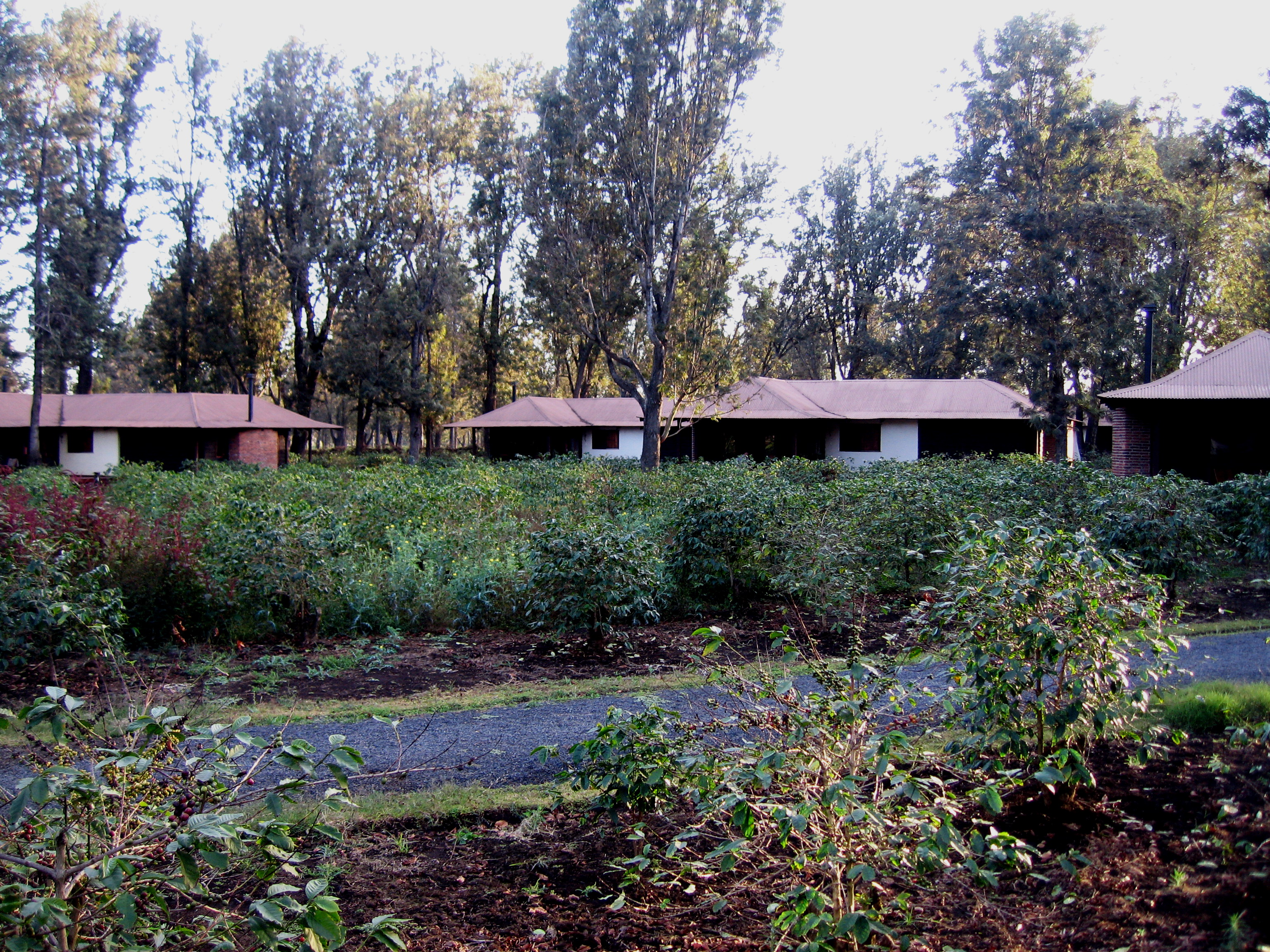
A rock path took us through the coffee plants to our luxurious suites. -- Photo by Pat Bean

African Safari: A Night Among the Coffee Beans

Our final destination for this our first full day in Africa was a working coffee plantation on the outskirts of Arusha, where we were warmly greeted after our chaotic ride with wet wash rags to wipe the dust from our hands and faces, and a delicious glass of iced coffee to soothe our parched throats. .

I immediately became addicted to African coffee, so much so that I usually drink nothing but whenever possible. In fact, as I’m writing this recap of my days in Africa – while also watching a pair of magpies investigating the picnic table beside my RV here at Lake Walcott in Idaho – I’m drinking a cup of it, generously laced with cream, right now.

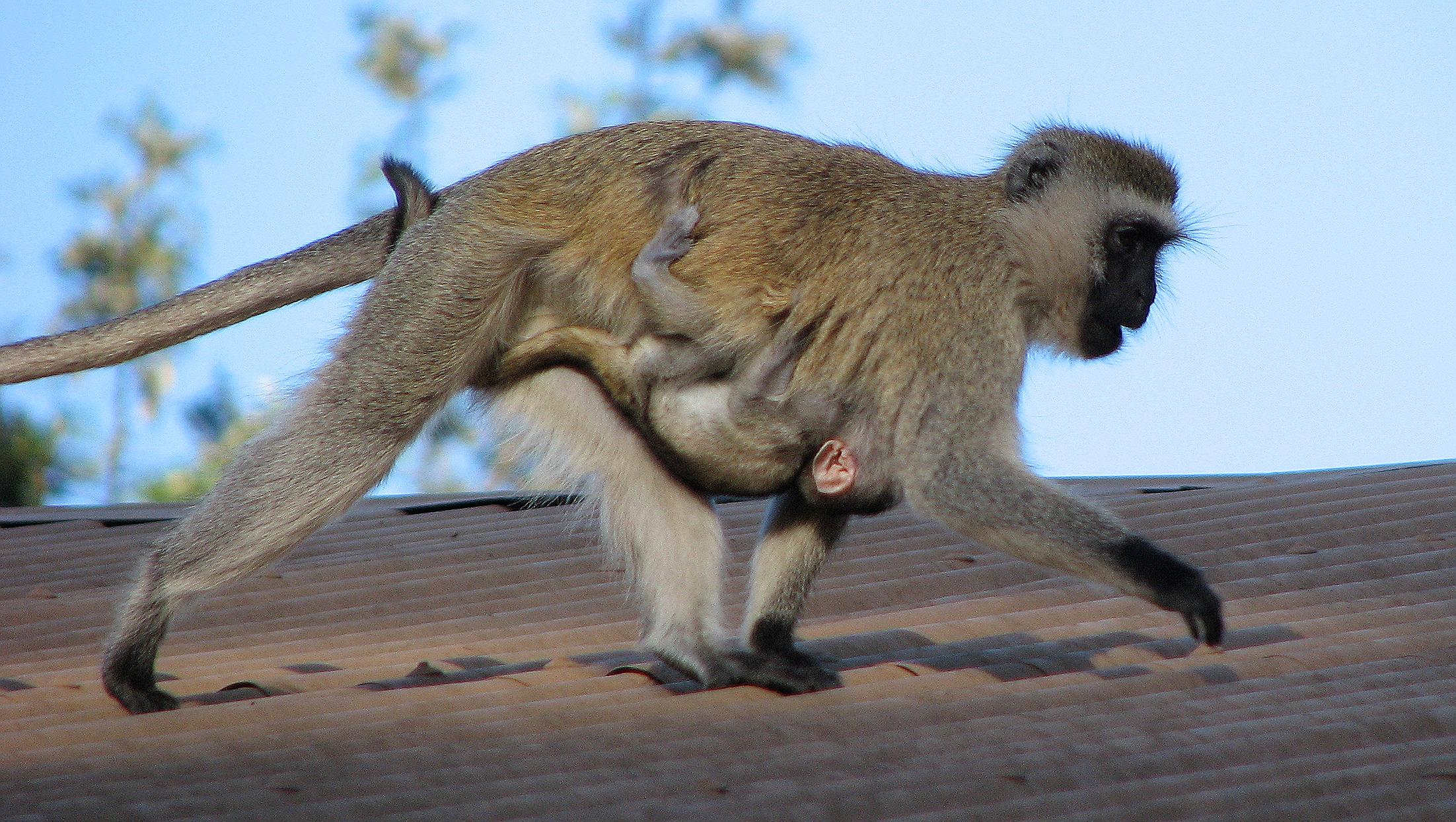
Vervet monkey mom with hitchhiking baby -- Photo by Kim Perrin

Life is good.

Back in Africa, meanwhile, after the greeting and the refreshment offered by our coffee plantation hosts, Kim and I were led to our assigned sleeping quarters, a large, bedroom, bath and sitting room duplex suite reached by a rock path that wound through the coffee plants.

Ours was No. 18, the last one to be reached. Beyond it was a dirt path that led to employee quarters for the coffee plantation, which, we were told, is the largest one in Tanzania. Our driver, before letting us off, said the operation was owned by Greeks, who once had a large community in the area.

Our six-course dinner that evening, served in the main lodge, was a formal affair. I can’t recall what we had, but I do remember it was delicious
Kim set the timer on her camera so she could get a photo of the two of us on the porch of our lodge accommodations.
Afterward, Kim and I walked among the plants – and the vervet monkeys. The black-faced agile climbers were delightful to watch as they scampered around on the roof tops. Our favorite was a mom carrying a youngster beneath her belly as she gadded about.

Back at our suite, we sat on its porch together watching birds, listening to what sounded like party noises from the employee quarters,  and then watching the sky for the stars to come out. While we were sitting there, quite enamored with our present state of being, a lodge employee came and sprayed our room for mosquitoes and arranged the insect netting around our beds.

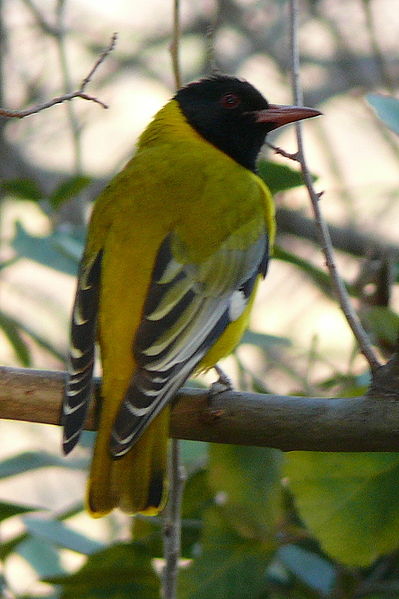
Black-headed oriole -- Wikipedia photo

I don’t know about Kim, but once I got beneath its filtered walls, I slept deeply. Life was really good.

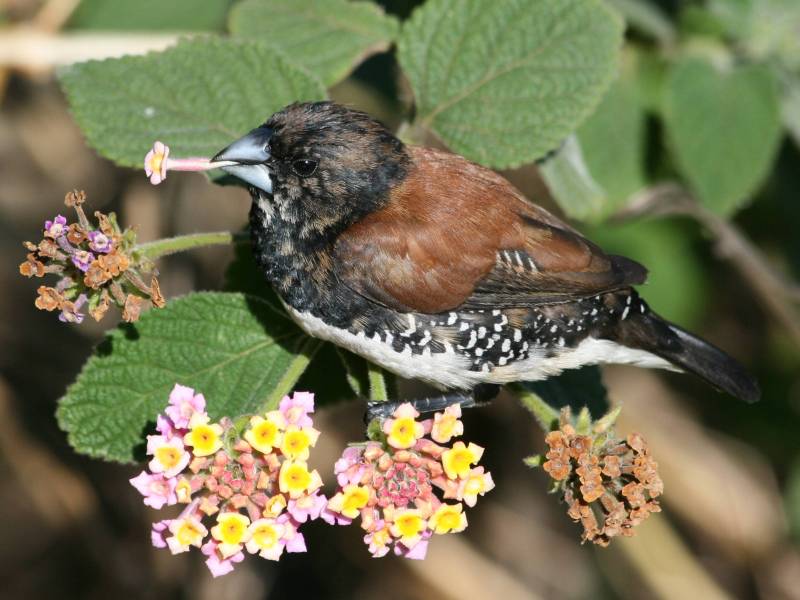
Rufous-backed mannikin -- Photo by Alan Manson

Bird Log of new lifers for the day: hadada ibis, baglaflecht weaver, pied crow, black kite, rufous-backed mannikin and black-headed oriole.

Next Episode: Our Native Driver/Guide, Bilal

Read Full Post »

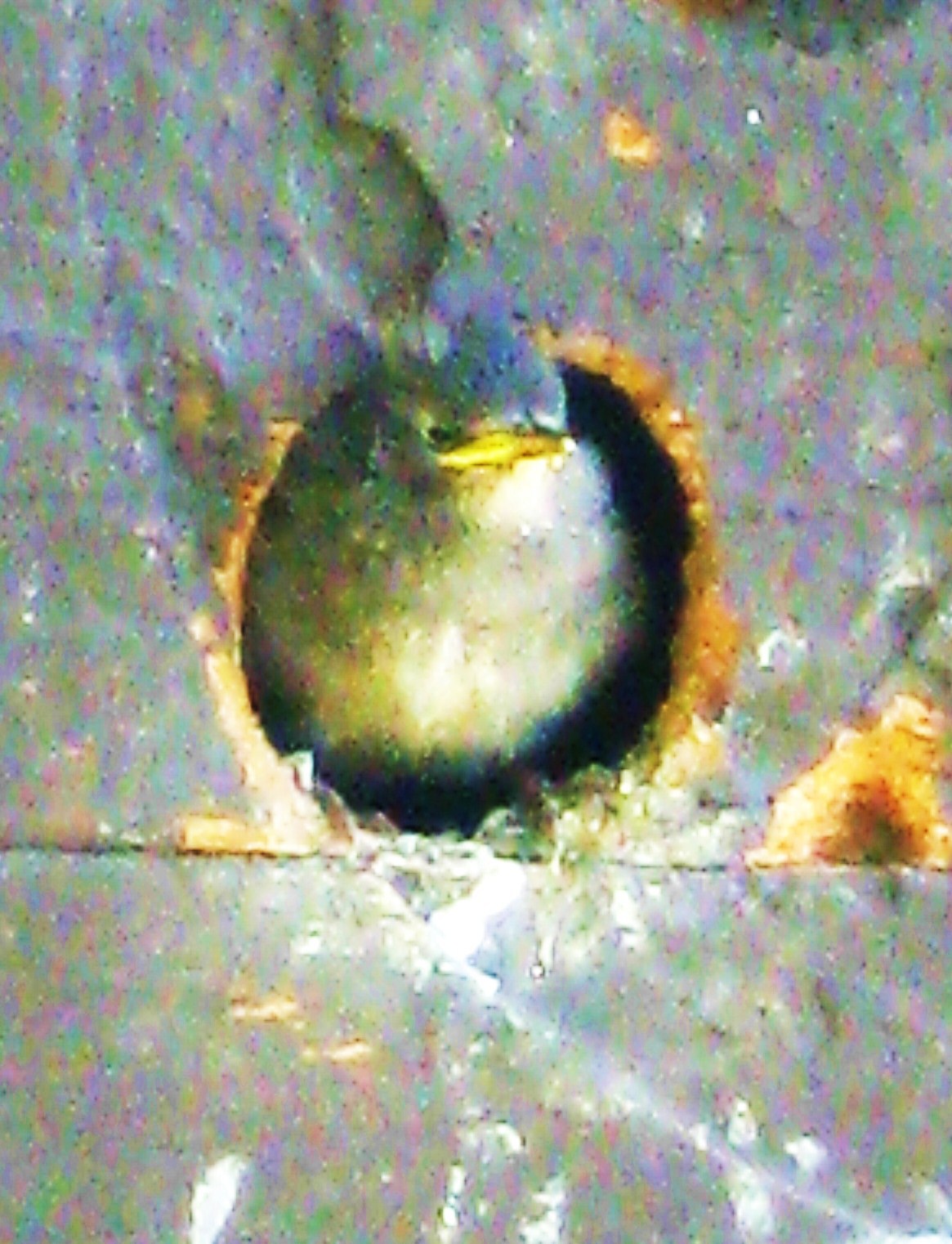
A starling chick getting its first look at the world. -- Photo by Pat Bean

“Now and then it’s good to pause in our pursuit of happiness and just be happy.” — Guillaume Apollinaire.

Travels With Maggie

I seldom get in funk, but that’s what I found myself in this past week. I’m not sure it was just my computer problems either. Thankfully Mother Nature stuck around to hold my hand and point out how precious every minute of life really is.

A pair of European starlings have been nesting in the self-pay kiosk here in the campground at Lake Walcott State Park. For weeks I’ve been watching as they disappear and reappear from a hole in the back of the small structure.

Yesterday morning I was rewarded with the end result of all the starlings’ hard work. I watched as a chick emerged from the hole for a look at the outside world. It sat on the rim of the hole looking amazed, and totally unafraid of the strange new sights.

It made me recall all the birds I saw in the Galapagos Islands that hadn’t yet, and hopefully never, been given reason to fear humans. I had a Galapagos mockingbird actually land on my shoe, and a blue-footed booby that refused to move off a trail to let me pass. I was the one who had to go around.

Later, when Maggie and I took our daily circuit around the park, Mother Nature continued to share her wonders with me.

Mother Nature is generous with her gifts here at Lake Walcott State Park. -- Photo by Pat Bean

The huge willow trees that were leafless when I first arrived in May are now bursting with lush green leaves that dip down to the ground. The frosty green Russian olive trees add texture to the park’s lively green landscape, while the flowering trees give it color.

Honking geese, giggles coming off rushing rapids on the Snake River that feeds the lake, screeching killdeer, rustling tree branches and cheery robins provide the musical background.

It’s as if Mother Nature is laughing at my funk and telling me to get over it. I heeded her advice.


Read Full Post »

« Newer Posts - Older Posts »