Feeds:
Posts
Comments

Archive for the ‘Birds’ Category

Surprise discover of a Marlin Perkins statue in a small Carthage, Missouri, park. -- Photo by Pat Bean


Travels With Maggie

“If we are strong, and have faith in life and its richness of surprises, and hold the rudder steadily in our hands. I am sure we will sail into quiet and pleasant waters for our old age.” — Freya Stark   

Marlin Perkins

 When you’re on the road, you know you’re going to visit the Mount Rushmores and the Niagara Falls. Perhaps, like me, you even do a little bit of research about these great places beforehand to enhance your understanding and enjoyment.

These mega-star travel sites, the Grand Canyons and the Old Faithfuls, are – and should be – musts on bucket lists. But it’s the little surprises along the way that give meaning to my journeys.

In Carthage, Missouri, one of these surprises was a statue in a small park. I asked my traveling companion, a single female traveler like myself whom I had hooked up with for the day’s outing at the Red Barn RV Park, whom the statue honored. She didn’t know, but she was as curious as I was to know the answer. So we stopped.

Nothing could have delighted me more than to discover the statue was Marlin Perkins. This gentle man’s exotic animal adventures on TV’s Mutual of Omaha’s Wild Kingdom back in the 1960s and early ’70s had fed both my love of nature and my wanderlust. A native of Carthage, Perkins was among the first to bring exotic wildlife into America’s living rooms.

The bronze statue of Perkins, created by Carthage artists Bob Tommey and Bill Snow, has him kneeling with a giant pair of binoculars in his hand. As a birder whose binoculars are never far from hand, I felt a renewed kinship with this man who loved and worked to protect nature and all that exists in it.

May I always remember to allows take time in my traveling schedule for such surprises.

Read Full Post »


Painted Wall of the Colorado's Black Canyon of the Gunnison with the Gunnison River flowing below. -- Photo by Pat Bean


Travels With Maggie 

  “As we become curators of our own contentment on the Simple Abundance path… we learn to savor the small with a grateful heart.” — Sarah Ban Breathnach –

Black Canyon of the Gunnison

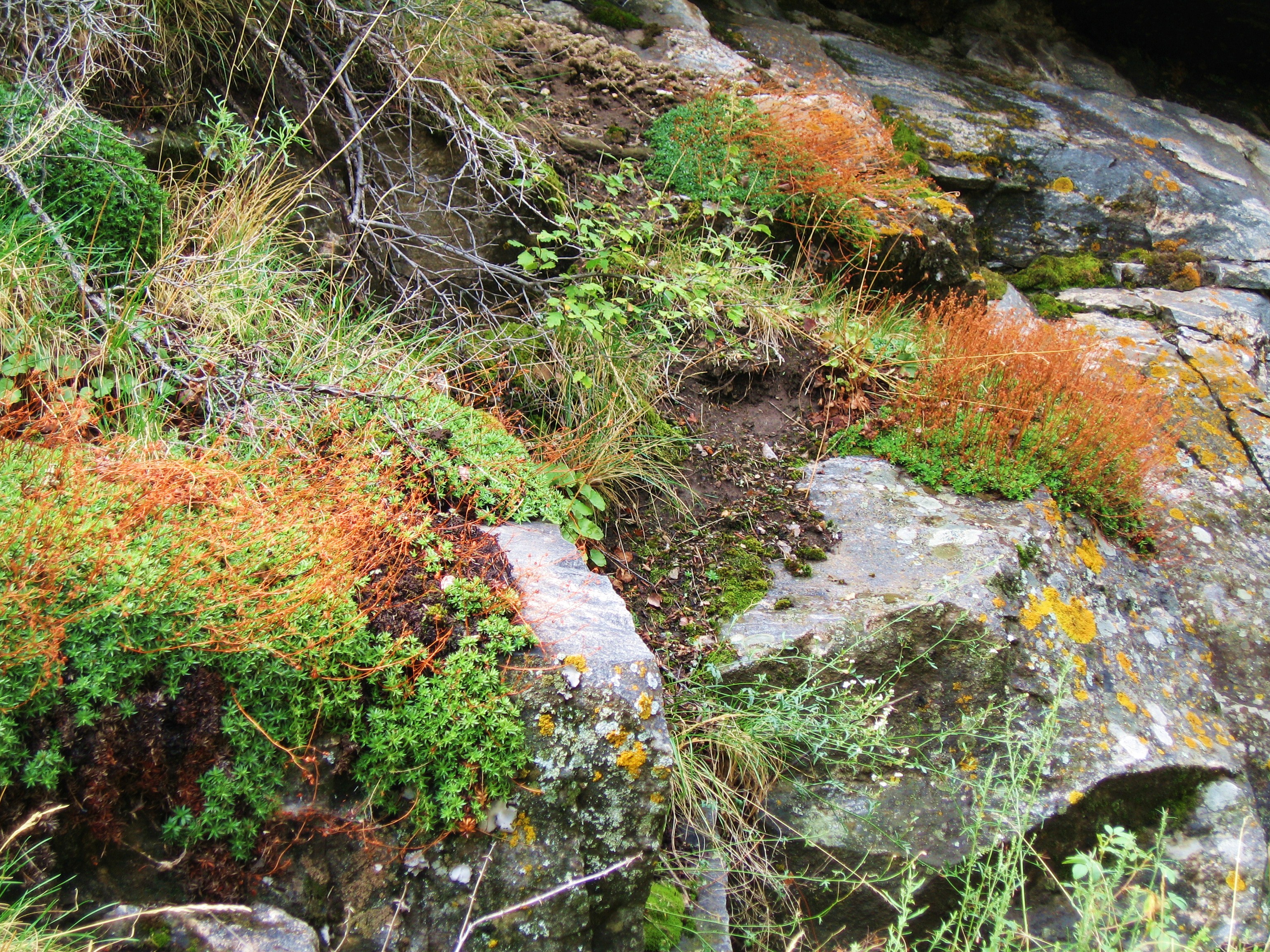
While visitors to Black Canyon of the Gunnison National Park may be awed by the deep narrow chasm carved by the Gunnison River below them – I certainly was – I didn’t forget to look right in front of my nose. I’m always amazed at Mother Nature’s more delicate landscape paintings, be it a single purple flower or a massive canvas of lichen, twigs, grasses, rocks soil and leaves.

I stayed in the park’s South Rim Campground, which has electrical hookups and is adjacent to a mile-long rim trail with excellent views of the canyon. Maggie and I encountered deer, squirrels and a marmot on our walks, while red-tailed hawks and turkey vultures flew above us.


I found the landscape of rocks and foilage painted by Mother Nature as awesome as the mighty canyon. -- Photo by Pat Bean

We even got a brief glimpse of a peregrine falcon flying in the canyon beneath us. Once nearly extinct, this speediest of birds has made a magnificent comeback.

Another hike took me along the canyon floor for a rendezvous with a boat, and a ride through the canyon, past a waterfall, on a ranger-led tour. Writing now about this visit to the park two years ago makes me want to go back.

Read Full Post »


An anhinga drying its wings. You'll be sure to see this bird along the Anhinga Trail. -- Photo by Pat Bean

Travels With Maggie

“There are no other Everglades in the world … Nothing anywhere else is like them … the racing free saltness and sweetness of the their massive winds, under the dazzling blue heights of space …. The miracle of the light pours over the green and brown expanse of saw grass and of water, shining and slow-moving below … It is a river of grass.” — Marjory Stoneman Douglas, The Everglades: River of Grass, 1947

Turtles and a cormorant face off for space along the trail. -- Photo by Pat Bean

Turtles and a comorant face off for space along the trail. -- Photo by Pat Bean

The 0.8 mile boardwalk trail is named for the anhinga, a waterbird that swims with only its long neck and head above water. This can give it the appearance of a snake about to strike, hence it’s nickname snakebird. We saw plenty of these birds along the trail, but many other birds as well.

If you go, be sure and stay on the trail. There are more than birds that call this area of the Everglades home.


Beware the jaws that snatch. Photo by Pat Bean


  Everglades National Park

Read Full Post »

Natural Falls -- Photo by Pat Bean


Travels With Maggie

“To be thrilled by the stars at night; to be elated over a bird’s nest or a wildflower in spring — these are some of the rewards of the simple life. — John Burroughs

Natural Falls State Park

The 1974 movie version of “Where the Red Fern Grows,” the story of the love between a boy and his dogs, was shot here where this 77-foot waterfall flows year-round. Trails take you both above and below this scenic Ozarks’ spot, which is located near where Cherokees were forcibly marched during the infamous Trail of  Tears in the 1830s.

I viewed it on a hot late spring day and relished the coolness that radiated from its flow.

The park is located off Highway 412,  six miles west of Siloam Springs, and has excellent full hook-up sites for RVs. If you can, plan to stay awhile.  


Read Full Post »


A sulphur cloud butterfly was still flitting when I reached Arkansas -- Photo by Pat Bean

“Time is a companion that goes with us on a journey. It reminds us to cherish each moment because it will never come again.” Captain Jean-Luc Picard.

And the Gardenia's were still blooming. -- Photo by Pat Bean


Travels With Maggie

Come take a jaunt with me, I asked, as I headed to Idaho’s Panhandle some seven months ago. Along the way I gathered new friends and five new life birds and enjoyed the company of old friends and all the other birds along the way.

I saw the gaping hole in Mount St. Helens that was created when the volcanic mountain blew its top. I fed wild turkeys from my hand and almost got blown to Kansas during a West Texas wind storm. I gazed at waterfalls and glaciers on Mount Ranier, took a boat ride on a deep lake where the Navy conducts submarine experiments, and survived a blowout in my RV.

Since leaving Texas in April, I’ve also put an extra 6,000 miles on Gypsy Lee, bringing her total now up to 112,000 miles that we’ve shared on the road together. Thankfully, she still acts like she’s got many more miles in her. I know I do.

Meanwhile, after seven months away it was good to see family again. My two daughters were first. I stopped overnight in Dallas after leaving Vernon to spend an evening with my oldest daughter. Then it was on to Camden, Arkansas, where my youngest daughter lives. I spent a week there babysitting three grandsons while their parents took off for business and pleasure to San Diego.

The boys – 9, 10 and 11 – and I had a great time. We rode bikes, skinned knees, played games and watched Disney videos together. It seemed as if their parents returned home much too quickly.


Grandsons Patrick, JJ and Tony look pleased with themselves after scrubing down Gypsy Lee for their Nana. -- Photo by Pat bean

But soon Maggie and my itchy feet were ready to return to the road. As Jack Kerouac said; “What is that feeling when you’re driving away from people and they recede on the plain till you see their specks dispersing? It’s the too-huge world vaulting us, and its good-bye. But we lean forward to the next crazy venture beneath the skies.”

 My travels will continue and you’re still welcome to come along.

Read Full Post »

  “A true friend is someone who thinks that you are a good egg even though he knows that you are slightly cracked.” — Nernard Meltzer

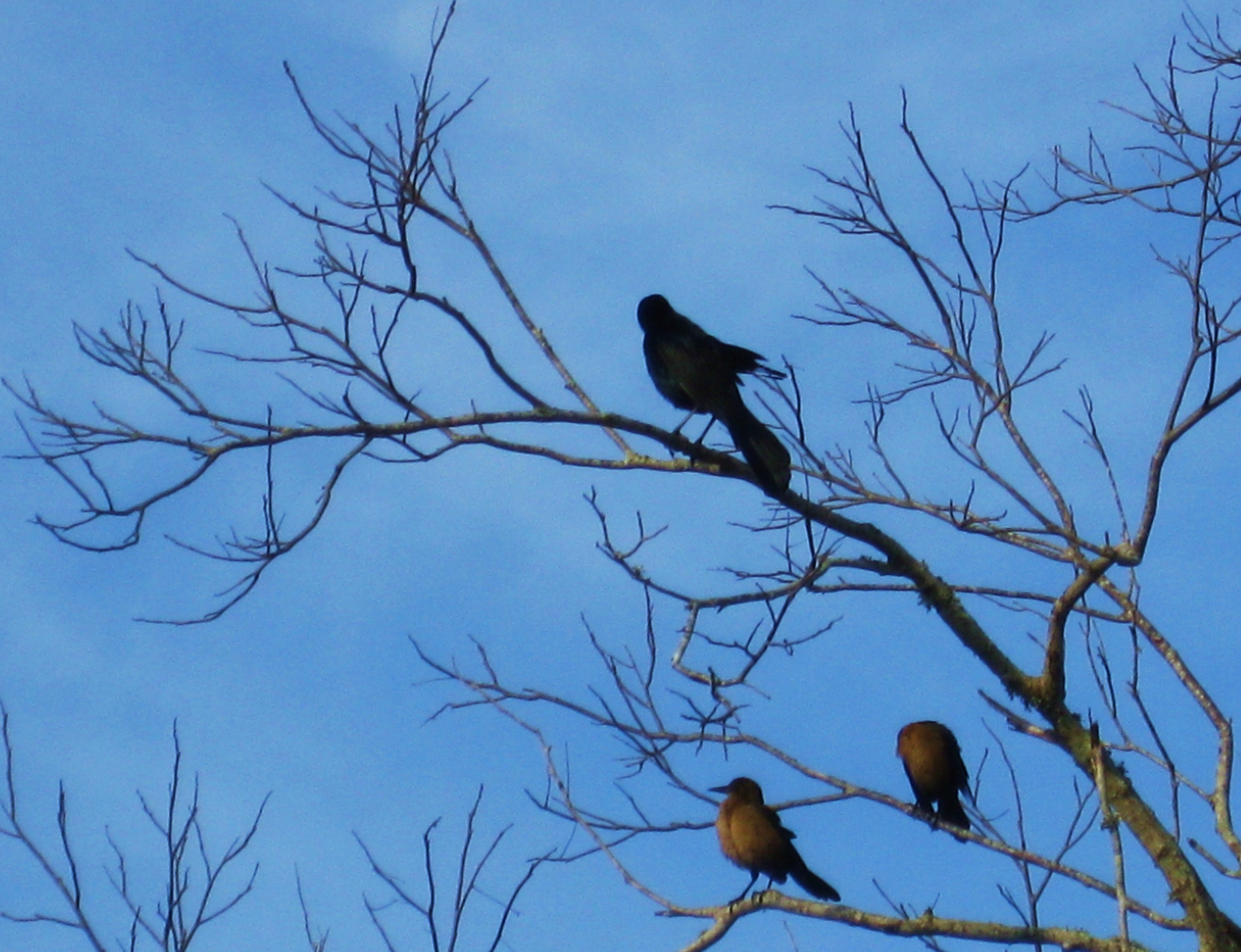
Great-tailed grackles entertain me while I eat my eggs. -- Photo by Pat Bean

Travels With Maggie

   My long-time Utah friend, Kim, cooks the best eggs I’ve ever tasted. Nothing fancy, just plain eggs cooked in butter. Her whites are solid and firm while her yolks are left soft enough to spread out over the plate when broken. The image of these beautiful eggs on a plate beside a piece of buttered toast that I would use to sop up the last drop of golden goodness flickered through my head during my walk with Maggie.

I think the golden sunrise I had just viewed made me think of the gooey roundness of Kim’s perfectly cooked eggs. Or it could be I was just hungry, I decided when the image stayed with me.

Now while I consider myself a good cook – as do my grandkids who urge me to cook for them when I visit – eggs have always been my nemesis. I either undercook the whites or overcook the yolks. I think it has something to do with my lack of patience. Even so, I knew I wanted eggs before I got back on the road for the 200-plus miles I needed to drive today.

I settled for my version of a quick egg breakfast for the road without leaving a single dish to wash up after the meal. I call it my King/Donald/Jack RV Breakfast.

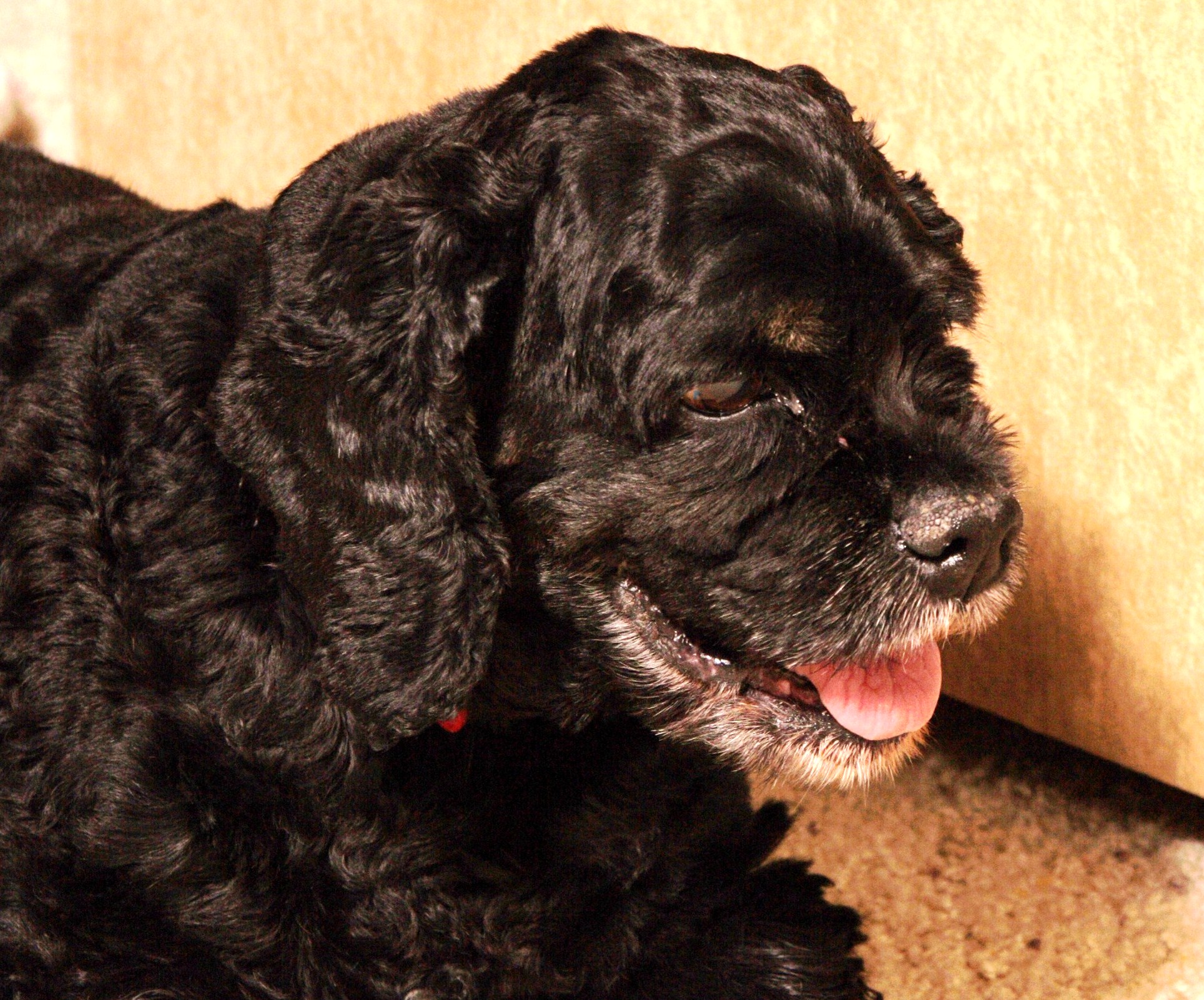
In a small sturdy paper bowl, I break three eggs and lightly scramble. Two are adequate unless you plan to share with a doe-eyed black cocker spaniel whom you know is going to drool as she watches you eat. To this I add two sliced cooked link sausages and a tiny bit of seasoned salt with garlic.

I pop the bowl in the microwave for one minute – covered with a second paper bowl that I use afterward to hold Maggie’s portion. In the meantime I pop two slices of whole grain bread into my toaster. When the minute is up, I take the bowl out of the microwave, stir it up (using a plastic throw away spoon) and add a bit of grated cheese and pop it back in the microwave for another 30 seconds, or until done to preference. I like my scrambled eggs soft and moist not dry.

Maggie waiting for the last bite -- Photo by Pat Bean

While this cooks, I butter my toast and put away the toaster. After giving Maggie her generous portion of the egg mixture, I laddle the rest onto the bread and sit at my table and stare out at the birds while I eat. Maggie always finishes first and usually gets the last bite of mine.
The dirty bowls and plastic silverware go into the trash and once again I find myself driving down the road. Almost before I get out of the RV park, Maggie is snoozing in her co-pilot seat beside me. We are both contented travelers.

                                                     Copyrighted by Pat Bean 

Read Full Post »


Vernon, Texas, sunrise -- Photo by Pat bean


 “To the dull mind nature is leaden. To the illumined mind the whole world burns and sparkles with Light.” –Ralph Waldo Emerson

Travels With Maggie

 The 304 miles I drove this day – from Clayton, New Mexico to Vernon, Texas – took me through cattle, oil and agriculture lands with only a few small aging towns scattered between. The exception was Amarillo, but I skirted around this large “Yellow Rose of Texas” city, so nicknamed because amarillo is the Spanish word for yellow.

It was a day when roadside birds were few and flat boring scenery dominated the landscape. In fact, the only interesting thing I recorded in my journal about this day’s drive was a sign I saw in Chillicothe, Texas, where a tinge of poverty pervaded everything. This sign let me know that not all had given up hope.

“Cute Texas stuff for sale,” it read. Not a bad sales ploy I thought. Texans do like to display native doodads.

Meanwhile, I did what I usually do when I have miles to go and scenery that becomes mindless. I put a book on tape in my CD player. The one of choice for this day was a recording of early Agatha Christie’s Hercule Poirot stories.

Before I knew it, I was pulling into the Rocking A RV Park in Vernon, This city of about 12,000, located on the Old Chisholm Trail and home of rock-and-roller Roy Orbison, had the only decent RV park for miles around.

That evening when Maggie and I strolled around the park, I looked out over an industrial site and though how drab it looked. Fortunately I looked again early the next morning. The above photograph changed my mind about the local scenery. Suddenly things didn’t look so dull at all.

Read Full Post »

  “Sometimes if you stand on the bottom rail of a bridge and lean over to watch the river slipping slow away beneath you, you will suddenly know everything there is to be known.” — Winnie the Pooh


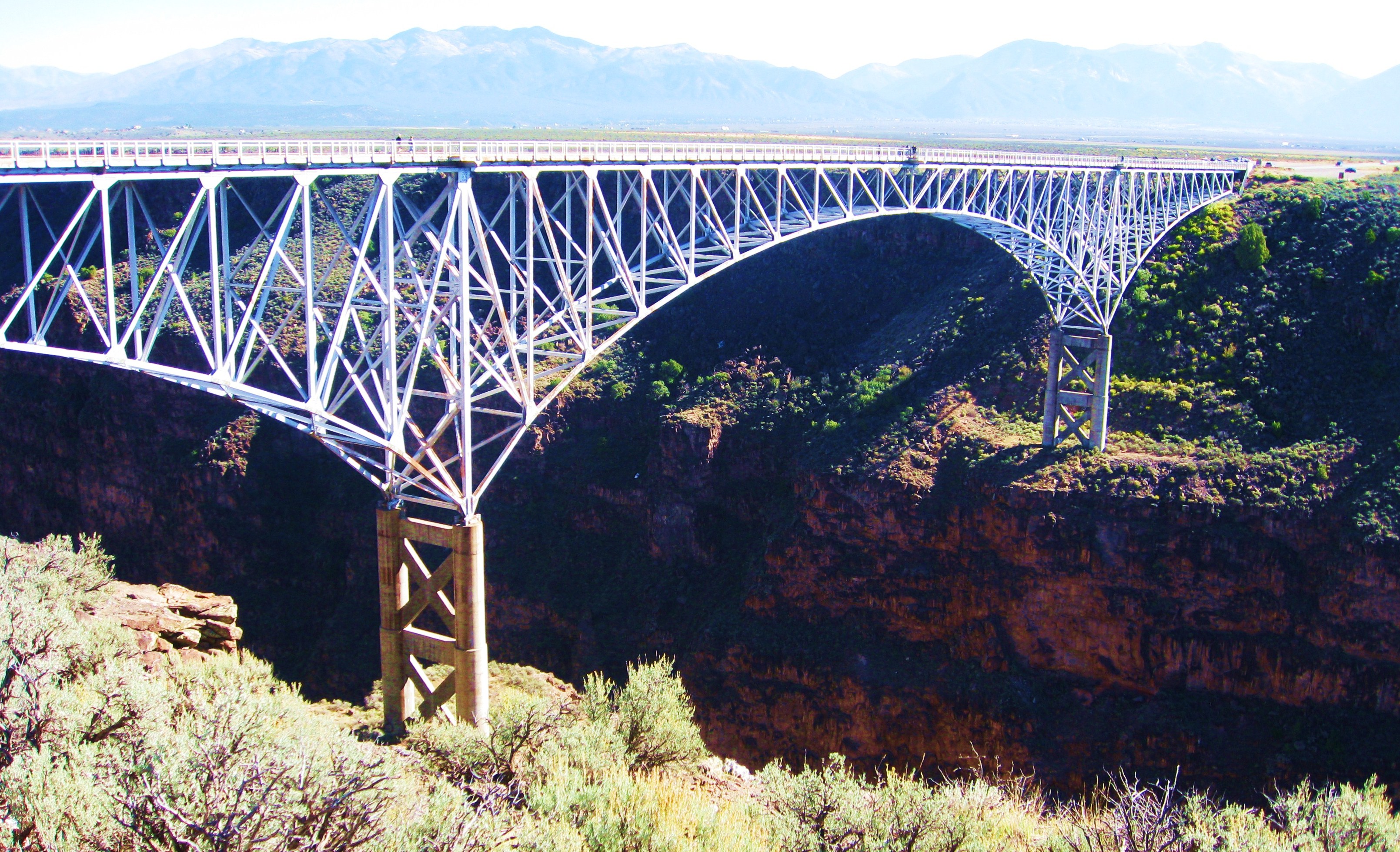
The bridge across the Rio Grande Gorge near Taos, New Mexico. The river 1,500 feet below is near the beginning of a nearly 2,000 mile journey to the Gulf of Mexico. -- Photo by Pat Bean


Travels With Maggie


Rio Grande Gorge State Park

Just a few miles past Taos, which I drove through without stopping, I came upon Rio Grande Gorge State Park. Here I did call a brief stop to my travels. I mean who can resist at least a peak at a 1,500-foot deep gorge – and a river that one knows is near the start of an almost 2,000 mile journey to the Gulf of Mexico.

As I looked down at the river from the park’s high, fenced overlook, I thought about a day at Big Bend State Park in Texas when a grandson and I had waded in its shallow warm waters and stared across it at Mexico. Most of the clear rushing water I was looking at below would never make it that far. Human development sometimes reduces the flow reaching the gulf to merely a trickle. Gypsy Lee settled in for the night in Clayton, New Mexico. Photo by Pat Bean

Soon, I was back on the road. I still had 150 more miles to drive before I could stop for the night. I seldom have such a long driving day, but on this trip I was facing a deadline to be in Arkansas to babysit three grandsons for a week – and I only had three more days to get there. 

I spent the night in Clayton, New Mexico, a small town where one has to drive 89 miles to the nearest Walmart, or so the desk clerk told me when she checked me in at the only RV park for miles around.

The town, a former livestock shipping center, sits along the old Cimarron Cutoff of the Santa Fe Trail. I had passed through Cimarron earlier in the day and had been seeing historic roadsigns since then telling me I was following the old cattle trail.

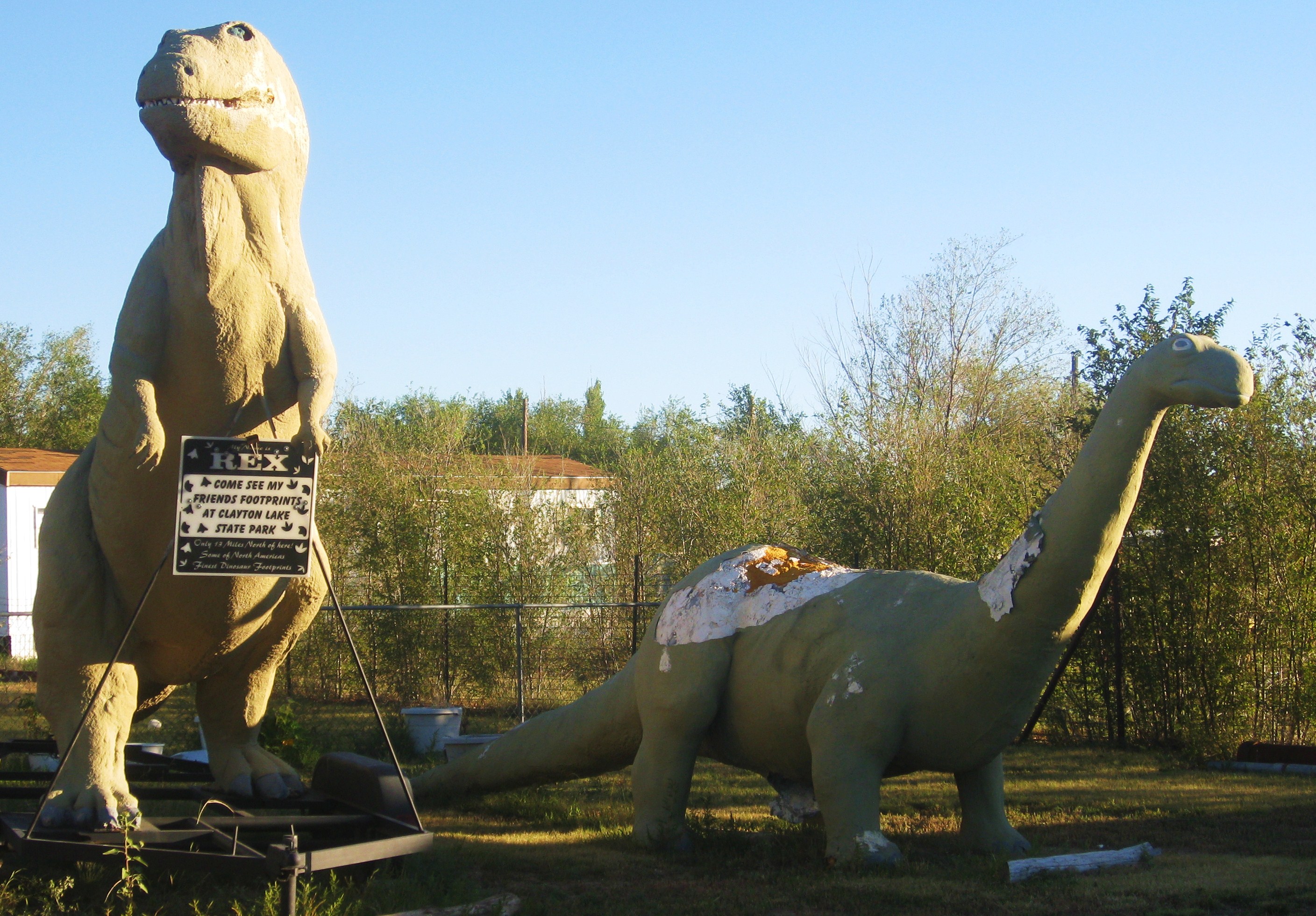
The Clayton KOA was a quiet, clean place with a run-down miniature golf course and dinosaur creations that had seen better days. I watched a croaking murder of crows fly past in search of a roosting spot as we took our evening stroll. Maggie sniffed around at the feet of the dilapidated dinosaurs, which advertised nearby Clayton Lake State Park where tracks of these prehistoric beasts attract passing tourists.


Statues showing their age advertise to visitors that dinosaurs once roamed the area. -- Photo by Pat Bean


Perhaps next time I pass through the area I wouldn’t be on a deadline and could do my own investigation of them. Dr. Seuss’ words: “Oh the places you’ll go, and the things you’ll see,” then flowed through my brain for the umpteenth time. I sighed – and added: “Too many places, too little time.”

Read Full Post »


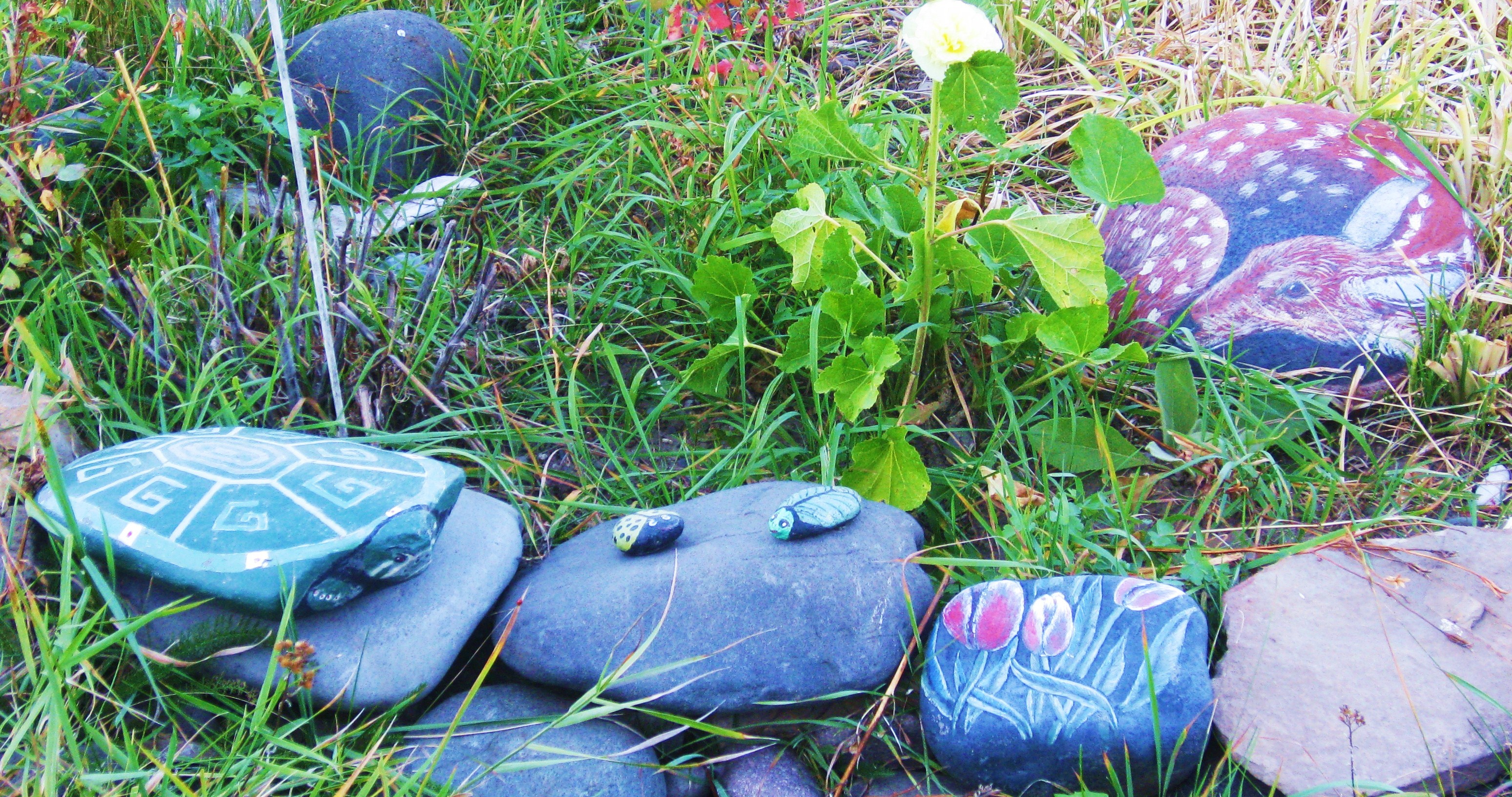
And the Fish

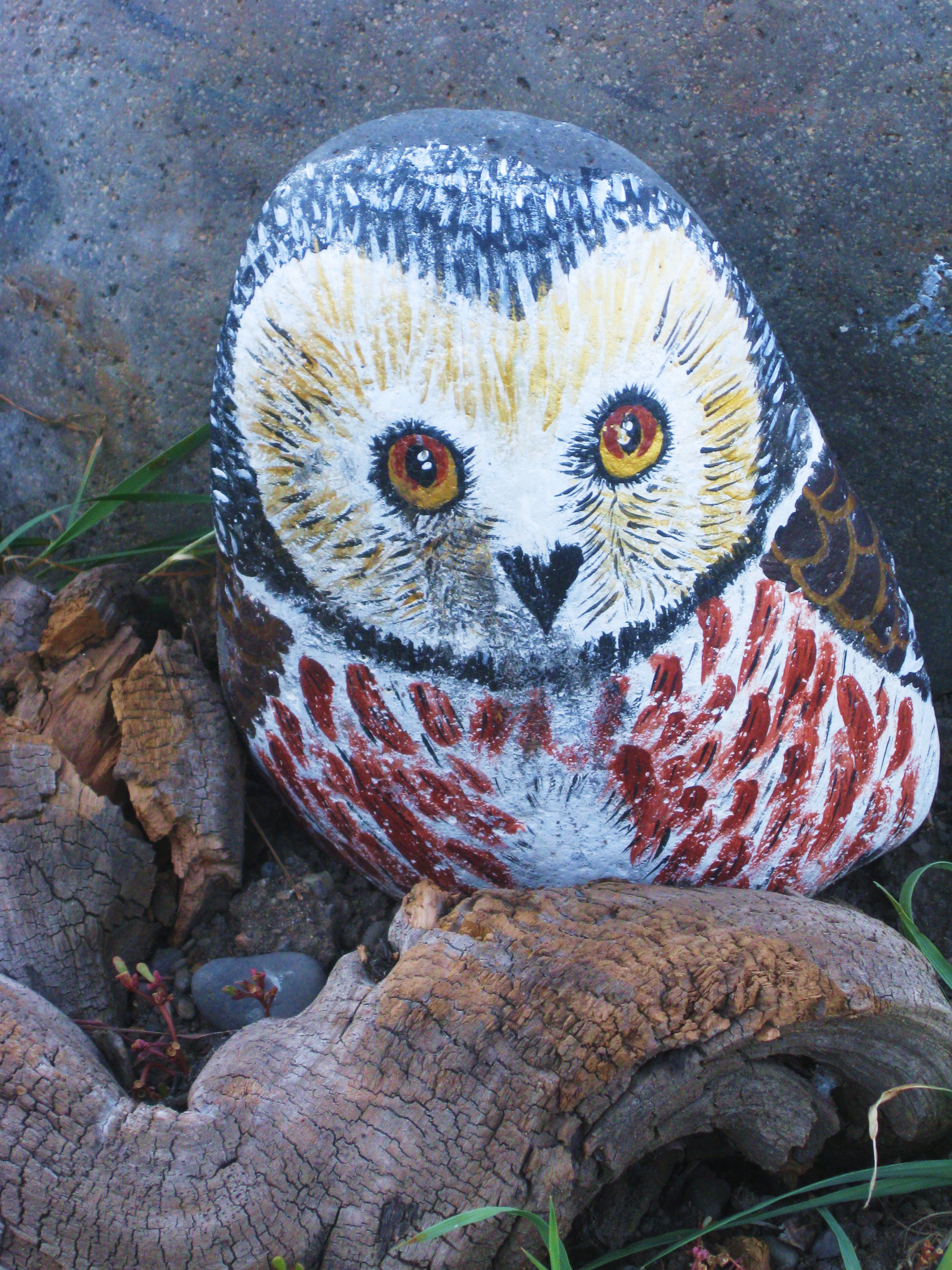
The owl

“He who postpones the hour of living is like the rustic who waits for the river to run out before he crosses.” — Horace

Travel’s With Maggie

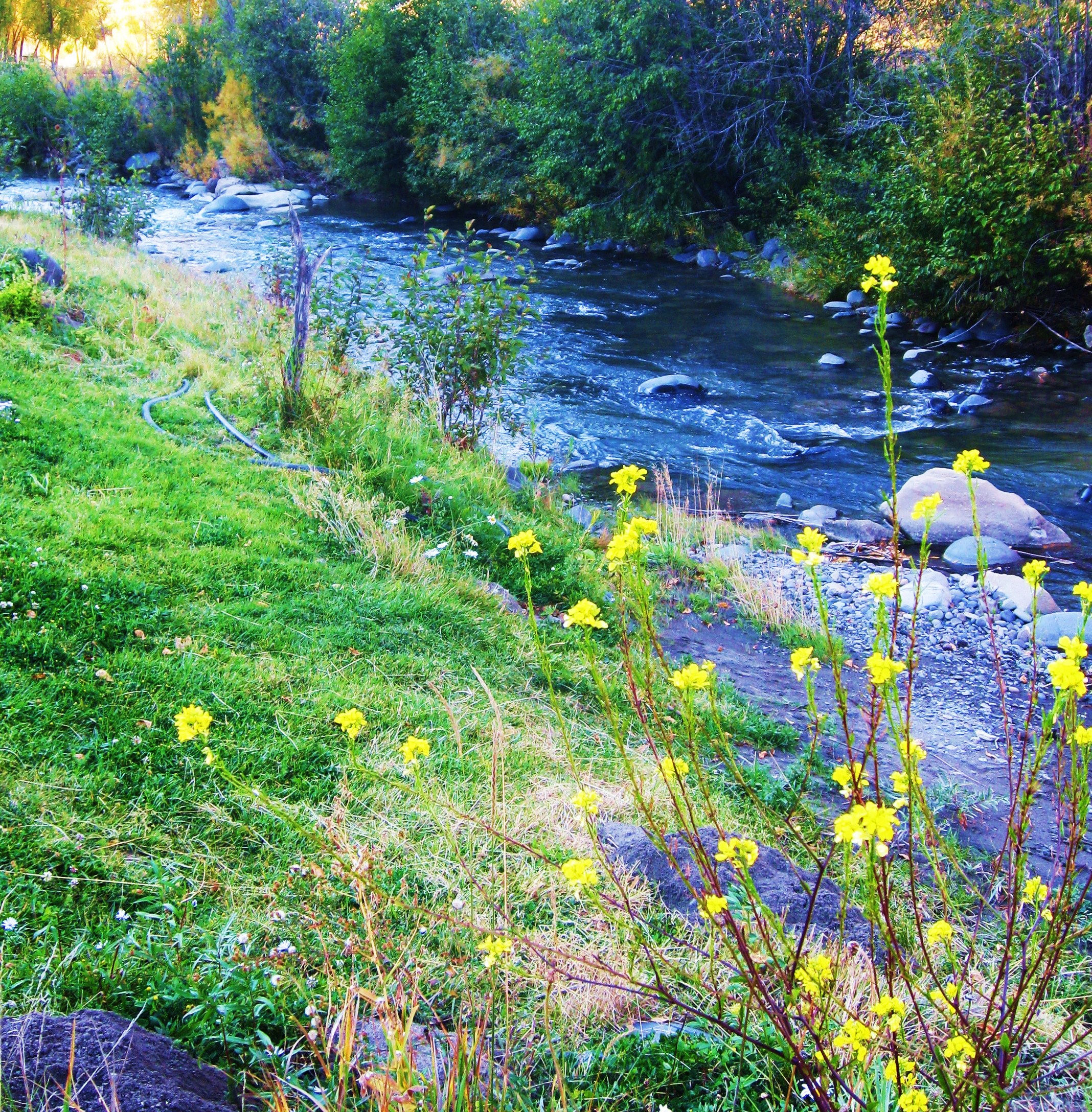
Today’s drive took me from Southern Utah’s red-rock high desert to Colorado’s San Juan National Forest. I spent the night at an RV park just outside of Pagosa Springs parked next to the Blanco River. It doesn’t get much better than this, I thought.

The Blanco River as seen from my RV window. -- Photo by Pat Bean


Our early September afternoon arrival left plenty of time for Maggie and I to take a hike along the river bank and among the wildflowers. Maggie kept her nose to the ground in search of exotic smells to follow, while I looked to the sky. A circling red-tailed hawk overhead drew my attention, as did a couple of chattering magpies in a nearby cottonwood tree.

I pity the poor person whose heart doesn’t skip a beat at the sight of this hawk’s red tail spread wide and flashing in the sunlight. On the other hand, I think some people pity my love for the playful but loud, long-tailed magpies they consider nuisance birds. Being a Texan not known for her quiet ways, I always feel these birds and I share a connection.

This would be the fourth time I had stayed at this Blanco River RV Park off Highway 84. It’s a welcome and convenient spot for campers traveling between Utah and Texas, a trip I’ve made annually since becoming a full-time RV-er. Each visit here has left me enchanted with both the setting and the little touches the campground owners have made to make the place special.

Modern day rock art -- Photo by Pat Bean

 I consider the rocks someone has painted and scattered about the park as fascinating as I find the pictographs and petroglyphs of earlier cultures.

 As I watched the sun disappear at the end of the day, a feeling of contentment oozed from my  pores. I realized I didn’t miss at all the fact that I had no phone, internet or television connections. Tomorrow would be soon enough to hook back up to the world.

Soon after, Maggie and I crawled into bed and went to sleep to the music of the river rippling over rocks.

Read Full Post »


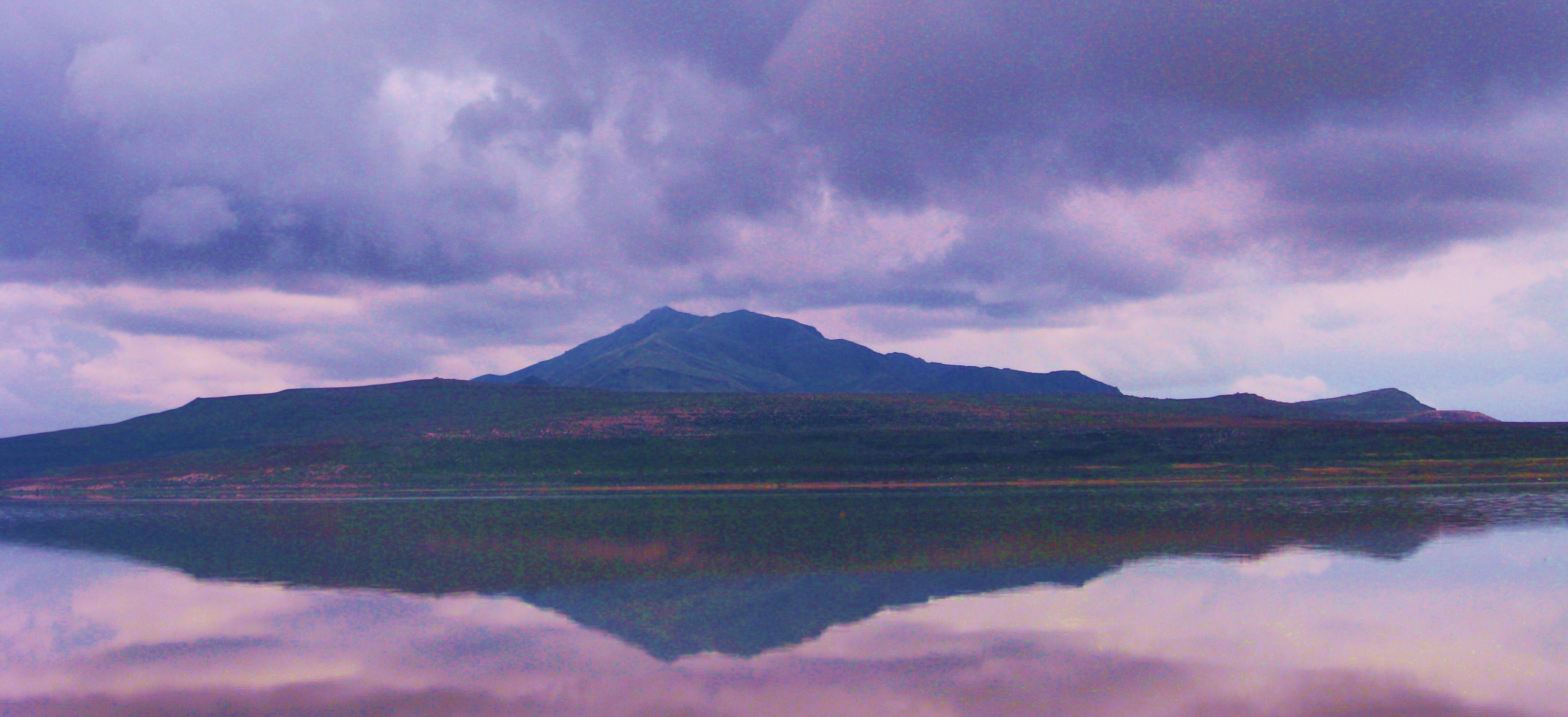
A view of Antelope Island, which appears moody this day. -- Photo by Pat Bean

Travels With Maggie

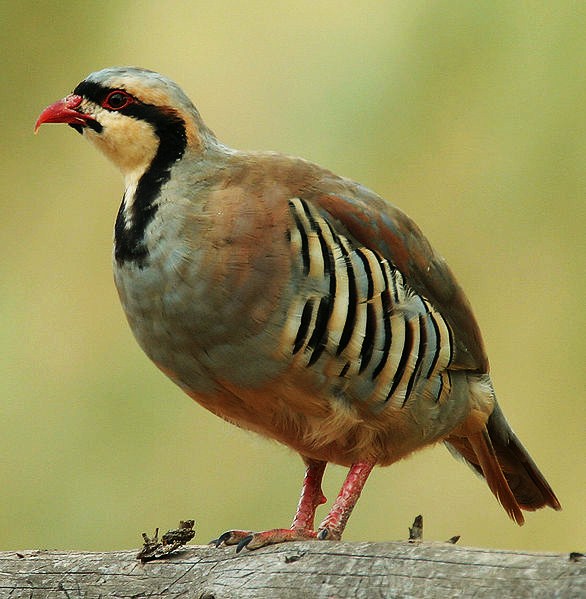
Antelope Island is a favorite place of birders wanting to add a chukar to their life list.

 Antelope Island is a 28,000-acre bird haven in Utah’s Great Salt Lake accessed by a seven-mile toll causeway. It is home to a thriving herd of bison, playful antelope, sly coyotes and prickly porcupines.

 Migrating warblers visit, as do shorebirds and ducks that feed on the surrounding lake’s tiny brine shrimp and brine flies. California gulls nest each year on the rocky outcrops along the shoreline, bald eagles drop by in winter, and every spring hundreds of western meadowlarks, with their brilliant golden throats and song, nest on the island. The males sit on a high perch to melodiously proclaim their brooding territory while the females sit on nests hidden so well in the grasses below that you can walk within inches of them and not know they are there.

I visited this island almost every single week for two years after I caught bird-watching fever in 1999. It was my birding 101 lab. And every time I go back home to Ogden these days, I make time to once again visit this protected — the entire island is a Utah state park — wonderland.

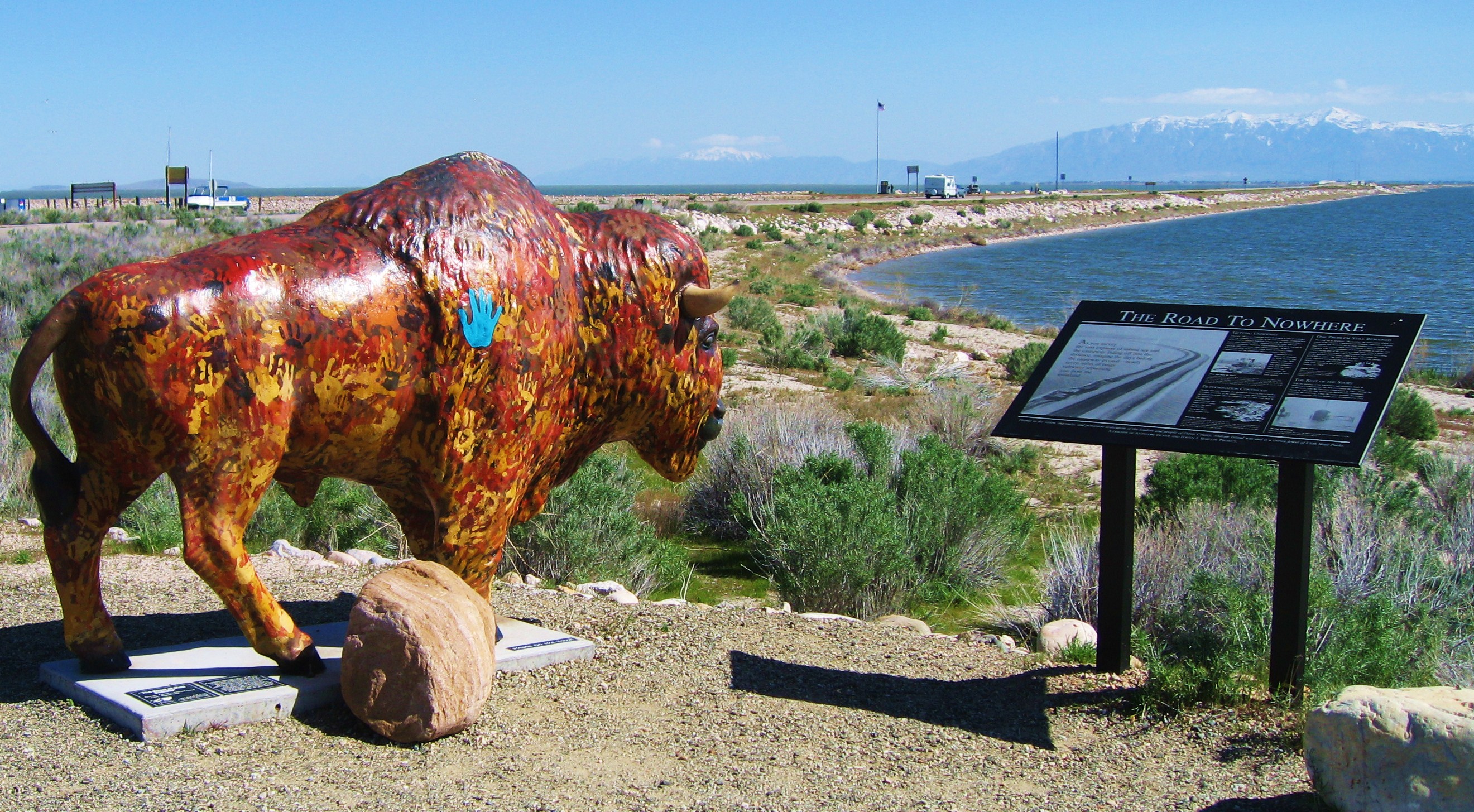
A buffalo sculture looks out over the lake. Photo by Pat Bean


While a live version takes a sandy bath. Photo by Pat Bean

This trip, the drive across the causeway was made with more land than water to the sides of me. Once again, Great Salt Lake is nearing the 1960s record low of 4,191 feet above sea level. In the mid-80s, it was at a record high of 4,212 feet. I was present during this latter period when its high levels and wind-pushed waves tore out the causeway to the island as well as chunks of Highway 80 that stretches across Utah’s Bonneville Salt Flats to Wendover, Nevada.

Now, 25 years later, I was getting to see it at its lowest. Was it Mother Nature’s drought and warm weather affecting the level, or was it the human diversion of water before it reached the lake driving the lake’s current low level? The question taunted the edges of my brain as I watched a pair of ravens circle overhead where the causeway curved. I wondered if these were the same ravens I had watched raise chicks in a huge nest several years earlier.

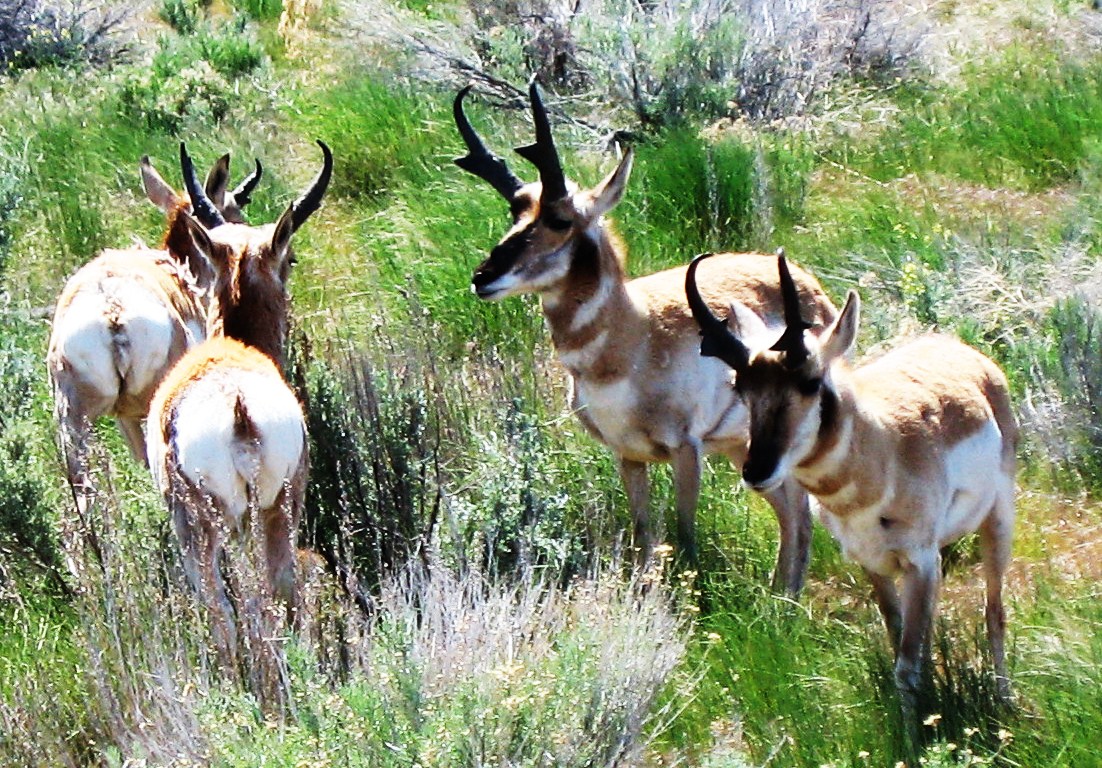
Antelope seen on the way to the island's historic Garr Ranch. Photo by Pat Bean

I spent four hours on the island this day. I watched with camera in hand as a buffalo took a sandy bath and kept my eyes glued to rocks for the sight of chukars surveying the landscape. Maggie and I took a hike around the point from the Bridger Bay Campground. Meadowlarks and red-winged blackbirds joined their voices to the drum beat of the lakes’s waves against the shoreline. I found the tune calming and marveled at the purepeacefulness of the day.

  While I still had questions and concerns about the lake and the island’s ever-changing future, Mother Nature’s magic was still all around me. I look forward to my next visit, and hope she can still be found.

Read Full Post »

« Newer Posts - Older Posts »