Feeds:
Posts
Comments

Archive for the ‘Birds’ Category

“The first step towards getting somewhere is to decide that you are not going to stay where you are. Take one step. Do one thing. Move, even if you don’t feel like it.” Katherine Misegades
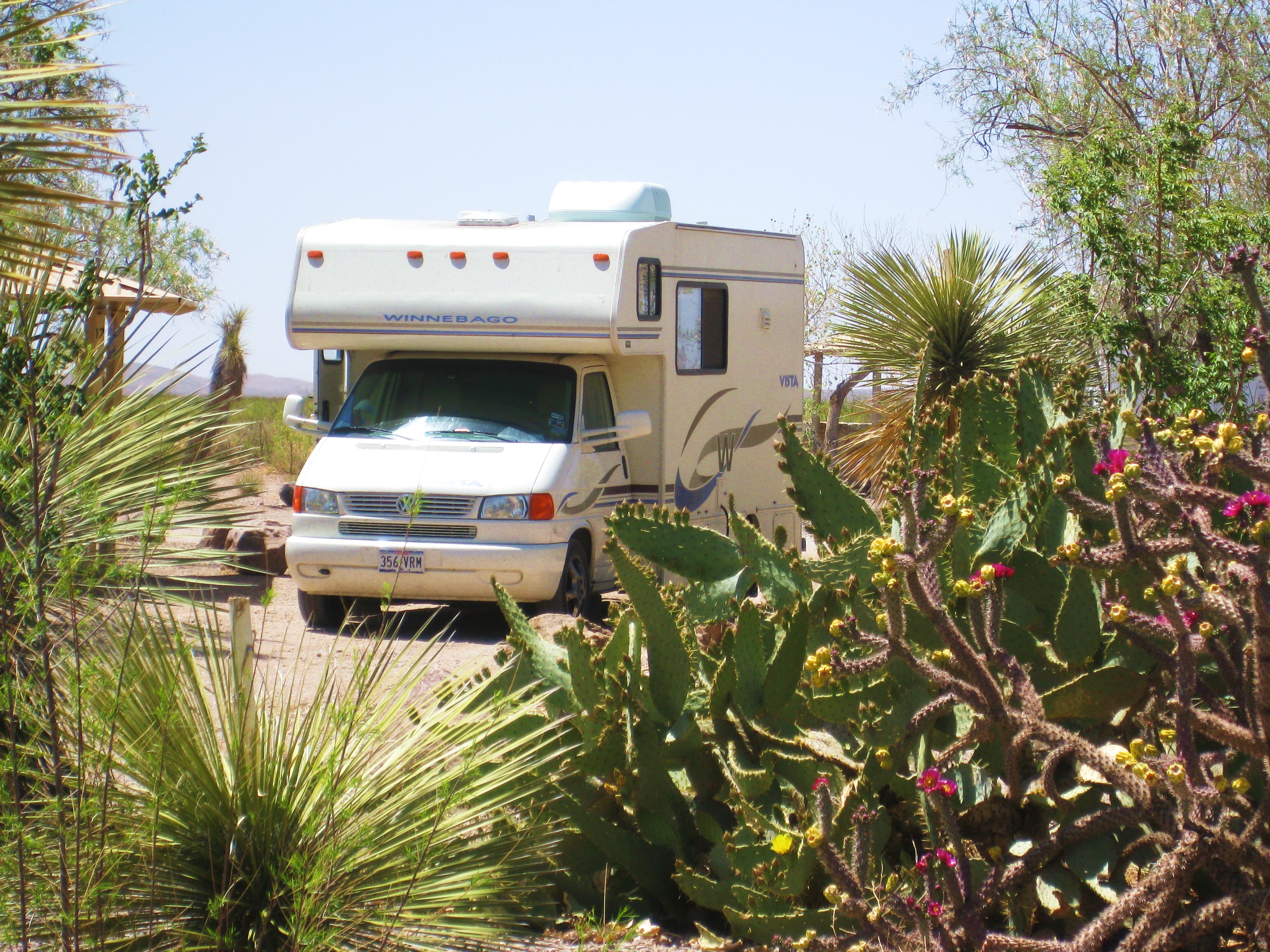
Gypsy Lee parked among the cacti at Pancho Villa State Park in New Mexico

Travels With Maggie

I’m going into my eighth year of full-time living and traveling in Gypsy Lee, my 22-foot RV that I bought in 2004 when I retired and sold my home.

My rootless life has allowed me to get to better know my five grown children, who scattered far and wide when they left home, including Japan, Korea, Canada, Egypt and Hawaii. There’s no question in my mind but that they inherited my want-to-see-the-world gene.

Jobs and financial realities meant we saw little of each other before I became rootless and could visit them, although not too long at any one place so as not to wear out my welcome. I mostly spend winters in Texas, where three of my children and nine grandchildren live. Summer, however, finds me heading north to both escape the heat and for a little bit of solitude, which I’ve discovered I need as much as I need people.
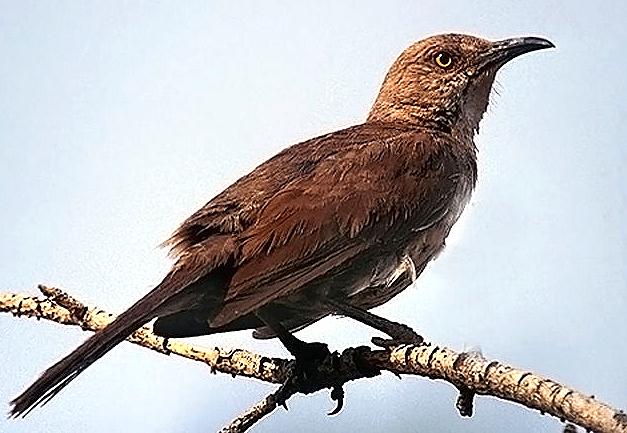
Curved-bill thrashers were plentiful at the park. -- Wikipedia photo

One of the other things I’ve come to appreciate most about my rootless lifestyle the past seven years has been the changing, always scenic and educational view out my RV window. I’ve found something awesome everywhere I’ve traveled, even in a crowded, cement-landscaped RV park in El Paso that was located right next to Highway 10’s whizzing traffic roar.

This campground was the first place I stayed in which I thought there was no hope to feel nature’s presence. But then I looked out my window and saw a family of Gambel’s quail parading past. It felt like Mother Nature had turned into Santa Claus and could find me anywhere I went.

My traveling companion, Maggie, and I spent the next night 85 miles west of El Paso at New Mexico’s Pancho Villa State Park, where Mother Nature’s presence was expected. She did not disappoint either Maggie, who had lizards to chase, or me, who had birds to watch.

Quail, thrashers, red-winged blackbirds and doves twitted about the park’s historical ruins and large blooming cacti.

And before I left the next morning, I had also made a new friend, another wandering/wondering old broad like myself; had learned that the park was located where Gen. Black Jack Pershing had launched 10,000 soldiers to chase insurgent Pancho Villa back to Mexico; and had glimpsed a bobcat lurking under a picnic table.

I wonder what the sights will be out the RV window as Maggie and I continue into our eighth year of rootlessness? Wouldn’t you?

Read Full Post »

 “These is no rule on how to write. Sometimes it comes easily and perfectly; sometimes it’s like drilling rock and then blasting it out with charges.” – Ernest Hemingway.

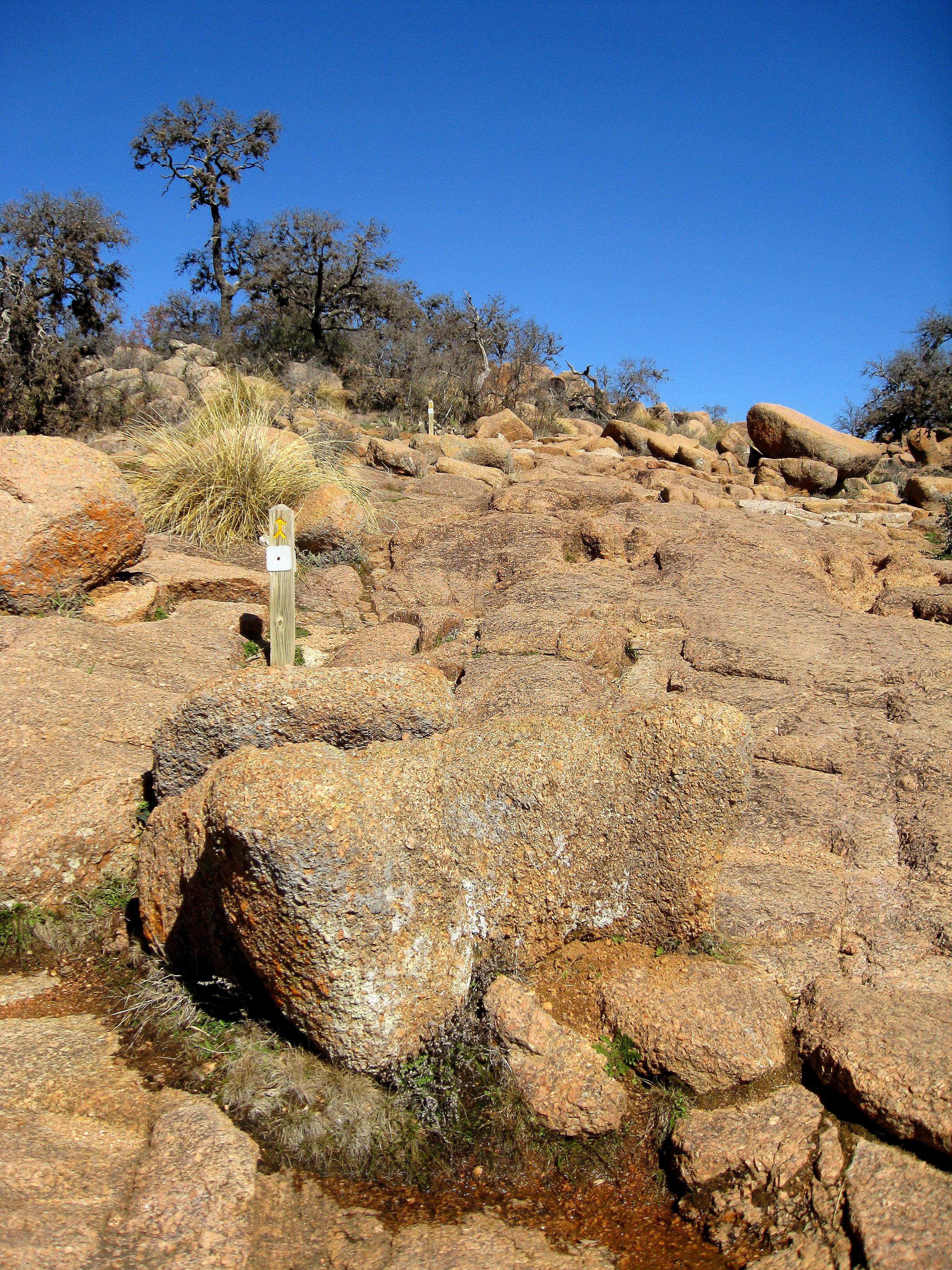
The trail to the top begins by crossing a tiny creek. While the landscape was brown toned, a result of both drought and winter, it still had an enchanting beauty. -- Photo by Pat Bean

Favorite Places

I suffered from writer’s block yesterday. I usually attribute this to procrastination, specifically of putting my bum down and my fingers on the keyboard. Almost always, if I do that, I find myself cured of the disease writers dread.

But when I came across Hemingway’s quote this morning, I realized this time the block was a result of my wanting to convey to you what my Friday scramble to the top of Enchanted Rock near Fredricksburg, Texas, meant to me.

And I didn’t want to tell you the truth, that I wasn’t Wonder Woman.

As hikes go, the trail to the top of this monadock, or kopje as they would call it in Africa, was just a bit over a half mile, and with an elevation gain of only about 425 feet.

I lost sight of these markers a couple of times and had to backtrack. -- Photo by Pat Bean

Until recently I wouldn’t have considered it much of a challenge. But age caught up with me last year, and a couple of painful, physical problems slowed me down to only short, mostly flat walks.

I cried, I ranted, I raved – and thankfully I didn’t accept my regular doctor’s words “that pain was just something that came with age.” While I knew there was truth in his words, I didn’t feel that time had come for me.

A rehabilitative specialist agreed, and two weeks after beginning physical therapy, I was practically pain-free again. My scramble following the ill-marked trail to the top of Enchanted Rock was the most challenging thing I had done in a year. I was out of condition and the hike up was slow-going – but I made it.

Standing on top, with the Texas Hill Country landscape laid out before me, let me indeed feel Mother Nature’s magic.

No footprints to follow, just keep going upward I told myself. -- Photo by Pat Bean

The hermit thrush that flew in front of me, the jumbled rock patterns that to me were as awesome as a museum painting, the awesome robin’s-egg-blue  sky above with wispy clouds drifting past, and the feel of the wind on my perspiring face were all part of the enchantment.

This is what I needed to tell you.

With the Internet at your fingertips, you can learn all the geographical, historical and even mystical facts about Enchanted Rock at your leisure. Facts come with their own magic, but you don’t need me to tell you those.

I know the day will come when my body will no longer take me to the places I want it to go. But thankfully it was not this day.


Read Full Post »

“A rare experience of a moment at daybreak, when something in nature seems to reveal all consciousness, cannot be explained at noon. Yet it is part of the day’s unity.” – Charles Ives.

Bird Talk

Greater roadrunner -- Photo by Joanne Kamo http://www.pbase.com/jitams

I bird when I drive. While I can’t identify every bird that comes in view through my windshield, I have learned the tricks to identifying many. A red tail glinting in the sunlight from a large overhead bird is most certainly a red-tailed hawk.

Brown birds with yellow throats that flash white on their tails as they dash away are meadowlarks. Kestrels present a hunched profile as they sit on wires. Northern Harriers have a broad white band on their rumps as they circle above, and mockingbirds flash white on their wings and tails as they swoop from one tree to the next.

Looney Tunes' version of the roadrunner

I saw all these birds and more this week as I drove through Texas’ Hill Country. They’re birds I see on almost every drive I take through the Lone Star State landscape.

What I don’t see often are greater roadrunners, like the pair I saw just outside of the Enchanted Rock State Natural Area on Friday. Since I don’t see them as often, the sight of them thrilled me more than did all the others I saw this day.

It’s sad that the rare bird takes the attention away from the more common, yet just as fantastic bird. It’s human nature – and of course we’re not just talking birds here.

The underdog: Wile E. Coyote as Looney Tunes saw him.

The sight of the roadrunners took me back to my childhood – and the Looney Tunes’ cartoons about Wile E. Coyote and the Roadrunner. The funny looking bird always came out on top, which is probably why I always rooted for the coyote. Back then I felt more in tune with underdogs than winners – most kids do, I think.

Today I root for them both. The roadrunner because I’m passionate about all birds and the coyote because I admire this animal’s will to survive in the face of human development.

The truth is I’ve actually seen more wild coyotes than I have roadrunners. The pair I saw Friday only brings my total sightings of greater roadrunners up to about a dozen. But since more of my birding is taking place in Texas these days, I expect that number will begin increasing.

Wouldn’t that be fun. Beep, beep!

Read Full Post »

The "Road" is calling. -- Photo by Pat Bean

“Not all those who wander are lost.” JRR Tolkien

Travels With Maggie

“Just can’t wait to get on the road again.”

If you’re a Willie Nelson fan and avid traveler like me, the above words should send a tune rolling through your head. The melody always begins rippling though mine when I start packing up my RV – which I’m doing this morning.

There’s few things that make me giddier than knowing I have “miles to go before I sleep.”

While I’ll just be traveling a short distance across the big state of Texas – from one child’s driveway to another child’s driveway – I ‘m going to take two days to do it.

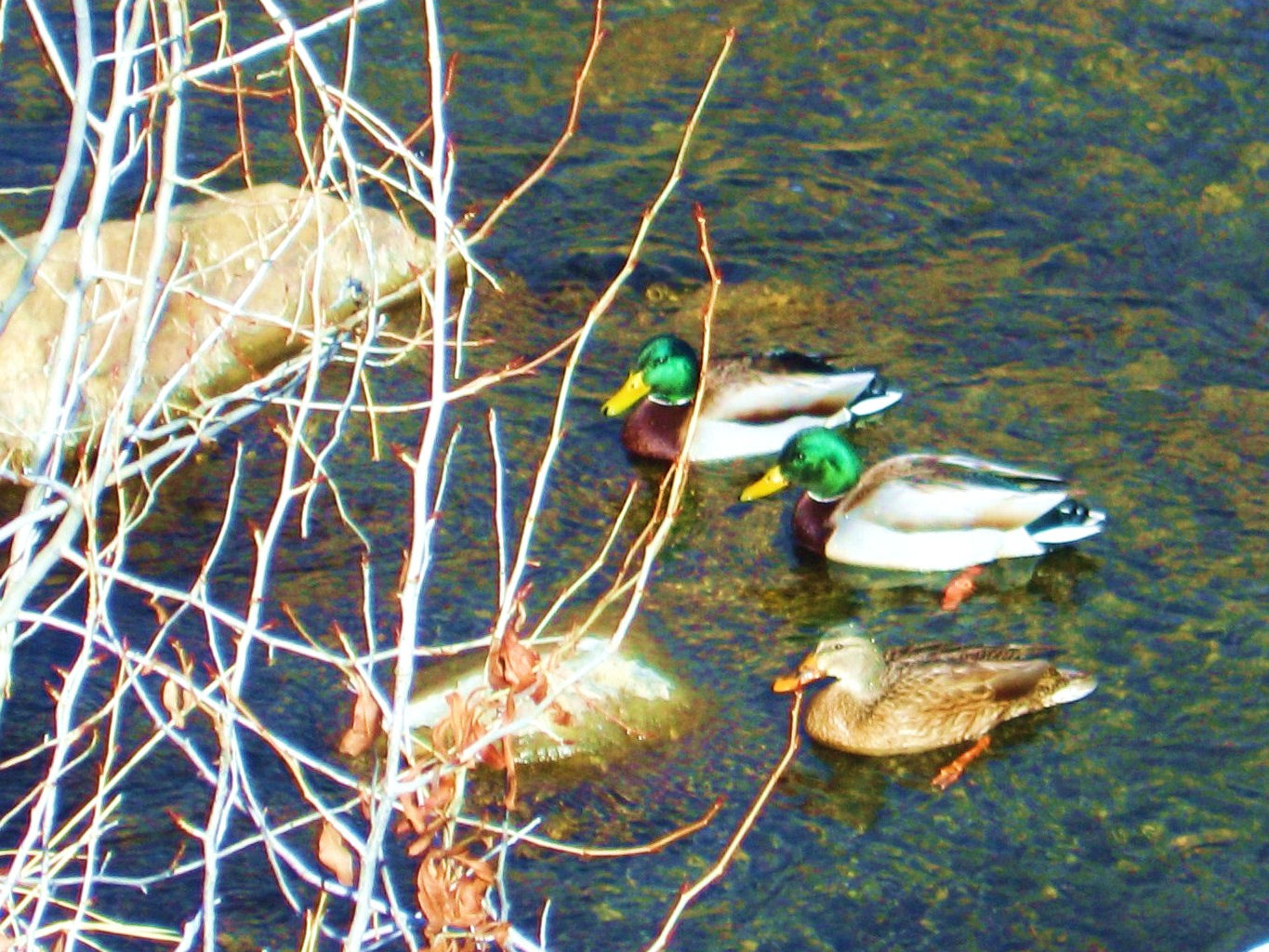
A trio of web-footed friends -- Photo by Pat Bean

Better yet, I have a sight-seeing agenda of places I haven’t seen before planned for the drive. I could care less that I will be taking a 150-mile detour on what would have been just a 240-mile trip.

Maggie, familiar with the packing up routine, is already claiming her co-pilot’s seat.

So since she and I “just can’t wait to get on the road again,” today’s blog is going to end now. like the song I sang as a kid to the tune of Sousa’s “Stars and Stripes Forever.”

Remember?

“Be kind to your web-footed friends, for a duck may be somebody’s mother. Be kind to your friends in the swamp, where the weather is always damp. You may think that this is the end. Well it is.”

Read Full Post »

 “It doesn’t matter if the water is cold or warm if you’re going to have to wade through it anyway.” – Teilhard de Chardin


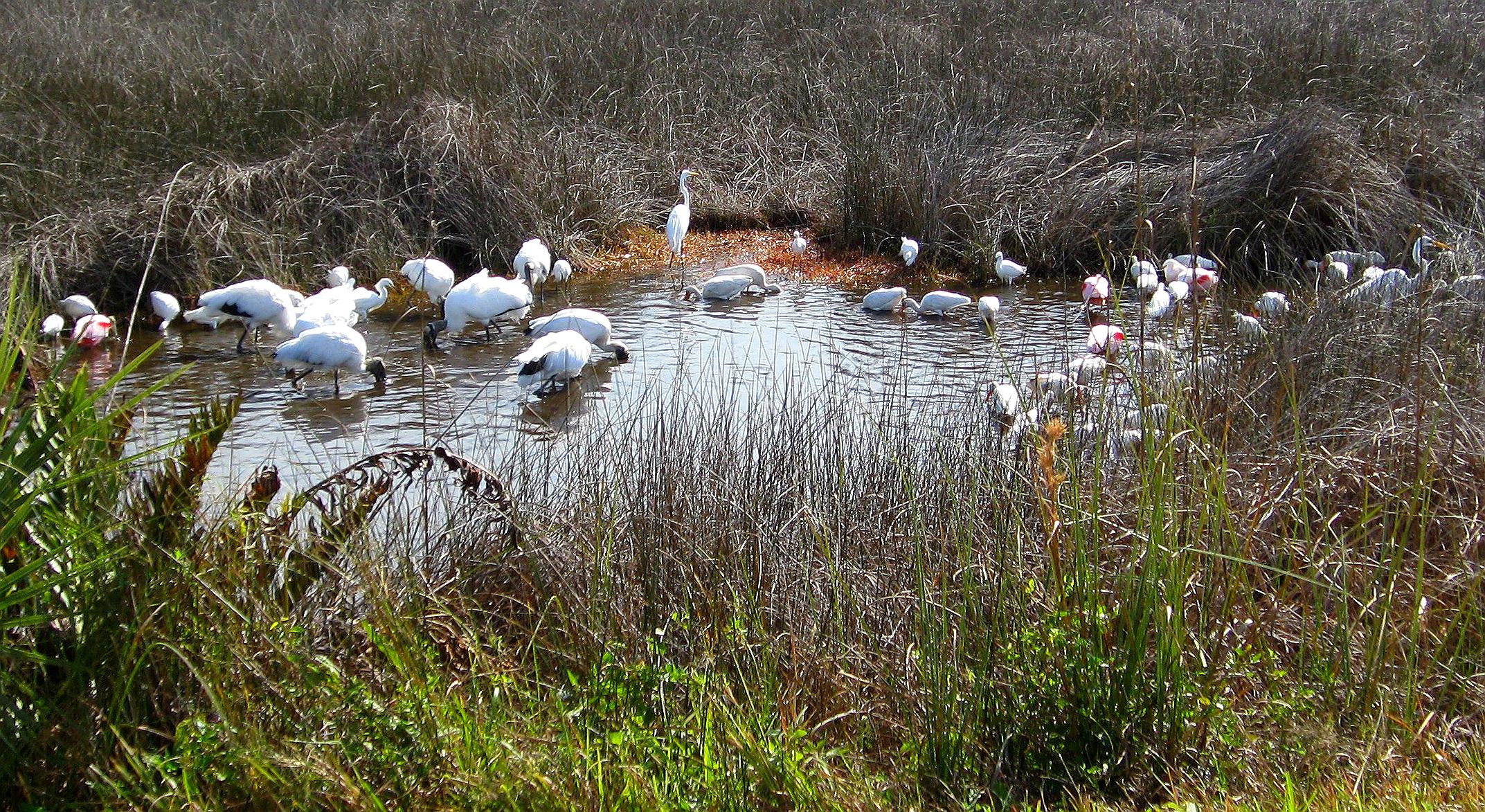
A gathering of storks, egret and ibis at a pond on Merritt island in Florida. -- Photo by Pat Bean

Travels With Maggie

It’s cold and windy today here in Harker Heights, Texas, where Maggie and I are parked in my oldest son’s driveway.

And it’s snowing in Chicago, my youngest son said in an e-mail he sent me today.

Wouldn’t it be nice, I thought, to be bird watching on Merritt Island in Florida. When I checked out the weather there, I discovered it was a balmy 78 degrees.

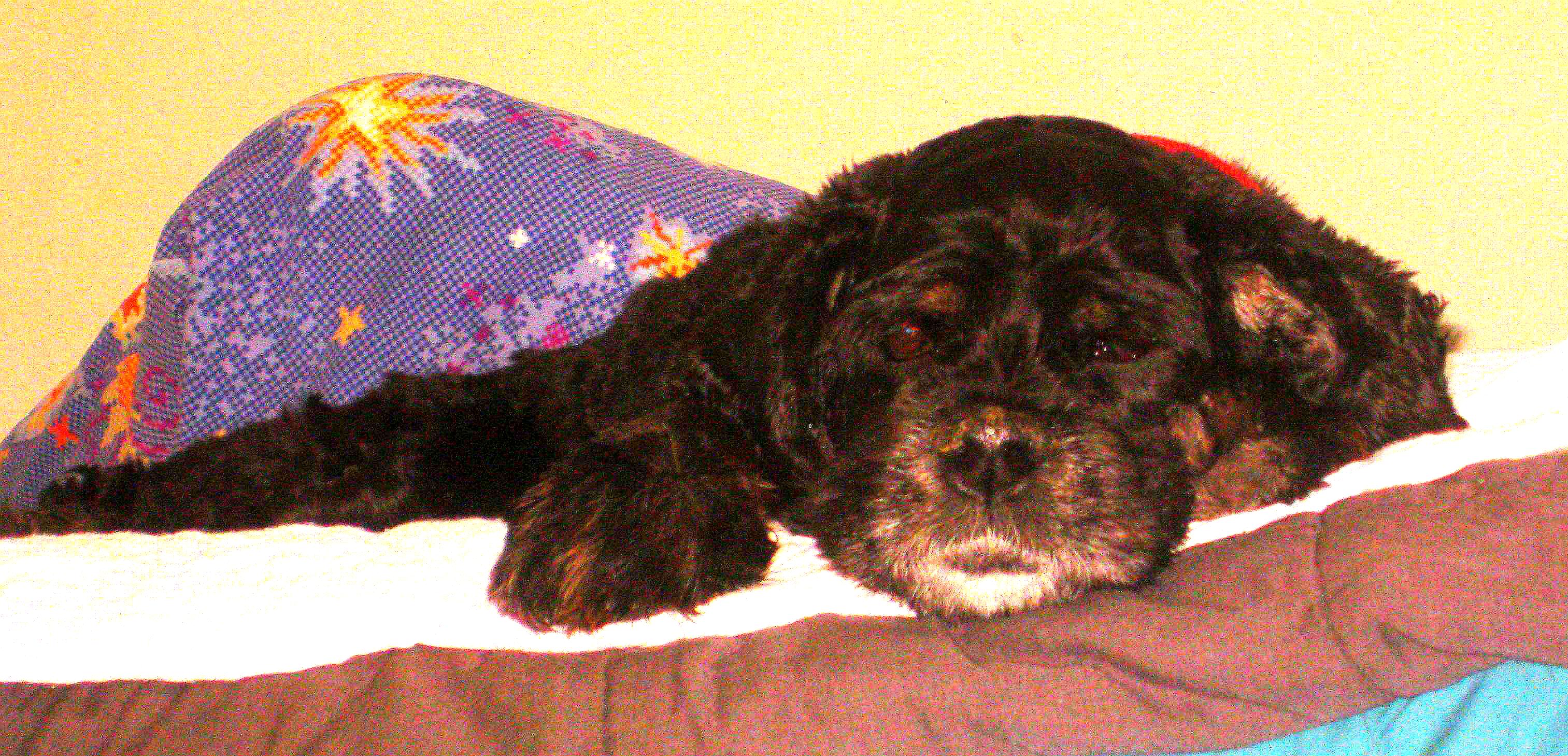
"I'll just lay here and sleep until it warms up if you don't mind." -- Photo by Pat Bean

My thoughts went back a couple of years to the winter day I actually did spend watching birds on the island, which is located near Cape Canaveral.

I can dream can’t I?

But there’s no getting around bundling up and taking my daily walks with Maggie. Even if she doesn’t care for the idea any more than I do.

Read Full Post »

“Be like a duck. Calm on the surface, but always paddling like the dickens underneath.” – Michael Caine

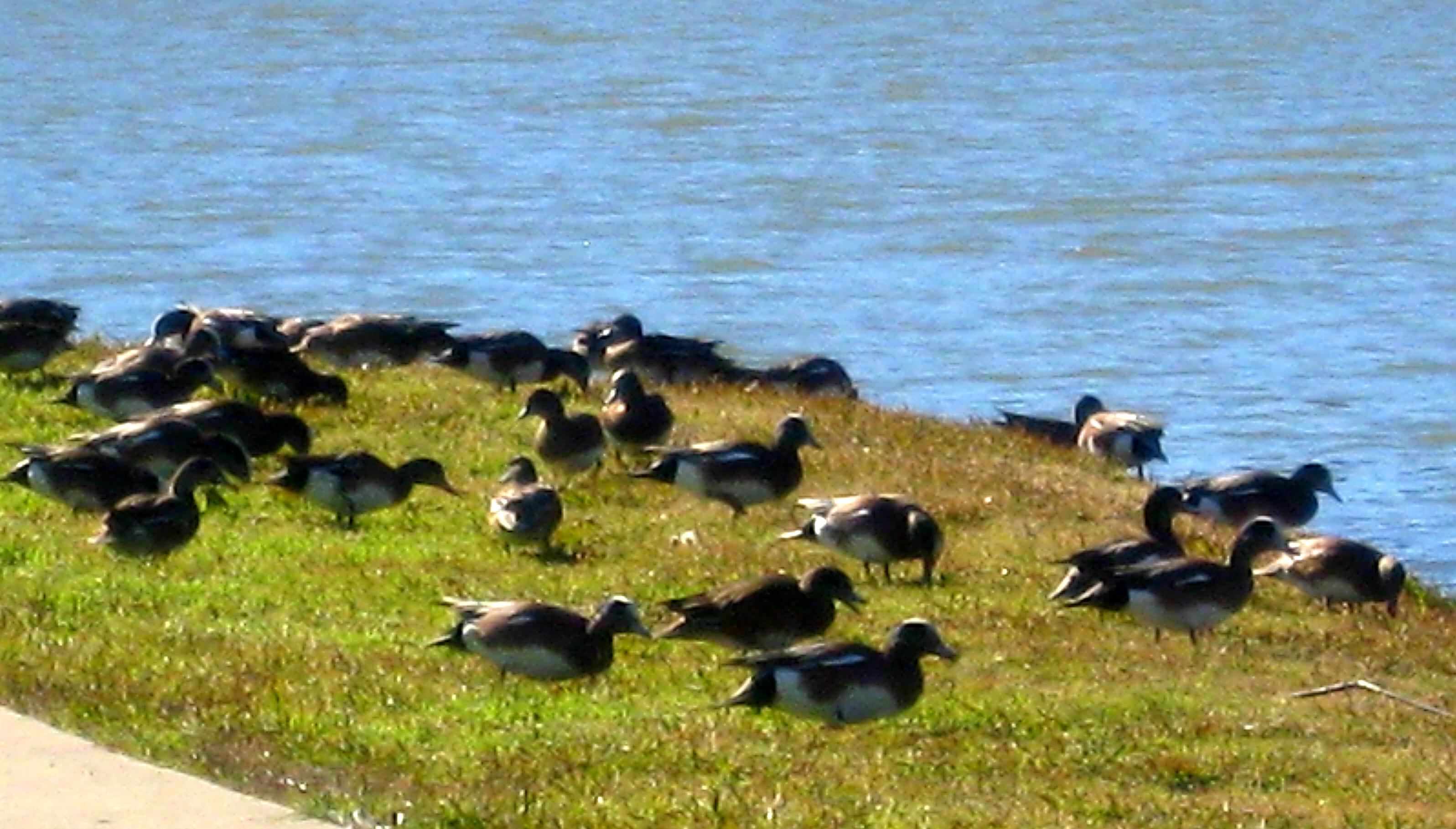
The flock of American wigeons I saw recently that reminded me of my five-year search for its Eurasion cousin. -- Poor photo by Pat Bean

Bird Talk

My kids tell me I have a better memory for where I’ve seen a new bird species than I do for their birthdays. Well, they’re wrong. I know the dates they were born very well. They just think I don’t because of how often I forget what day it is.

They are right, however, in thinking that I can remember where and when I’ve seen a new bird for my life bird list, which I started back on April 10, 1999.

The first bird on it is an American avocet. It and the next 67 birds on it were all seen when I went on a guided bird tour to Deseret Ranch in Northern Utah. I tagged along as a reporter assigned to do a story on sage grouse.

It was the first time I kept a list of the birds I saw — and the day I became a birder. I give

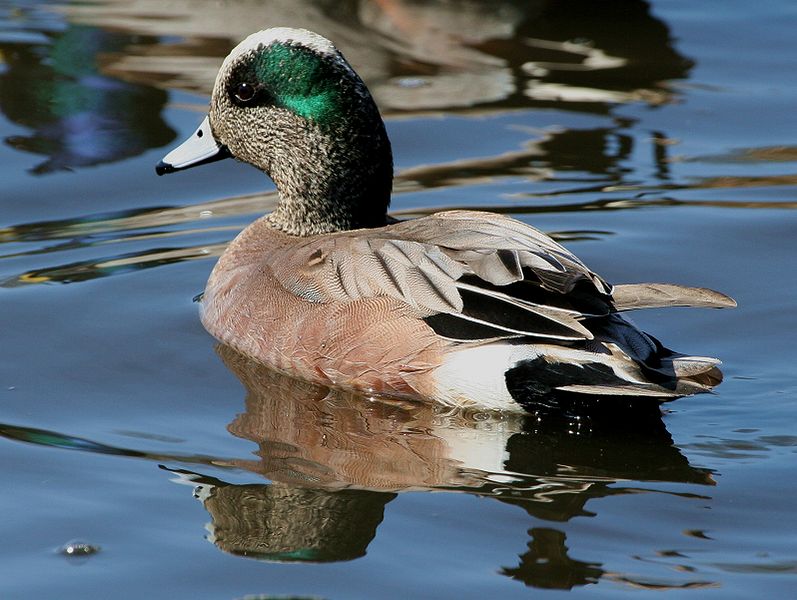
An American wigeon, a species that can be found all across the United States. -- Wikipedia photo

all credit for my newly found passion and addiction to birdwatching to Mark Stackhouse, who led the tour.

After I had listed the 67 birds, and had decided I would start my bird list, I did a very foolish thing. I added a Eurasian wigeon to the list.

A few years earlier, when I had been following Congressman Jim Hanson around during one of  his visits to Northern Utah, he made a stop at what was commonly known as the Millionaire’s Duck Club, a private hunting club located adjacent to the Bear River Migratory Bird Refuge.

Everyone was all excited that day because someone had spotted a rare Eurasian wigeon through a roof-top telescope. I was invited to take a look, and the wigeon became part of the story I eventually wrote. With written proof that I had seen the bird, I didn’t think twice about adding it to my list.

Eurasion wigeons, which can normally be found in winter along U.S. coastal areas. -- Wikipedia photo

But then I got into the spirit of birding, and realized I wouldn’t recognize a Eurasian wigeon if it dropped down from the sky five feet in front of me. And I knew that I didn’t want any bird on my list that I hadn’t personally identified. But to take it off, would be to mess up the entire order of my list.

It took me five years before I did finally see this duck. It was Oct. 4, 2004, in Yellowstone National Park. What a great day that was. And I remember it as well as I remember the days my children were born.

Read Full Post »

 “It gives one a sudden start in going down a barren, stony street, to see upon a narrow strip of grass, just within the iron fence, the radiant dandelion, shining in the grass, like a spark dropped from the sun.” Henry Ward Beecher

Why is a rose thought to be more beautiful than a dandelion? -- Photo by Pat Bean

Travels With Maggie

I’ve taken my daily walks with my dog, Maggie, while visiting my daughter here in the Dallas suburbs in Rowlett’s Springfield Park. There’s a nice pond, which on my visits has been full of wigeons, coots, cormorants and shovelers, and a paved path that goes all the way around it.

For variety, one can wander over to a slow-moving creek that borders the park and watch, if you’re lucky, a turtle or two, and perhaps spot a ruby-crowned warbler flitting among the tree branches.

Creek turtle -- Photo by Pat Bean

Despite being winter, the park still has green grass, although much of it lies beneath crackling brown tree leaves. On my most recent walk, I came across a sight that always delights me, the unloved dandelion.

Perhaps seeing dandelions springing up unwanted in someone’s lawn or in a landscaped park thrills me because I’ve always been for the underdog. Or perhaps it’s because their bright yellow color brings joy to my soul. Or perhaps it is because I love the wild freedom of a flower that can’t be tamed?

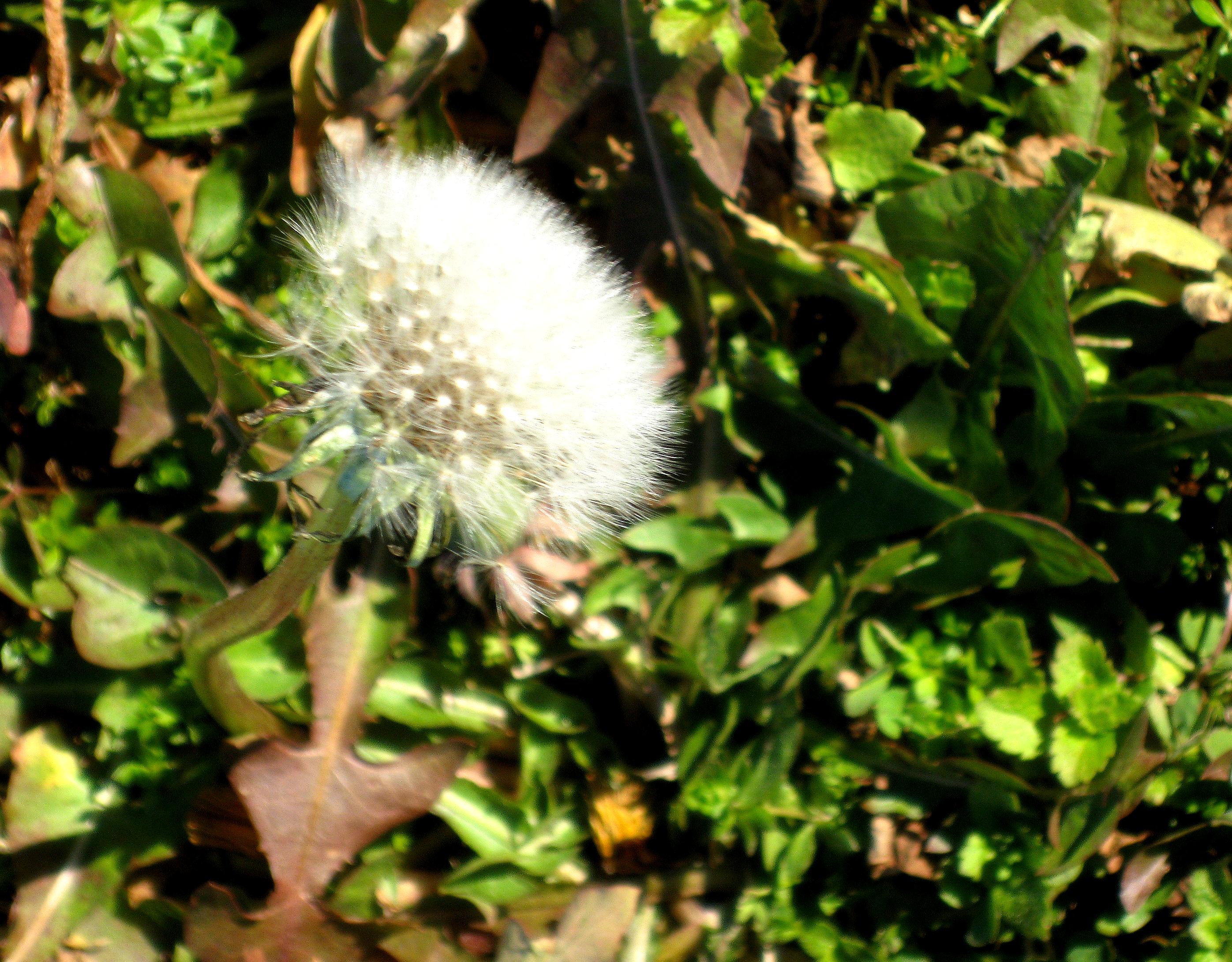
Future generations of dandelions waiting for the wind. -- Photo by Pat Bean

The dandelions were blooming, I suspected, because of Texas’ recent warm weather spell – which last night disintegrated to cold and rainy.

Along with spotting the few dandelions this past Friday, I also saw evidence that some of the golden youngsters had already passed their prime. The elderly among the dandelions had dropped their petals and were white-headed, and in various stages of dispersing their life forces to the wind. They do it with a promise that many more dandelions will invade many more lawns come spring.

How is it, I wondered, that we humans can ooh and aah over a field of bluebonnets but be turned off by a lawn full of dandelions? Who decided what is beautiful and proper and what is not?

Is there something wrong with my DNA because I can love a dandelion as much as a lily?

Aha, my wondering brain concluded as I pondered these questions, perhaps it is those who can’t appreciate the yellow glow of happiness that a dandelion symbolizes who inherited the defective DNA gene?


Read Full Post »

 “Birds are indicators of the environment. If they are in trouble, we know we’ll soon be in trouble.” – Roger Tory Peterson

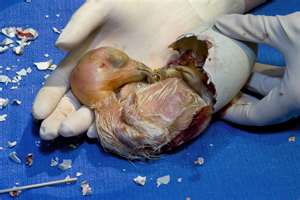
Recent California condor hatchling born at the Oregon Zoo, which has released 10 condors back to the wild. -- Oregon Zoo photo

Bird Talk

Judy Liddel, an old-broad birder like myself, whom I met on an Audubon outing to check mountain bluebird boxes in Northern Utah quite a few years ago, wrote about California condors on her blog. http://tinyurl.com/6ra4lg4

Her writing took me back in time, first to 1983, when the first condor egg hatched in captivity, and then to 2002, when I saw my first condor flying in the wild. The latter incident, which occurred just outside Zion National Park’s east entrance, was like a miracle, as their population had gotten down to only 22 when it was decided to take all of them into captivity for their own protection.

My granddaughter, Jennifer, who was with me when I saw a pair of the condors circulating overhead, was startled by my reaction. I pulled over to the side of the road, hopped out of the vehicle with my binoculars in hand, and started jumping up and down with joy. It was a sight I had never expected to see.

My fascination with the condors began one night in 1983 when I was the editor putting out the Sunday morning edition of the Times-News newspaper in Twin Falls, Idaho. A story came over the Associated Press wire about the first California chick being hatched in captivity at the San Diego Zoo.

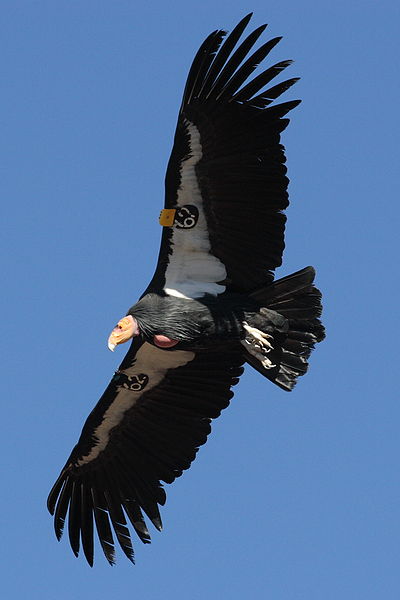
One of the California condors now flying free. The markers on its wings allow it to be recognized and tracked. -- Wikipedia photo

Given that there were no murders, earthquakes or other catastrophes going on, I used the birth as the lead story on Page One. With it, I ran an enlarged photo using the color separations AP had sent over with the article.

Would you believe that quite a few readers took offense. One even wrote that the sight of the bald-headed, wrinkle-skinned chick had spoiled their breakfast. In their defense, I have to admit the paper’s reproduction of the photograph (this was still years away from the instant digital process newspapers used later in my career) had not gone well. The chick came out looking like it had been drenched in witches blood.

The managing editor was also not pleased, but I stood firm and told him this was a historic moment in bird history. He frowned, but didn’t fire me.

I have been following the progress of the California Condor ever since that day, and am pleased to tell you that the original 22 condors remaining in the world, with the aid of man’s efforts to save them, have multiplied to about 400.

It delights me that my friend, Judy, was as excited to see one of these birds flying free as I had been at the sight. Thanks for the memories Judy.

Read Full Post »

 “In three words I can sum up everything I’ve learned about life. It goes on.” – Robert Frost

A tree that doesn't want to die. Now this is what I call a passion for life. -- Photo by Pat Bean

Travels With Maggie

When I first started writing about my travels, I tried to disguise the fact that I was an old broad. Then one day, after a hint from an online writing colleague that being an old broad was what set me apart from all the glamorous young women out there traveling in search of love. I claimed the honor.

I first heard the term “old broad” back when I was a journalist reporting on the environment. In writing about wilderness issues and the value of protecting it, I came across a group called “Great Old Broads for Wilderness.”

I sent this photo of me taken by my friend, Shirley Lee, in Cozumel to my kids announcing that I had a new boy friend. Even old broads want to have fun.

Wow, I thought, when I met some of these women, like Susan Tixier, the brain behind the organization, and author Terry Tempest Williams, as they exercised their passions to help protect wild lands from disappearing from America. Suddenly the term old broad seemed more honorific than derogatory.

Recently I’ve added a couple of new adjectives to my own old broad-persona that I feel fit perfectly. I’m a wandering-wondering old broad with passions for writing, travel, birds, books and Mother Nature.

One of my goals for this year is to rewrite my travel book with this voice. It’s too bad I didn’t do it the first time around. I won’t make that mistake this year with my blog. It’s a promise.

And my canine traveling companion, Maggie, who is also an old broad, is my witness.

Read Full Post »

 “Why is it trivia? People call it trivia because they know nothing and they are embarrassed about it.” Robbie Colrane

Sign of the Times

Travels With Maggie

With my canine traveling companion, Maggie, snoring softly in Gypsy Lee’s co-pilot seat, and 300 miles of highway in front of me yesterday, I loosed my brain to digest the passing sights.

Sitting behind the wheel of my RV frees my mind to seek answers to insightful, puzzling and stupid questions.

The googling of my mind began this misty morning when a great egret floated down to land beside Highway 288 near the 72-foot tall statue of Stephen F. Austin.

The Austin image, located south of Angleton, is less

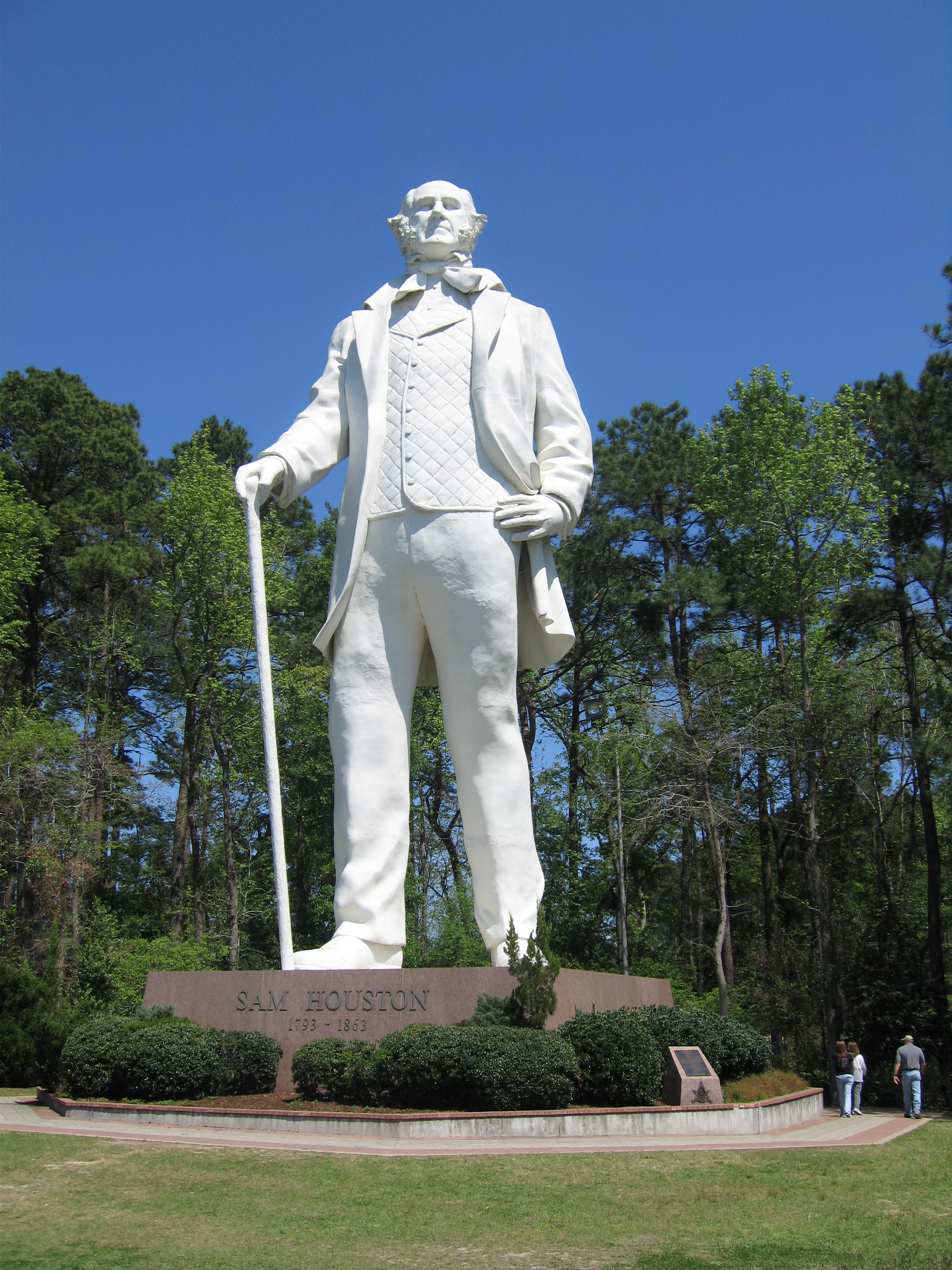
Statue of Sam Houston visible from Interstate 45 south of Huntsville. -- Photo by Pat Bean

impressive than the 77-foot one of Sam Houston, which sits beside Interstate 45 south of Huntsville. Both men were Texas history-makers and both statues were created by the same artist, David Addicts.

The Austin statue, I remembered as I passed it, has become somewhat of a joke to locals. From a distance looking north, Austin appears to be picking his nose. Looking south, he kinda looks like he’s peeing.

And then my mind shifted gears. I suspected that a lot more people knew who Houston was than knew who Austin was. Houston avenged the Alamo and became president of the Republic of Texas. Austin merely colonized the state and was considered the Father of Texas .

Statue of Stephen F. Austin located south of Angleton.

What makes some people stick in our minds while others fade into oblivion, I asked my wandering/wondering brain. And then a list of names popped into my head.

I remember Edgar Allan Poe because he frightened me. Harriet Beecher Stow, author of “Uncle Tom’s Cabin” because she shamed slave owners. John F. Kennedy because he charmed us; Charles Manson because he horrified us; and Mae West because she scandalized us.

I then wondered what names might pop in the heads of others if asked the same question.

And so the next six hours went.

On passing a Walmart semi, I decided this was the new sign of the times. A red Corvette pulled over to the side of the road with a police car’s swirling red, white and blue lights flashing behind it made me think that sometimes it was better to drive a plain brown wrapper.

I laughed at the sign outside the small city of Buffalo, which announced a Buffalo Stampede the third Saturday in September. That explained the herd of buffalo I had just passed, which was a brand new sight for me on this often traveled stretch of interstate that connects one of my sons with one of my daughters.

Another first for me was a sign promoting the Spearmint Rhino Gentlemen’s Club. Huh?

I looked that one up on the Web and discovered there were clubs with this name all over the place, including Las Vegas and Australia. Another sign of the times, I suspected.

Of course, as always, my eyes were seeking out birds along the way. Red-tailed hawks sitting in trees and turkey vultures flying overhead were the most common. I saw a great blue heron in a marshy area, and a snowy egret nearby. Eastern meadowlarks flew up from some roadside weeds, and a flock of crows flew into the air, leaving their road kill behind temporarily.

All too soon, Gypsy Lee, Maggie and I were pulling up in front of my daughter’s home.

Read Full Post »

« Newer Posts - Older Posts »