
Common mullein just starting to blossom -- Photo by Pat Bean
“Oh, grey hill,
Where the grazing herd
Licks the purple blossom,
Crops the spiky weed!
Oh, stony pasture,
Where the tall mullein
Stands up so sturdy
On its little seed!”
– Edna St. Vincent Millay
Travels With Maggie
Beautiful walk this morning here at Lake Walcott, where the mullein’s tall stalks are just beginning to fill with yellow blossoms.
As the weather has turned warmer – although not into the triple digits my family and friends back in Texas have been enduring – things have become to pop out. I see something new every morning when I take my walk with Maggie.

Mullein with the park and lake in the background. -- Photo by Pat Bean
This morning was especially nice, and so I decided to take a break from my African Safari to share it with you.
I’m not sure what the wildflower below is, although I think it may belong to the onion family. Perhaps one of you wildflower experts can identify it. I hope so because I really do like to know the proper names of things.
Meanwhile I’ll be back later today with more recap of Kim and my African Safari adventures.
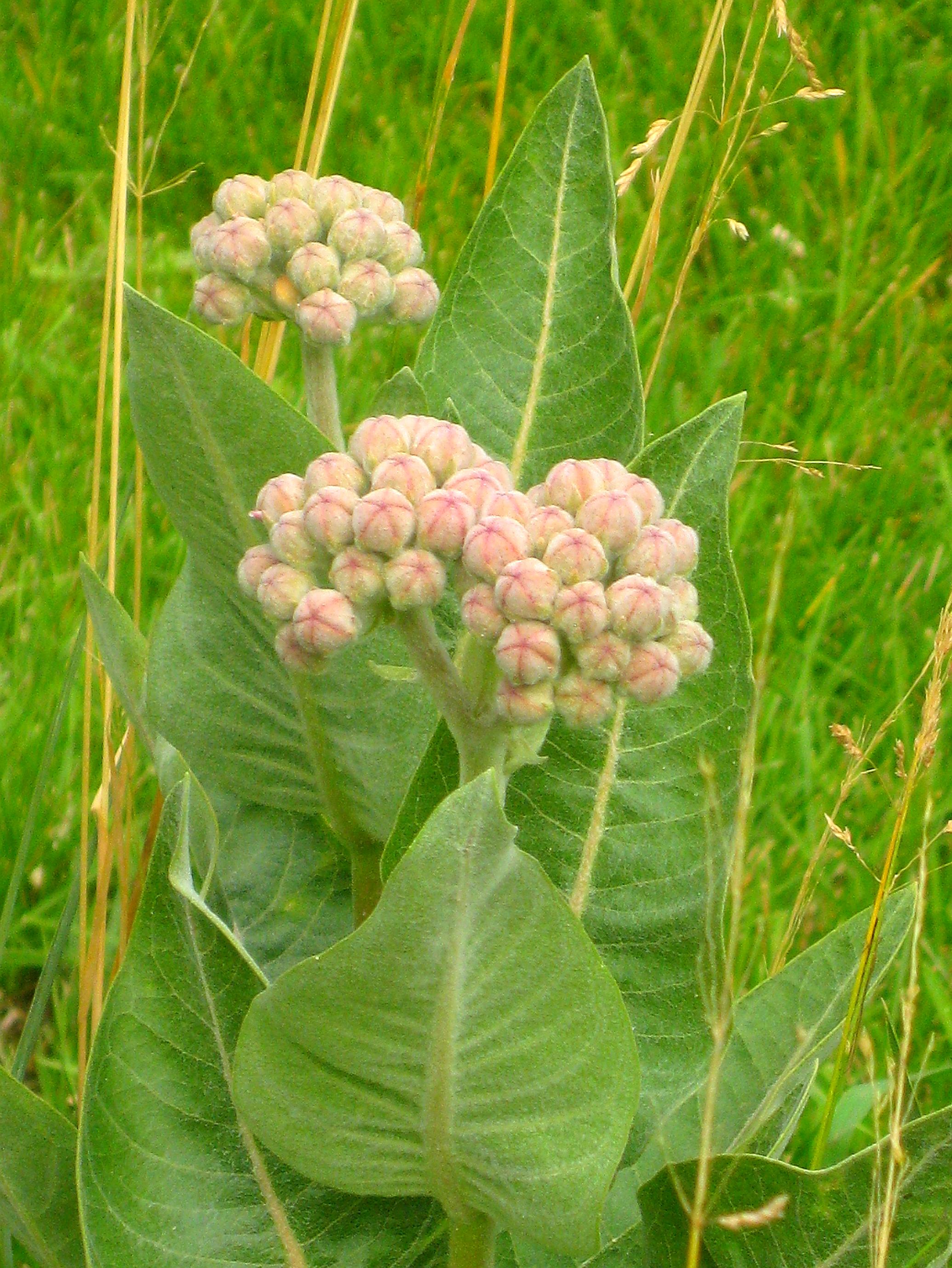
Who can name this plant? -- Photo by Pat Bean


 Pat Bean's blog
Catching up again. i learned a couple of years ago that Mullein was called ‘miner’s candle’ by early miners in the west. They dipped it in was and used it as a torch when they went into the mines.
Your unknown wildflower appears to be a milkweed, which would put it in the genus Asclepias. If you’re at the Lake Walcott that’s in Idaho, you can check to see which milkweed species grow in that region.
Mullein, though attractive, is not native to the United States. It came here from Europe and has spread widely.
Steve Schwartzman
http://portraitsofwildflowers.wordpress.com
Thanks Steve. No wonder all the butterflies are hanging around. It looks like we simply have the common milkweed here, although I found,after you narrowed my search, pictures identified asf spider or swamp milkweek that also looked like what we have here in Southern Idaho. The majority of the milkweed plants here grow along the lake bank although there are a few plants in drier areas, but they are in areas regularly watered by sprinklers. Sounds like mullein has spread like the house sparrows and starlings that we also got from Europe. Thanks for your response